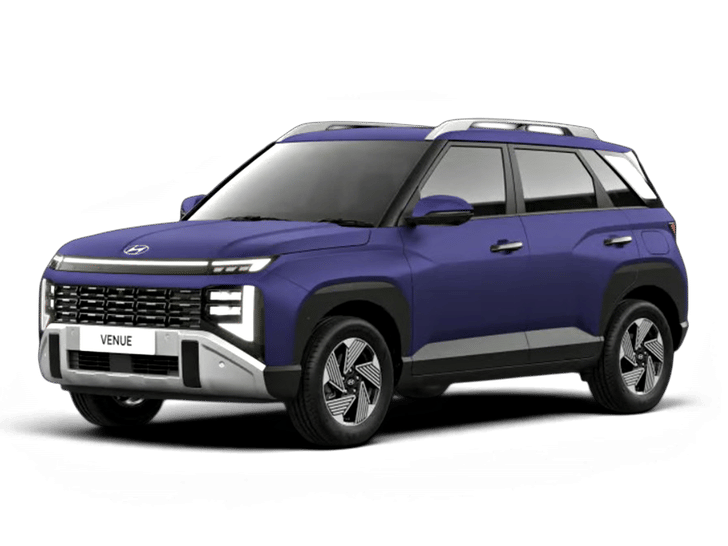
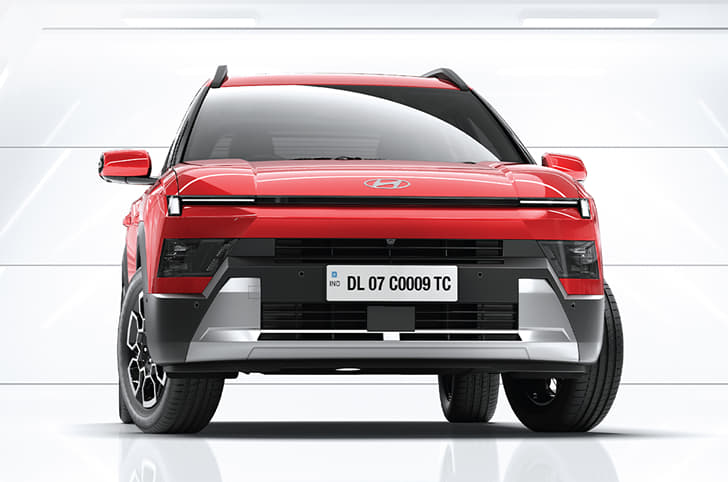
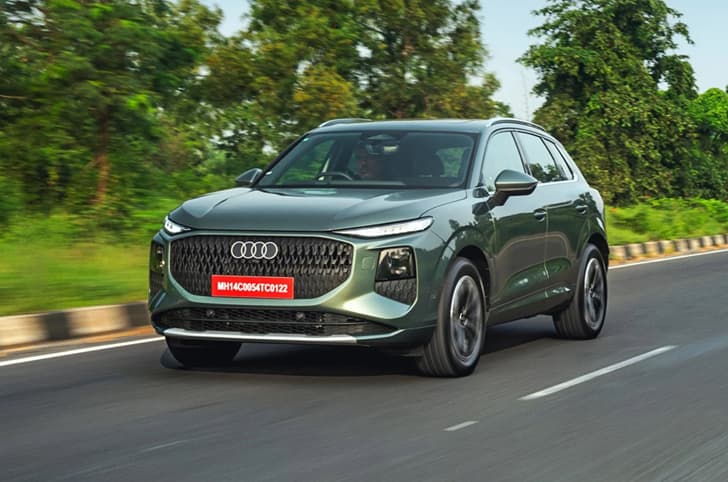
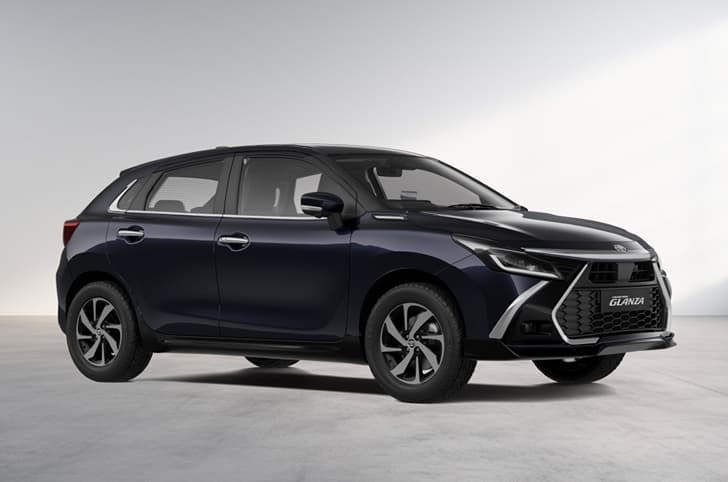
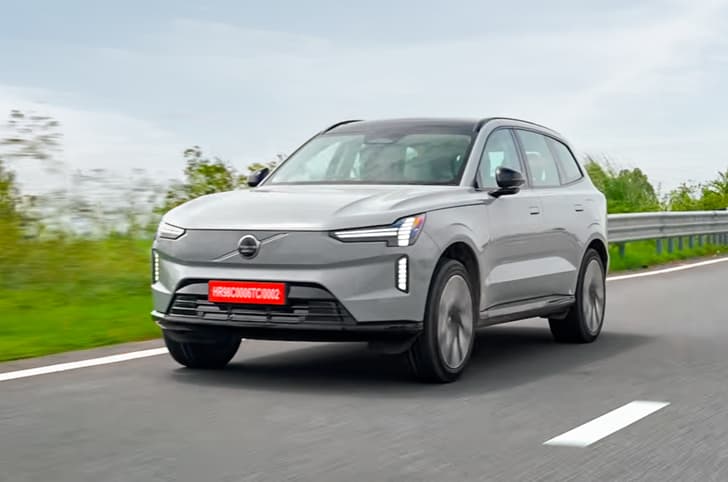
The Hyundai Bayon HX10 and Kia Seltos HTX(A) are similarly priced, making them worth comparing if you have a budget of Rs 16 lakh to Rs 18 lakh. At this price point, you can choose between the Bayon’s fully loaded top variant and the Seltos’ mid-spec trim. While the Bayon offers more features in certain areas, the larger Seltos has a wider choice of powertrains, including turbo-petrol and diesel options. Here’s how the two compare on dimensions, performance, features and safety.
Hyundai Bayon top-spec vs Kia Seltos mid-spec: Dimensions
The Kia Seltos is larger than the Hyundai Bayon, measuring 215mm longer and sitting on a 90mm longer wheelbase, which would translate to more cabin space. It is also 20mm wider and 30mm taller than the Bayon. However, the Bayon has 5mm more ground clearance and a larger 505-litre boot, compared with the Seltos’ 447 litres. This gives the Bayon a 58-litre advantage in luggage capacity despite its smaller overall dimensions.
Hyundai Bayon top-spec vs Kia Seltos mid-spec: Powertrain options and specs
*Bayon manual mileage yet to be disclosed.
The Hyundai Bayon HX10 and Kia Seltos HTX(A) share a 1.5-litre naturally aspirated petrol engine producing 115hp and 144Nm, available with a 6-speed manual or a CVT automatic gearbox in both models. However, the Seltos offers a wider choice of powertrains, including a 1.5-litre turbo-petrol engine producing 160hp and 253Nm, and a 1.5-litre diesel developing 116hp and 250Nm. In terms of claimed fuel efficiency, the Bayon returns 18.6kpl, compared with 16.5kpl for the Seltos’ naturally aspirated petrol version.
Hyundai Bayon top-spec vs Kia Seltos mid-spec: Exterior features
The Hyundai Bayon HX10 and Kia Seltos HTX(A) have broadly similar exterior equipment, with both riding on 17-inch wheels and featuring LED lighting at the front and rear. The Seltos gets all-LED headlamps and fog lamps, while the Bayon uses LED projector headlamps and has puddle lamps, which illuminate the area beside the car. Both models also feature roof rails, a rear spoiler and electrically adjustable and foldable ORVMs, along with a rear wiper and washer.
Hyundai Bayon top-spec vs Kia Seltos mid-spec: Interior features
The Hyundai Bayon HX10 and Kia Seltos HTX(A) offer similar cabin equipment, including twin 12.3-inch screens, an eight-speaker Bose audio system, wireless phone charging and ventilated front seats. Both also get an eight-way powered driver’s seat, leatherette upholstery, ambient lighting and keyless entry with go. The Seltos has an advantage in climate control, with a dual-zone system compared with the Bayon’s single-zone unit, and also gets a rear sunshade. The Bayon, meanwhile, adds an AI voice assistant, which is not available on the Seltos. Both models also feature connected car technology, over-the-air updates, a panoramic sunroof, rear AC vents, split rear seats, a rear armrest with cupholders and an auto-dimming IRVM.
Hyundai Bayon top-spec vs Kia Seltos mid-spec: Safety features
Both the Hyundai Bayon HX10 and Kia Seltos HTX(A) offer a comprehensive set of active safety features, including a 360-degree camera, blind-spot camera, adaptive cruise control and lane-keep assist. Both also get six airbags and forward collision warning, along with rear cross-traffic alert and safe-exit warning. The Bayon’s key advantage is the inclusion of a dashcam, which is not available on the Seltos HTX(A).
Hyundai Bayon top-spec vs Kia Seltos mid-spec: Price
The Kia Seltos HTX(A) makes a stronger case overall. For a premium of just Rs 32,000-Rs 37,000 over the comparable Bayon HX10 petrol variants, it offers a larger footprint, a longer wheelbase, dual-zone climate control and a wider choice of engines, including turbo-petrol and diesel options. The Bayon counters with a larger 505-litre boot, more ground clearance, an AI voice assistant and a dashcam.
For buyers with a budget of Rs 16 lakh to Rs 18 lakh, the Seltos is the more compelling choice, offering the added space and powertrain flexibility without a substantial price premium.

 Uday Singh


 Suraj Viswanathan

 Dipan Sur