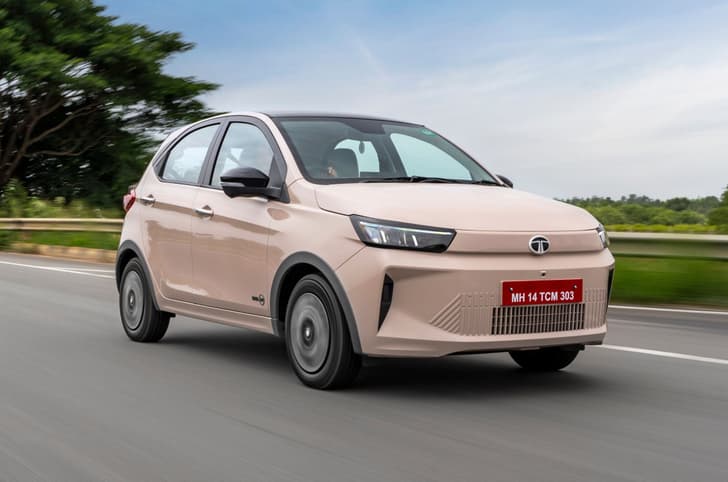


To broaden the appeal of the Tata Punch, one of the brand's bestselling SUVs, the 2026 facelift brings several exterior, interior and safety upgrades. The mid-lifecycle update also adds a new turbo-petrol engine option, shared with the Nexon and Curvv. The new Tata Punch is priced between Rs 5.59 lakh and Rs 10.54 lakh, ex-showroom, compared to the outgoing model's Rs 5.50 lakh-9.30 lakh range.
With a brief overview of the latest from Tata out of the way, let's break down how the current model differs from the old Punch.
New Tata Punch vs old model: Powertrain options
New 1.2L turbo-petrol engine choice.
The biggest talking point of the facelifted Punch has to be the new 1.2-litre, 3-cylinder, turbo-petrol engine option, making peak outputs of 120hp and 170Nm (similar state of tune to the aforementioned compact and coupe midsize SUVs); as of now, the Punch turbo is available with a 6-speed manual gearbox only and Tata claims 0-100kph takes 11.1 seconds.
Punch CNG adds AMT option.
88hp, 115Nm 1.2-litre naturally-aspirated petrol and 73hp, 103Nm CNG (twin-cylinder setup) options have been carried over, which can be paired to either a 5-speed manual or a 5-speed AMT unit. Notably, the Punch CNG variants were previously offered with a manual gearbox only.
New Tata Punch vs old model: Exterior
Connected LED tail-lights, redesigned 16-inch alloy wheels.
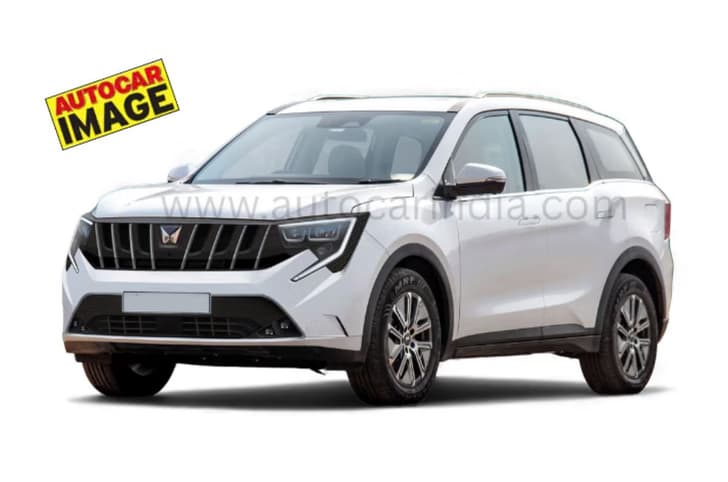
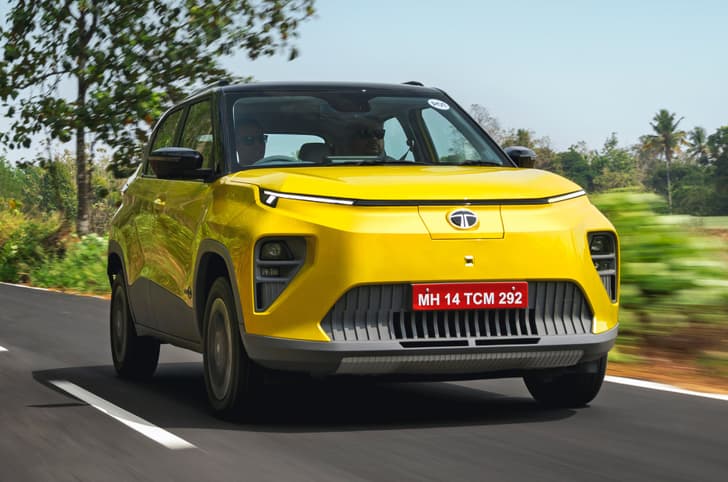
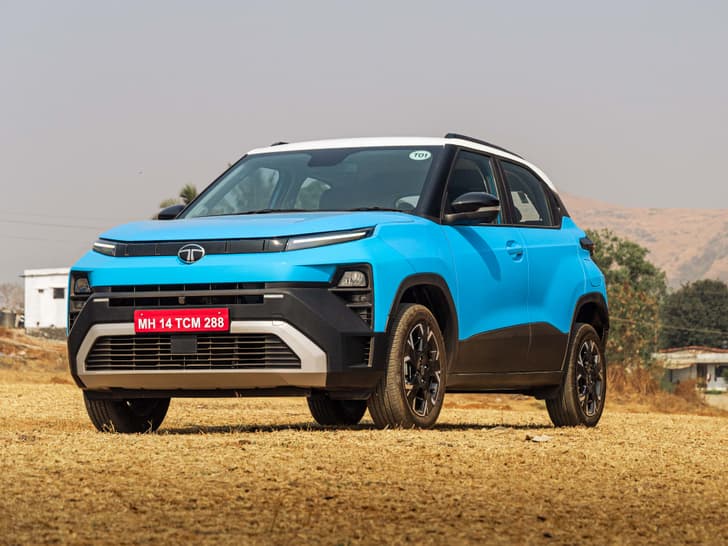
Up front, the new SUV gets Punch EV-like vertically stacked, angular LED headlights, and the eyebrow-style DRLs are bridged by a slimmer nose, with the Tata logo in the centre. The tri-arrow design elements on the air dam have been replaced with traditional horizontal slats, surrounded by a silver outline.
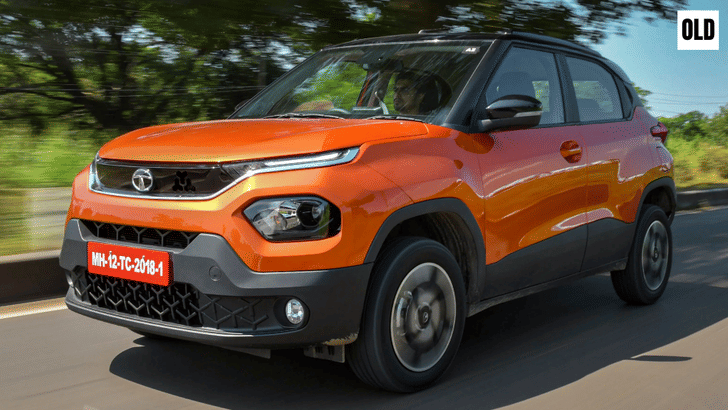
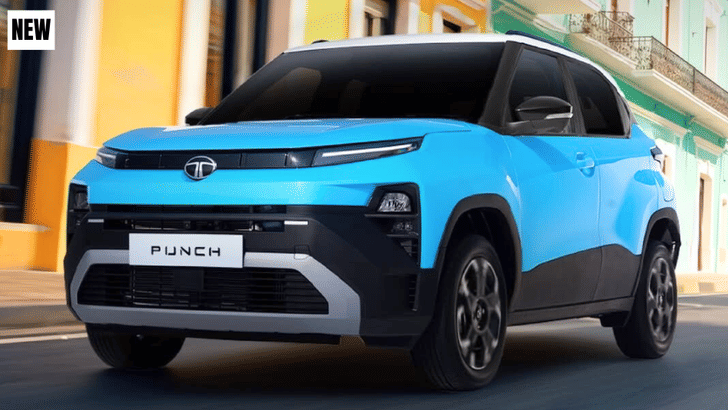
Save for the redesigned 16-inch alloy wheels, the side profile remains largely unchanged, retaining the chunky plastic cladding along the doors and wheel arches, pull-type front door handles and rear handles mounted on the C-pillar.
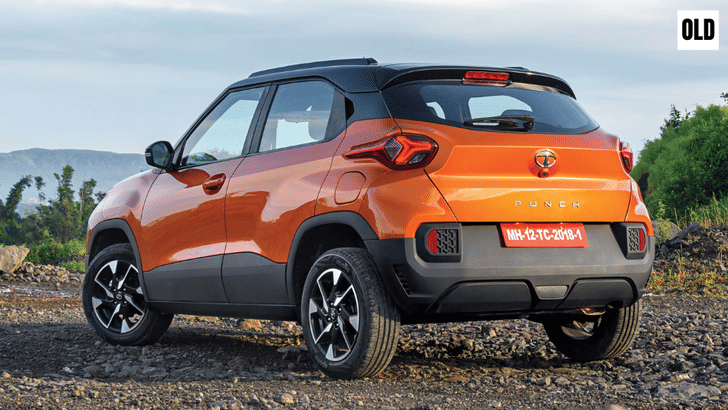
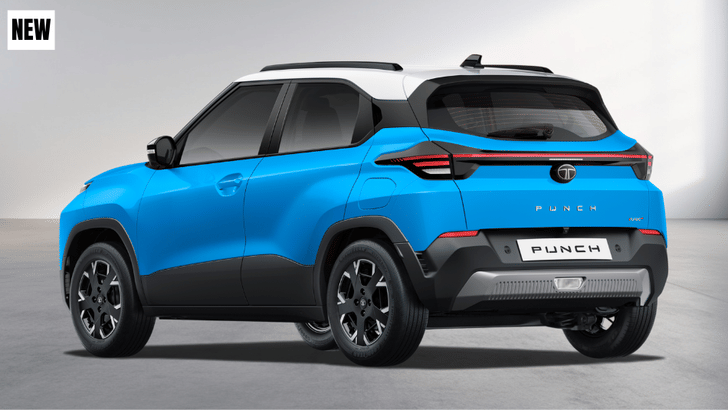
Updates at the rear include refreshed lights connected by an LED light bar, below which is the stop lamp (previously placed below the spoiler). The rear camera has moved down, too, and the bumper features a faux skid plate.
New Tata Punch vs old model: Dimensions
Improved ground clearance.
New Tata Punch vs old model: Colours
4 new shades.
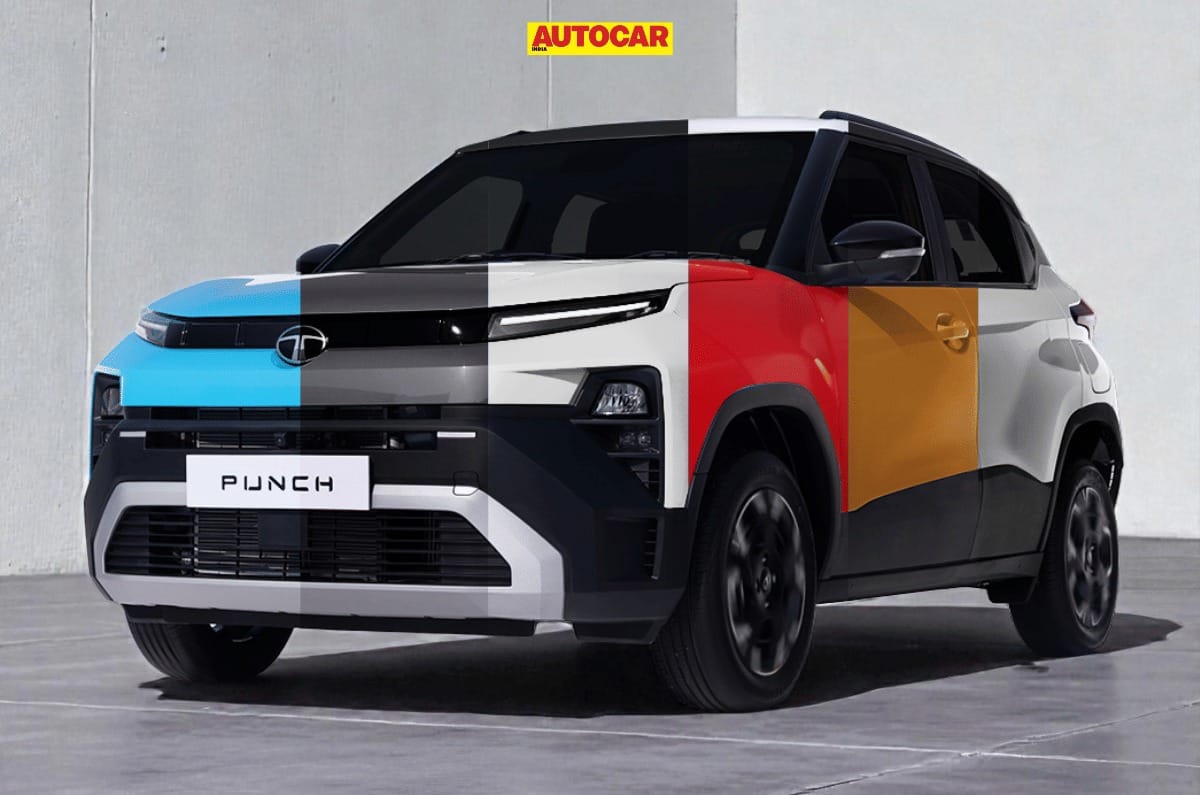
New Cyantafic, Caramel, Bengal Rouge, and Coorg Clouds exterior colours have also been added, with the latter two shared with the new Tata Sierra; other colours on offer are Daytona Grey and Pristine White. Dual-tone choices are available as well.
New Tata Punch vs old model: Interior
7-inch part-digital driver's display, 360-degree camera.
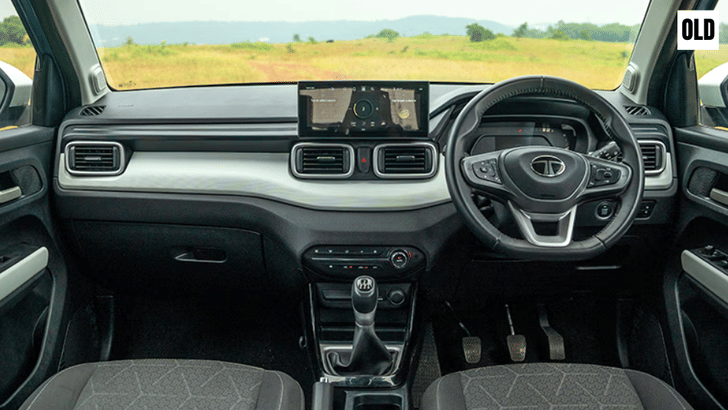
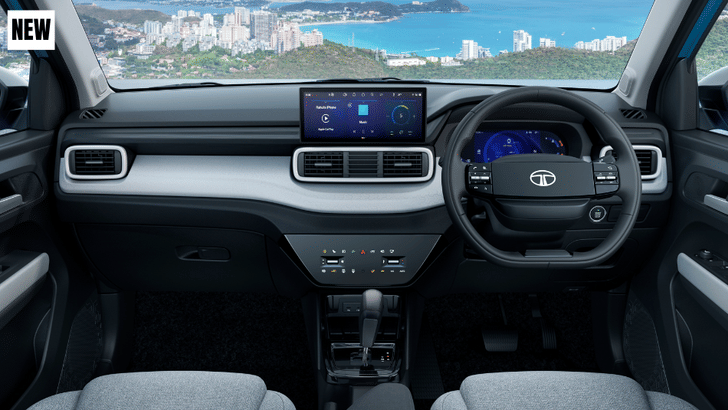
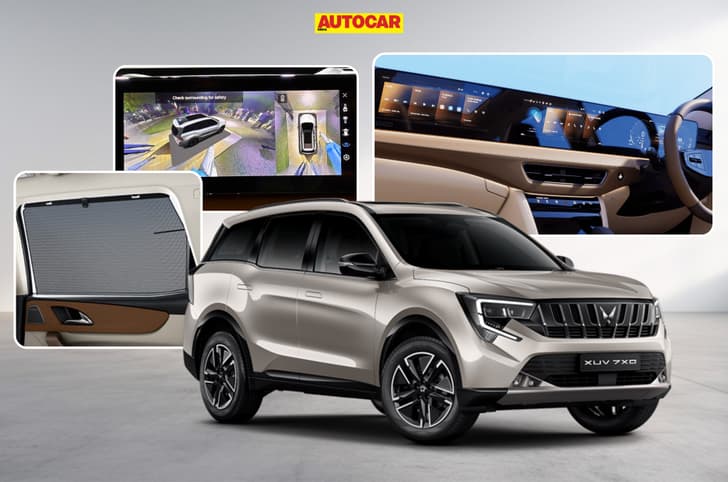
Inside, the dashboard design has been subtly revised, and the facelift adds a new two-spoke steering wheel with an illuminated Tata logo, along with a touch-enabled climate control panel. While the 10.25-inch touchscreen is retained, a 7-inch part-digital driver's display is new, as are the 360-degree camera, 8-speaker sound system and extendable thigh support for both the front and rear seats.
New Tata Punch vs old model: Safety
6 airbags as standard
The old Tata Punch was crash-tested by the Global NCAP in 2021, where it earned a 5-star rating for adult occupant protection and 4 stars for child occupant safety. Tata claims that the facelifted model has now been tested by the Bharat NCAP, securing a full 5-star rating for both adult and child protection. At the time of writing, the safety programme has yet to publish its official crash test report.
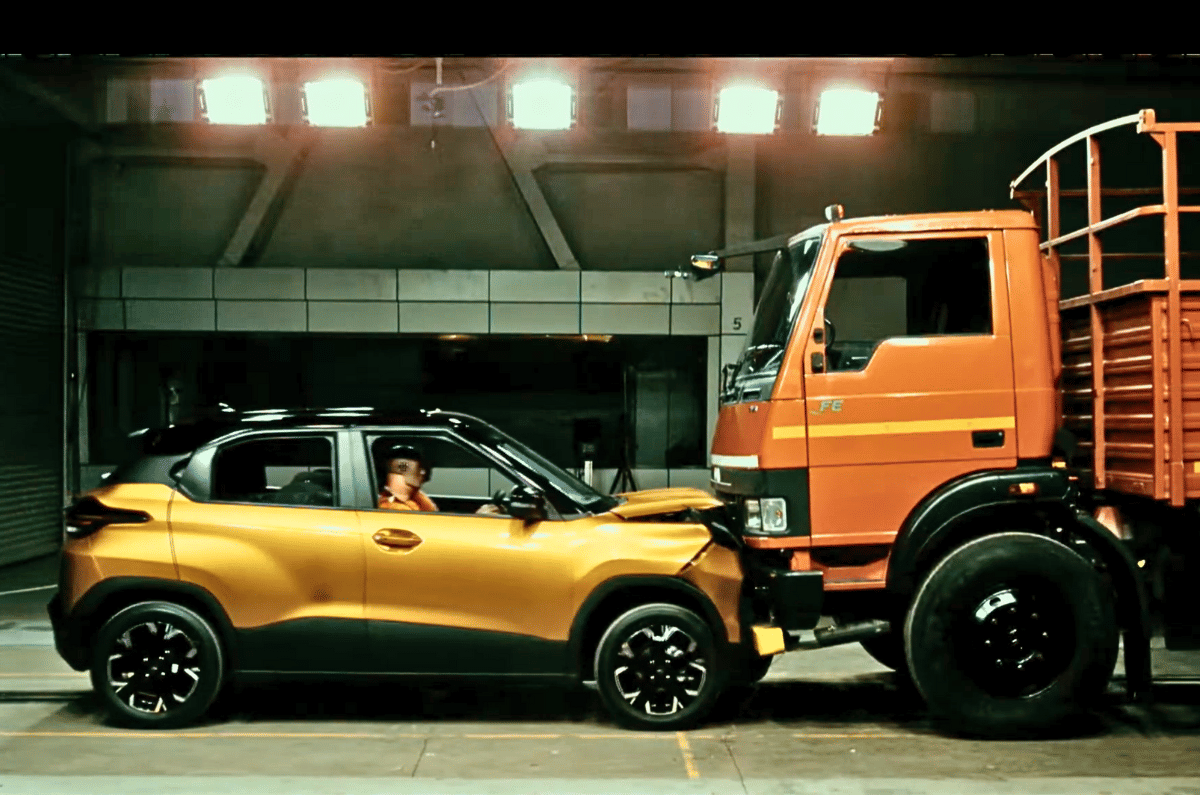
Earlier, the Punch was offered with just two airbags, whereas the facelift now gets six airbags as standard across the range. Features such as TPMS, ABS with EBD, ESC, and hill hold assist are also offered across all variants.




 Glenn Noronha
 Dipan Sur