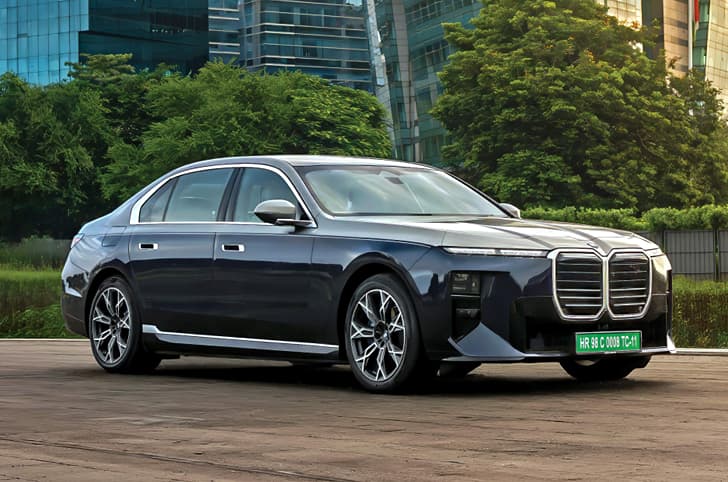


BMW has revealed the facelifted 7 Series, along with its electric counterpart, the i7. This mid-lifecycle update brings subtle changes to the exterior, but the bigger updates are inside, inspired by the brand’s latest Neue Klasse flair. There are also gains across powertrains, with improved outputs across the range. Here is a closer look at what has changed and how the updated BMW 7 Series compares with the outgoing model.
Disclaimer: The image sliders below feature global-spec BMW i7 models.
2026 BMW 7 Series vs old model: Exterior design
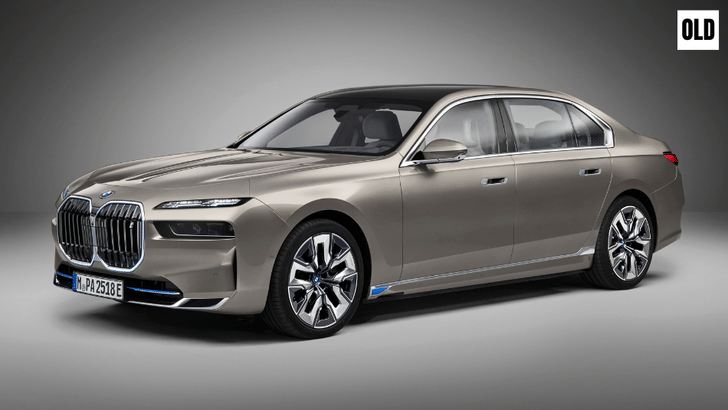
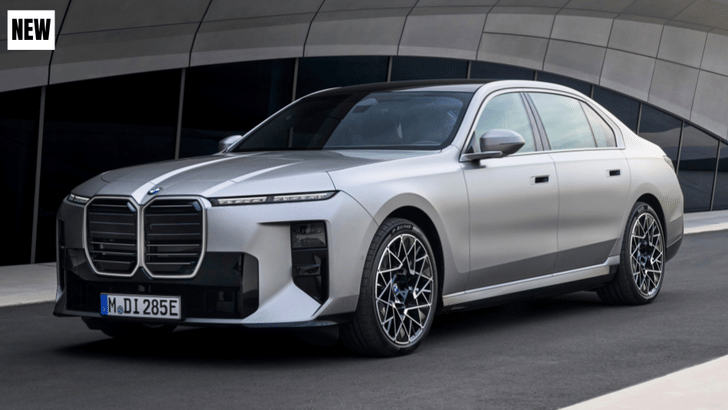
Unlike the predecessor that had the M Sport package on certain variants, the 2026 7 Series gets it as standard. The facelifted 7 Series gets a much cleaner front end than the outgoing model. The biggest change is the updated illuminated kidney grille, which is now slimmer and more upright, and it also gets a new horizontal light graphic. While a split headlamp setup is carried over, the daytime running lamps (DRLs) get a slimmer look, while the main headlamp units are now vertically stacked as opposed to the predecessor’s horizontal ones. The BMW badge on the bonnet is also new, larger and finished in matte. BMW says the radar, camera, sensors and washer nozzles are hidden inside the grille area, which helps keep the front uncluttered.

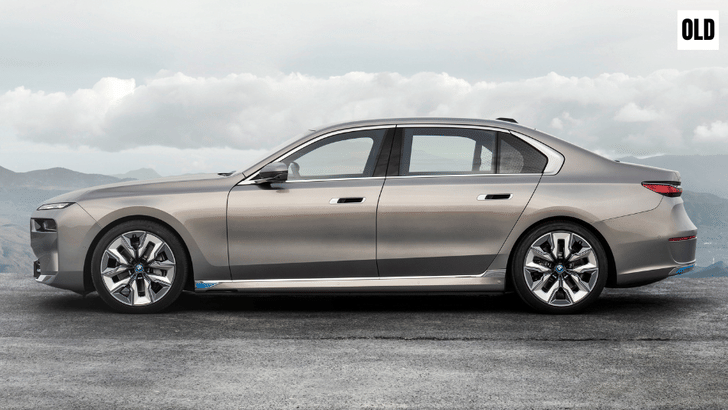
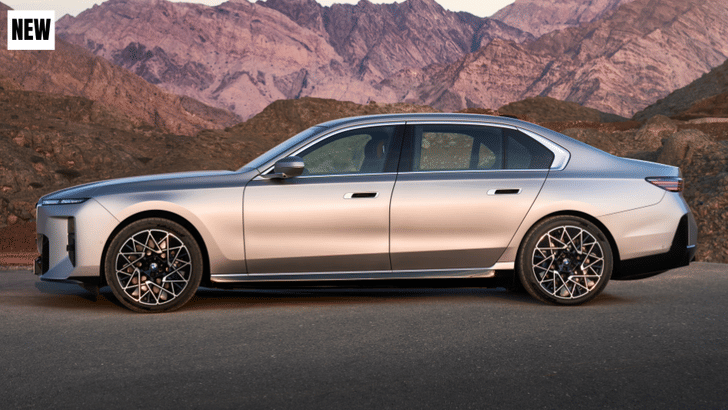
In profile, the facelift retains the clean and simple design. The door handles continue to be flush with the body, giving the surface a clean look. The trim around the handles is finished in Satin Aluminium, and the wheel design has been reworked. The B-pillar also has a visible embossed “7” when both doors on one side are opened.
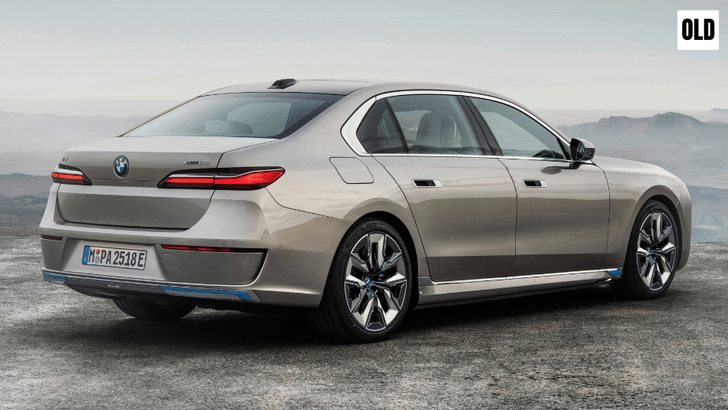
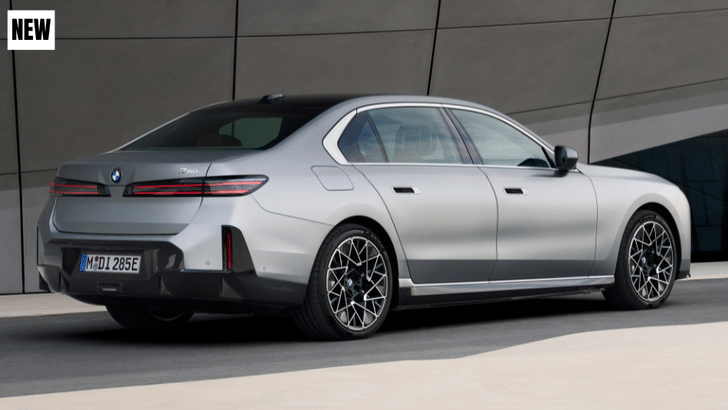
The rear gets new tail-lights, and this is one of the most obvious changes compared to the old model. They are slimmer, stretched further into the body and give the car a wider look. BMW has also used chrome detailing inside the lamps and smoked glass for a darker finish. Like at the front, many technical bits, such as the boot release, rear camera and washer nozzle, are tucked away. The rear bumper also gets a diffuser-like trim for a more modern look.
2026 BMW 7 Series vs old model: Interior and features
The facelifted 7 Series gets a 17.9-inch central touchscreen, a 14.6-inch front passenger display and a projection across the full width of the windscreen’s base in contrast to its predecessor’s dual-screen setup. The touchscreen runs BMW’s Operating System X, supports over-the-air updates, wireless Apple CarPlay and Android Auto and gets improved voice control. The four-spoke steering wheel is also new, inspired by classic BMW cars. The centre console has crystal-type controls for the engine start/stop button, gear selector and volume control. There is also an illuminated cup holder and a smartphone tray with wireless charging.
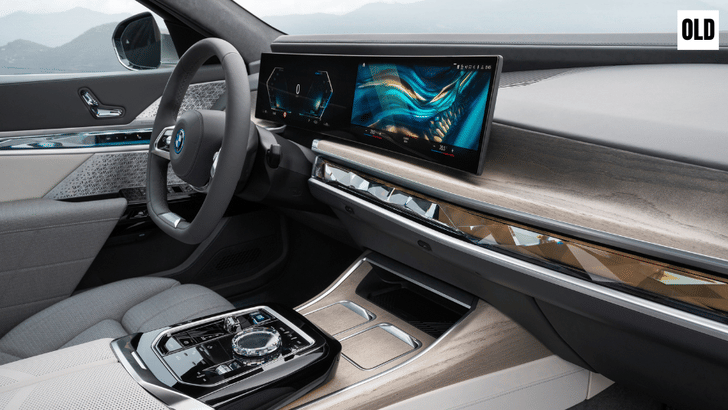
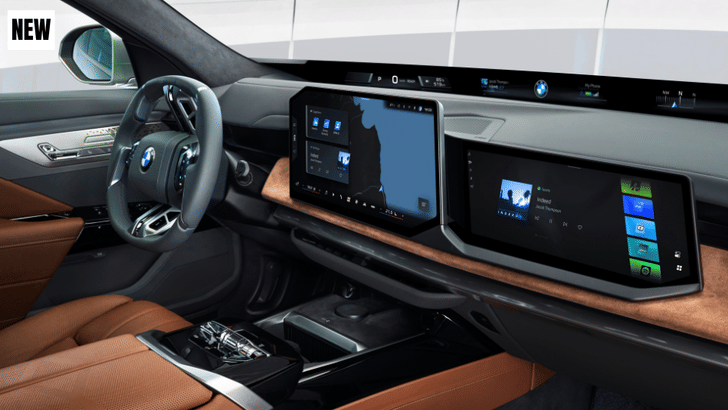
The 2026 7 Series comes with a Bowers & Wilkins Diamond Surround Sound System as standard, 4D audio and Dolby Atmos. The carmaker has added a new lighting setup inside the car. There is a full-width ambient light strip across the cabin, lighting elements behind the front seats, illuminated rear-door speaker covers and extra reading lights in the back. The optional panoramic glass roof also gets LED lighting with a graphic pattern. As per BMW, the lighting changes with the selected driving mode.
As for interior trim choices, the regular 7 Series models come standard with a fine oak wood trim and are available with either a black-and-brown or a black-and-white theme with leather-upholstered seats. Other options include carbon-fibre and cashmere trims.
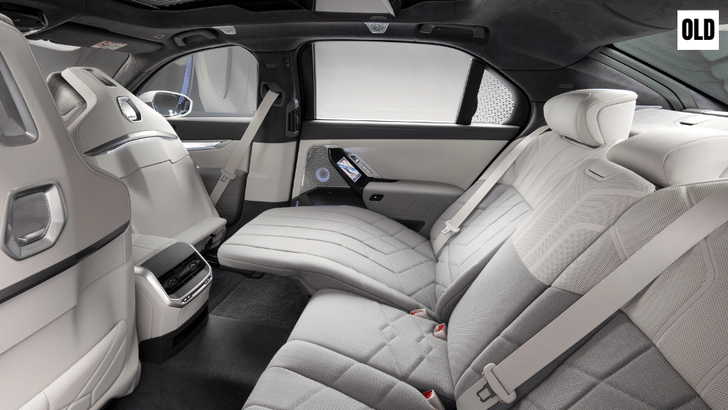
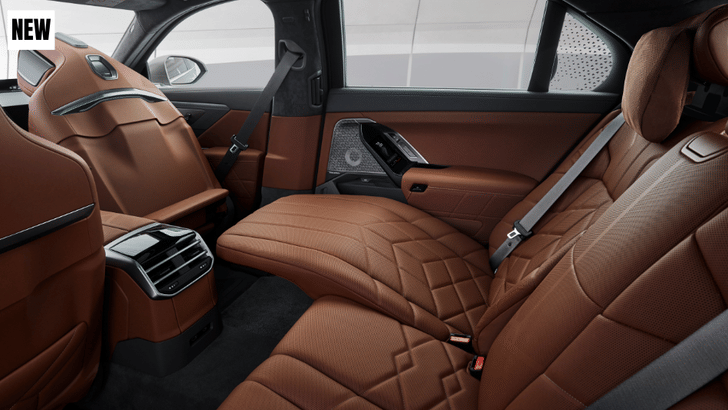
Standard seats come with electric adjustment, heating, massaging, armrest heating, lumbar support and active ventilation. At the rear, BMW offers Executive Lounge Seating with a leg rest, a heated centre armrest and a more relaxed seating position. The front passenger seat can move fully forward to create more room for the rear passenger behind it. The rear gets a major update, too. The optional Theatre Screen is now a 31.3-inch 8K touchscreen and can be used for video calls, streaming and gaming.
The rear doors get updated screens that let passengers move these units, change the viewing angle and control other functions. The facelift also brings new automatic doors with better-placed open and close buttons. BMW says they work with a touch of the flush-fitting handles and can even be operated through the My BMW app or voice commands.
2026 BMW 7 Series facelift vs old model: Powertrains
7 Series petrol and diesel
With the facelift, the ICE-powered 7 Series has dropped the diesel engine and is now a petrol-only model. The new 740 does without the ‘i’ suffix and now makes 400hp and 540Nm, which is up by 19hp and 20Nm over the outgoing car.
i7 EV
For the electric i7, the biggest change is at the entry point. The old rear-wheel-drive 50 eDrive is gone, and BMW now offers a 50 xDrive with all-wheel drive instead. That variant now gets a bigger 112.4kWh battery, up from 101.7kWh, while power has risen only slightly from 449hp to 455hp and torque has gone up by 10Nm to 660Nm. The M70 xDrive also gets a similar battery upgrade. Power has increased by 30hp, from 650hp to 680hp, while torque has climbed from 1,015Nm to up to 1,100Nm.



 Dipan Sur


 Glenn Noronha