
Autocar India
Autocar India
•24w

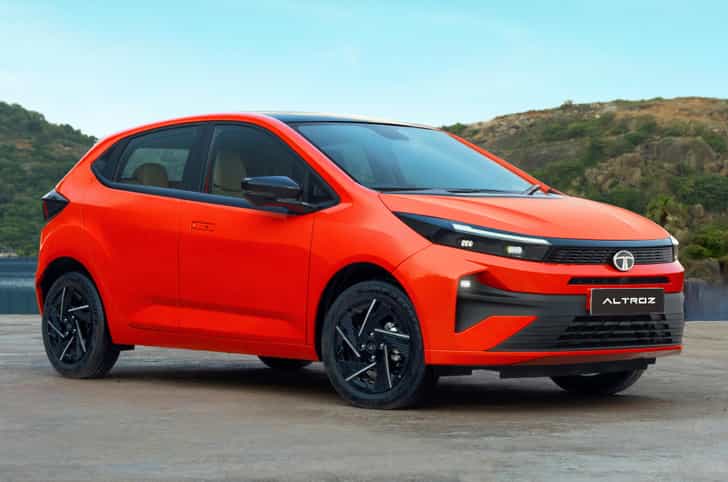
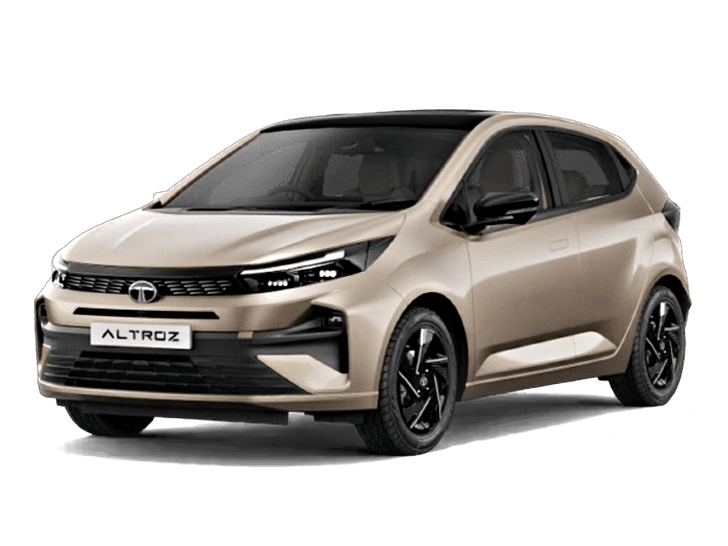
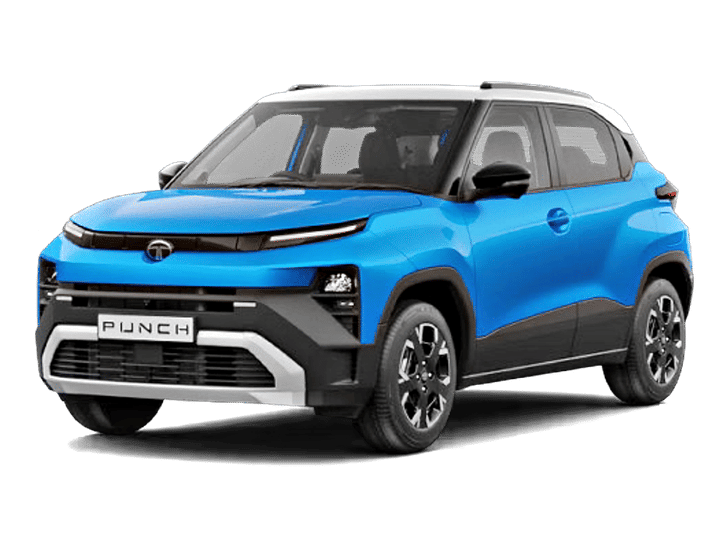
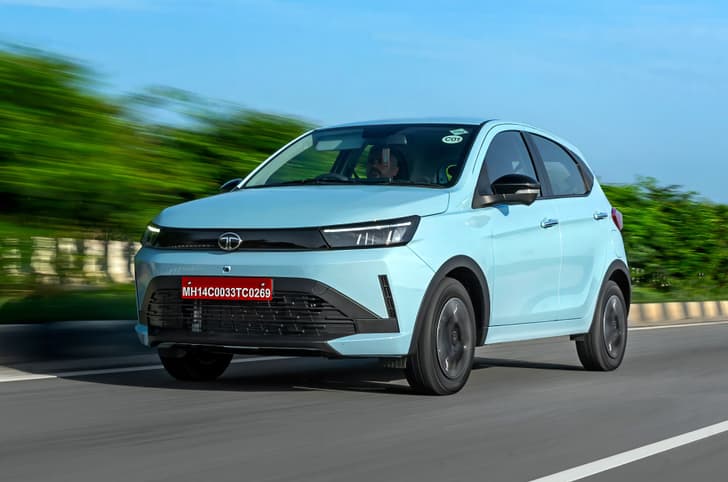
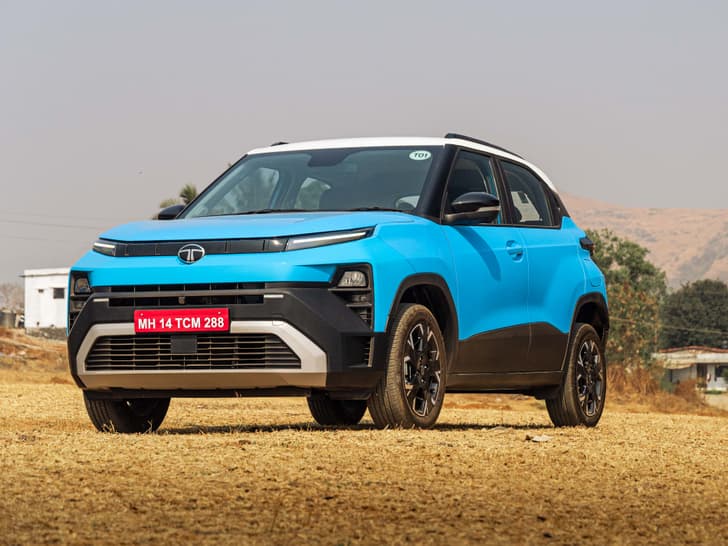
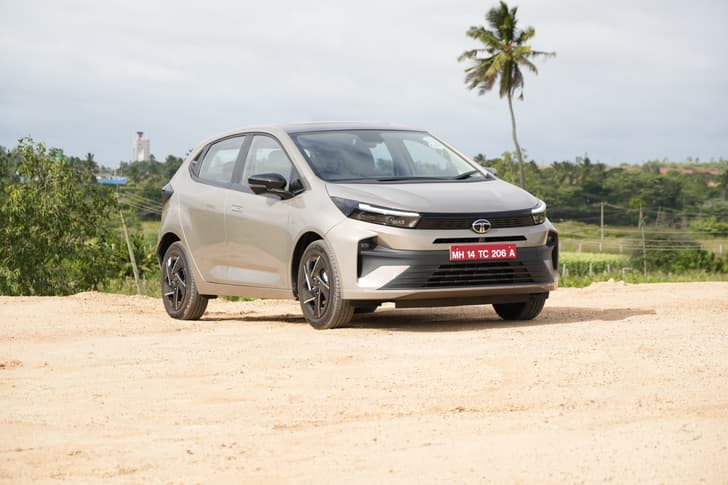
I have a strict budget of Rs 10 lakh. I live in Bangalore and, considering the traffic, I want an automatic car. Under Rs 10 lakh, should I go for the Tata Punch, Altroz, Nexon Smart or something else? My priorities are safety, an automatic gearbox and decent mileage. Also, please advise considering the ethanol-blending scenario, as that is something I am really concerned about.

Verified
•23w
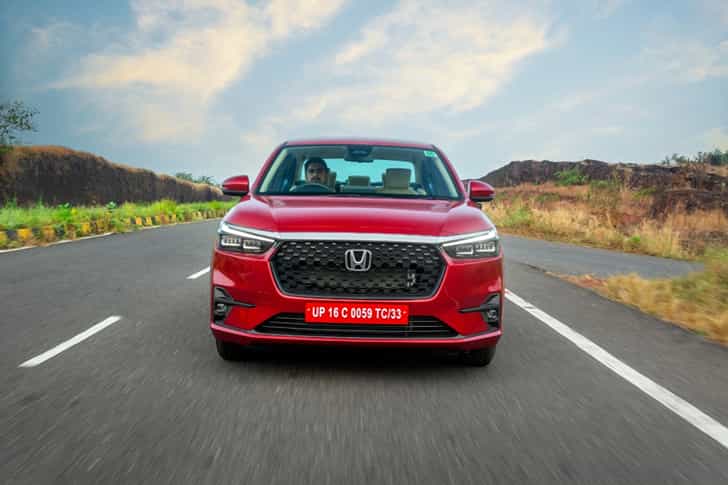
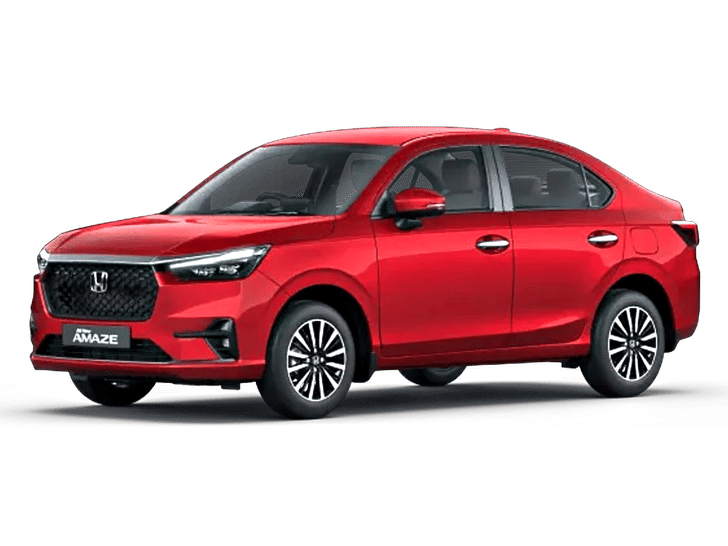
The Honda Amaze V CVT would actually be the strongest recommendation here, even if it stretches your budget slightly. For Bangalore's traffic, the CVT automatic is significantly smoother and more pleasant to use than the AMTs offered on cars like the Punch and Altroz. The Amaze is also comfortable, easy to drive, fuel efficient and backed by Honda's reputation for reliability. Safety is solid, and there are no concerns regarding ethanol-blended fuel as the car is designed to run on the fuels currently available and planned for India.
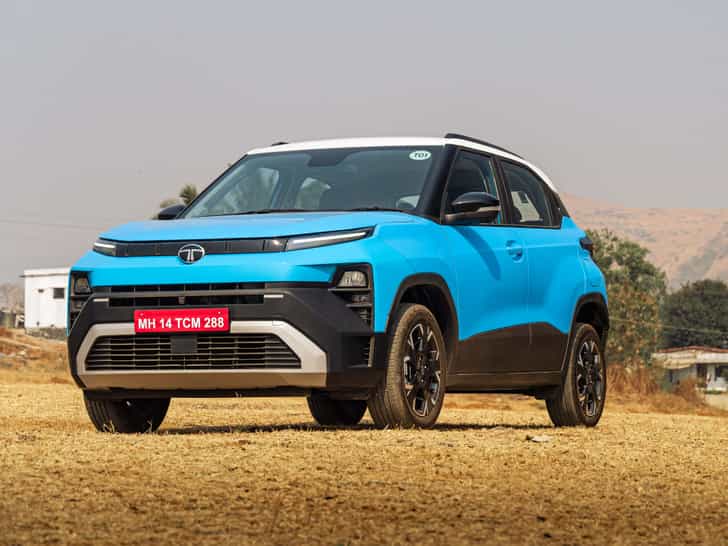
If the budget to buy automatic car is absolutely non-negotiable, then the Tata Punch facelift AMT would be the alternative to consider. It offers a strong safety package, a commanding driving position and good practicality for city use. Just keep in mind that an AMT will never feel as smooth as the Honda's CVT in stop-start traffic.
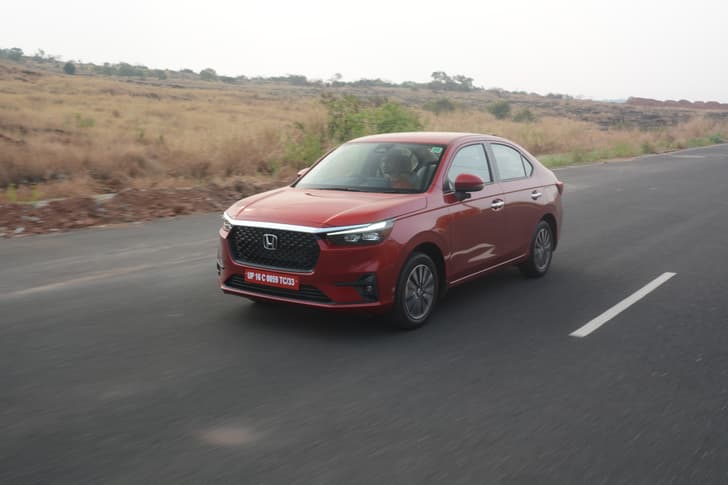
Honda Amaze

Honda Amaze

Still have more question?

Get answers from Autocar experts and owners


  • 9,000+discussions
  • 20,000+users online
  • 10,000+members

More posts on similar cars

•4d

Dear Autocar India Team, I need your expert advice on whether switching to a diesel or strong hybrid automatic car makes financial sense given my high monthly running. My Current Cars: 1. Hyundai i20 Asta (O) Petrol Manual - 9 years old, 81,000 km, good condition (currently a backup car). 2. Honda Amaze VX Petrol Automatic - 2 years old, 43,000 km, good condition. My Requirements: - Monthly running: 3,000 km (approximately 36,000 km annually). - Driving pattern: 90% highway. - Transmission: Automatic only (manual not possible due to a knee issue). - Budget: Rs. 12-14 lakh. No ADAS required. Not a fan of fancy features like Sunroof etc My Questions: 1. Is switching to a diesel automatic or strong hybrid genuinely economical for my usage? 2. Which option offers better long-term savings considering fuel, maintenance, depreciation and resale value? 3. Should I sell my i20 or Honda Amaze to fund the upgrade? 4. Which automatic car would you recommend within my budget? Since both my existing cars are in good condition, I want to make a financially sensible decision rather than upgrade unnecessarily. Or Should I continue with the same cars. My first car was sold by me after using 180000 km Maruti Astar. Looking forward to your unbiased expert recommendation. PRATHAMESH from Ratnagiri, Maharashtra

Verified
•2d

At your running of around 3,000km a month, a diesel automatic does make financial sense, particularly with 90% of your driving on highways. Cars such as the Hyundai Venue and Kia Sonet offer diesel automatic options within your budget. However, modern diesel engines paired with torque converter automatics do not necessarily deliver a sufficiently large efficiency advantage over your existing petrol automatics to justify changing cars purely for fuel savings.We would actually suggest considering a strong hybrid instead. If you are willing to sell one of your existing cars and increase your budget, the Maruti Suzuki Victoris strong hybrid and the Renault Duster hybrid are worth looking at. While strong hybrids deliver their biggest efficiency gains in city driving, they will also prove to be considerably more efficient than conventional petrol automatics or diesel automatics on highways. The Victoris or the Grand Vitara, in particular, offers a good combination of efficiency and ownership convenience.As for your existing cars, the two-year-old Amaze is still relatively new and in good condition, while the i20 has already served you for nine years. If you decide to upgrade, selling the i20 and retaining the Amaze as a backup would be the more logical approach.

VehicleHyundai Venue
VehicleKia Sonet
VehicleMaruti Suzuki Victoris
VehicleRenault Duster
VehicleMaruti Suzuki Grand Vitara
VehicleHonda Amaze
VehicleHyundai i20
•2d

Hi Team, thanks for your AAA videos. I previously owned a Tata Altroz but had to sell it due to back pain, as road undulations and uneven surfaces were directly felt through the seat and affected my spine, particularly after three years of ownership. I am 6ft tall with a broad build, and my budget is Rs 15-20 lakh, although I am flexible on both budget and powertrain. Strong build quality, safety, long-term reliability and a good warranty are essential for peace of mind. I am looking for a five-seater that can comfortably accommodate a baby (0-5 years) in a child seat and two average-built adults (around 5.5ft tall) in the second row, while also offering a good-sized boot. My driving is predominantly in the city, with weekend trips twice a month, during which all five seats will be occupied and the baby seat will be used. Would a sub-four-metre SUV or a compact SUV be able to meet these requirements, or would an MPV be a more practical choice? The current MPV options seem limited, and I am also concerned about their build quality and safety reputation. I would appreciate your suggestions.

Verified
•1d

With a child seat in place most cars aren't going to be comfortable to accomodate two adults in the rear seat. Still, if you wish to purchase a five-seater, consider an SUV with a wide backseat, such as a Tata Harrier Pure X Turbo-petrol-manual. This version is priced under Rs 20 lakh on-road, and is likely to be a logical upgrade from your Altroz. Entry-level turbo-petrol-manual variants of the three-row SUVs like the Mahindra XUV 7XO and Tata Sierra will also be in your budget.

VehicleTata Altroz
VehicleTata Harrier
VehicleTata Sierra
VehicleMahindra XUV 7XO

Has E20 fuel affected your mileage?

Still have more question?

Get answers from Autocar experts and owners


  • 9,000+discussions
  • 20,000+users online
  • 10,000+members

Is ADAS worth paying extra for in a car?

Popular discussions right now

•1w

I am a humble yet extremely satisfied owner of a 2018 Renault Duster Petrol CVT (top-end variant). The car has covered nearly 80,000 km, and I have driven it extensively on highways with my entire family, including senior citizens. It has been an incredibly dependable companion with practically no mechanical or technical issues. The Duster has also accommodated our rather unusual travel companion – a large Siberian Malamute-Husky mix! The parcel tray has long since disappeared to make room for the dog. Now, I am considering an upgrade, primarily because the Duster is not E20-compliant. My maximum budget is Rs. 33 lakh. I have shortlisted three options: Kia Sorento: My preferred choice, but the HTK variant reportedly costs around ₹40 lakh on-road, which takes it well beyond my budget. Mahindra XUV 7XO AX7T: This looks like excellent value for money, but reports of electronic glitches and other ownership issues are making me hesitant. Having experienced the Duster’s suspension, I am also not entirely convinced by the claims surrounding Mahindra’s new DaVinci suspension. Jeep Meridian: In many ways, this feels like the natural progression from the Duster in terms of its SUV character and road-going capabilities. However, reports of reliability and technical issues are making me think twice. Here is my dilemma: The Duster has set a very high benchmark for me. I want a vehicle that gives me the same confidence on highways, broken roads, and long-distance family journeys. I do not want to spend Rs. 30-33 lakh only to become a regular visitor to the service centre, dealing with electronic glitches, software issues, or mechanical niggles. So, what would you recommend? Should I simply fix the minor issues in my Duster and drive it for another 20,000 km or so? Is there a genuinely dependable upgrade within Rs. 33 lakh? Am I overthinking the reported problems with the XUV 7XO and Jeep Meridian? Should I stretch my budget for the Sorento, or is that financially difficult to justify? I am not looking for the most feature-loaded SUV, the biggest touchscreen, or the longest feature list. I am looking for something that inspires confidence, has a well-sorted suspension, is mechanically dependable, is comfortable for senior citizens, and can handle long highway journeys without drama. My Duster has spoiled me with its reliability. I just want my next SUV to live up to that benchmark.

Verified
•5d

The Mahindra XUV 7XO diesel-automatic is a fantastic SUV with an excellent powertrain and impressive driving manners. It will feel like a huge step up over your outgoing Renault Duster - body movements are well-contained, it feels stable at highway speeds, and it feels tough while dealing with bad and broken roads. Yes, due to the over-reliance on software some owners have experienced occasional glitches, however Mahindra swiftly rectifies these niggles. Overall, the car is mechanically sorted, so if you're considering it, this is one of the most value-for-money offerings in that price range.Alternatively, since you're not particuarly looking for a long features list, consider opting for the entry-level Kia Sorento HTE diesel DCT version instead of the top-spec HTK (A) variant. The diesel engine is strong, drive experience is smooth, and its ride quality is certainly impressive. This Kia car will feel even more sophisticated than the XUV 7XO, and given your requirements, this is what we'd recommend.

VehicleMahindra XUV 7XO
VehicleRenault Duster
VehicleKia Sorento
•2d

Hi, I am currently driving a 2017 Honda WR-V i-DTEC. Due to restrictions in Delhi-NCR (although I am not exactly living in Delhi, Noida or Gurgaon), I want to switch to a petrol automatic car. I have Duster 1.3 Adventure DCT and Seltos HTK(O) DCT in mind. What is your take, or can you sugget any other car considering 1000km of monthly running which is 65% within city and 35% on highway. Most highway trips are with my family of 4.

Verified
•2d

Both your shortlisted choices are excellent options, each with their pros and cons. The Duster is the more interesting and exciting choice, with its punchier, more characterful turbo-petrol engine, comfier ride quality and more engaging handling dynamics. The Seltos, however, excels on space, interior quality and technology and ease of manoeuvrability, with slightly better real-world fuel efficiency numbers. There is one small advantage the Duster has is that its DCT gearbox is a wet-clutch unit, as opposed to the dry-clutch DCT in the Seltos. This allows it to be a bit smoother off the line and more resistant to overheating in stop-and-go traffic conditions. The difference is small, but noticeable, and given your largely city-focused use, this could make a difference. However, you could alternatively opt for a CVT-equipped compact SUV like the Seltos 1.5, the Hyundai Bayon or even the Honda Elevate, which provide a much smoother gearbox experience around town, at the cost of some highway performance on your occasional trips with your family.

VehicleRenault Duster
VehicleKia Seltos
VehicleHyundai Bayon
VehicleHonda Elevate

Upcoming launch buzz

Community discussions on upcoming launches
Add a photo of your Altroz

First sightings, real road conditions, delivery buzz

Posted on: 12 Jun 2026