VinFast VF5 Launch Today?


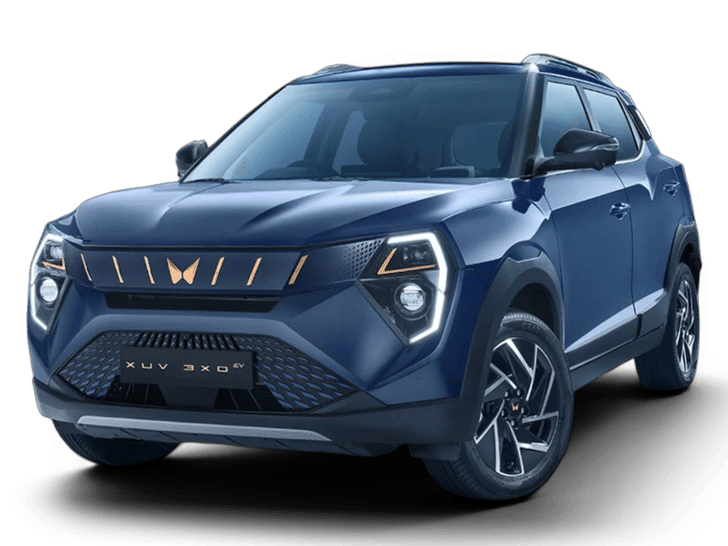
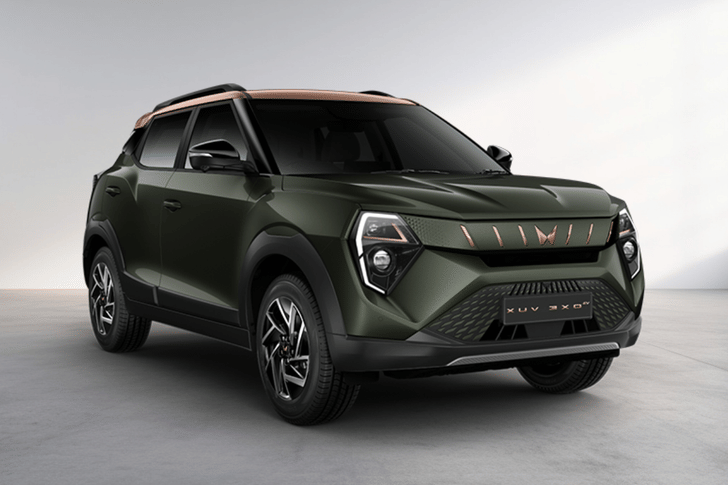
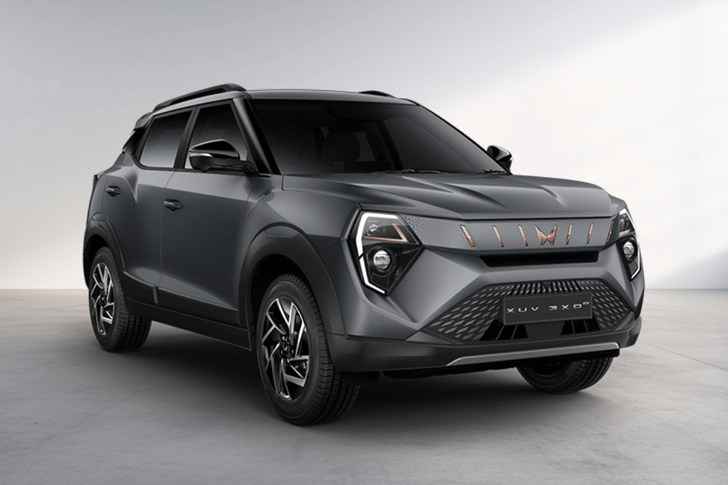
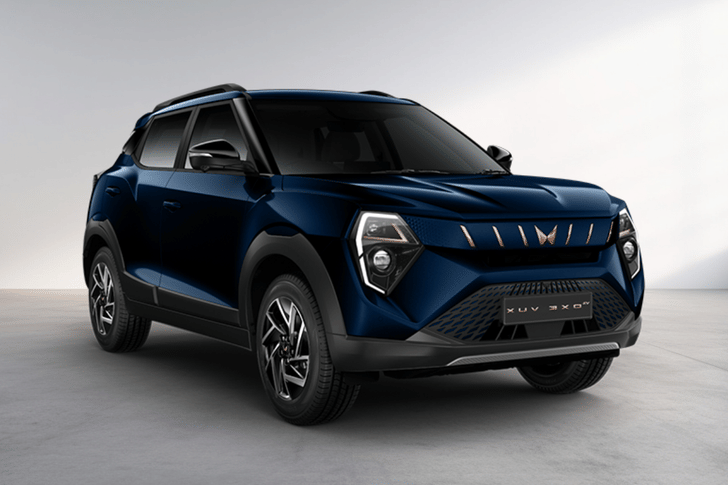
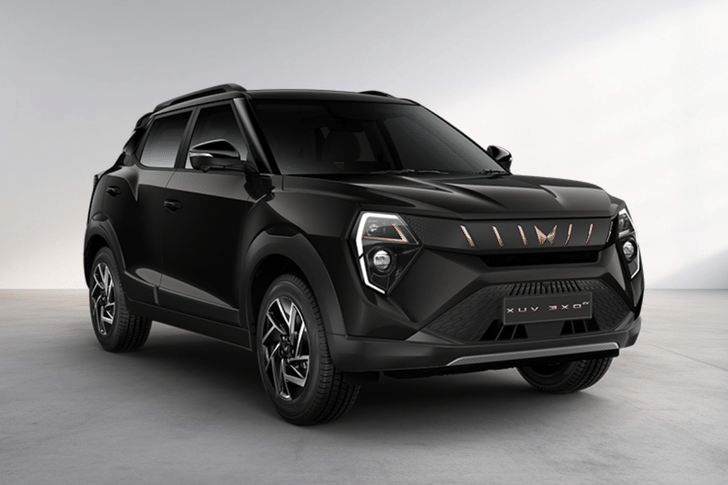
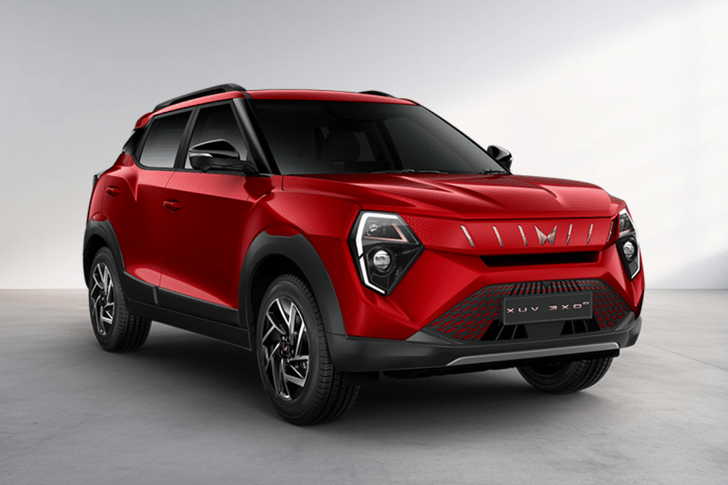
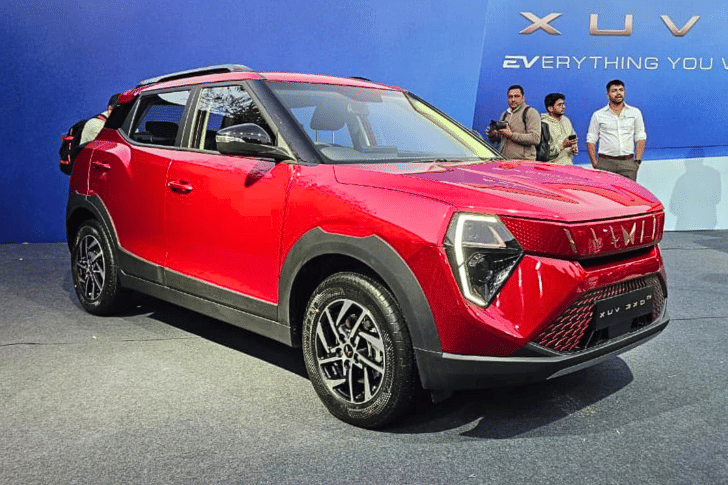
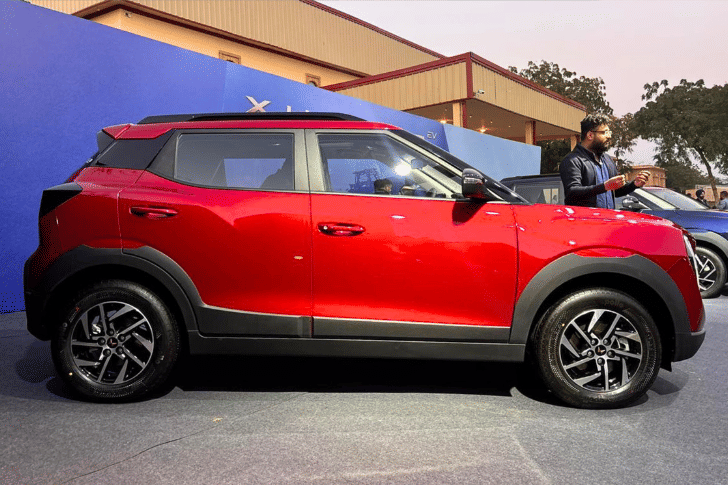
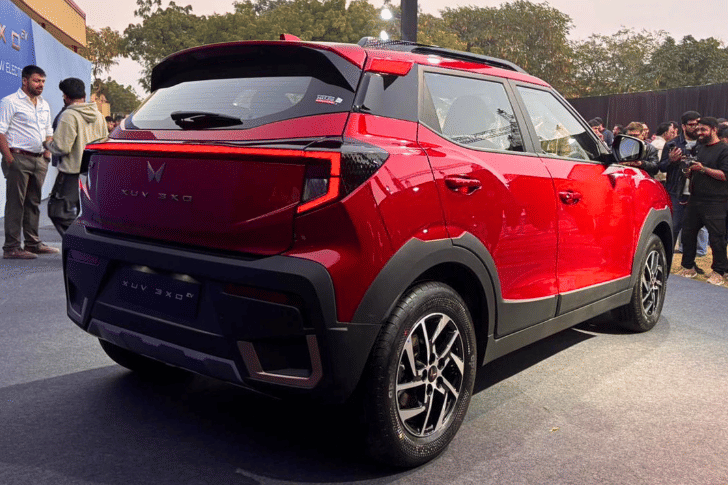
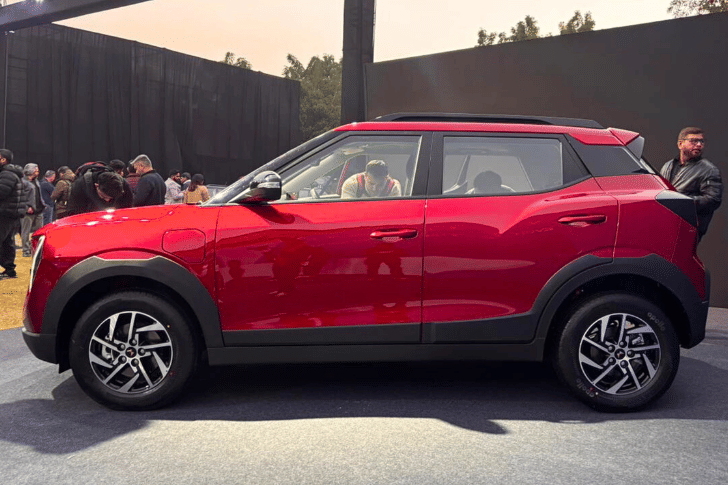
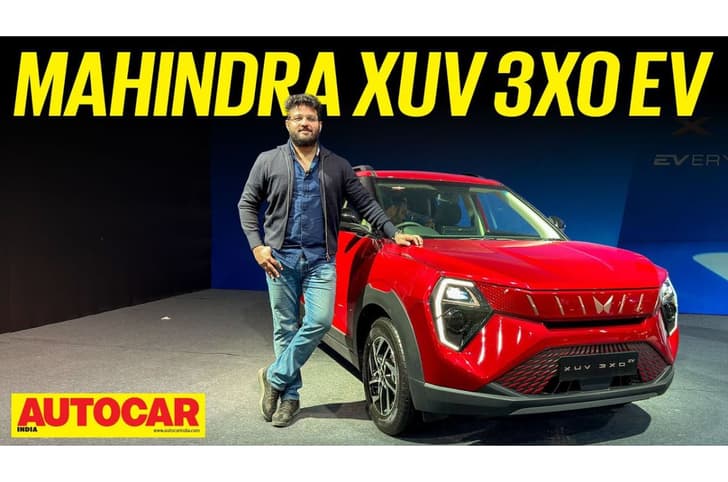
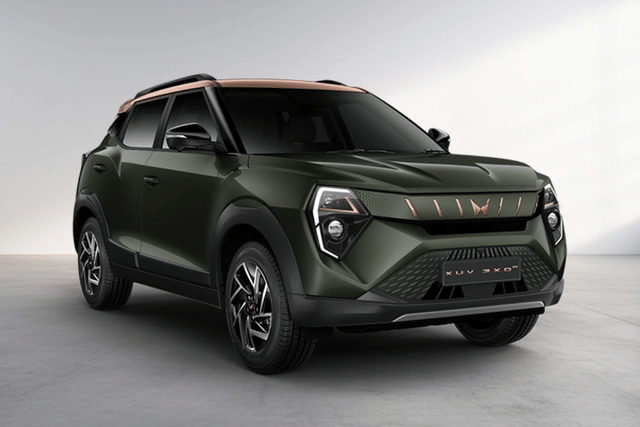
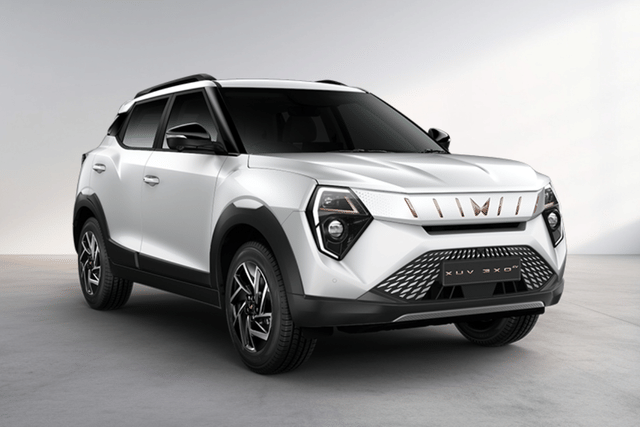
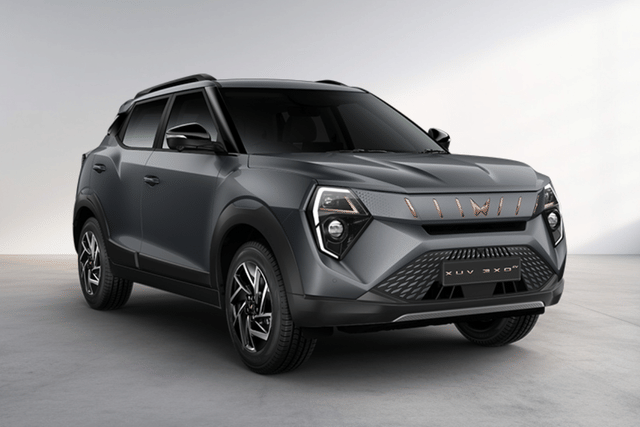
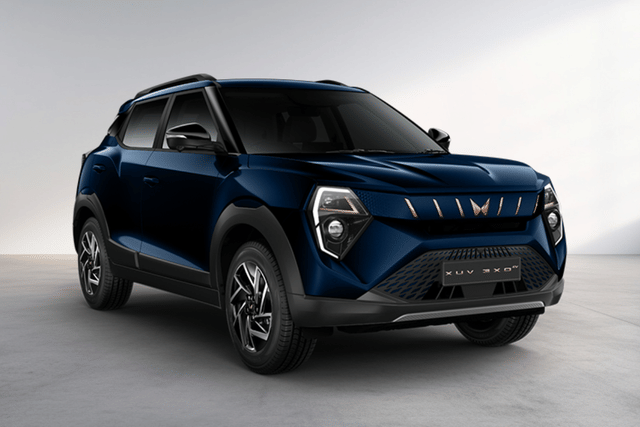
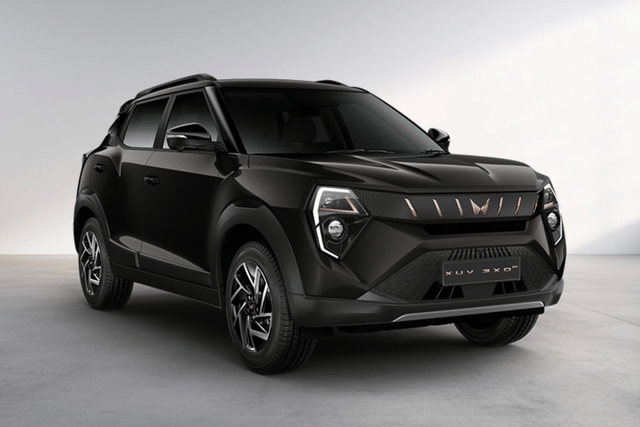
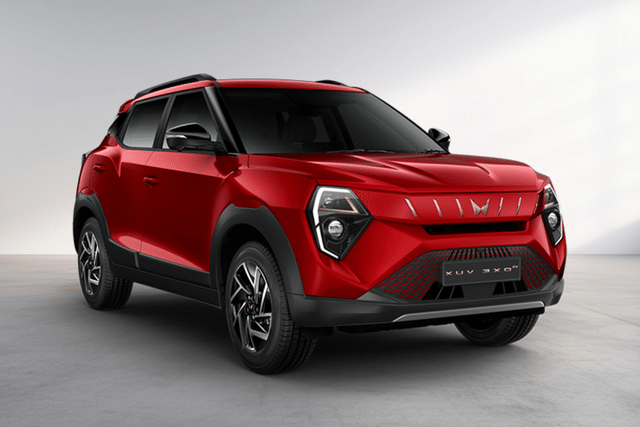
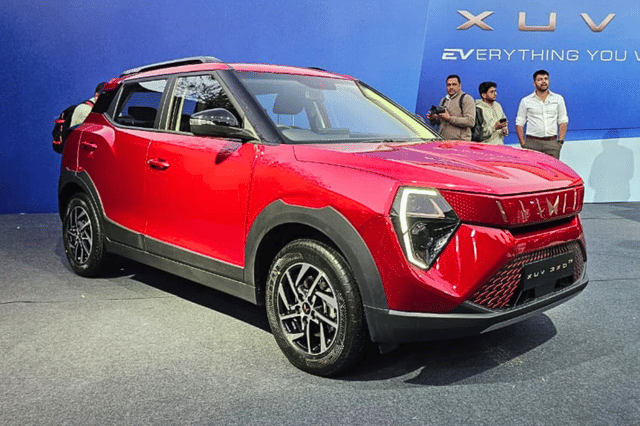
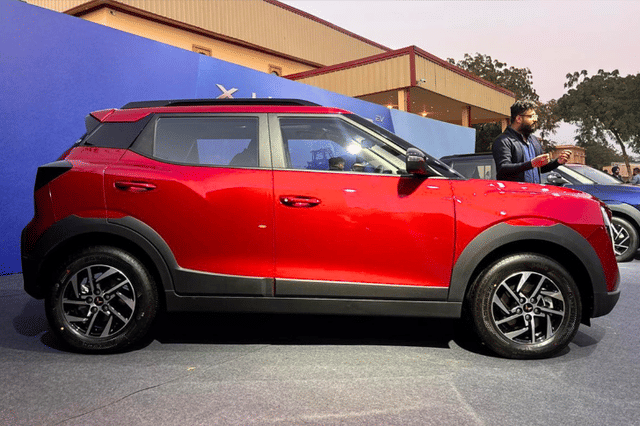
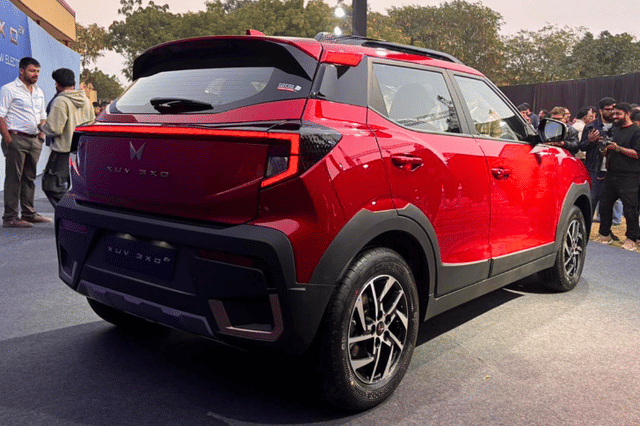
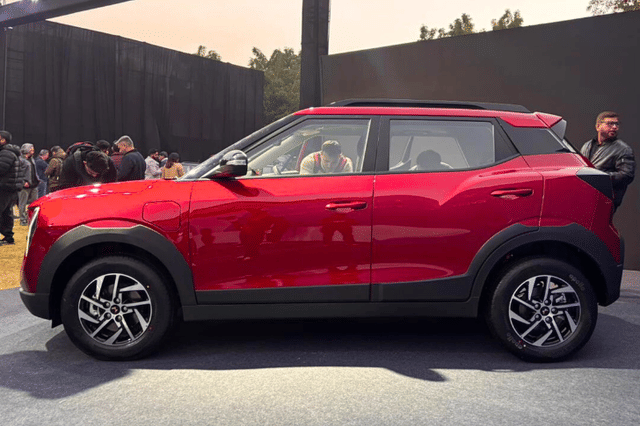
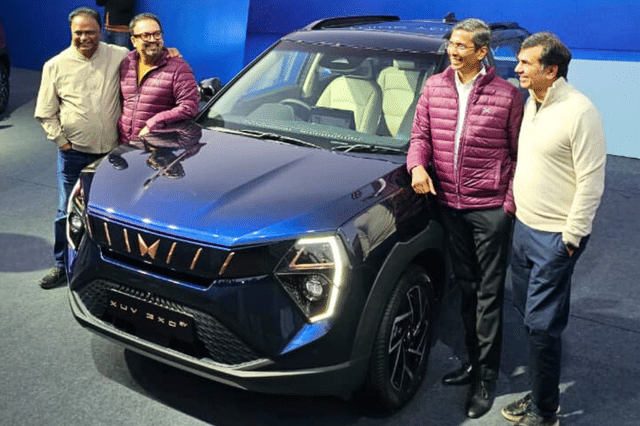
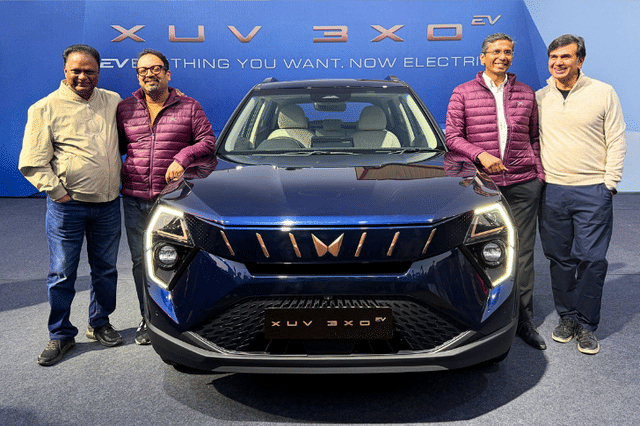
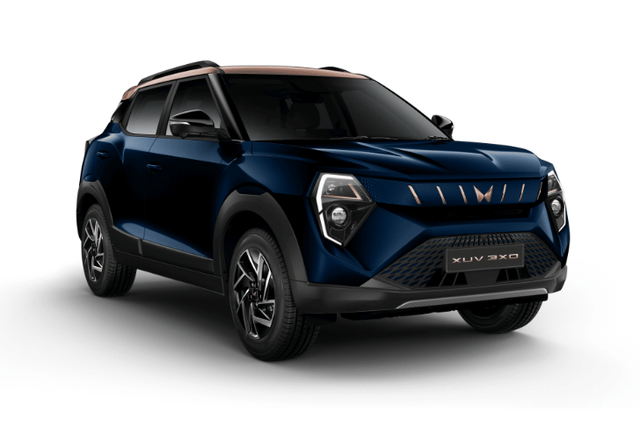
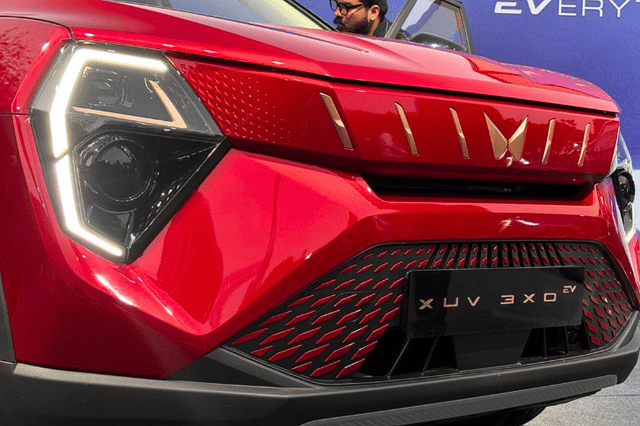
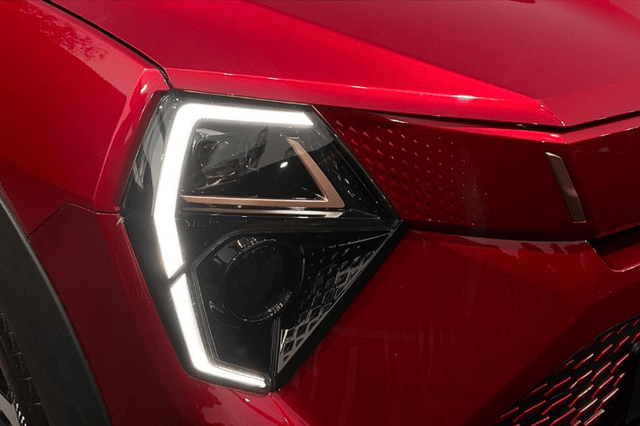
Mahindra XUV 3XO EV price in Nimapara
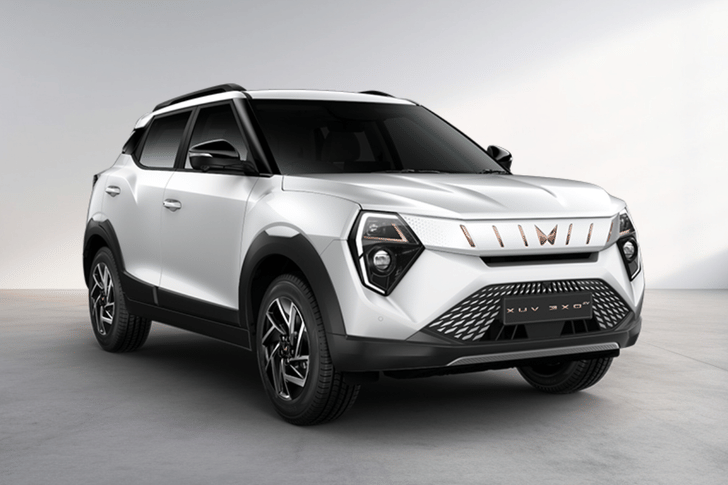
The Mahindra XUV 3XO EV on road price in Nimapara ranges from ₹14.73 lakh for the base model to ₹15.86 lakh for the top variant (including all taxes, RTO fees, and insurance). In comparison, the ex-showroom prices in Nimapara are between 13.89 lakh and ₹14.96 lakh.
* Estimated on-road price. Final amount may vary.
Planning to buy XUV 3XO EV? Here are a few dealers in Nimapara
Nimapara, Near New Bus Stand, Puri, Odisha 752106
The Mahindra XUV 3XO EV AX5 costs ₹14,72,939 on-road in Nimapara. At 9.00% interest for 7 years, your estimated EMI is ₹21,333 per month.
Tell us about your experience
Mahindra XUV 3XO EV Official Brochure
Download the complete brochure with specs, features, and variants.
Hear from the
Join the Discussions

Get answers from Autocar experts and owners
I drive a Polo GT TSI. Now, I am looking to buy an EV, mostly for city use as an add-on car for my wife and me. Looking at the XUV 3XO EV, seems cheaper than its ICE option. Need your opinion. My budget is 20L.
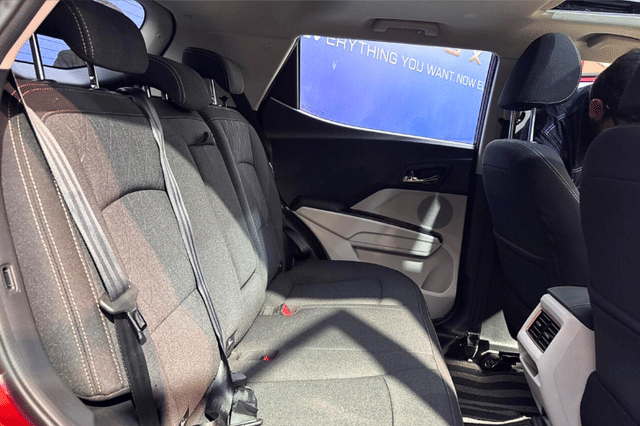
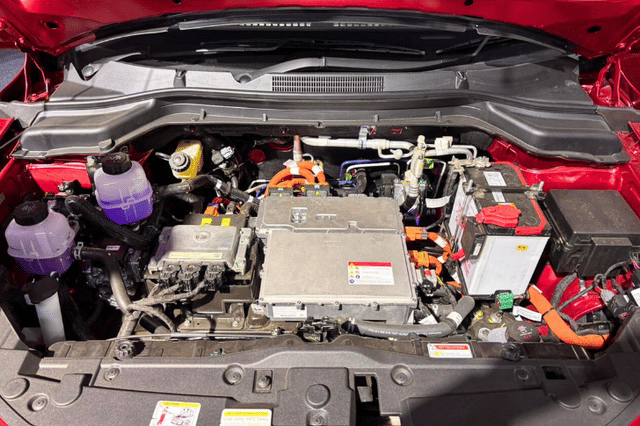
For your usage as a second car that will spend most of its life in the city, the Tata Punch EV Long Range would actually be the first choice. It is compact, easy to manoeuvre, offers more than enough range for daily duties and is based on a dedicated EV architecture rather than an ICE conversion. It also gets a modern feature set and feels purpose-built as an electric vehicle.If you want something larger and more spacious, the MG Windsor EV is the alternative to consider. It offers exceptional cabin space and comfort, and feels like a segment-above product for the money.As for the Mahindra XUV 3XO EV, it carries over the 39.4kWh battery pack and electric motor from the XUV400, rather than using the newer INGLO-based technology seen on the BE 6 and XEV 9e. So while it benefits from the new 3XO interior and feature set, the underlying EV hardware is not all-new.
I am currently using a 2024 VW Virtus 1.5 GT (electric seats variant) and have completed 16,000 km. My current monthly running is around 1,000 km, mostly in the city. Should I continue with this car or switch to an EV? My Virtus has an online resale value of around Rs. 14 lakh, and I do not want to spend more than Rs. 3-4 lakh over its resale value. Please suggest whether I should buy an EV within this budget or continue with the Virtus.
If you enjoy driving, we'd recommend you stick with your Volkswagen Virtus 1.5 GT. At 16,000km and a 1,000km/month usage pattern, mostly in the city, the car is still relatively new and well within its prime ownership window. The 1.5 TSI is a strong, efficient engine and the Virtus is a genuinely enjoyable car to drive, especially in urban conditions where its size and performance are well suited. Your budget of Rs 14 lakh resale plus Rs 3-4 lakh extra puts you in the Rs 17-18 lakh range, which limits your electric car options to models like the Tata Nexon EV, Mahindra XUV 3XO EV, MG Windsor and Kia Syros EV. While these are competent cars, they will not feel like a meaningful upgrade over the Virtus in terms of overall ownership experience. The financial case for switching to an EV at this stage is also weak given the depreciation hit you would take on a nearly new car. Unless you have a strong desire to go electric, it makes more sense to continue with the Virtus for a few more years and revisit the EV decision when your usage pattern or the EV market justifies it.
With reference to my previous query, could you please advise how the Mahindra XUV 3XO diesel-AMT compares with the XUV 3XO EV for a monthly running of approximately 2,000km, primarily on hilly roads (80% highway and 20% city driving)? Which would be the better choice within the same budget of Rs 9-14 lakh, considering running costs, performance, practicality and long-term ownership?
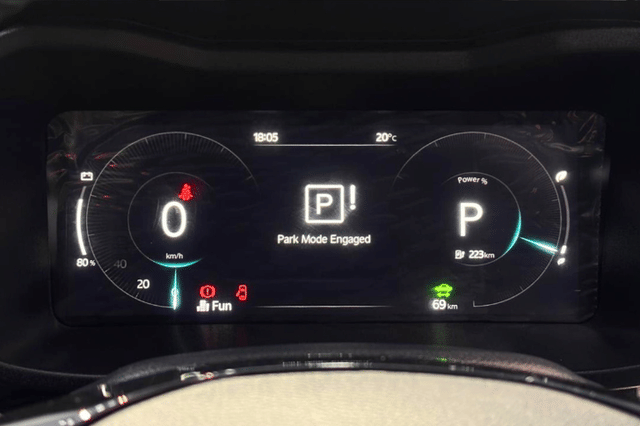
Do keep in mind that real-world efficiency will drop significantly in hilly regions, so factor the worst-case range of around 200- 220 km before making a decision. Despite that, if your daily commute is around 70- 80 km, and if you have a home charger, the Mahindra XUV 3XO EV could still be a good option. Not only will running costs be much lower than the XUV 3XO diesel-AMT version, but even the drive experience will be much smoother and far more seamless.
I travel 100 km daily through the city during peak hours. My budget is Rs. 10-15 lakh. What is your review of, or recommendation for, the Mahindra XUV 3XO EV?
The Mahindra XUV 3XO EV is a good pick if you can charge at home, because it handles a 100km peak-hour city commute with ease and still leaves a healthy buffer. In real-world city traffic with the AC on, expect roughly 220-250km on a full charge, so an overnight top-up from a 15A socket every second day keeps life simple. The smooth drive, instant torque and strong regenerative braking make stop-go traffic far less tiring.Pricing sits at the upper end of your budget for the base AX5 trim. If you do not want to spend quite that much, you could save a few lakh and get the Punch EV instead. Range from its 40kWh battery will be comparable to the XUV 3XO EV’s 39.4kWh unit. The Punch is also smaller overall, making it easier to squeeze into tight spaces, though the trade-off is a less roomy cabin.Be honest about charging first. If you do not have a fixed parking spot and access to a plug, relying on public fast chargers during peak hours will soon become frustrating, and those charging sessions cost more. If home charging is sorted and your driving is mostly in the city, the XUV 3XO EV is a good choice. If your budget is tight, the Punch EV is the better bet.
Hi, I am planning to buy an electric vehicle and am considering the Mahindra XUV 3XO EV. Since it offers more cabin space and a taller seating position than the Tata Nexon EV, it seems like a better fit for my needs. What are your thoughts on the XUV 3XO EV? Would you recommend it over the Tata Nexon EV?
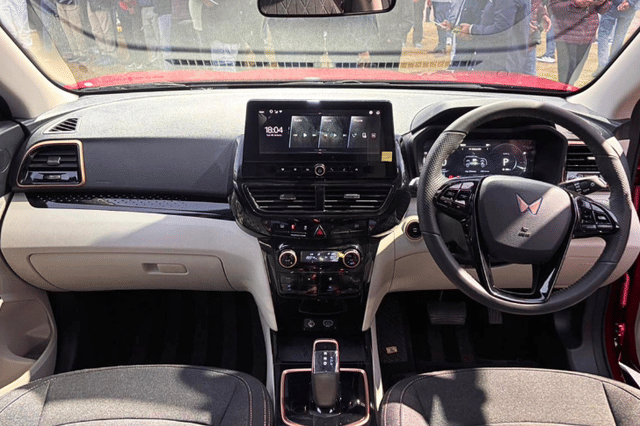
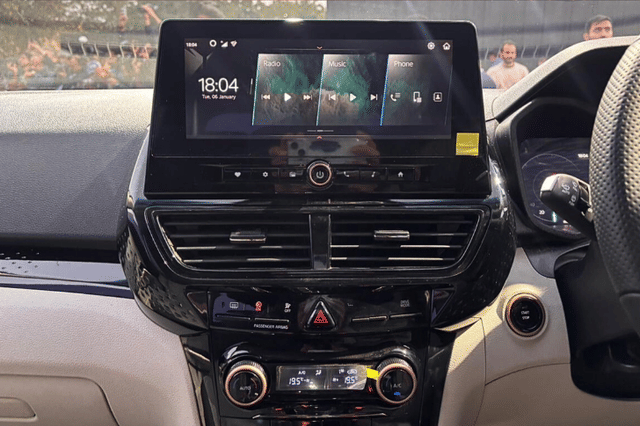
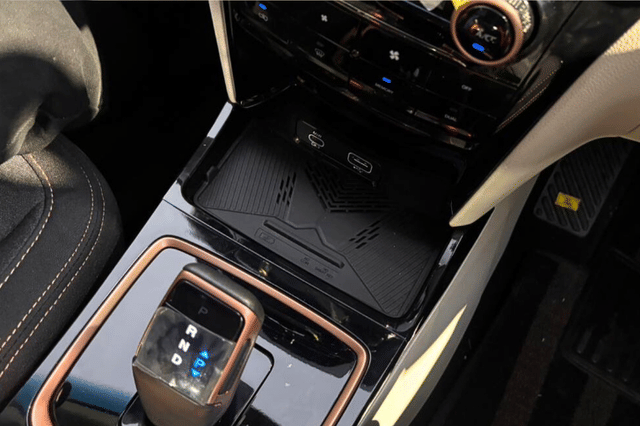
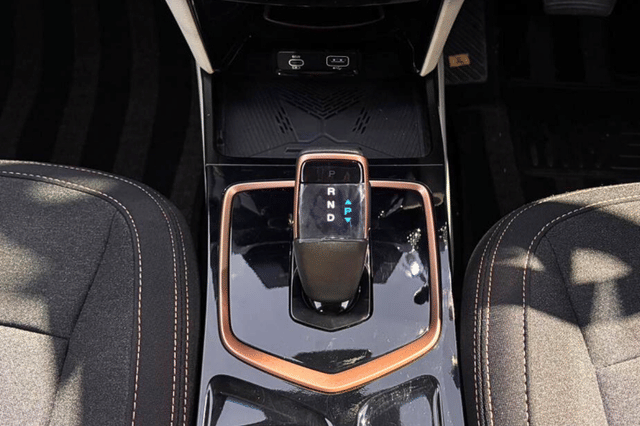
The Mahindra XUV 3XO EV does have a roomier cabin and benefits from the latest 3XO interior, improved ergonomics and a long features list. However, underneath, it is essentially a facelifted XUV400. It carries over the same 39.4kWh battery pack, 150hp motor and front-wheel-drive powertrain, rather than using Mahindra's newer INGLO architecture seen on the BE 6 and XEV 9e. Mahindra itself positions it as the replacement for the XUV400.That means you're buying a car with a much-improved body and cabin, but not an all-new EV platform. The battery size and real-world range also lag behind some newer rivals, so while performance remains strong, the underlying technology doesn't move the segment forward.If your choice is strictly between the XUV 3XO EV and the Tata Nexon EV, we'd still lean towards the Nexon EV. This Tata car benefits from a more modern dedicated EV architecture, offers larger battery options, longer range and has matured into a well-rounded package over successive updates. The XUV 3XO EV's biggest advantage is its more spacious cabin, but that alone isn't enough to outweigh the Nexon's more contemporary electric underpinnings.If you're open to looking beyond these two, the MG Windsor EV remains our top recommendation in this price bracket. It feels like a segment above in terms of cabin space, comfort and overall value, making it the most compelling family electric car unless your requirement is for a more compact SUV.
| Cities | On road price |
|---|---|
Jagatsinghpur | ₹14.73 - ₹15.86 Lakh |
Khordha | ₹14.73 - ₹15.86 Lakh |
Bhubaneswar | ₹14.73 - ₹15.86 Lakh |
Puri | ₹14.73 - ₹15.86 Lakh |
Cuttack | ₹14.73 - ₹15.86 Lakh |
Kendrapara | ₹14.73 - ₹15.86 Lakh |




Last Updated on: 23 Nov 2026