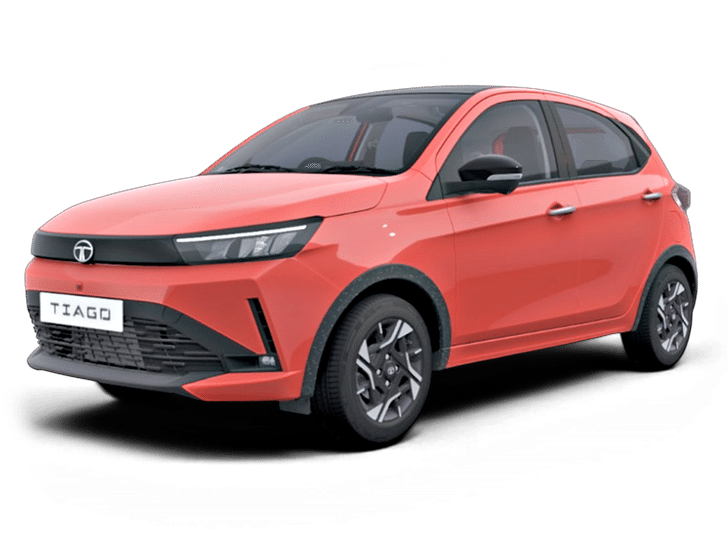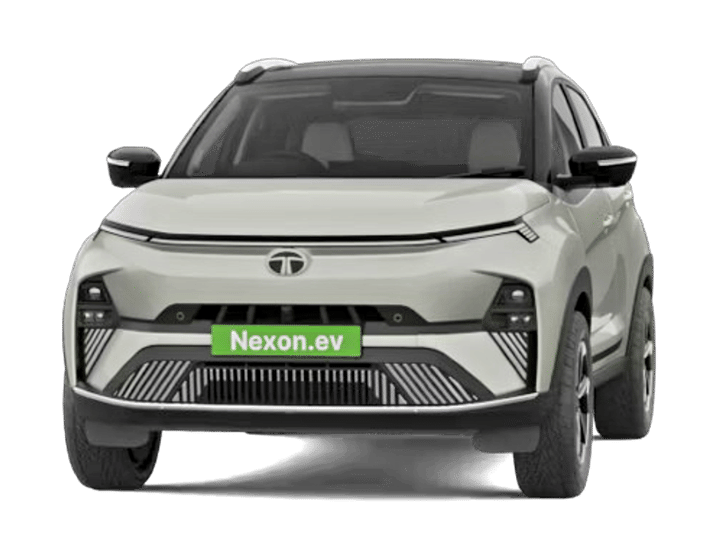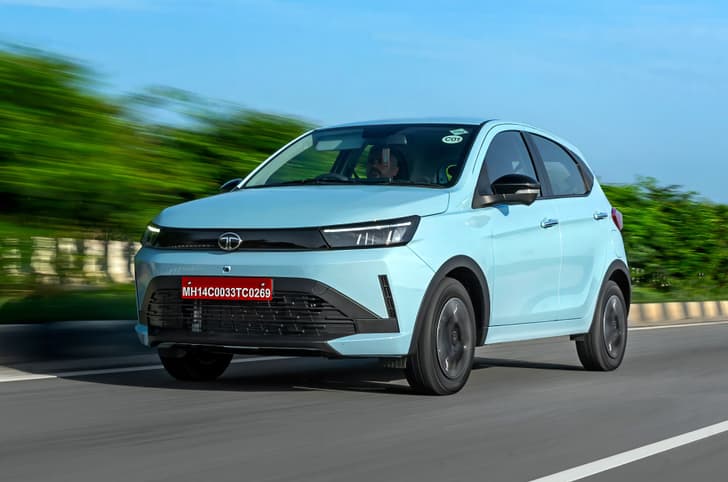



Quality has been something of a moving target for Tata Motors. While its passenger vehicle business has undergone a remarkable turnaround over the past six years, product quality and consistency in after-sales service have not always kept pace with its rapid growth. The carmaker’s domestic passenger vehicle sales have surged from around 1.31 lakh units in FY20 to 6.31 lakh units in FY26. Over the same period, the number of service outlets has grown from 653 to 1,211 – an increase of around 85 percent against a nearly five-fold jump in annual sales.
Separate Corporate Quality function to oversee quality
Tata Motors’s after-sales infrastructure hasn’t been able to grow at the same rate and is playing catch-up as the company hits new sales records every year. Compounding the problem is the increasing complexity of Tata’s products, with multiple powertrains, sophisticated electronics and a growing dependence on software. Tata has also not always been quick enough to respond to customer complaints, allowing issues that could have been nipped in the bud to escalate and snowball into a backlash on social media, denting the brand’s hard-earned gains in perception.
With Tata Motors targeting annual passenger vehicle sales of over 12 lakh units by FY31, addressing these shortcomings has assumed greater urgency and going forward, the company is doubling down on quality with a far more structured approach that cuts across the entire organisation.
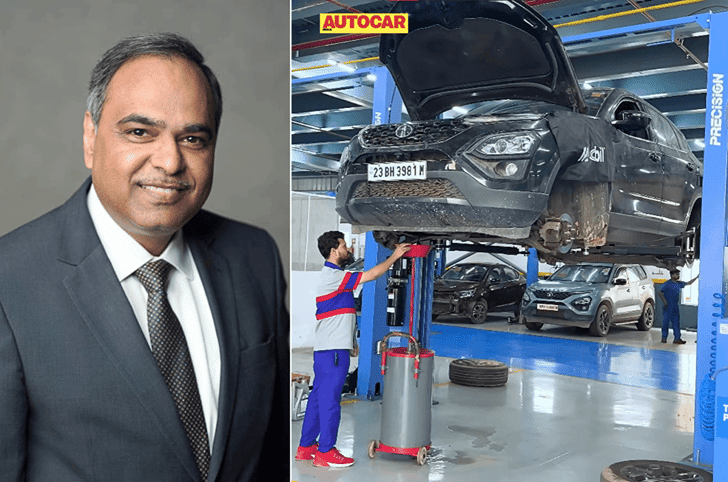
"We have created a separate Corporate Quality function," Tata Motors Passenger Vehicles (TMPV) managing director and CEO Shailesh Chandra told our sister publication Autocar Professional. Significantly, the new quality function reports directly to Chandra and will oversee quality across vehicle design, engineering, manufacturing, sales and after-sales service, giving quality a much higher priority within the organisation.
Quality checks to start earlier
A key shift in Tata Motors’ approach is to catch potential problems at the vehicle development stage itself rather than further downstream, when they are more difficult and expensive to fix. The company has invested in Hardware-in-the-Loop (HIL) and Software-in-the-Loop (SIL) testing, along with more rigorous validation processes drawn from the software industry. These allow hardware and software systems to be tested and potential integration issues identified much earlier in the development cycle.
“These interventions have significantly strengthened software and systems integration robustness, with the improvement in quality increasingly evident in our recent product introductions,” Chandra said. There are already signs that Tata’s quality drive is yielding results. As we previously reported, the company claims to have reduced early-life vehicle issues by nearly 60 percent through more stringent factory quality checks and improved logistics processes.
Service network to grow faster than sales network
Another significant change in strategy is that Tata Motors intends to expand its service network at a much faster rate than its sales network over the next five years, correcting an imbalance that has put its workshops under considerable strain. Chandra said Tata Motors had increased its service network capacity by over 40 percent in the past two years. The company plans to expand its service footprint to over 3,000 outlets by FY31, from 1,211 currently, while its sales network is set to approximately double to 3,200 outlets.
Under its ‘Delivering Delight’ programme, Tata is upgrading workshops, stepping up technician training and introducing AI-based diagnostic tools to identify faults more accurately, reduce repair times and minimise repeat visits.
Customer complaints and service data will also be fed back into engineering, manufacturing and component development teams to identify recurring problems and address their root causes. Equally important will be the speed with which Tata responds to customer grievances, something that has been a weak link in its after-sales experience.
Existing customers to get priority for spare parts
In another notable shift, Tata Motors is prioritising the supply of spare parts to existing customers over the requirements of new vehicle production.
“A customer who has already purchased our vehicle must have the first right to the spare parts required to keep it on the road,” Chandra said. This is particularly significant at a time when surging demand for Tata’s cars and SUVs is putting pressure on its production facilities and supply chain.
Tata is also working to improve roadside assistance through its digitally enabled RSA programme, which Chandra said now achieves a response time of under an hour in over 85 percent of cases. For Tata Motors, which has successfully transformed its fortunes on the back of a strong product offensive, the next big challenge is to make quality and customer service as much a part of its brand appeal as its products. Giving quality a seat at the top table is a significant step in that direction.

 Uday Singh

 Viraaj Bhatnagar