-
Nissan will close plants in Spain and Indonesia
-
Global model count to be reduced from 69 to 55 over three years
-
Nissan’s India operations remain unaffected
Nissan has today announced its four-year transformation plan during which it seeks to substantially reduce its fixed costs. The decision comes after Nissan reported its first annual operating loss in 11 years. The company ended the 2020 financial year with an operating loss of 40.5bn yen (Rs 2,850 crore). With the new plan, Nissan aims to achieve a 5 percent operating profit margin and a global market share of 6 percent by the end of fiscal year 2023.
Fixed cost reductions
Nissan has an annual global production capacity of 7.2 million units. However, the carmaker ended FY20 with global sales of 4.93 million units, down 10.6 percent on the previous year’s figure. In a bid to drive down fixed costs by as much as 300 billion yen (Rs 21,121 crore), the firm will ‘right size’ its capacity, cutting production by 20 percent to 5.4 million units in FY23. Nissan has announced the closure of its plants in Barcelona, Spain and Indonesia and has set itself a plant utilisation target of 80 percent.
Trimmed product portfolio
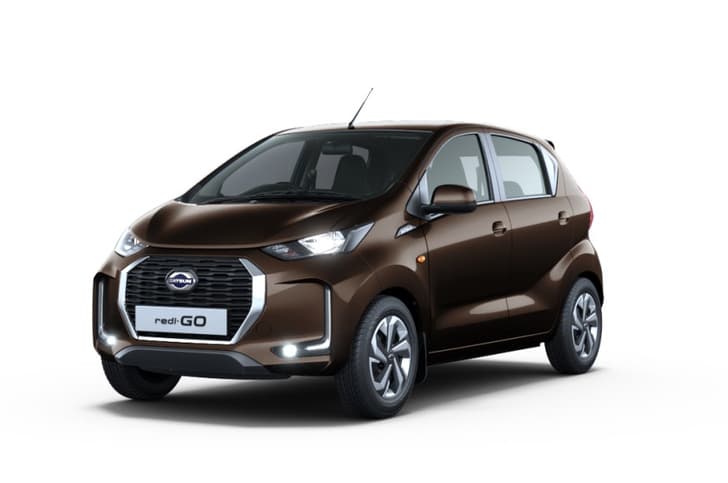
Building on the Renault-Nissan-Mitsubishi Alliance press conference from yesterday – in which a ‘leader-follower’ model for products and technology for the three companies was announced – Nissan also announced initiatives to streamline its global product line-up. Datsun will be phased-out from Russia though today’s presentation did not touch upon the future of the low-cost brand in India.
Nissan will reduce its number of global models by 20 percent in three years – down from 69 to less than 55. Resources will be reallocated to globally competitive models, with the core segments named as the C-segment (Qashqai), D-segment (X-Trail), EVs and sports cars. It will also shorten its product lifecycle so that the average age of its model portfolio is less than four years.
As part of the Alliance agreement, Nissan will focus its growth strategy on its most successful markets: Japan, China and North America. It will sustain its business in Europe, Latin America and Asia, although it will focus on its most successful models in each market.
No change for India
Unlike other markets where the strongest brand will lead product development and production, there will be no change in the arrangement between Nissan and Renault in India, company insiders have confirmed. By extension that means the two carmakers will continue to share product platforms and engines but will not take the additional step of sharing vehicle bodies. Renault and Nissan have had badge-engineered cars in India in the past but have opted to move away from the approach.
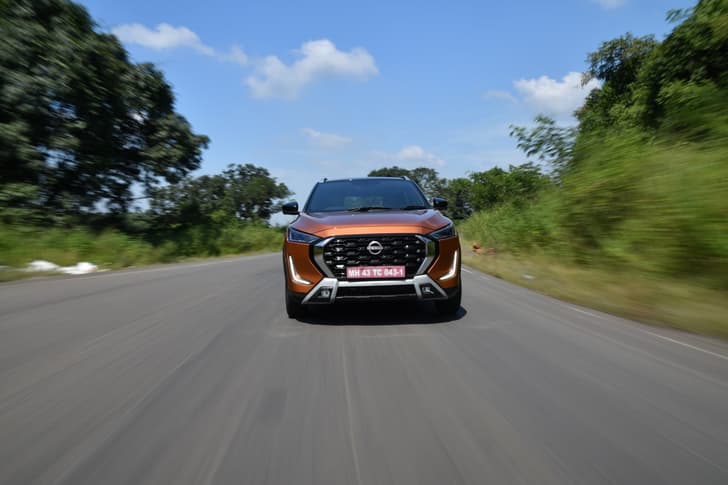
The Alliance partners manufacture cars in India at the Oragadam plant in Tamil Nadu and have a busy 2020. Nissan has just launched the updated Kicks, revamped models in the Datsun portfolio and is also set to launch the Magnite compact SUV. Renault will be out with its own compact SUV, the Kiger, later in the year.
(With inputs from Autocar UK)
 Viraaj Bhatnagar
 Dipan Sur
 Dhruv Dhaka
 Saptarshi Mondal