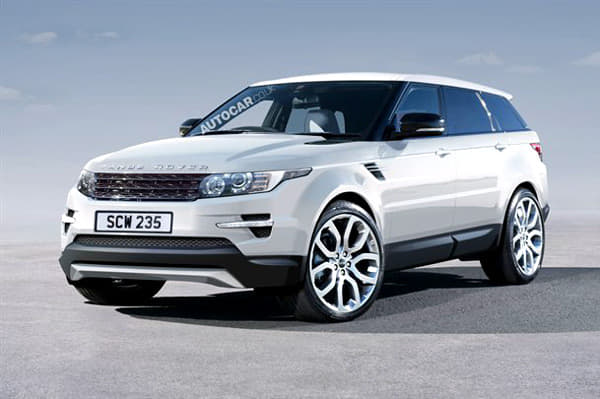
An all-new, fourth-generation Range Rover flagship is slated for a 2012 launch, and insiders claim it will be the most radical and technically advanced car in the brand’s history.
This exclusive image uses accurate information from company sources to show how Land Rover’s radical new range-topper will look when it replaces today’s Mk3 version.
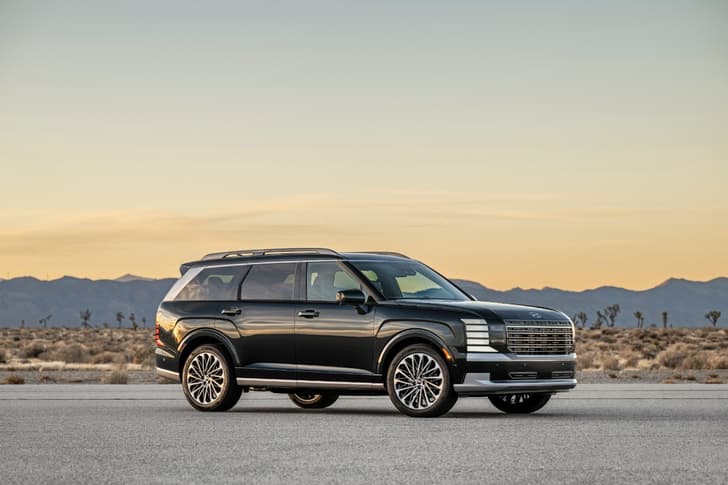
Codenamed L405, the Mk4 Range Rover picks up on the sporty styling of the new Evoque and, in so doing, drops a number of long-established Range Rover design cues. The interior will feature a big leap in quality and luxury, cementing the Range Rover firmly in the global market as an out-and-out luxury car. The Range Rover Mk4 will be built around a new pressed aluminium monocoque, so it will be much lighter than the current car despite an increase in size. The new aluminium platform is slightly wider and around 25mm longer as well.
However, the new architecture has allowed the rear wheels to be pushed further towards the back of the car. The upshot is that rear legroom has improved by as much as 125mm. Longer rear doors will improve cabin access, too. The new car has a more steeply raked windscreen and more of a sloping roofline than the current Range Rover Sport. The substantial headlamps and rear light clusters that are such a significant part of today’s car will be much slimmer and less obtrusive. Even the vent in the front wing is now dramatically slanted, reflecting the angle of the windscreen.
Although the interior design of today’s Range Rover is highly regarded, the new model is aiming even higher. Sources say the company wants to achieve “Bentley levels of craftsmanship and quality”.
The car will have the same basic range of engines, including V6 and V8 diesels, and V8 and supercharged V8 petrols. However, some sources say that a petrol V6 and possibly a supercharged petrol V6 may also be offered. The new V6 made its debut in Jaguar’s C-X16 sports car concept at the Frankfurt show last month.
All versions of the Mk4 Range Rover will be notably more economical than the current model. The main reason is the switch to the pressed and riveted aluminium monocoque, saving about 450kg. The new car is expected to share a floor and crash structure with the next-gen Jaguar XJ, but with a unique bulkhead, suspension mounts, seating position and subframes. The Range Rover is also expected to share a new electrical architecture with the XJ.
Jaguar Land Rover is poised to invest tens of millions in re-equipping Land Rover’s Solihull factory to build the aluminium structure. This structure will also underpin the next-gen (and seven-seat) Range Rover Sport. It could also be used for a fourth Range Rover model that would sit between the top-end Evoque and the entry-level Sport.

 Viraaj Bhatnagar
 Dipan Sur
 Dhruv Dhaka