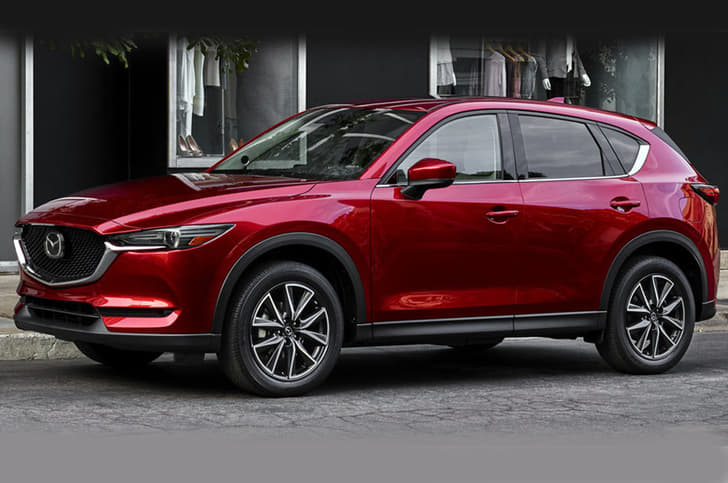
Mazda’s new range of Skyactiv-X engines under development are set to replace the current Skyactiv-G range in 2019. They use compression ignition technology that has previously only been used in diesel engines. The Japanese carmaker claims an efficiency improvement of 30 percent over current petrol units, matching or even improving on the brand’s Skyactiv-D diesel engine range.
Mazda said this will enable Skyactiv-X engines to produce lower CO2 emissions than electric drivetrains from a 'well-to-wheel' perspective - which accounts for the whole life cycle of a vehicle and the fuel needed to power it. Mazda has been developed the new technology for several years, as first reported by our sister publication, Autocar UK, in 2014.
Compression ignition technology has not yet been used on a mass production scale in petrol engines. The system, labelled Spark Controlled Compression Ignition, mixes petrol and air together in the engine’s cylinder like a regular spark ignition engine, but then ignites it using compression at lower load or with a spark at higher loads. This means around half the volume of petrol is required for the same combustion level across most of the rev range.
Mazda director Kiyoshi Fujiwara, who has oversight of the firm's R&D programme, explained that this “very lean air-fuel mixture that is too lean to combust by spark ignition [alone] can combust by this method cleanly and rapidly”. He added that this enables "better thermal efficiency, improved fuel economy and lower nitrogen oxide emissions". Other benefits include higher efficiency across a wider range of revs, thus improving engine responses and performance.
The company has pursued this technology because it believes spark ignition technology is reaching its peak. Mazda also argues that while electric technology produces no emissions from a car's tailpipe, it is yet to represent a truly sustainable option on a global scale because much of the world’s electricity grids are still powered by fossil fuels.
As part of its Sustainable Zoom-Zoom 2030 plan, Mazda has pledged to reduce corporate average well-to-wheel CO2 emissions to 50 percent of 2010 levels by 2030, before reducing them by 90 percent by 2050.
The company will begin introducing electric technology into its range from 2019, but has stated that it will focus sales of these models in regions where sustainable energy is produced. It will continue to invest heavily in petrol technology beyond this point, citing a continued growth of combustion engine demand in other regions, such as developing economies.

 Viraaj Bhatnagar
 Dipan Sur
 Dhruv Dhaka