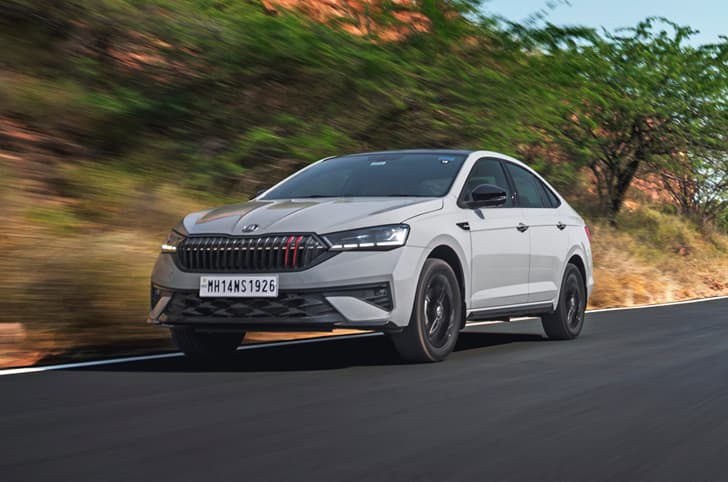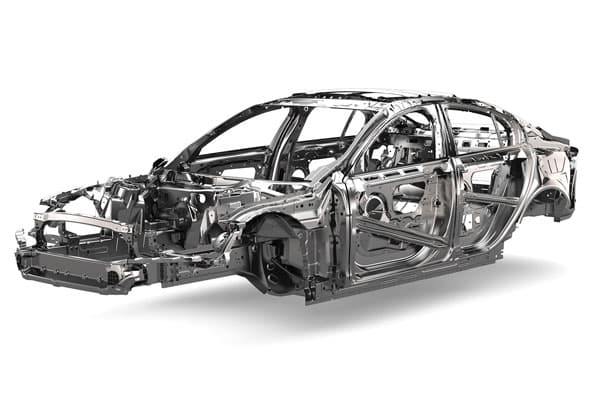
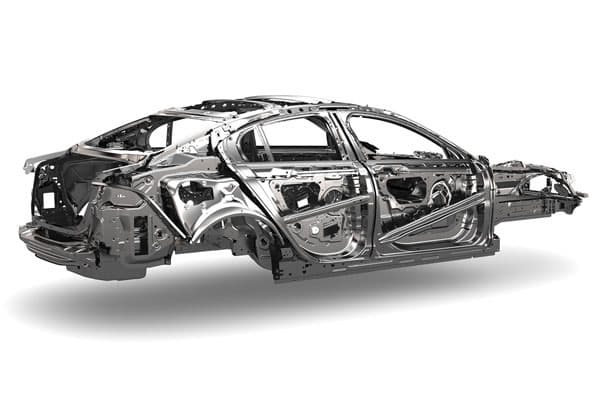
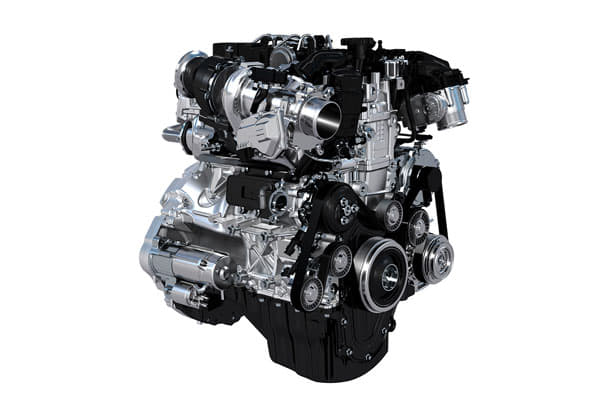
The new Jaguar XE will be powered by the all-new 2.0-litre turbodiesel Ingenium engine and built around an aluminium body structure.
Jaguar has also revealed that aluminium will make up 75 percent of the XE’s body structure. The company says the XE’s body engineering is born out of “Jaguar’s fifth-generation bonded and riveted aluminium technology”. The company also says it has developed a new high-strength aluminium alloy called RC5754, which contains a very high proportion of recycled aluminium. Jaguar aims to use 75 per cent recycled aluminium in its future models by 2020.
Mark White, Jaguar’s chief technical specialist, body complete, said: “This gives us a body structure with unrivalled low weight. It’s light but also immensely strong, with extremely high levels of torsional stiffness. We’ve made sure our aluminium-intensive body structure exceeds all global safety standards without compromising on vehicle design or refinement.” It is also claimed that the XE “will be the true driver’s car in the segment” and this contention is backed up by the car’s hardware. The XE gets double-wishbone front suspension, “with many of the components made from cast and forged aluminium”.
The XE’s electrically assisted steering system is said to deliver better steering feel, variable steering damping, ease of low-speed manoeuvring and a range of safety and driver assistance functions. Jaguar says it has developed All Surface Progress Control (ASPC), which it claims as a “world-first technology”. ASPC is said to “gain traction with far less drama than a human driver and without the driver using the pedals”.
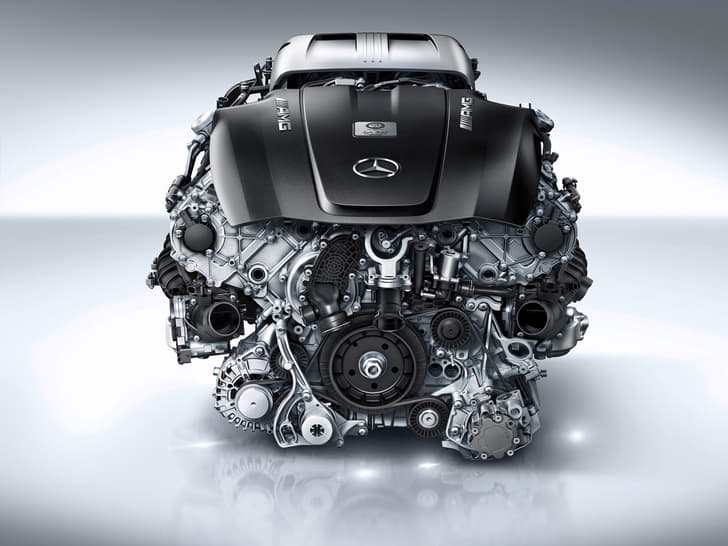
Jaguar's new turbodiesel engine broken down
Balancer shafts - The new Ingenium engine gets balancer shafts to achieve as close to six-cylinder smoothness as possible. Shafts run on roller bearings to cut friction losses.
Cam chain - The cam chain is mounted on the rear of the 150kg engine, up against the flywheel housing. It is expected to last the service life of the engine.
Crankshaft - The engine is said to have 17 per cent less internal friction than today’s 2.2 diesel. Low-friction surfacing on the crankshaft bearing faces help achieve that.
Turbochargers - Ingenium engines will use single and double turbocharging. The most powerful version will “offer V6 performance” but will be 80kg lighter than a V6.
Pistons - The Ingenium engine uses fixed 500cc cylinder sizes, so all four-pots will be 2.0 litres. Engineers say a 1.5 three-pot and 3.0 straight six are possibilities.
Cylinder head - The Ingenium is a clean-sheet design, including the production equipment, which is designed so that future redesigns are easier and cheaper to execute.

 Dipan Sur
 Viraaj Bhatnagar