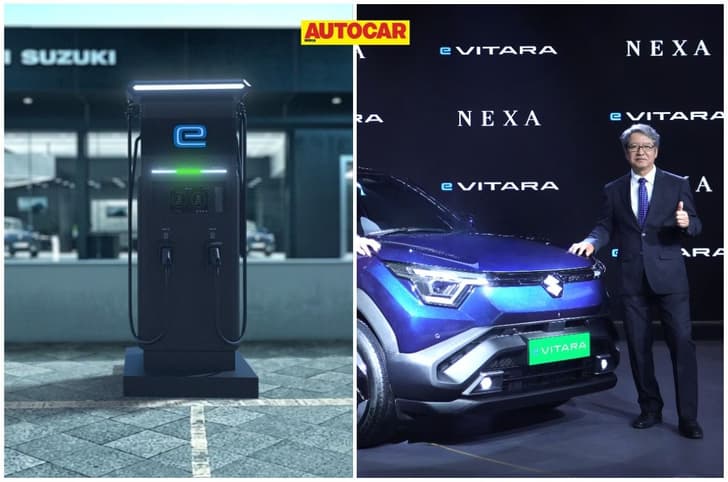
Maruti Suzuki plans to add smaller EVs to its India line-up once it has developed the charging infrastructure needed to support them. At the company’s annual general meeting, Managing director and CEO Hisashi Takeuchi said, “As soon as our EV charging will be ready in India, we will add smaller EVs in our portfolio.”
- More than 2,000 exclusive chargers installed across 1,100-plus cities
- Claims around 90 percent share of India's EV exports
- Plans to build EVs, hybrids, CNG and ICE cars on the same line
Maruti Suzuki's charging network plans
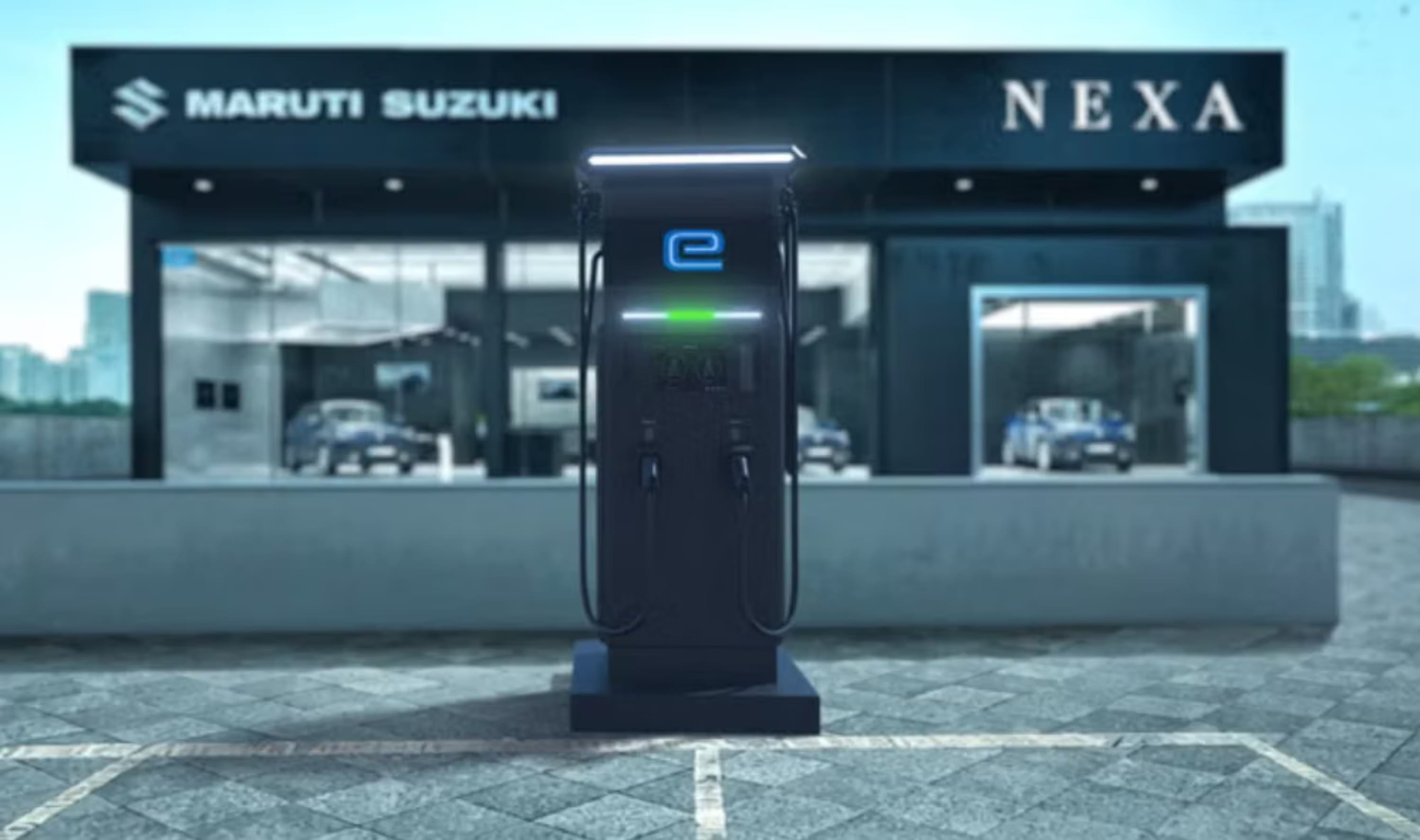
Maruti Suzuki has partnered with 13 charge-point operators and has already installed more than 2,000 exclusive charging points across over 1,100 cities. The company is also working to improve charging coverage on highways and expressways, while its plan for the top 100 cities calls for chargers at key locations around 5-10km apart.
The carmaker has set a larger target of more than 1,00,000 charging points across India by the end of this decade. The company has linked the introduction of smaller EVs to the expansion of this charging network.
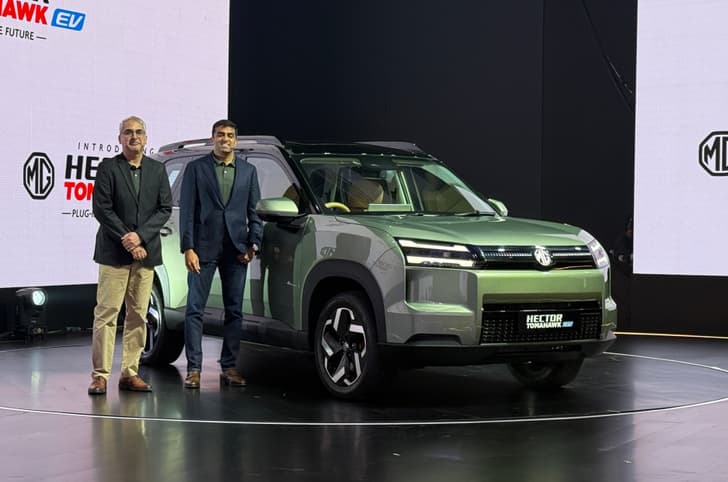
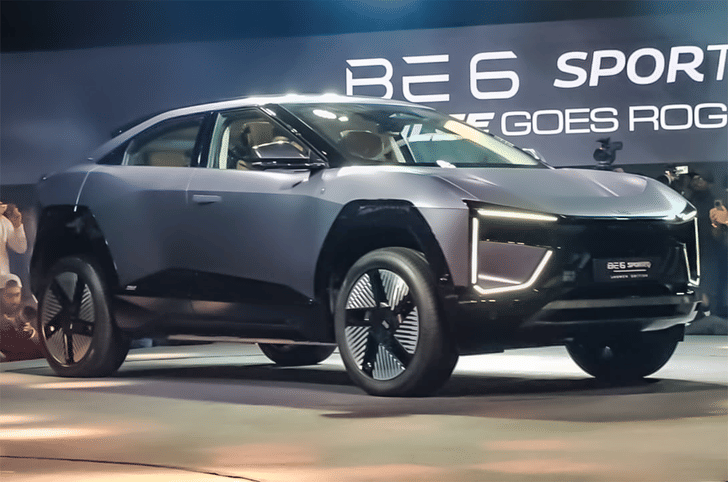
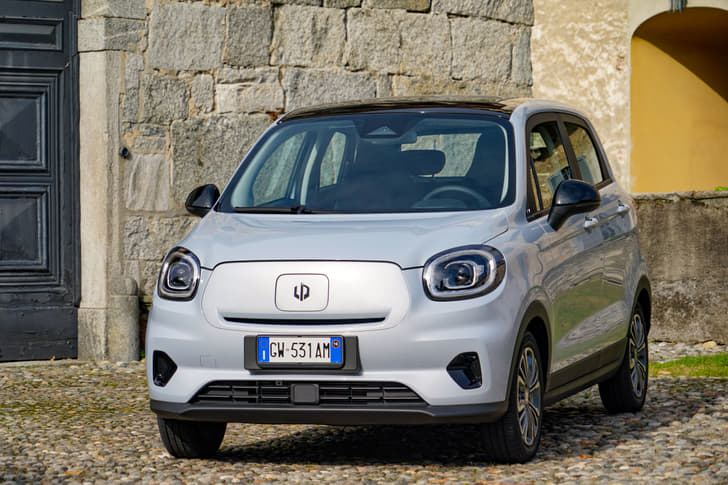
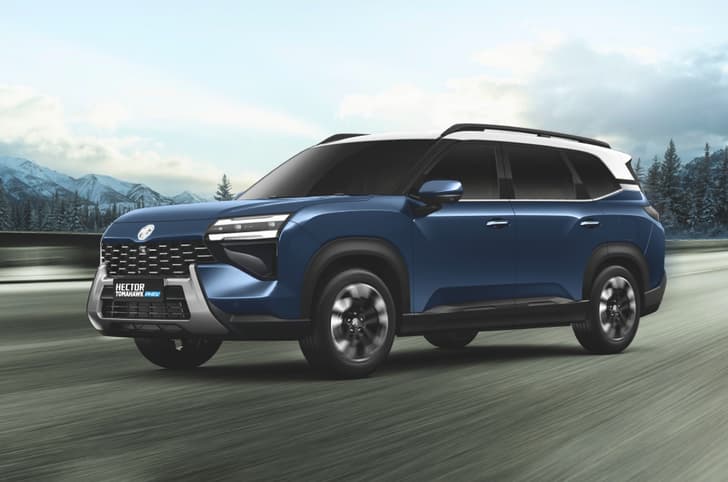
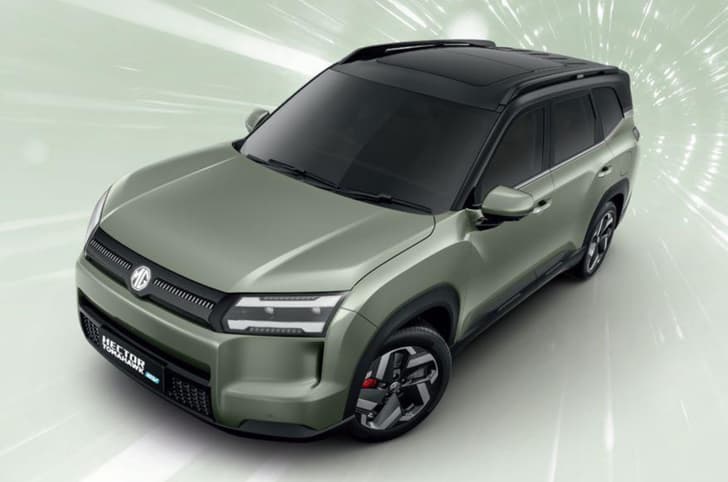
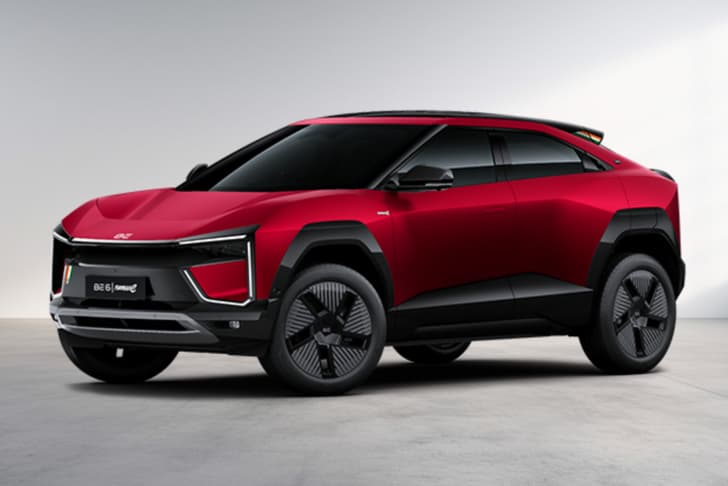
Maruti currently sells the e Vitara as its only EV in India, while competitors Tata Motors and JSW MG Motor India already have smaller electric models on sale.
Maruti Suzuki expands EV exports
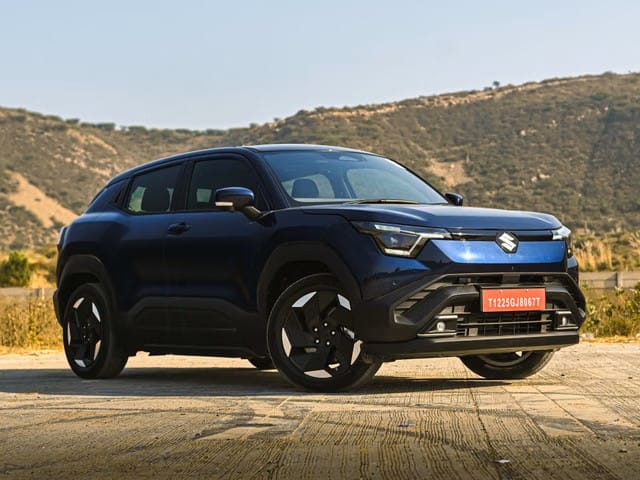
Maruti Suzuki is also expanding its electric vehicle exports. “We have started our EV exports to Europe first. Now, we are the largest exporter of EVs from India, with about 90 percent share in total EV exports from India,” he said. Takeuchi said the company exports vehicles to nearly 120 countries and shipped more than 4.4 lakh vehicles last year, a 34 percent increase overall.
Japan has become Maruti's second-largest market, according to Takeuchi, while the company expects trade agreements to create further export opportunities in markets including the UK, Germany and France.
ICE, hybrid and CNG investments to continue
Maruti Suzuki will continue investing in internal-combustion engine, hybrid and CNG vehicles alongside EVs. Takeuchi said ICE vehicles would remain an important part of the company's business, with compressed biogas also expected to support their continued demand.
“Investment in ICE facilities will continue to be an integral part of our manufacturing process,” he said. The company is designing its new manufacturing facilities to build different types of vehicles on the same production line, allowing production to be adjusted as demand changes. “In our new plants, we can make EVs, hybrid vehicles, CNG and ICE vehicles on the same line,” Takeuchi said.
 Viraaj Bhatnagar
 Dipan Sur
 Glenn Noronha