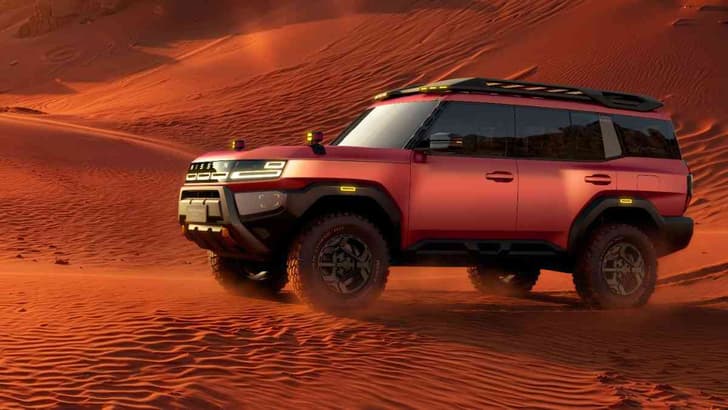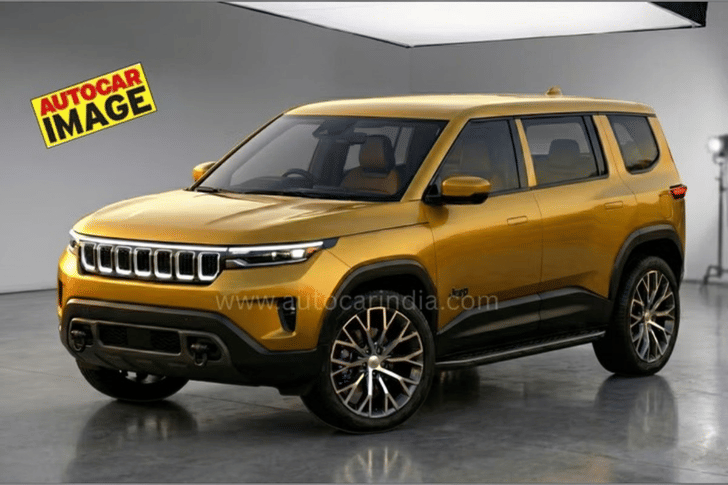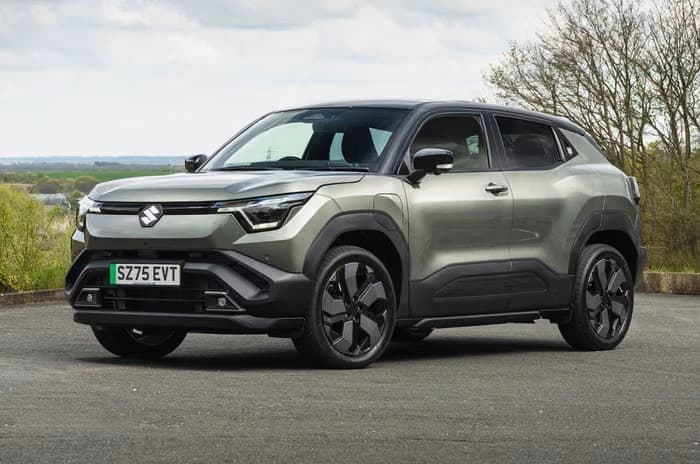
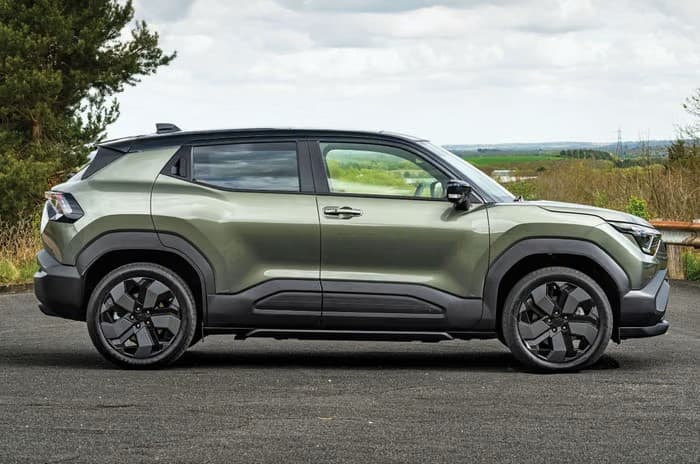
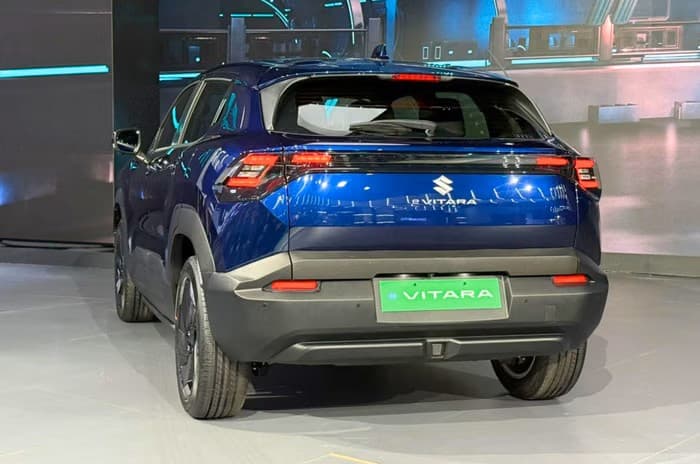
Maruti Suzuki is set to debut its first all-electric SUV, the e Vitara, in India on December 2, 2025. The EV is being produced at the brand’s Hansalpur facility in Gujarat and has been developed with a strong export focus, covering over 100 global markets.
About 7,000 units of the e Vitara have already been shipped overseas since exports commenced in August. The UK has emerged as the largest export market so far.
Here’s a breakdown of what to expect from the e Vitara:
1. What is the expected price of the Maruti e Vitara?
Rs 20 lakh-25 lakh initially
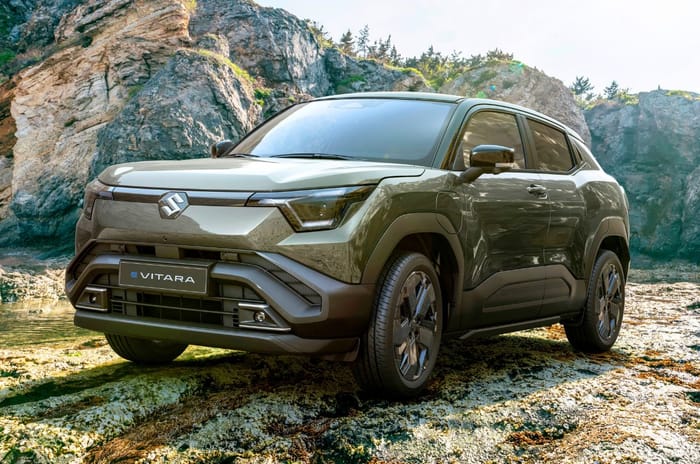
Maruti is likely to price the 61kWh 2WD e Vitara at around Rs 25 lakh, with the smaller 49kWh variant expected to start at Rs 20 lakh upon launch. The e Vitara will join a competitive midsize EV segment populated by the Tata Curvv EV (Rs 17.49 lakh-Rs 22.24 lakh), MG ZS EV (Rs 17.99 lakh-Rs 20.50 lakh), Hyundai Creta Electric (Rs 18.02 lakh-Rs 24.40 lakh) and Mahindra BE 6 (Rs 18.90 lakh-Rs 27.65 lakh).
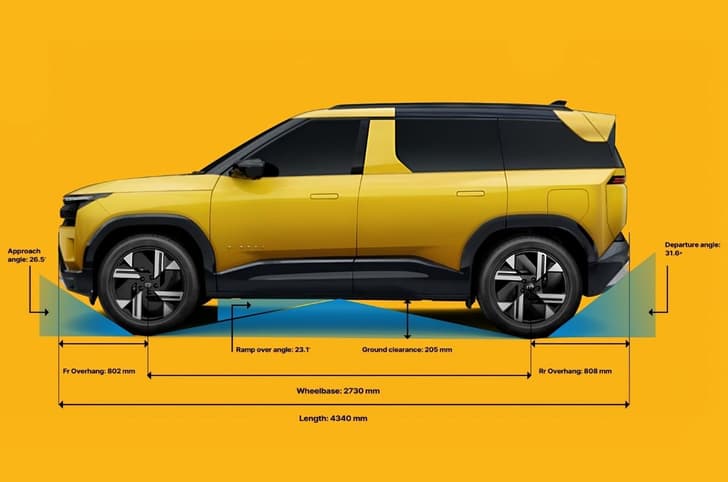
If these prices hold, the e Vitara will also line up closely with the Vinfast VF6, which is 4.2 metres long and priced between Rs 16.49 lakh and Rs 18.29 lakh.
(All prices are ex-showroom.)
2. What battery capacity and range will the Suzuki e Vitara offer?
61kWh FWD version with over 500km ARAI range to arrive first
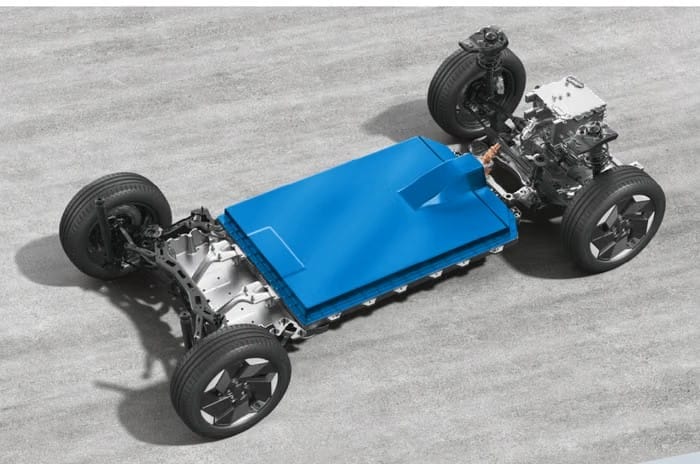
Internationally, the Suzuki e Vitara is available with two battery options: 49kWh and 61kWh. Both power a front-mounted electric motor, while the larger 61kWh unit can be paired with a second motor for all-wheel drive, branded as AllGrip-e.
Power and range figures (WLTP cycle) are as follows:
- 49kWh FWD: 144hp, 344km range
- 61kWh FWD: 174hp, 428km range
- 61kWh AWD: 184hp, 394km range
For India, only the front-wheel-drive versions will be launched initially, with the AWD variants expected at a later stage.
3. What features and tech will the Suzuki e Vitara get?
EV-specific digital tech and safety expected
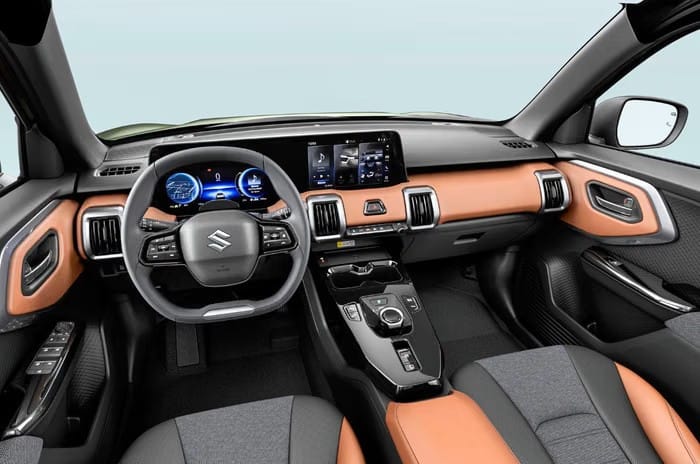
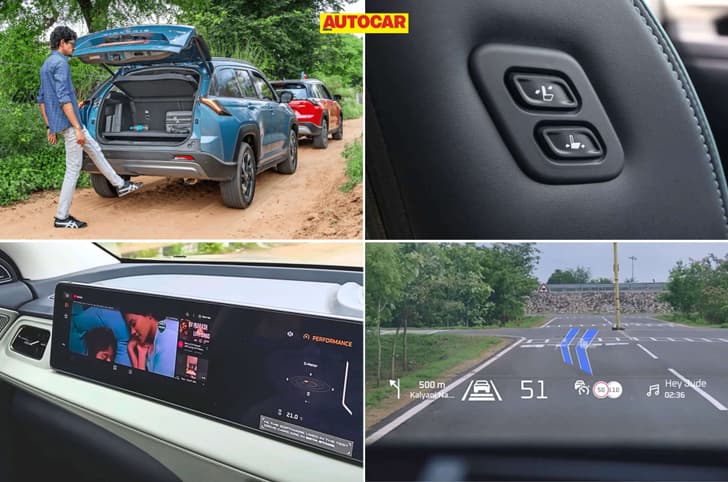
The e Vitara’s interior feels well-built and modern, with a quirky, asymmetrical dashboard design. It gets a dual-screen setup under a single glass panel, but the offset positioning of the instrument display looks a bit awkward. The layout is functional, though, and most elements are easy to reach.
Higher trims come well equipped with a 360-degree camera, wireless phone charging, keyless entry, a powered driver’s seat, a sunroof and an Infinity audio system with a subwoofer. The safety kit includes 7 airbags and Level 2 ADAS.
4. How practical will the Maruti Suzuki e Vitara be?
Compact SUV dimensions, usable boot space expected
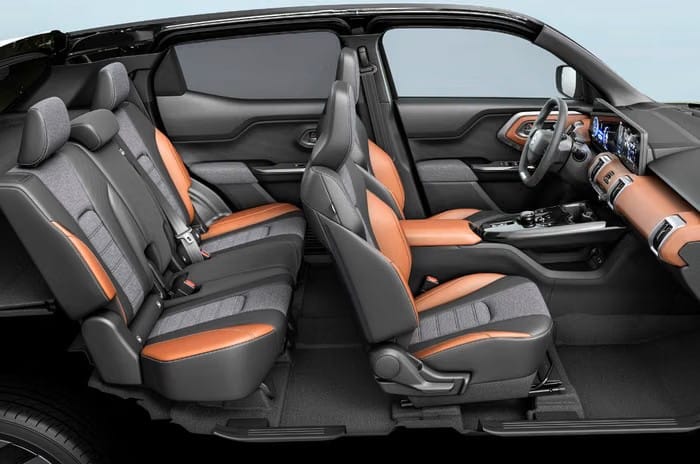
Space up front is generous, and the seats are supportive, although larger passengers may find them narrow. The headroom is fine at the front but tight at the rear, even with a reclining backrest. Rear passengers get sliding seats to balance legroom and cargo space, which is clever, but boot capacity remains on the smaller side: 238 litres with seats pushed back and 306 litres when forward. Maruti says the India-spec model will have more usable space thanks to a different under-floor tray and storage layout.
5. What’s the Suzuki e Vitara like to drive?
Comfortable cruiser, not a performance-focused EV
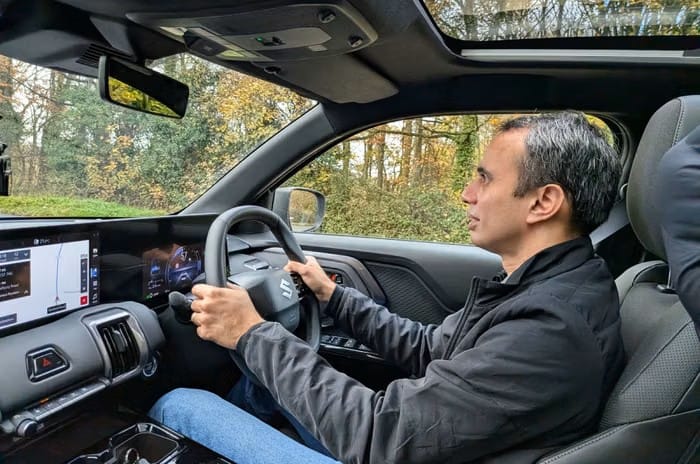
The 174hp 61kWh version we drove abroad feels quick enough on paper, with a claimed 0-100kph time of 8.7 seconds, but real-world performance is more relaxed. The power delivery is smooth and predictable, which works well in city and highway driving but lacks the instant punch seen in many other EVs.
There’s noticeable wind and tyre noise at higher speeds, and regen braking can be fiddly to adjust; it must be set via the touchscreen and activated through a button on the console.
The eVitara is set to launch on December 2, 2025, and will rival the Hyundai Creta Electric, Tata Curvv EV, MG ZS EV, Mahindra BE 6 and the upcoming Tata Sierra EV.

 Uday Singh
 Glenn Noronha
 Dipan Sur