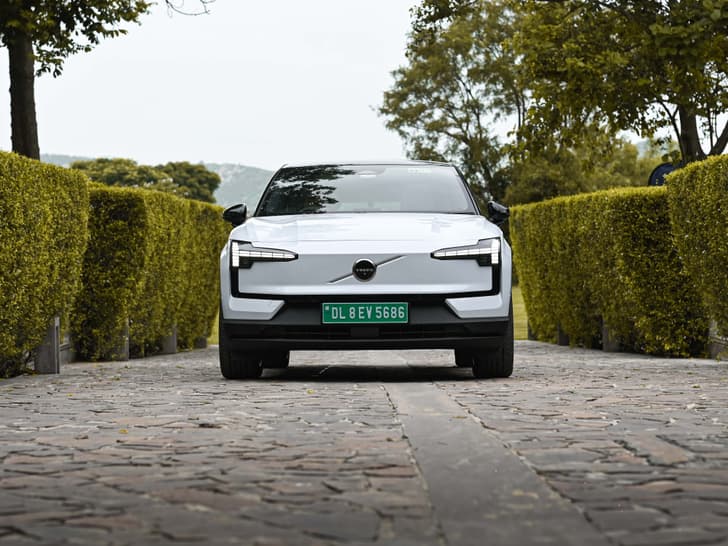

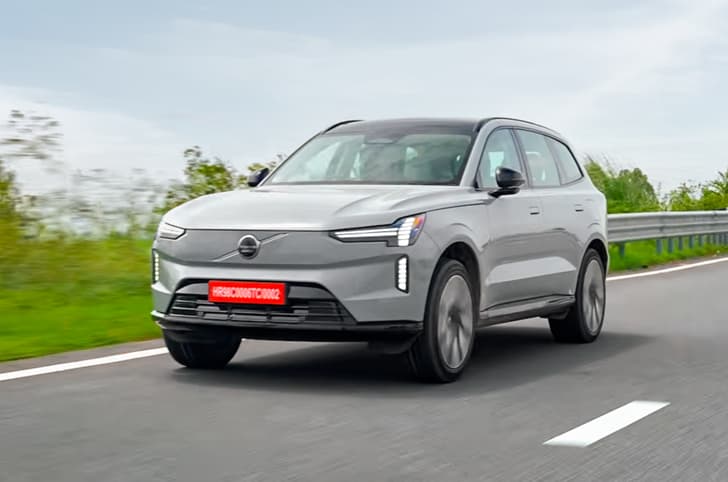
Volvo’s flagship EV, the EX90, has been on sale overseas since 2022. Ahead of its launch on October 12, the manufacturer has revealed details of the India-spec model. It will be sold here in the range-topping ‘Ultra’ variant, which we got to experience recently. If you are interested in the flagship Volvo EX90, here are two reasons to choose it and two reasons to think otherwise.
Reasons to buy the Volvo EX90
Offers a comfortable driving experience on all types of roads
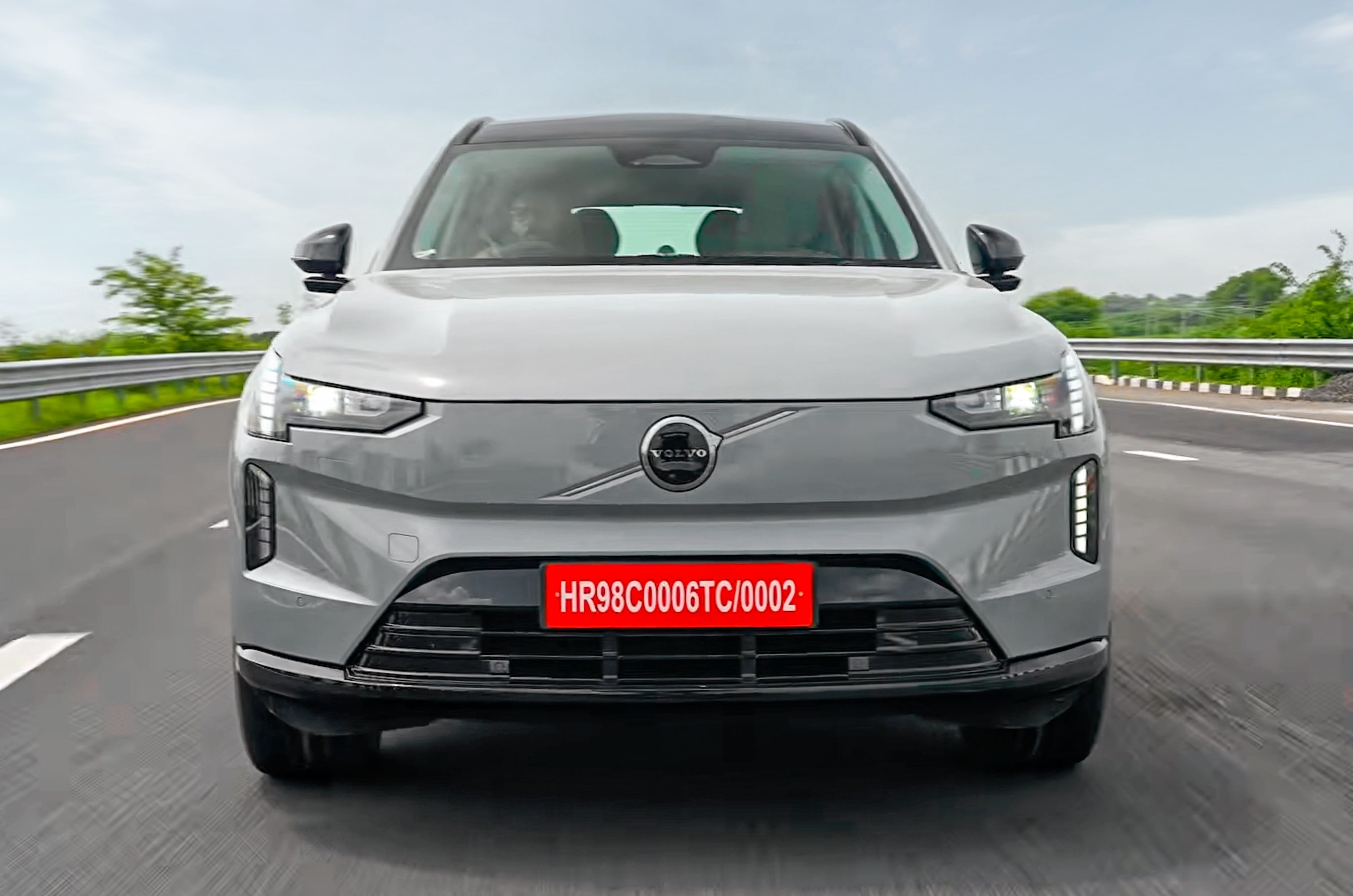
The Volvo EX90 features an air suspension system that offers a good balance between ride comfort and handling. The car takes microseconds to adjust to the various undulations on the road. Volvo is offering this system with three adjustable modes: Soft, Standard and Firm. ‘Soft’, as the name suggests, offers a comfortable drive over broken roads at medium to high speeds, but it results in a bit more body roll, which does not make it feel confident. ‘Standard’ offers a comfortable ride on bad roads but without feeling overly soft in the corners. ‘Firm’ adds a layer of stability through sharp corners and high speeds.
Has adequate performance and impressive cabin insulation
The India-spec Volvo EX90 Ultra will be offered with a 106kWh battery pack powering dual electric motors producing 456hp and 670Nm. Volvo claims a 0-100kph time of 5.5 seconds, which is fairly quick given its size. However, the SUV builds speed linearly, and the powertrain feels more relaxed and laid-back. Volvo is offering the EX90 with four driving modes: Range, Standard, Performance and Off-road. Even in ‘Performance’ mode, outright zippy acceleration associated with EVs is missing, and the SUV builds up pace gradually.
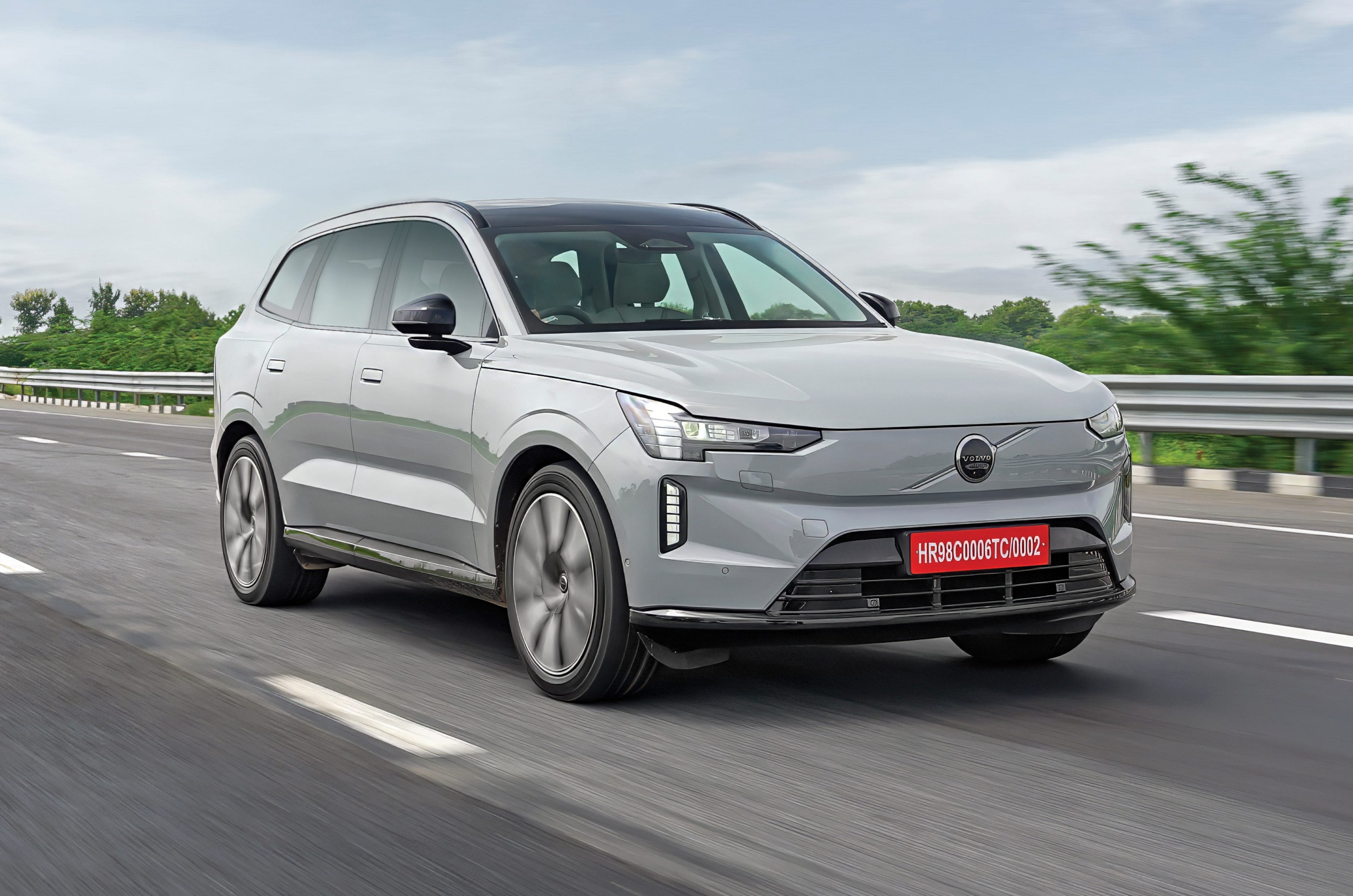
As engine sounds are absent on an EV, wind and road noises that filter into the cabin tend to get amplified, especially with larger wheels. However, this is not the case with the Volvo EX90, which offers top-notch cabin insulation. This keeps the cabin feeling near-silent.
Reasons not to buy the Volvo EX90
Essential drive settings buried within the infotainment system menus
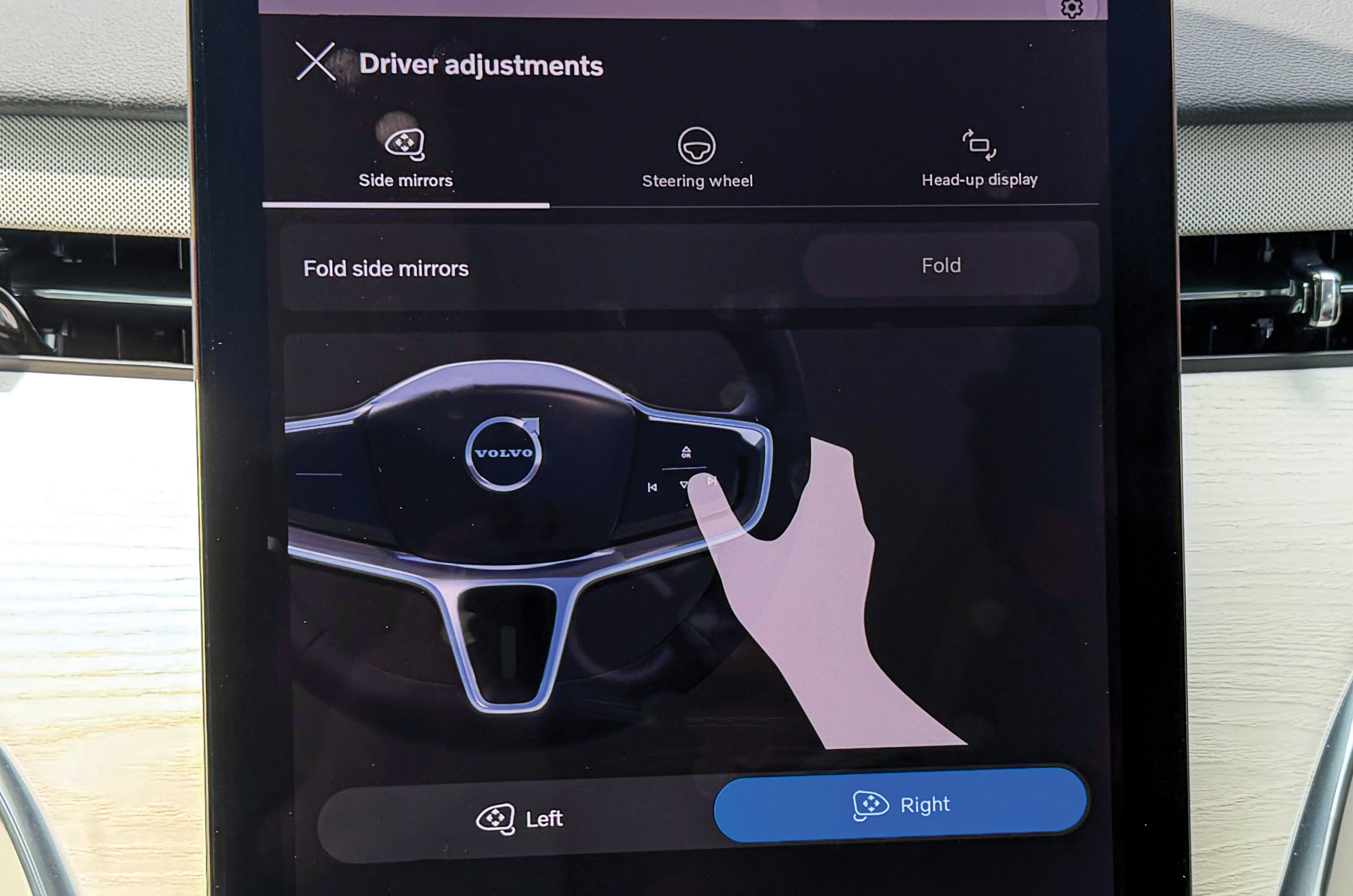
The Volvo EX90’s dashboard is devoid of buttons. All functions can be accessed through the steering-mounted controls or the massive 14.5-inch touchscreen infotainment system that sits in the centre of the dashboard. Simple but essential tasks such as adjusting the outside rearview mirrors (ORVMs) require navigating menus and multiple inputs, which is neither convenient nor safe while on the move. Some hard-coded climate control functions are in the bottom section of the touchscreen, but operating them requires taking your eyes off the road.
Inconsistent brake bite point
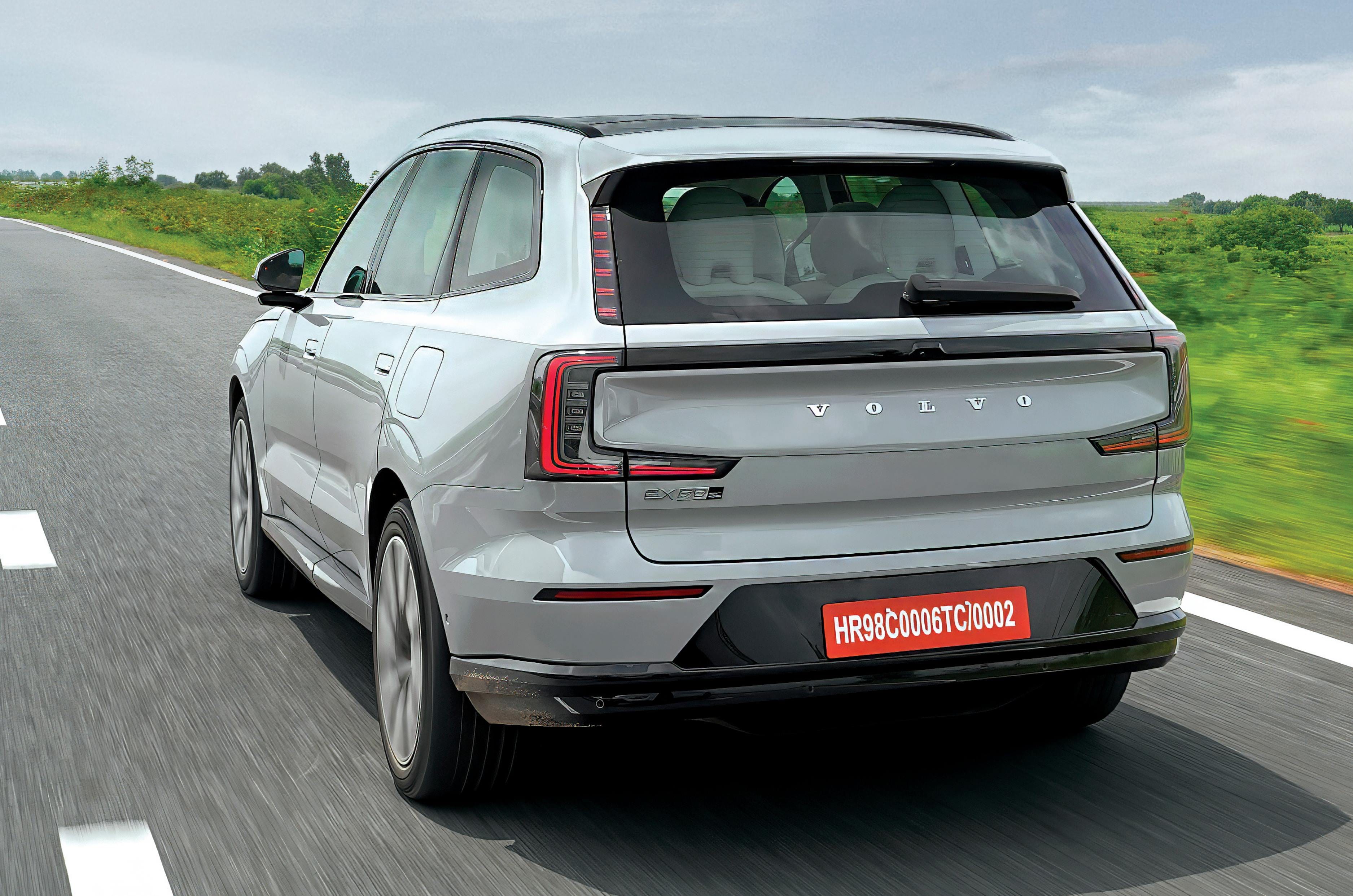
Volvos are generally known for offering a strong safety suite, and the flagship EX90 is no different. However, the braking performance is inconsistent due to a variable brake bite point. This is because the EX90 employs regenerative braking with traditional hydraulic brakes, and the transition, depending on the battery’s state of charge and drive modes, causes the bite point to vary.
As mentioned earlier, the Volvo EX90 will launch on October 12. It is expected to have a small premium over its ICE counterpart, the XC90, which currently starts at Rs 98.80 lakh (ex-showroom).

 Uday Singh



 Glenn Noronha