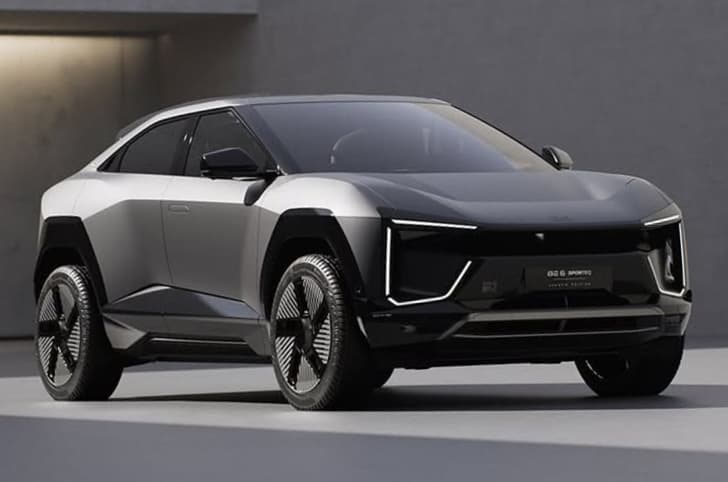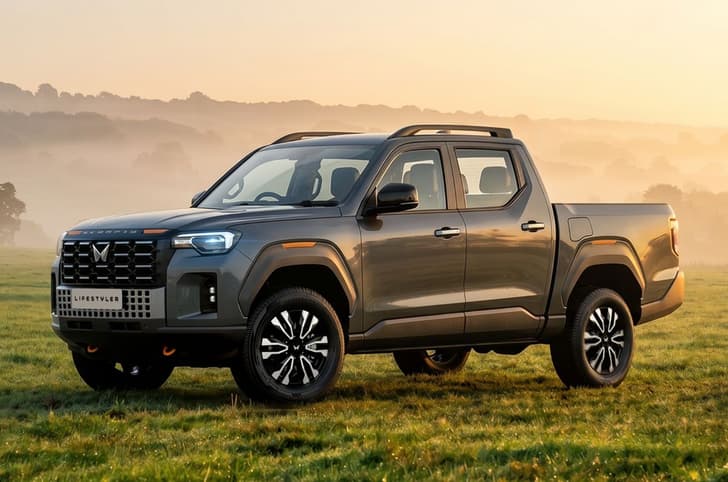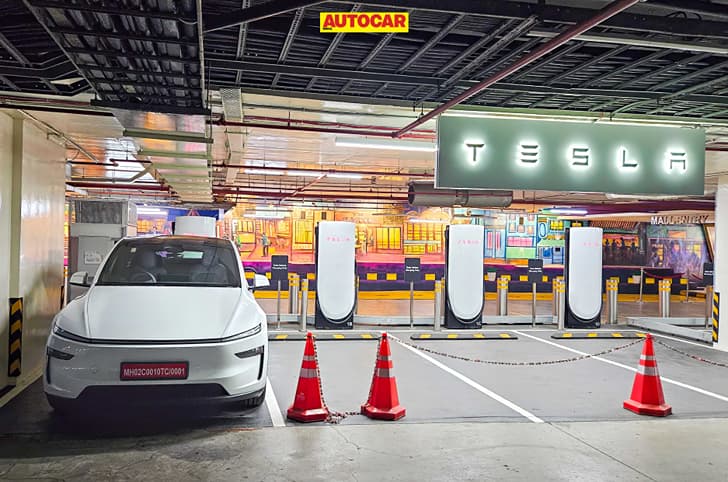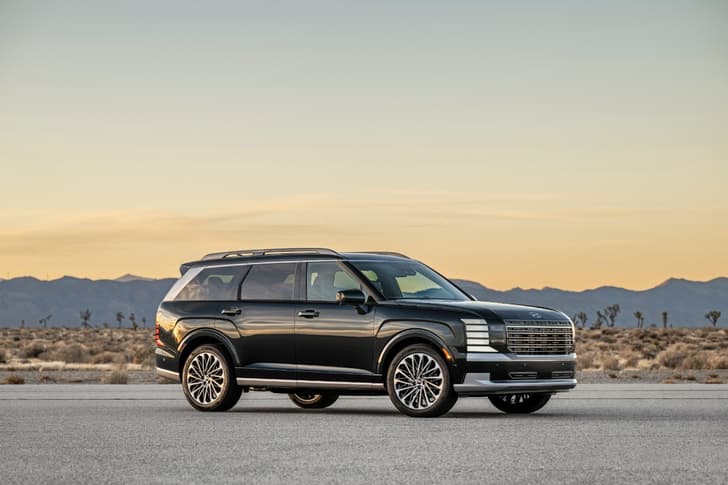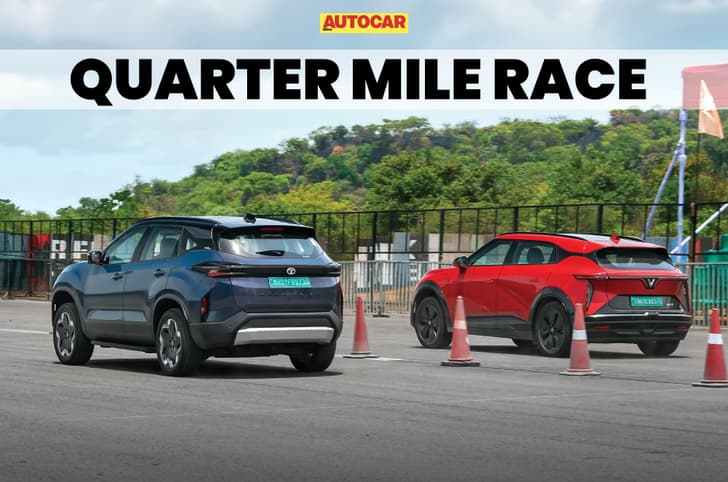
There’s no simpler way to compare one car’s performance to another than with a head-to-head quarter-mile race. Following the shootout between the newest crop of midsize SUVs, we’ve brought together three premium electric SUVs, including the Tata Harrier EV, Mahindra XEV 9e and Vinfast VF7, in this edition of Autocar India’s quarter-mile racing series. Let’s find out which one is the quickest down the drag strip.
Round 1: Tata Harrier EV vs Mahindra XEV 9e
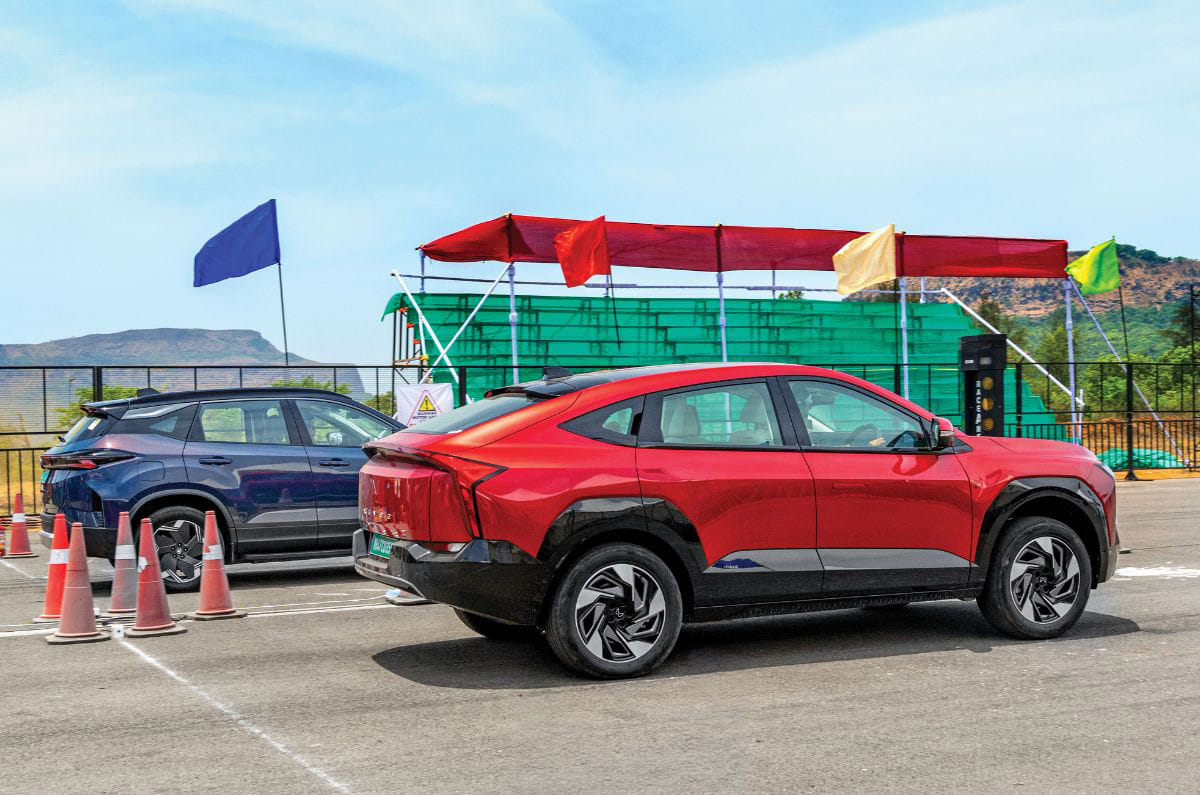
Between these two homegrown EVs, the Harrier EV has the benefit of not only being more powerful but also having all-wheel drive as opposed to XEV 9e’s rear-wheel-drive setup. Both SUVs are heavyweights, but the Mahindra has the edge of being 134kg lighter. Let’s see in whose favour the scales will tip.
The Harrier EV’s all-wheel-drive system gives it a clear advantage and a comfortable win in Race 1 by a wide margin of over seven tenths. Despite not being able to turn off traction control, the grip from the AWD system is enough for the Tata to gap the Mahindra. Race 2 is a repeat, but the Mahindra does manage to narrow the gap, losing by half a second this time around.
Round 2: Tata Harrier EV vs Vinfast VF 7
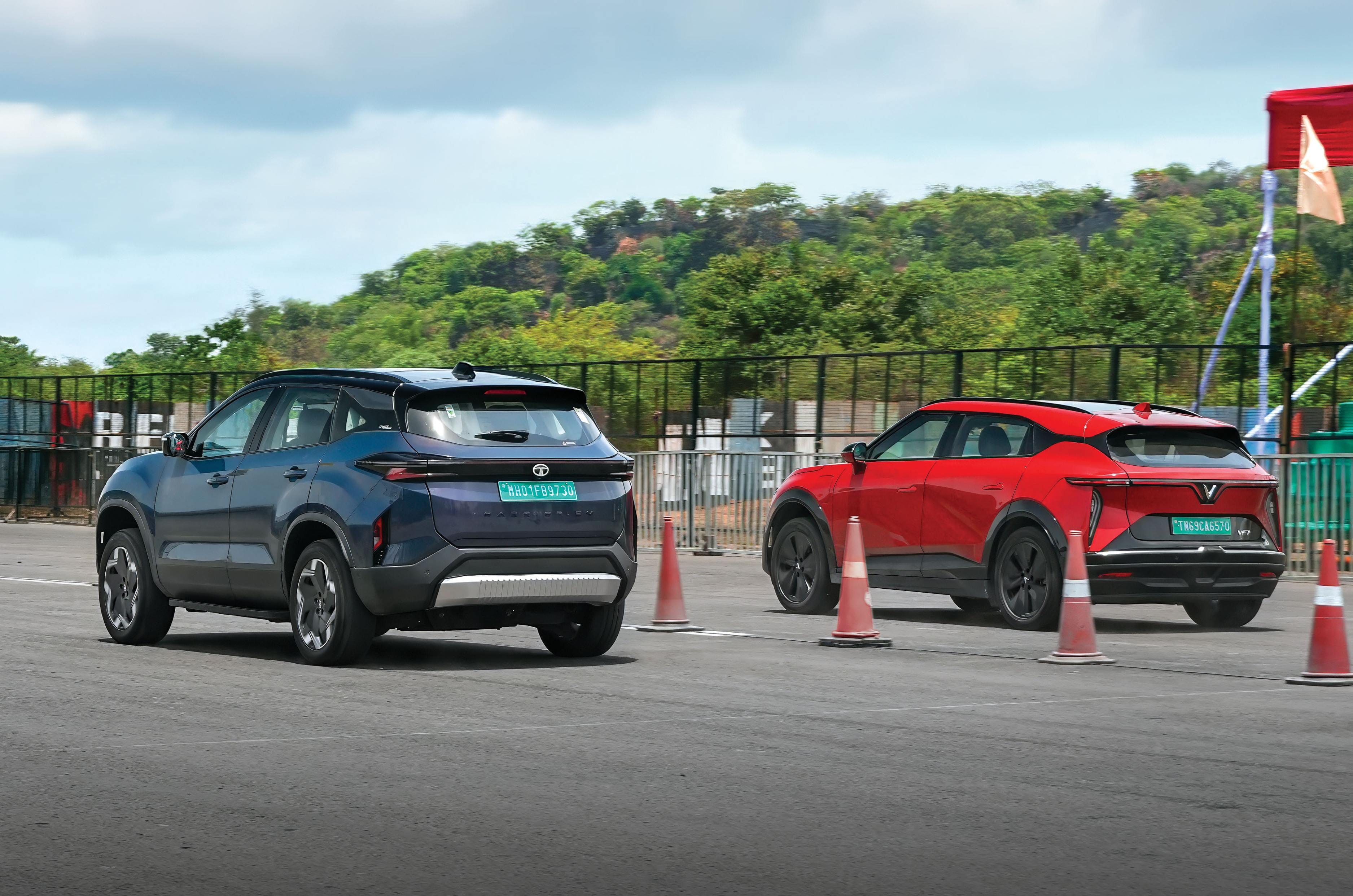
After winning the home-grown battle, the Harrier EV is lined up against another similarly powered, similarly priced and AWD-equipped EV in the form of the Vietnamese Vinfast VF7. This time, however, the Harrier EV is on the back foot – it’s less powerful, weighs more, and the advantage of all-wheel drive has been wiped away.
The Vinfast does allow you to turn traction control off, which results in a much better launch than the Harrier EV. In Race 1, both SUVs are neck-and-neck off the line, but the VF7 soon builds a lead and manages to maintain it all the way till the finish, crossing the line four tenths faster than the Tata. The Harrier EV does manage to narrow the gap in Race 2, but the advantage the VF7 gains at launch is hard for the Tata to overcome, and it loses out by 0.29sec.
Autocar India’s testing standards
Before we conduct our performance tests, we check and maintain tyre pressures based on the manufacturer’s recommendation and ensure the car has a full tank of fuel. The car is then tested in a controlled environment, and the data is collected via highly accurate GPS-based timing equipment.
With inputs from Saptarshi Mondal

 Uday Singh
 Glenn Noronha
 Dipan Sur