While the monsoon brings some much-needed respite from the scorching summer heat, it poses several challenges for motorists. Rainfall leads to slippery conditions that can catch drivers off guard, and issues such as poor visibility, waterlogging and breakdowns are concerns too. Other challenges include wear and tear of essential components, as well as moisture buildup inside the cabin and under the skin of your car. With rains lashing several parts of the country, here are some essential pointers to help keep your car and yourself safe this monsoon.
1. Tyres
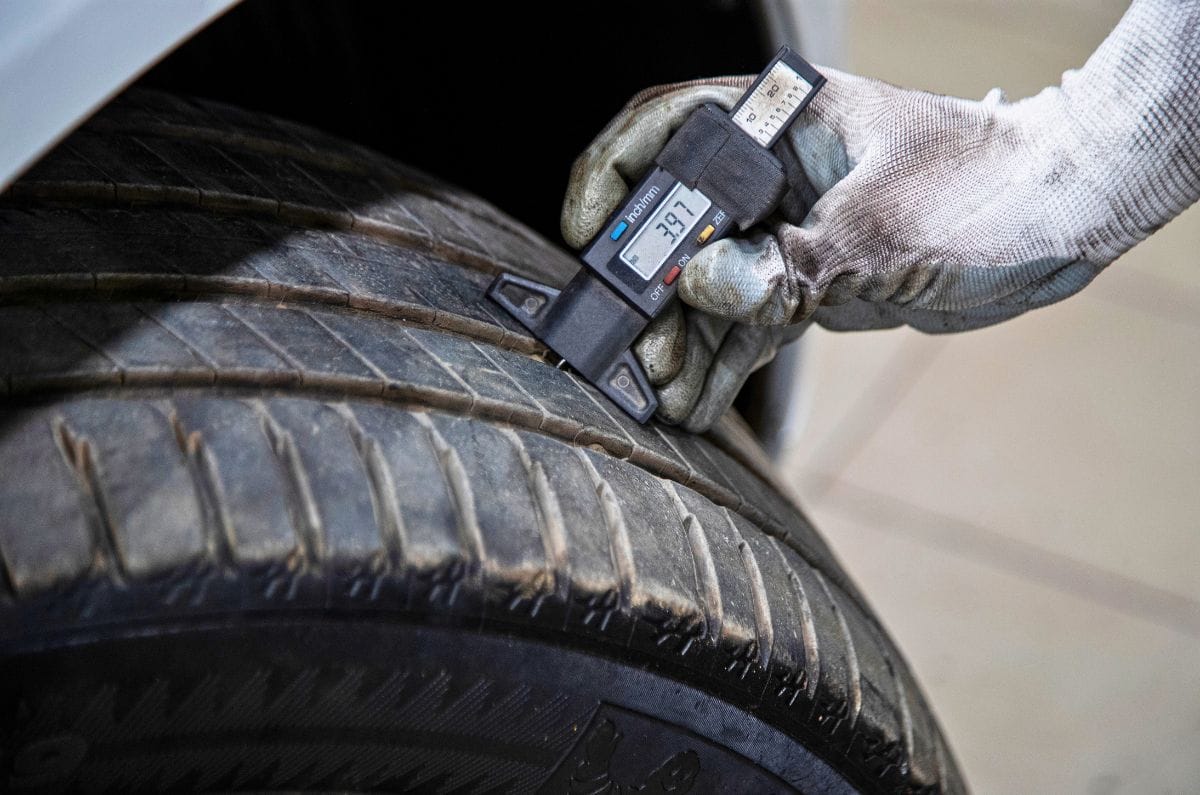
Being the only point of contact with the road, your car tyres’ overall health and condition are crucial during the monsoon. Before setting off on a trip, it’s always wise to check them for adequate tread depth. This is because tyre grooves are designed to channel water away from the contact patch, thus maintaining grip. Worn-out tyres struggle to disperse water effectively, thereby increasing the chances of aquaplaning. This is where they ride on a thin layer of water instead of the actual road surface.
Also, ensure that tyre pressures are maintained according to the manufacturer’s recommendations. Avoid overinflating or underinflating them as that can adversely affect grip and braking performance on wet roads.
2. Battery and wiring
The combination of heavy rain and high relative humidity can wreak havoc on a vehicle’s electrical system, especially if it is in poor condition. Therefore, it is prudent to have your car’s battery checked to ensure it has adequate charge and to inspect its terminals for signs of corrosion or loose connections.
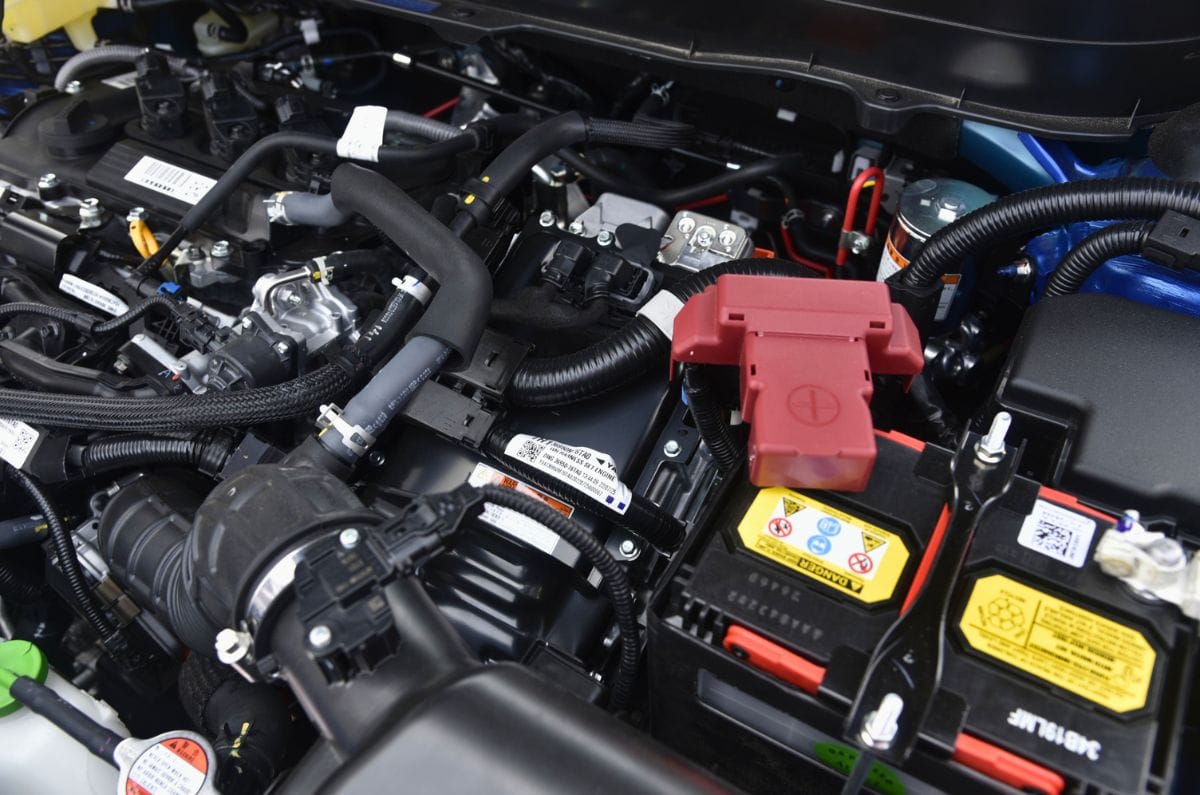
Other things to watch out for include exposed sections or damaged insulation on the wiring, since moisture ingress through these can cause short circuits and electrical malfunctions. Before hitting the road, ensure that crucial features such as the horn, power windows, wipers and rear defogger (if equipped) are functioning as intended.
3. Working lights, wipers and washers
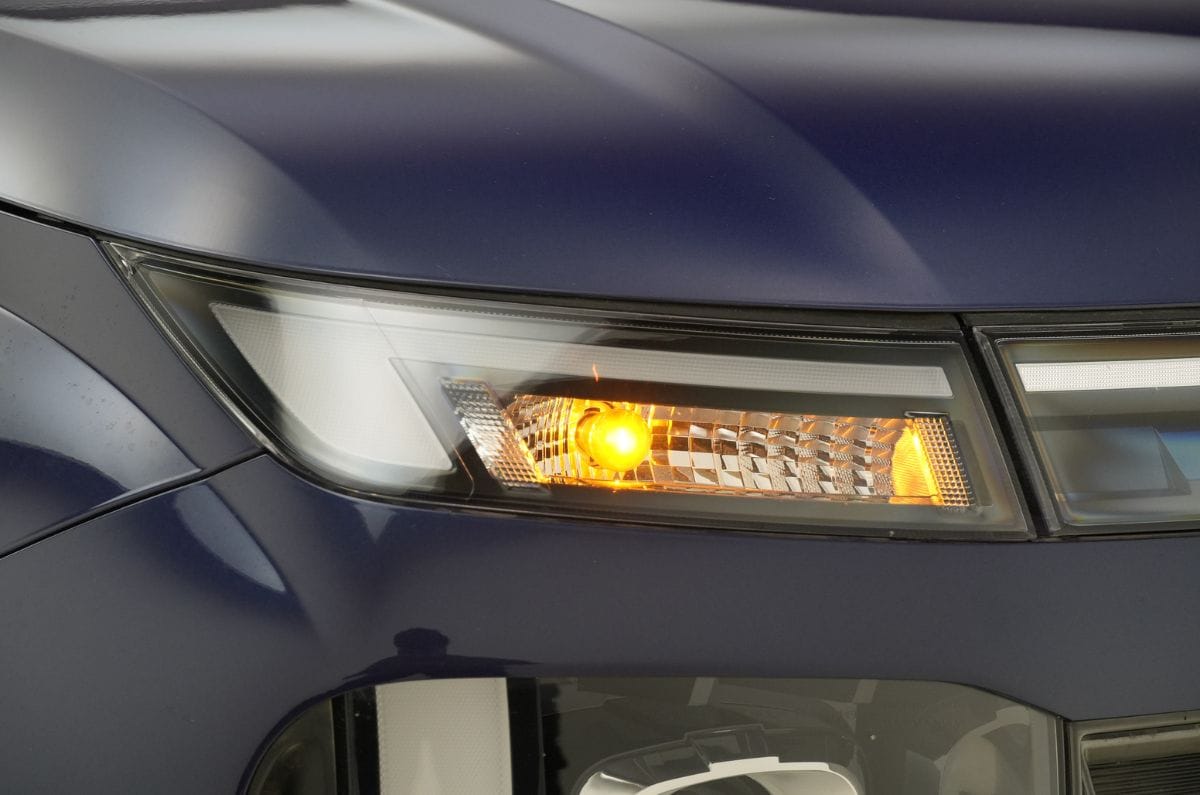
One of the pitfalls of a heavy downpour is poor visibility. To ensure your safety and that of other motorists, it’s essential that you check your car’s lights and wipers. Check that the headlamps, tail-lamps and fog lamps are all working correctly – it’s better to proactively replace any malfunctioning lighting elements before they actually fail. As for the wiper blades, ensure that they clear the windscreen cleanly without juddering or leaving streaks.
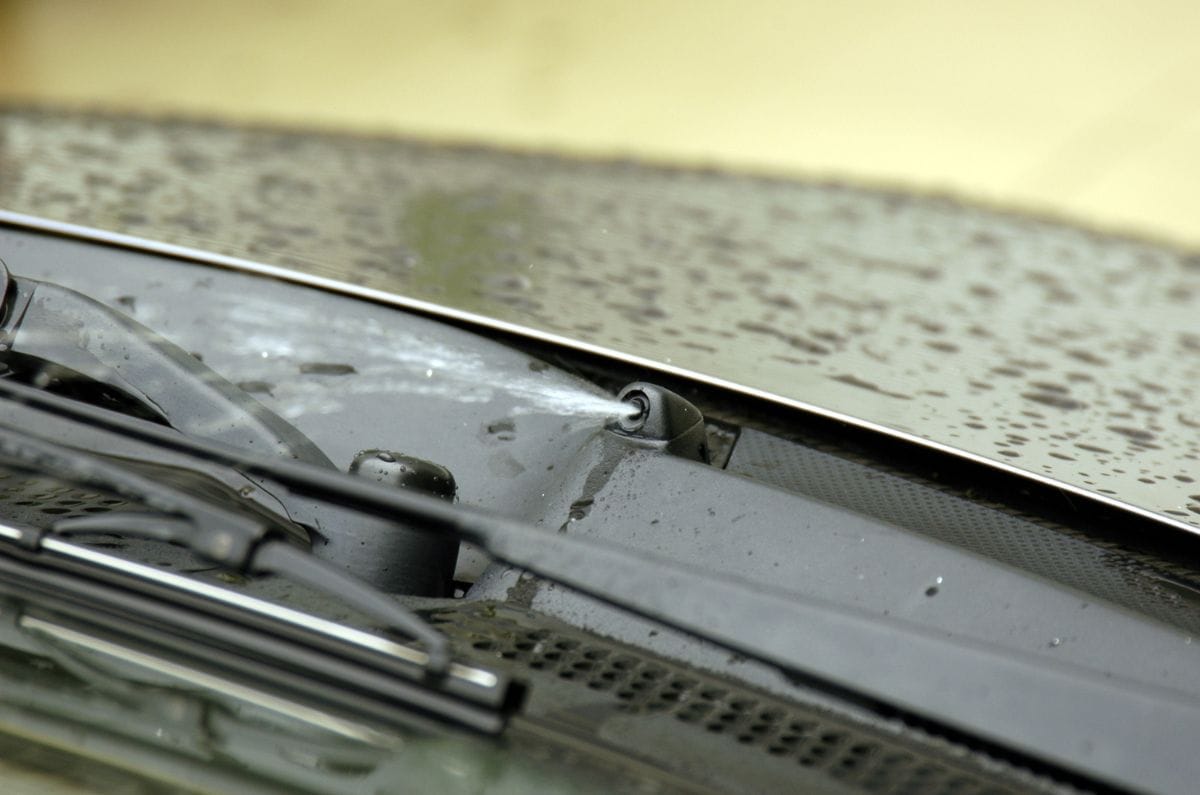
Keep the washer reservoir topped up to deal with grime and debris that is likely to end up on your car’s windscreen. Do not ignore smudges, grime or dirt on the outer or inner portions of the windscreen – these can hamper visibility and increase glare from the headlamps of oncoming vehicles. When driving in the rain, avoid using the hazard lights unless you are stopped at a vulnerable or unusual spot. Otherwise, you may confuse other motorists regarding your intentions.
4. Brakes
A basic but incredibly important feature of your car, the braking system should be thoroughly checked before heading out in the rain. One of the obvious things to be mindful of when driving in the rain is that stopping distances are longer on wet roads. Therefore, make sure your car’s brake calipers, discs (or drums, if applicable) and fluid are in good condition.
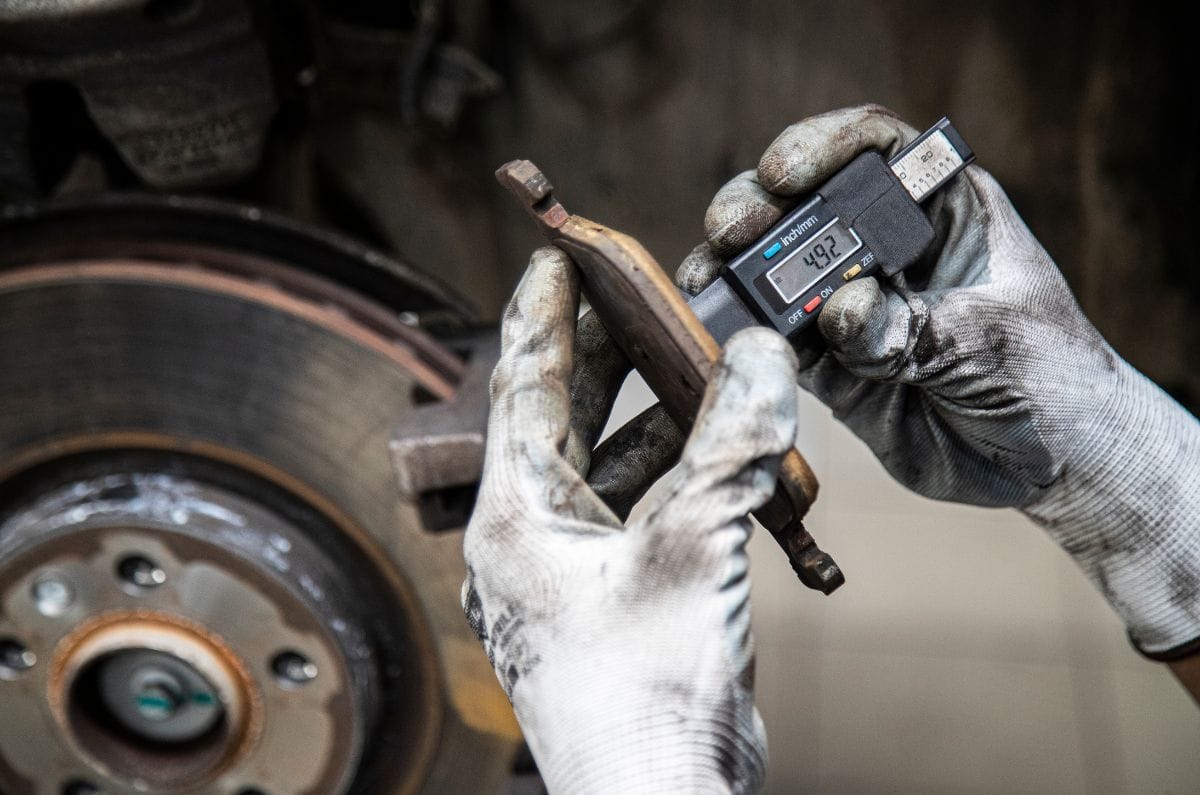
Get the brakes checked if your car pulls to one side under heavy braking. Additionally, consider a few light brake applications after driving through standing water, as doing so will help dry the brake components and restore braking effectiveness.
5. Leaks, rust and bodywork
Moisture is undoubtedly one of a car’s worst adversaries. If left unchecked, it can accelerate corrosion. One way to avoid this is by inspecting the bodywork for chipped paint, visible scratches and any rust spots. This is because exposed metal surfaces can deteriorate rapidly during the rainy season.
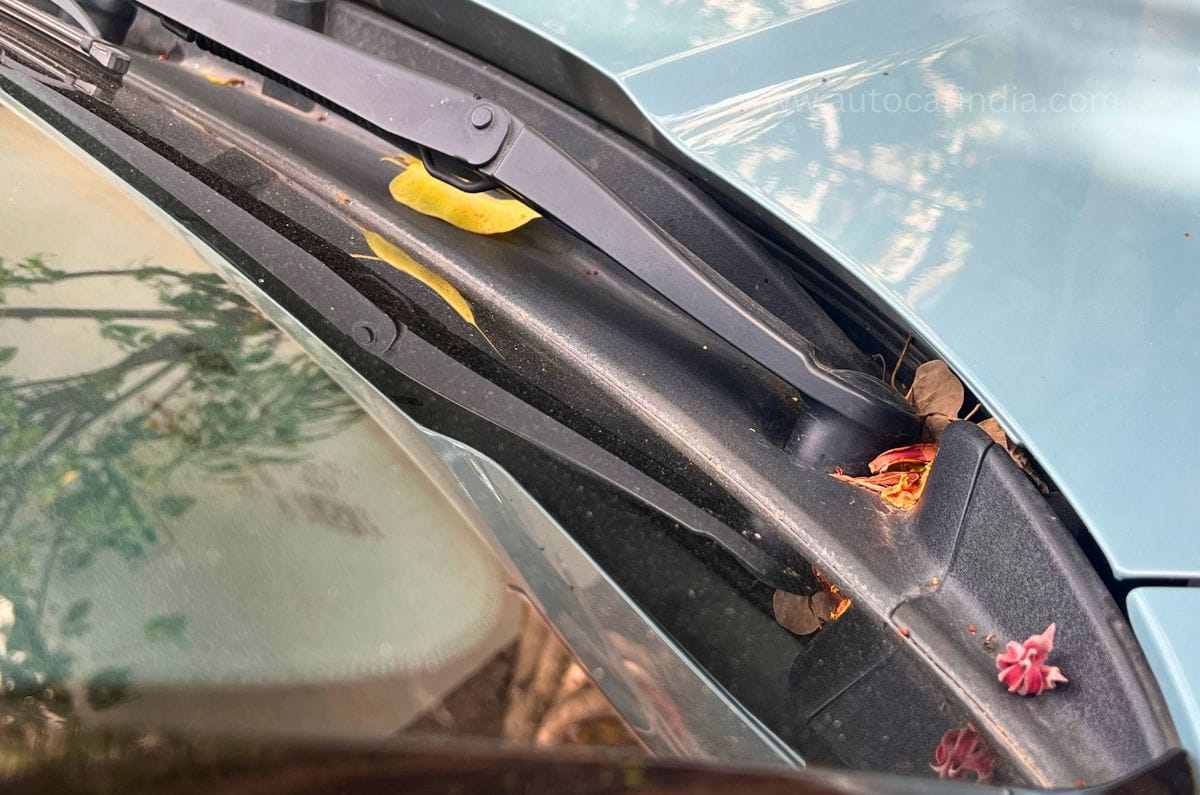
Check door and window seals regularly for wear or damage and also get rid of any vegetation or debris found in or around your car’s drain channels. If possible, park the car in a covered area and avoid leaving it under trees to save it from falling branches.
6. Emergency supplies and personal care
Before setting out, top up essential fluids such as engine oil, coolant and washer fluid, and ensure that the fuel tank is not close to empty. This is even more crucial if you travel through areas prone to waterlogging or traffic snarls. Also, carry basic emergency items such as a torch, a phone charger (or a power bank), a reflective warning triangle, tow ropes and an umbrella. These can come in handy in case your car breaks down or you get stranded.
Other essentials that you ought to have in your car during the monsoon include a raincoat, a change of clothes, dry towels and a basic first-aid kit. Whether you get stranded or not, having access to these items will ensure peace of mind when you are out on the road during the monsoon. Finally, carrying a mosquito repellent in the car is also a good idea, since mosquito-borne illnesses are common during the rainy season.
7. Maintain a safe distance
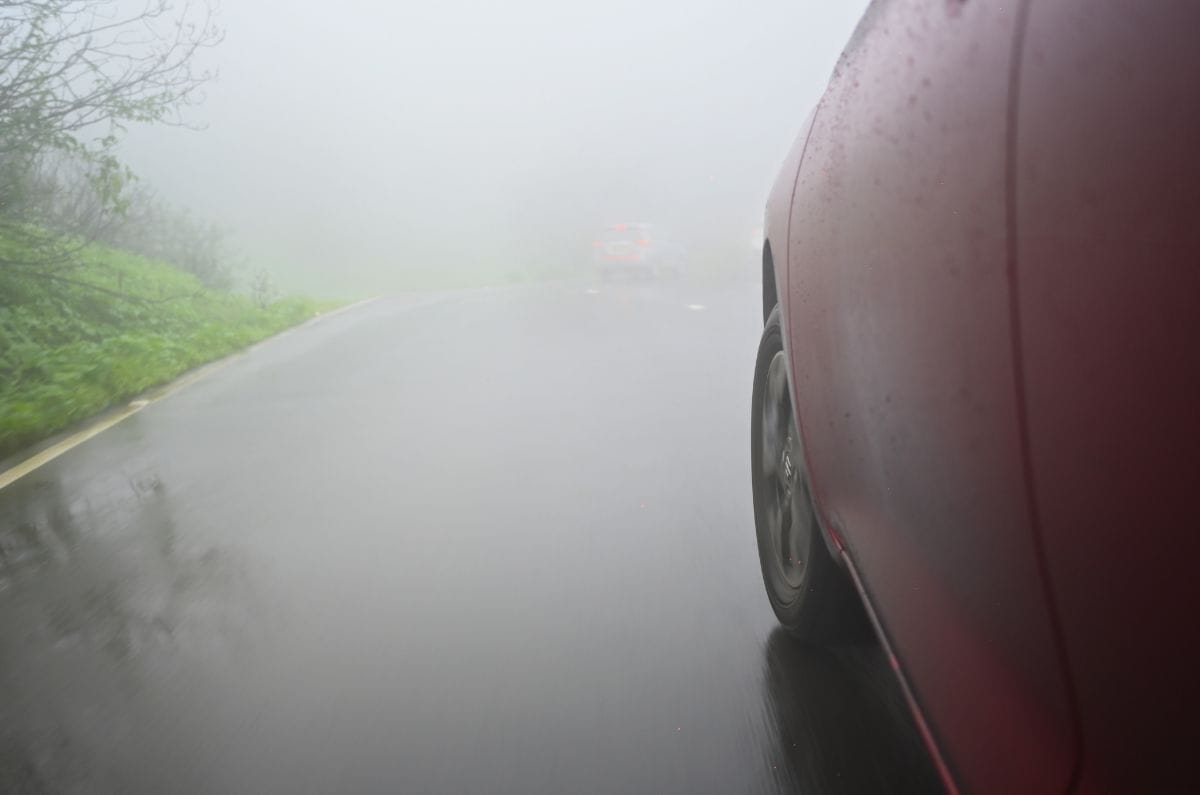
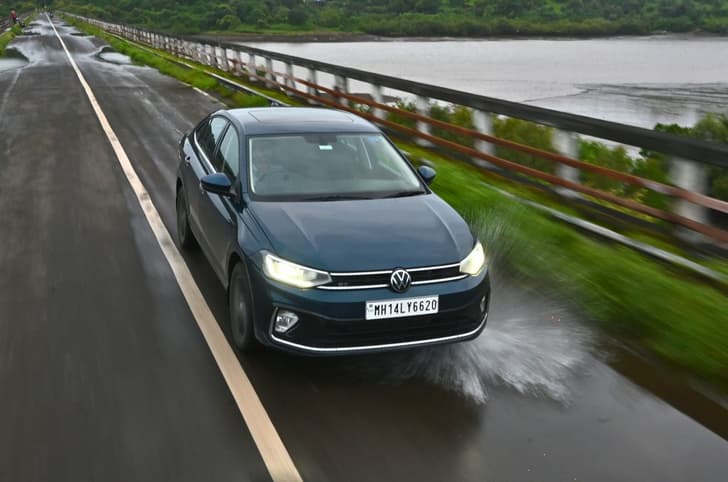
Standing water, or any contaminated surface for that matter, can reduce tyre grip and increase braking distances. Therefore, it’s vital that you drive more cautiously than usual. You should not only maintain a larger gap between your car and the vehicle in front of you but also moderate your speed according to prevailing conditions. Avoid abrupt steering or throttle inputs, while panic braking is best avoided as well – all these can unsettle a car and lead to a loss of traction. It is also wise to avoid overtaking during a heavy downpour unless deemed absolutely necessary. In case of poor visibility, keep your speed in check and drive with extreme caution.
8. Slow down for puddles
Rainfall often leaves behind puddles and waterlogged sections. These patches should be navigated carefully, beginning with reducing your speed. Once that’s achieved, proceed slowly and avoid sudden acceleration or braking. If possible, do not drive through flooded stretches unless you are able to gauge the water’s depth – hitting submerged potholes, open drains or large debris at speed can lead to an accident.
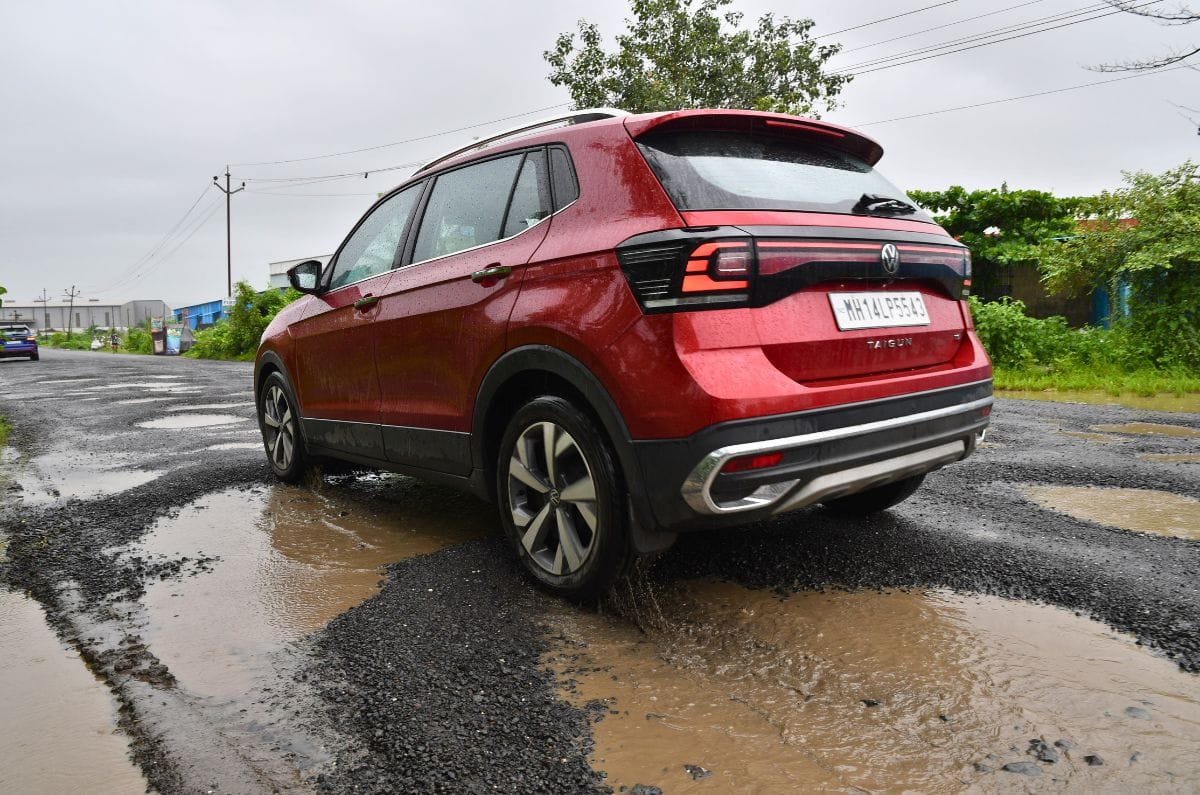
Similarly, driving too fast through standing water can increase the risk of aquaplaning and may even allow water to damage sensitive mechanical and electrical components. In extreme cases, internal combustion engine (ICE) cars can have water sucked into the engine through the air intake, potentially resulting in severe engine damage. While electric vehicles (EVs) have had their battery packs tested for water ingress protection (IP), puddles and waterlogged areas are best navigated with caution.
9. Don’t restart, don’t panic
If your car stalls after entering a flooded area, do not try to restart it immediately, especially if it is an ICE car. Attempting to crank the engine when water has entered the combustion chamber can result in hydrostatic lock, also known as hydrolocking, which can potentially cause severe engine damage. Switch on your car’s hazard lights, and if it’s safe to do so, assess the situation and move yourself and other occupants to a safe location. Regardless, the best course of action is to seek roadside assistance and have the car thoroughly inspected before attempting to start it again.
10. Have a backup plan
Even if you know a particular route, a heavy downpour can quickly turn it into an impassable stretch. This is even truer for areas that are prone to waterlogging. Before you set out, it is advisable to check weather forecasts and traffic conditions. Moreover, always identify alternate routes to your destination. If conditions continue to deteriorate, it is wiser to turn back or pull over at a safe location and wait for the water level to subside.
Never try to push through a flooded area. If you must, ensure the water level is not more than halfway up the wheel. Drive at a constant speed, avoid changes to throttle inputs, and follow your car’s bow wave. Slowing down or making abrupt changes to throttle inputs can cause water to enter the exhaust system, potentially leading to significant damage.

 Uday Singh

 Glenn Noronha
 Dipan Sur