
Manufacturers are increasingly looking at ways to make motorcycles easier to ride in traffic and off-road conditions without completely removing rider involvement. With urban congestion worsening and adventure motorcycles becoming more accessible to newer riders, brands are now exploring ways to reduce rider fatigue while still retaining the engagement of a conventional geared motorcycle.
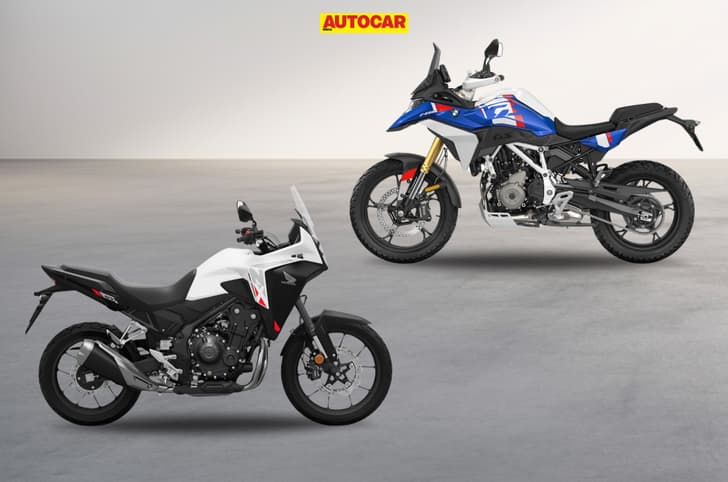
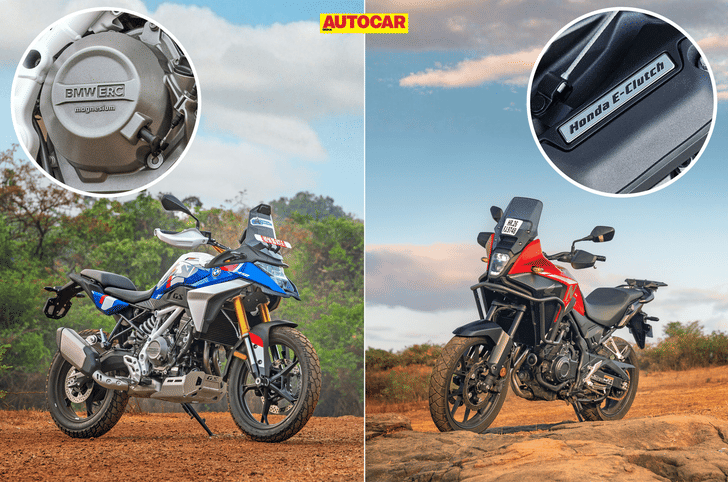
Honda and BMW have approached this idea differently with their respective clutch-assistance technologies: Honda’s E-Clutch and BMW’s Easy Ride Clutch (ERC).
While both systems reduce the need for manual clutch operation, the way they function – and the riding experience they deliver – is quite different. Here’s a closer look at what separates the two systems.
Honda E-Clutch
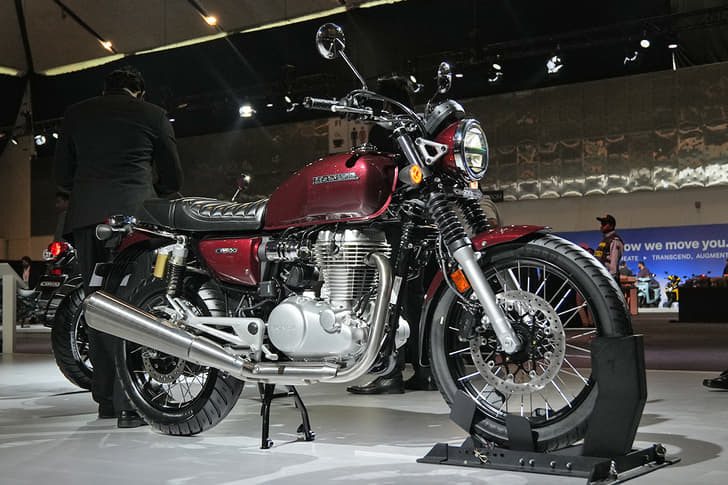
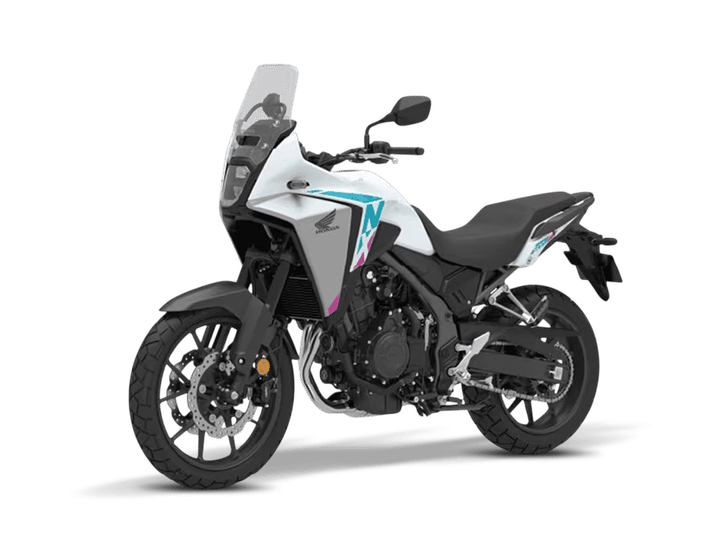
NX500 – Rs 7.44 lakh
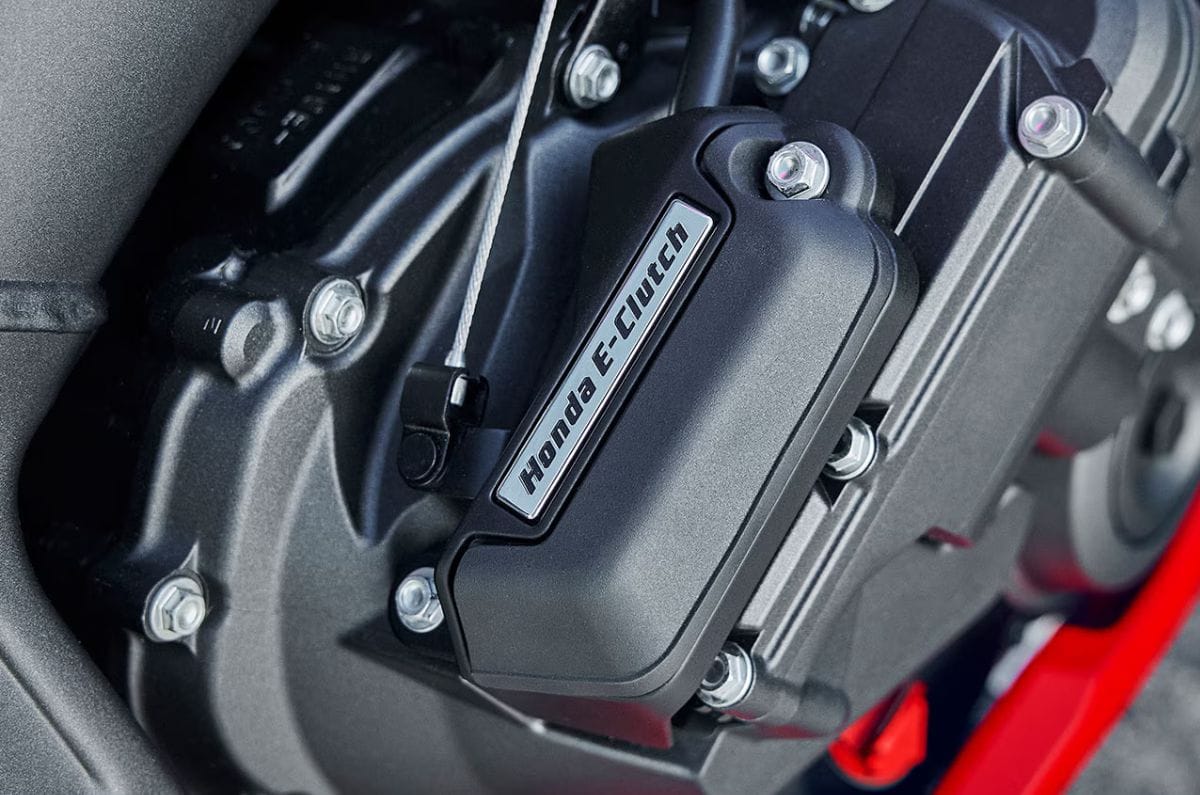
Honda’s E-Clutch uses electronic actuators integrated into an otherwise conventional clutch-and-gearbox setup. When the system is enabled through the TFT display, riders can start, stop and shift gears without using the clutch lever.
In this mode, the clutch lever itself effectively becomes redundant, while the actuators take over clutch operation in the background. Riders continue to use the foot-operated gear lever as normal, and every time a shift is made, the actuators automatically engage and disengage the clutch.
However, Honda has also ensured that the system is not imposed upon the rider. The E-Clutch can be disabled through the TFT menu, after which the motorcycle reverts to functioning like a conventional manual bike, with the clutch lever and gearbox operating normally without electronic intervention.
Honda’s E-Clutch system also adds only around 2-3kg to the motorcycle, and because the bike continues to behave like a conventional manual machine with the system switched off, even conservative riders can simply ignore the feature if they choose to.
This flexibility is what separates Honda’s setup from more permanently automated systems, including Honda’s own DCT. Riders can use the motorcycle like a regular manual bike on open roads and switch to E-Clutch assistance when dealing with heavy urban traffic, where repeatedly operating the clutch can become fatiguing after long hours in the saddle.
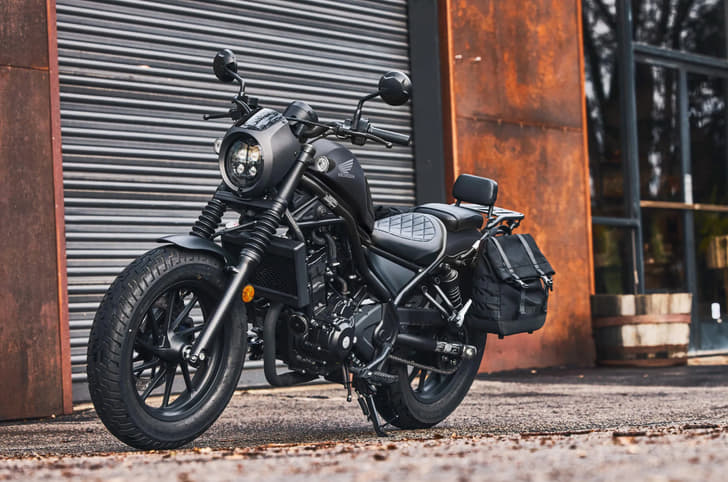
Honda currently provides the system as standard on the NX500. In the recent past, the company offered the CB650R and CBR650R in E-Clutch guise, and all allocated units are now sold out. Internationally, Honda has made this tech available on a whole host of models, including the Rebel 300 and XL750 Transalp, among others.
BMW Easy Ride Clutch
What community is saying on the NX500?
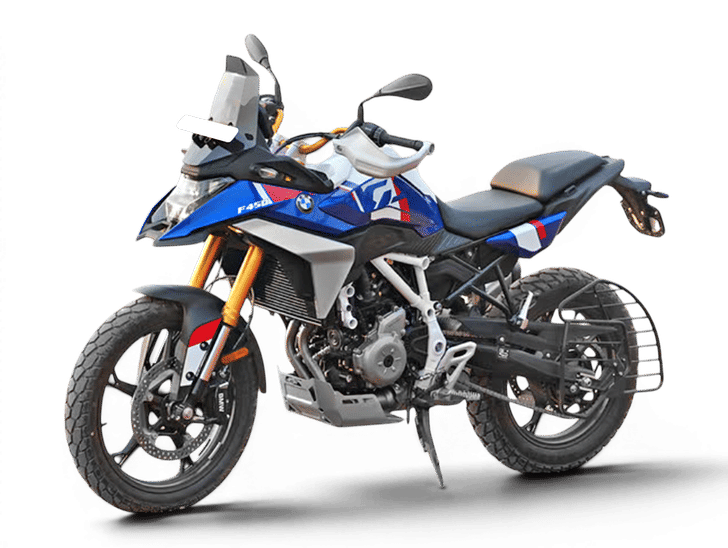
F 450 GS (Trophy variant) – Rs 5.30 lakh
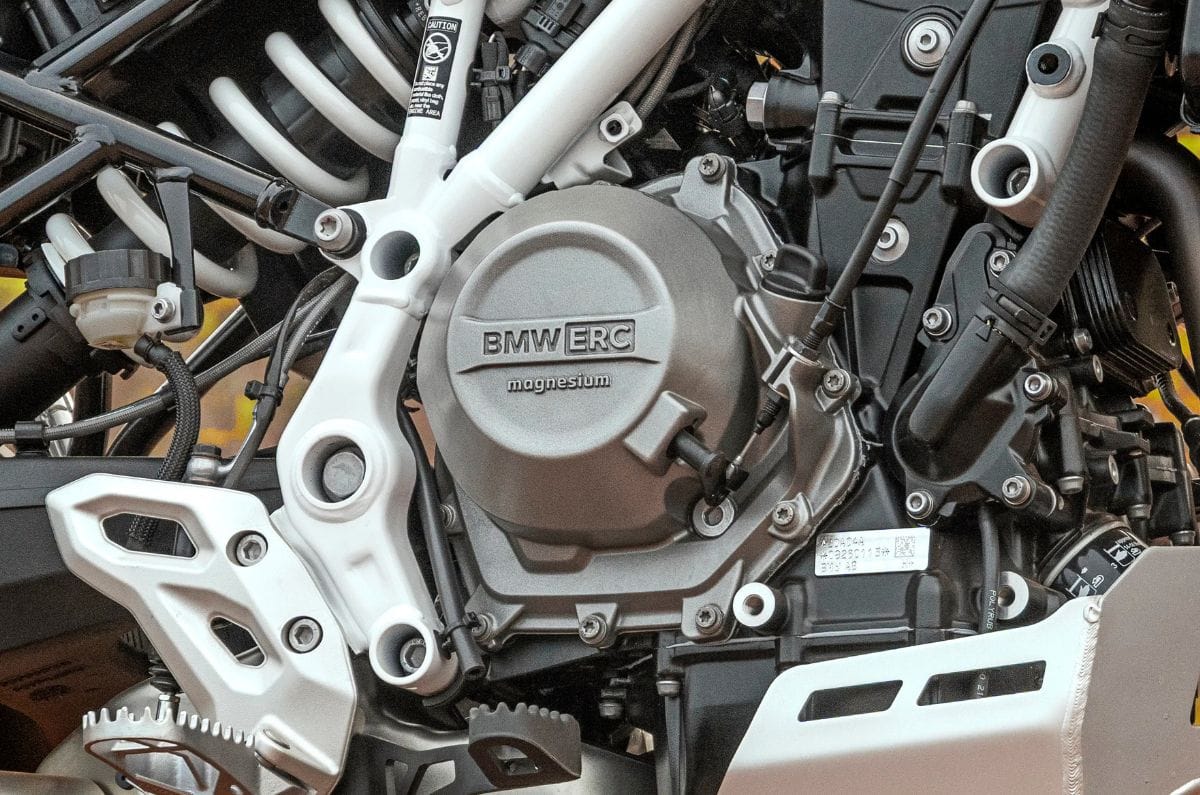
BMW’s Easy Ride Clutch, available only on the GS Trophy variant of the F 450 GS, takes a mechanical approach to simplifying clutch operation. Instead of using electronic actuators, the system relies on a centrifugal clutch mechanism that automatically engages and disengages depending on engine rpm.
At low revs or when the motorcycle comes to a stop, the clutch disengages automatically, helping prevent stalling. As revs rise, the clutch engages progressively and starts transferring drive to the rear wheel. On the F 450 GS, power begins feeding in at around 2,700rpm.
Unlike a conventional clutch setup, riders cannot feather the clutch manually below the engagement point because clutch operation is directly tied to engine speed. This means the system may not offer the same low-speed modulation that riders may be familiar with on a traditional manual motorcycle.
While it is technically possible to move off in a taller gear and let the clutch slip until the engine reaches the engagement rpm, doing so repeatedly would increase clutch wear and could negatively affect long-term durability.
The system could also present certain limitations on steep inclines or technical off-road climbs. Since clutch engagement begins only once the engine crosses the engagement rpm, the motorcycle can momentarily roll backwards before drive is transferred to the rear wheel. Unlike some larger motorcycles and electric two-wheelers, the F 450 GS does not feature a hill-hold function to prevent rollback.
A hill-hold system, or even a simple rear-brake locking mechanism, similar to those seen on some scooters, could have helped counter this behaviour during incline starts.
BMW continues to offer the Base and Exclusive variants of the F 450 GS with a conventional manual clutch setup, which may appeal to riders who prefer direct clutch control and a more traditional riding experience.
Interestingly, Honda’s E-Clutch and BMW’s Easy Ride Clutch offer flexibility in very different ways.
Ultimately, it comes down to rider preference
The new Honda NX500 with E-Clutch commands a noticeable premium, priced at Rs 7.44 lakh, making it Rs 1.11 lakh more expensive than the outgoing model. However, riders still have the freedom to simply switch the system off and use the motorcycle like a conventional manual machine.
BMW, meanwhile, offers buyers a choice at the point of purchase itself. Those who do not want the Easy Ride Clutch can opt for the BMW F 450 GS’s lower Base and Exclusive variants with a traditional clutch setup. But if a buyer chooses the GS Trophy variant with ERC, the centrifugal clutch behaviour remains an inherent part of the riding experience that cannot be altered after purchase.
Ultimately, a proper test ride will remain the best way to understand whether these systems genuinely improve convenience in day-to-day riding or whether a conventional manual setup still feels more natural.

 Vishal Venugopal
 Stephen Raj Antony