History has a habit of repeating itself. Remember the oil crisis of the ‘70s? It caused massive volatility in the price of oil and caused makers of sports cars to either evolve or die. Today’s political and financial climate in the Middle East feels hauntingly familiar. And guess what, Porsche is in trouble again. Its EVs aren’t selling as well as they were expected to, profits are down 93 percent and the company is in the middle of a line-up rejigging, re-looking at internal combustion options.
Widening the net
Back in the ‘70s, the oil crisis meant Porsche had to do something similar; make a sports car that appealed to a wider audience and larger customer base. The company had already done this twice, with varying degrees of success. The first was the 912, a flat-four-powered 911. The car was agile, fun, and more affordable. But it wasn’t a 911 and was only moderately successful. Then, in the early ‘70s, came the mid-engine 914. Made with Volkswagen, it was a big success and came with both flat-four and flat-six engines.
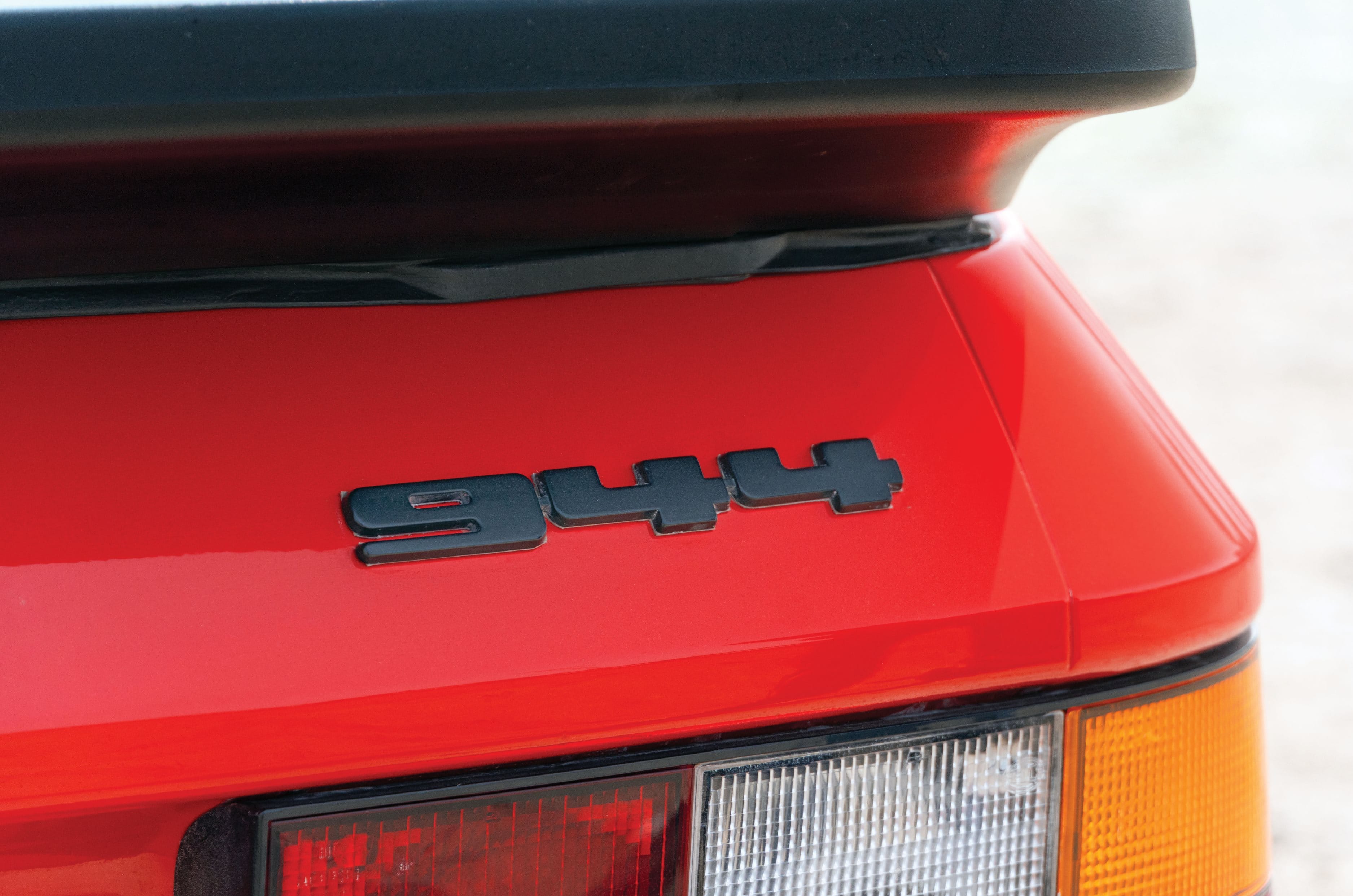
Then Porsche moved to the 924, another joint project with VW. A version of this front-engine, rear-drive coupé was meant to be Volkswagen’s Scirocco, and Audi had planned a version too. But at the last minute, the duo bailed, leaving Porsche standing alone propping up the 924. Luckily, Porsche managed to salvage the project and, as a result, the company. Many parts came from VW, and Audi manufactured the car at its Neckarsulm factory. The 944 is a more evolved, faster and more fun version of the 924.
Timeless proportions
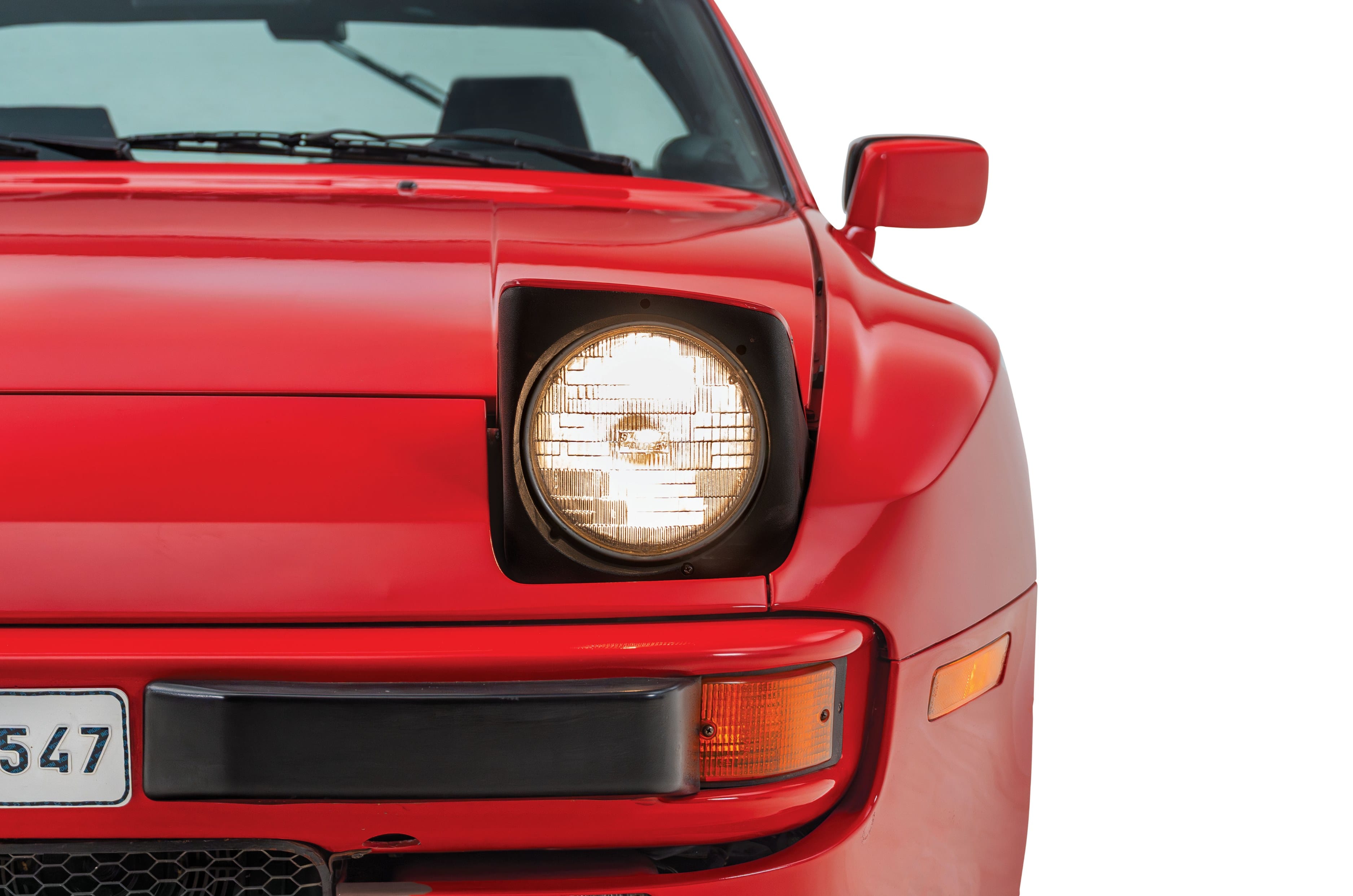
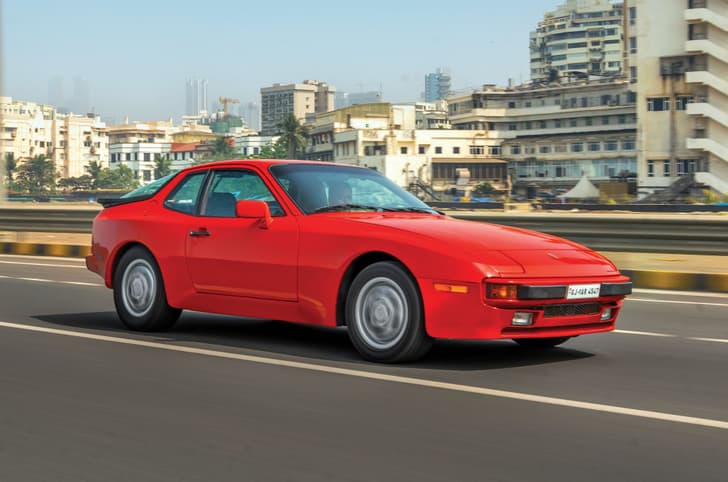
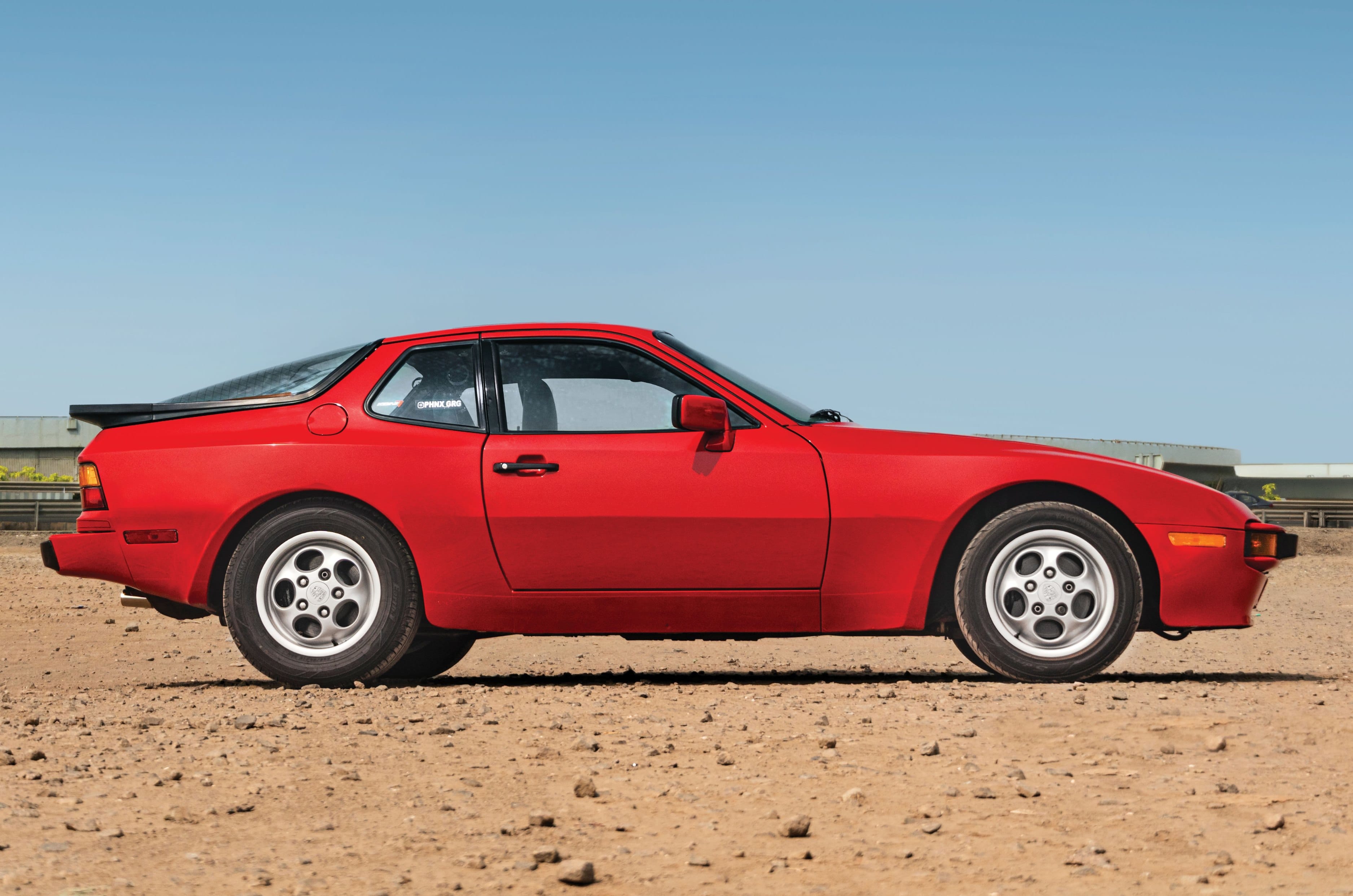
Whichever way you look at it, the 944’s silhouette remains current even today... the clean lines of the coupé giving it an almost timeless look. The long, low bonnet stretches forward, framed by pop-up headlamps that still delight. The roofline is tight and neatly executed, flowing into a glass hatchback rear, and surrounding the rear of this 1987 model is a big rubber, tray-like spoiler. Despite this, it is the details that make it stand out. Sharp-cut and flared wheel arches lend it muscularity, the Coke-bottle shape looks attractive and the telephone-dial alloys reinforce the stance. Even the American-spec bumper, a chunky rubber extrusion, adds character. It’s a car that still makes people stop, stare and snap photos, proof that the design language feels current even today.
Smart Engineering
Easily the most controversial feature of the 944, however, was its engine. A 2.5-litre four-cylinder – purists scoffed, Americans wanted sixes or eights, and four cylinders at the time just didn’t seem like enough. The more things change, the more they stay the same.
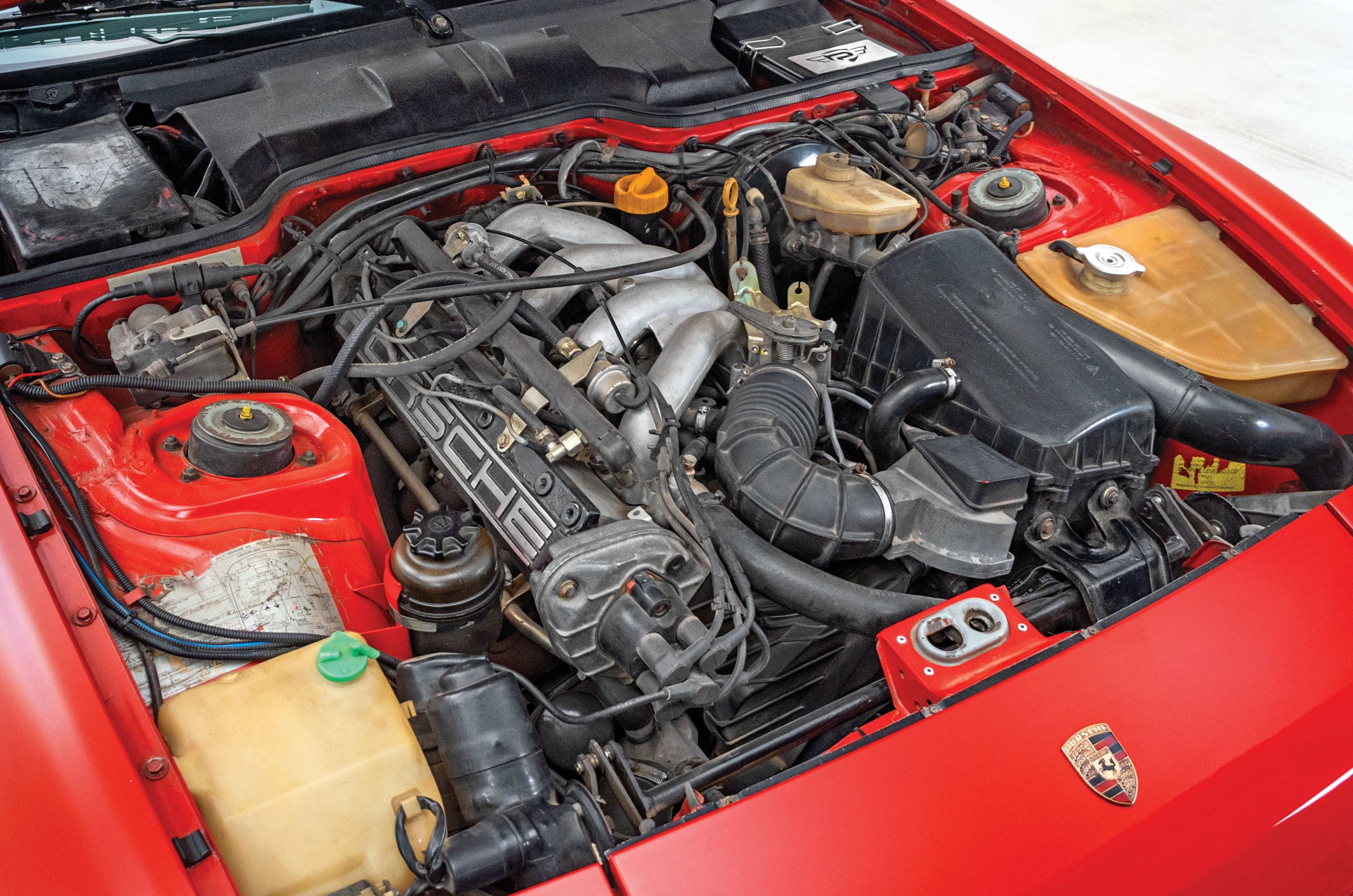
Yet Porsche’s big-bore four was well suited to its role. With large pistons, it delivered good responses, a strong mid-range, and even revved out in a sporty manner. Because the block is tall, Porsche tilted it sideways to fit under the low bonnet. The big tech feature was that the gearbox sat at the rear, part of a transaxle layout that gave the car near-perfect weight distribution. This may have been complex to execute, but brought a certain simplicity to the engineering of the rest of the chassis. Not having to manage a mass of weight transfer at one end of the chassis, there was no need for expensive hardware when it came to the suspension.
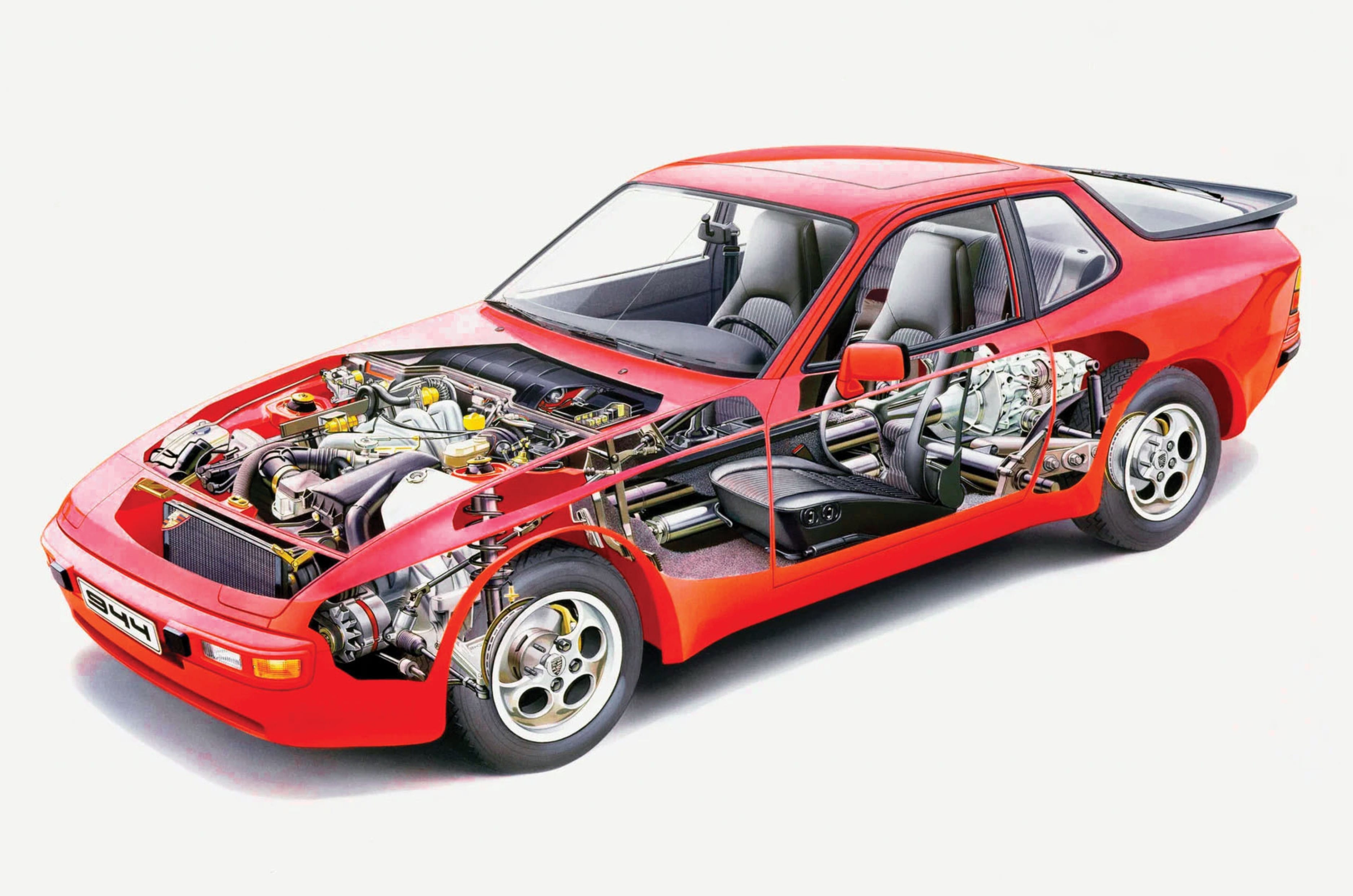
To add rigidity, Porsche also used another trick; a torque tube. A rigid, hollow pipe that physically bolts the engine in front to the transmission at the rear, it’s much more than just a cover for the driveshaft. Acting like a structural member of the chassis, connecting the front and rear into one solid unit, the torque tube resists “twisting” forces and helps keep the suspension locating points well located, even when under load. What’s interesting is that the torque tube is another engineering concept first used by Tatra and pioneered by engineer Hans Ledwinka. The latter was also the pioneer of the air-cooled rear engine. Ferdinand Porsche often mentioned that both engineers often ‘looked over’ each other’s shoulders during early days. Trucks from the Czech company still use the torque tube today.
Solid, German Cabin
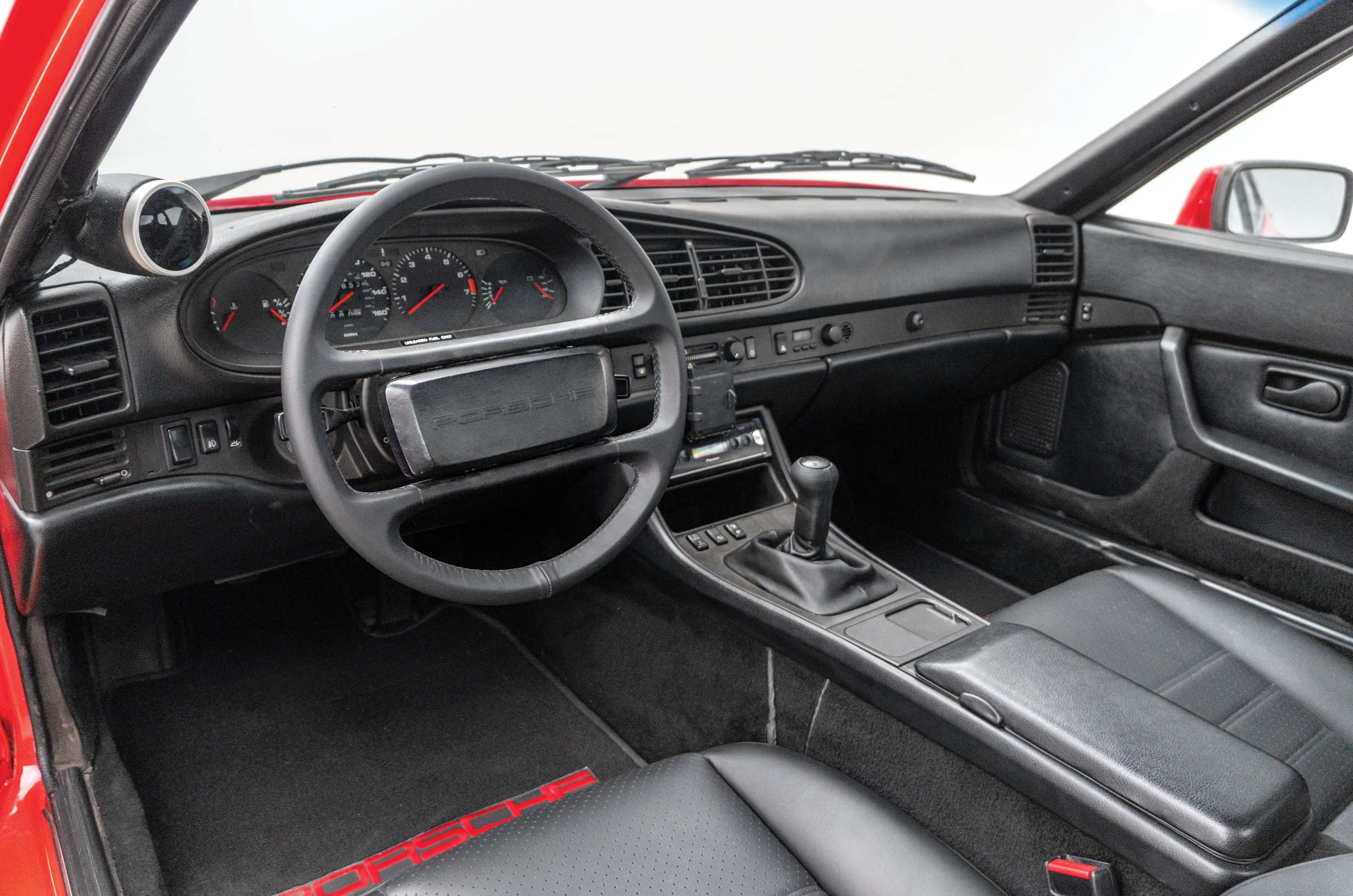
Timeless on the outside, timeless on the inside, the 944 feels unmistakably Porsche; and almost ageless. It’s difficult to imagine a dash from the ‘80s looking and feeling so current today, but that’s just what it is. It consists of a neat instrument binnacle, a row of white-on-black dials with orange needles and a very ‘80s four-spoke steering wheel with the rectangular wedge-shaped hub.
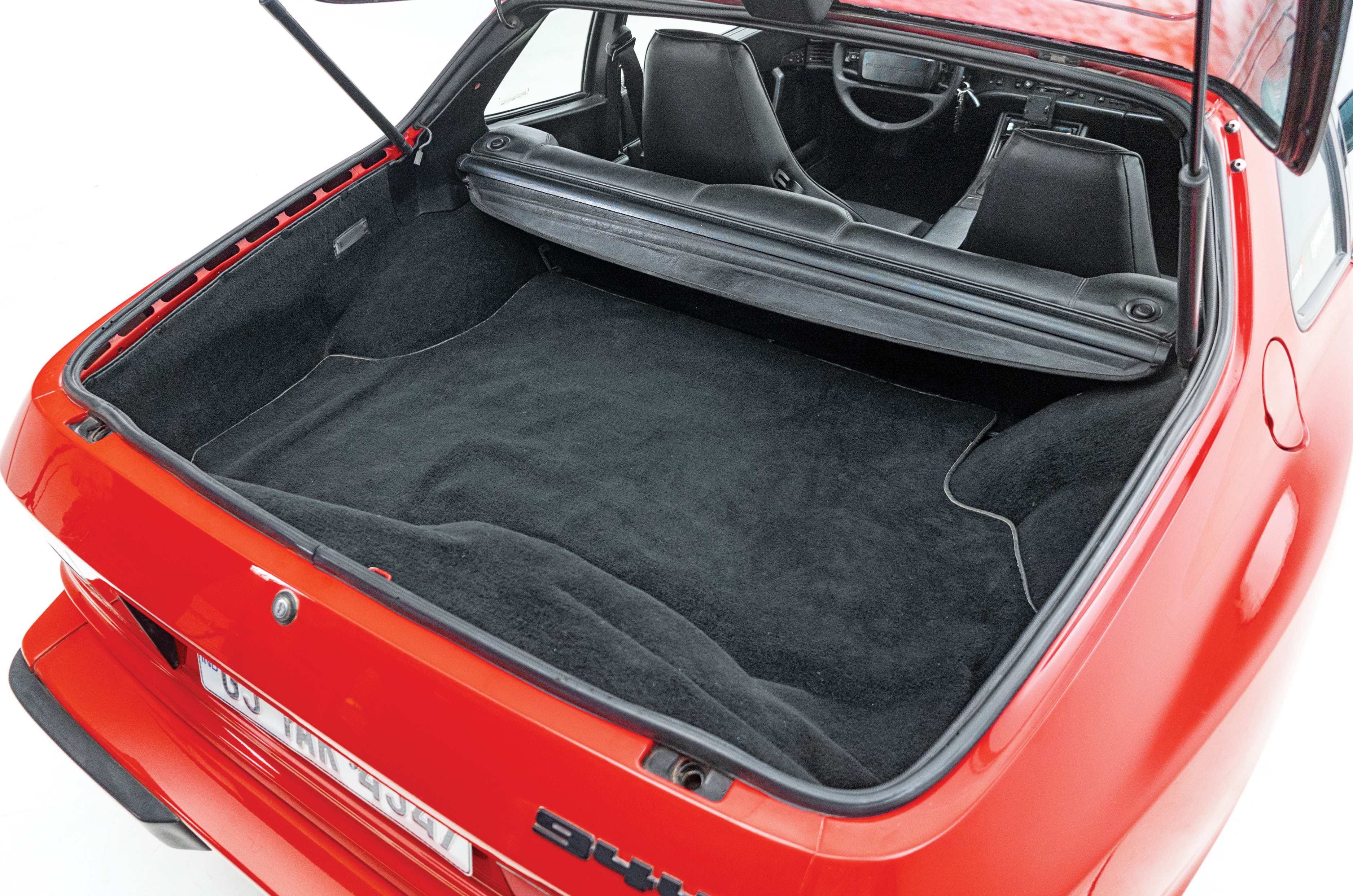
And then what stands out is the mushroom-shaped gear lever. Quirky touches include a trip reset button hidden in the faux AC vent... imagine having to find that before a fuel economy test! And this is a two-plus-two, so you have some tiny seats in the back. While the boot appears to be cavernous on the outside, it’s shallower than you expect. The transaxle takes up a lot of space below, hence the relative lack of space. The hatch, however, swallows two suitcases flat, so for a sports car, it is genuinely usable.
Sportsstar
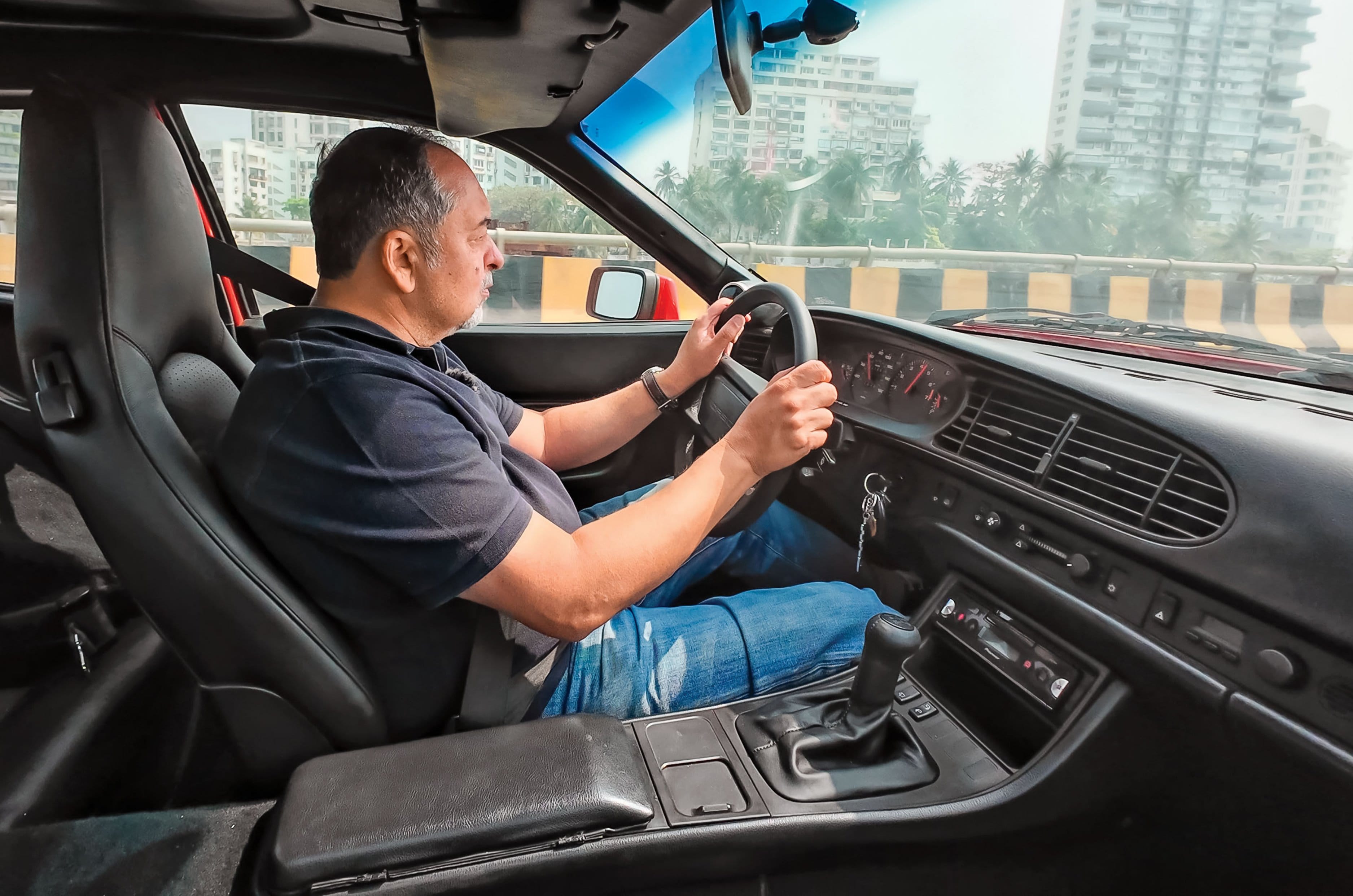
Settling down behind the wheel, on the tall bucket seats with integrated headrests, the driving position is just right. The steering wheel feels smaller than it looks, which is cool, and then what immediately gets me grinning is the light and mildly rubbery motion of the stubby gear lever.
Time to get going, and on start up, the four-cylinder engine had a rotty thrum and a willingness to rev. The engine is responsive from low rpm, making city driving easy, and the car’s controls and responses are so well calibrated, it puts you at ease almost immediately. I didn’t expect much from the 163hp engine initially, it’s such a pedestrian figure today, but the big-bore (100mm) pistons pull smartly when you put your foot down. This is accompanied by a nice throaty thrum, and then as you go past 3,000rpm, the tug from the motor gets even stronger. Press on, and the free-revving nature of the engine makes driving it effortless, the engine emitting a raspy snarl as the tachometer swings past 5,000rpm. It isn’t fast, but it feels sporty when extended, and entertaining – a perfect match for the car’s character. For the record, 0-100kph comes up in approximately 8.5 seconds.
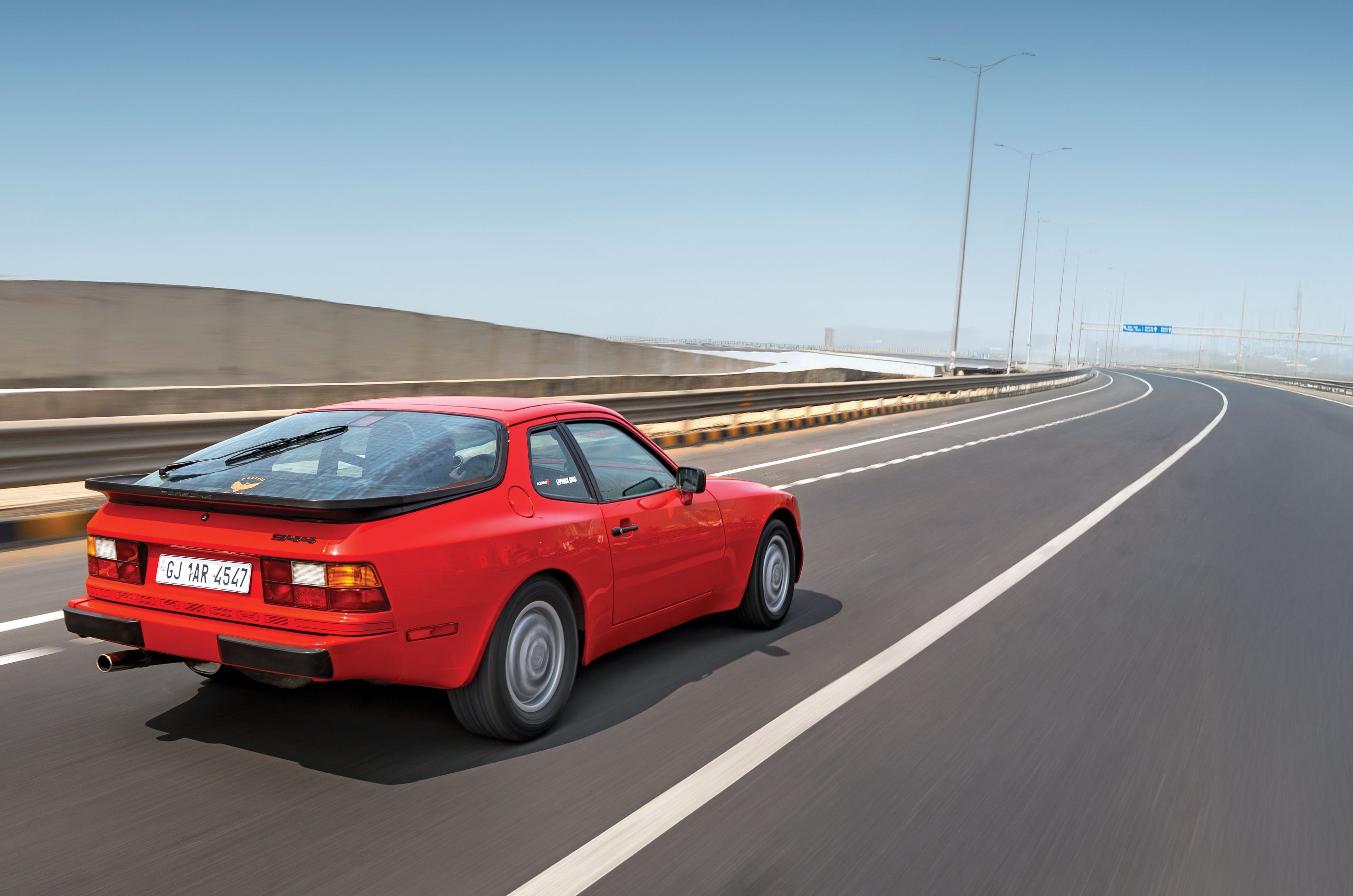
The real charm, however, is in its light, friendly manner in which it drives. The steering is nicely weighted, with loads of genuine feedback filtering back to your hands; the chassis feels agile, and then what really hits the spot is just how well balanced it feels when you start taking corners faster and faster... the weight of the transaxle working its magic at the back. No, it doesn’t quite dart in and out of corners like a go-kart, but for a rear-wheel-drive coupé of its era, the 944 is nothing less than a sweet, sweet drive. What’s more, the 944 still feels robustly put together, even 40 or so years down the road.
Waiting to be re-born
For those lucky enough to drive one, the 944 proves that Porsche’s genius wasn’t confined to the 911. Stepping away from the 944, I can’t help but feel it would have worked superbly even today. Sure, it was a car born out of necessity, a car meant to fulfil a very specific role at a very competitive price point, but it was so good at what it did that it played a big role in saving the company. Reminds me of Ferry Porsche’s immortal quote... “if you change too much, you risk getting rid of your best cars.” So, should Porsche bring it back and place a similar front-engine, rear-drive coupé below the Boxster? Sounds like a no-brainer.
Saving a lost jewel from Gujarat
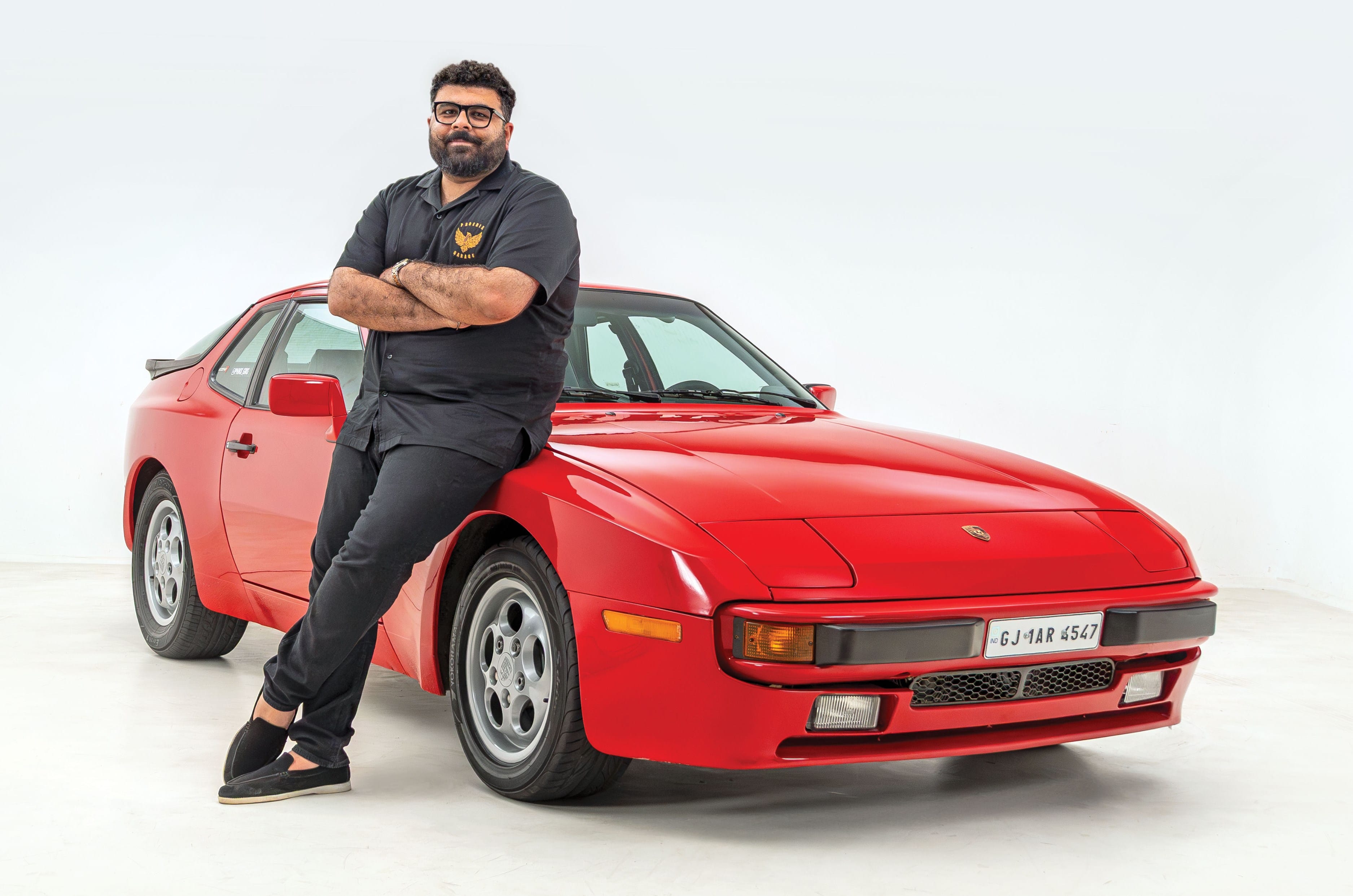
Vaibhav Nayar, a self-confessed mad car guy, stumbled upon a 944 in Rajkot, Gujarat. He was there to buy a BMW E28, but a covered silhouette caught his eye. The moment the cover came off, he knew he had to have it. Convincing the owner wasn’t easy. But eventually, persistence paid off. The 944 was his – though in a sorry state. A non-runner, it barely cranked. What followed was a two-year restoration at Phoenix Garage in Delhi, with over 1,500 man-hours poured into bringing it back to factory spec. With the help of Raj Kapoor, the car was painstakingly rebuilt.

 Uday Singh
 Dipan Sur
 Glenn Noronha