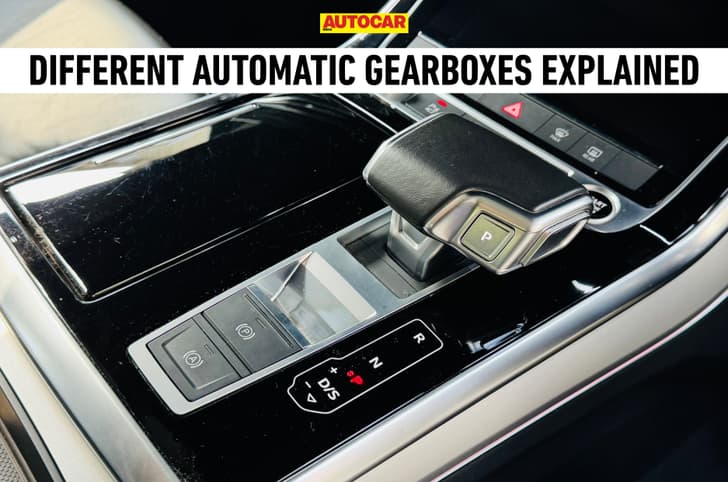
A gearbox is one of the most important components in a car. It transfers power from the engine to the wheels and helps the vehicle operate efficiently across different speeds and driving conditions. Automatic gearbox options in India have expanded significantly over the years. Buyers today can choose from AMTs, CVTs, torque-converter automatics, dual-clutch transmissions and even single-speed gearbox setups in EVs.
Each type offers a different driving experience. Some prioritise affordability and convenience, some focus on outright performance, while others value efficiency. Here’s a closer look at the different automatic gearbox types currently available in the market, how they work and which kind of buyer they suit best.
Automated manual transmission (AMT)
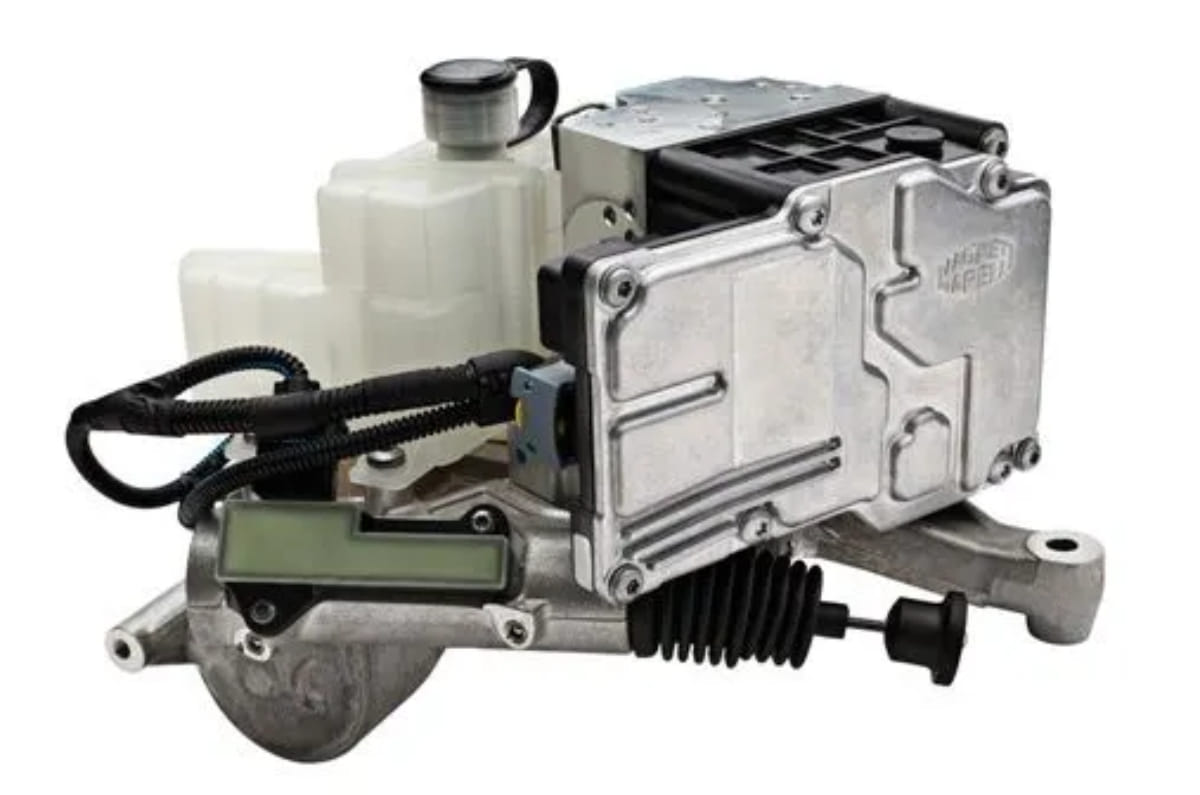
An AMT is mechanically very similar to a manual gearbox, but the clutch and gear changes are controlled automatically using sensors and actuators.
AMTs have democratised automatic gearboxes by being much more affordable. They are also relatively fuel-efficient and inexpensive to maintain, making them ideal for buyers looking for an affordable automatic car primarily for daily city commuting.
However, AMTs are not particularly refined. Gear shifts can feel slow and jerky, especially during quick acceleration or low-speed driving. They are also not well-suited for enthusiastic driving.
Continuously variable transmission (CVT)
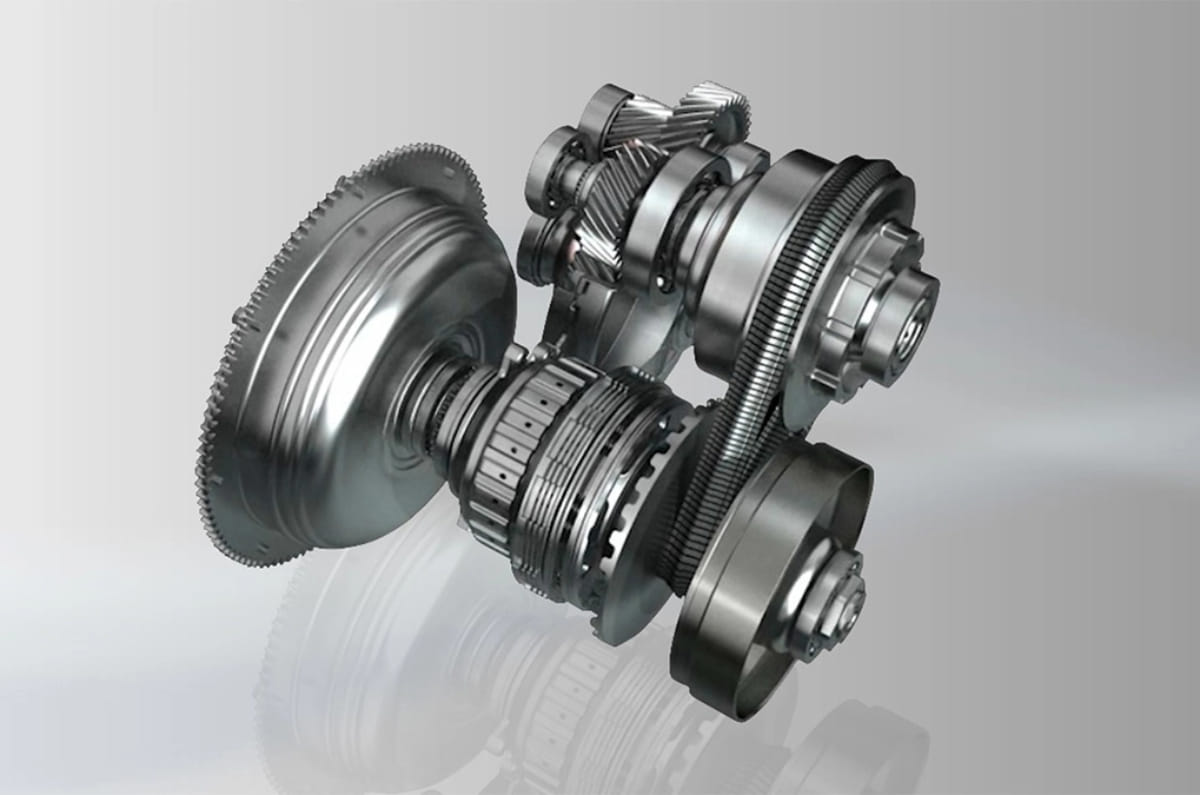
Unlike conventional automatics that shift through fixed gear ratios, a CVT continuously adjusts its ratios using a belt-and-pulley system, which means there are no distinct gear changes. The result is a very smooth and seamless driving experience, especially in everyday traffic.
The trade-off comes when you accelerate hard. Because the system is designed to keep the engine in its most efficient power band, engine revs can rise quickly before the car’s speed builds up proportionately. This creates the familiar ‘rubber band’ sensation, where the engine sounds busy, but the acceleration feels slightly delayed or disconnected, something keen drivers may not enjoy.
That said, for buyers who prioritise smoothness, ease of driving and relaxed city commuting, a CVT works very well. It is also typically more efficient when driven in a calm, steady manner.
Planetary gearbox
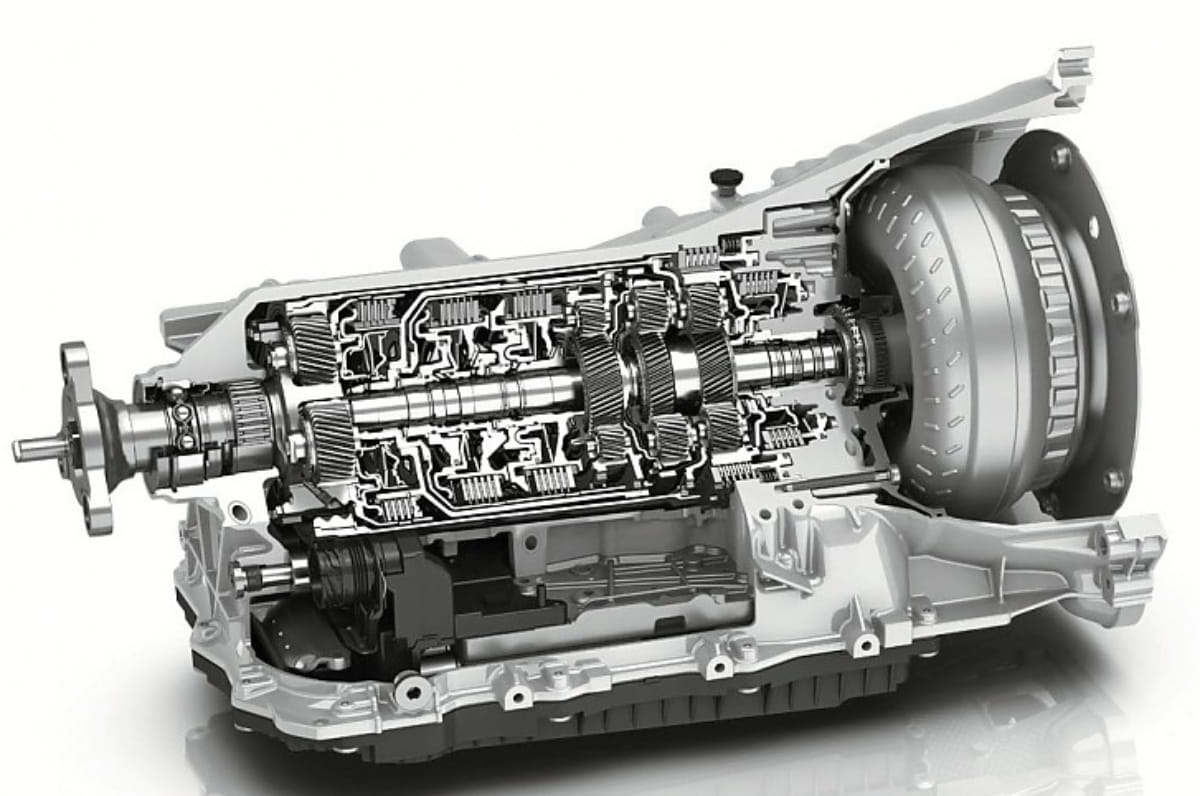
A planetary gearbox, popularly known as a torque-converter automatic gearbox, is one of the oldest and most widely used automatic transmission types globally. Instead of a conventional clutch, it uses a fluid coupling called a torque converter to transfer power from the engine to the gearbox.
Planetary gearboxes are known for their smoothness and reliability. These gearboxes are particularly well-suited to buyers who want a comfortable and smooth driving experience. They also perform well in larger diesel SUVs because they handle high torque outputs effectively. However, they are relatively more expensive than CVTs and AMTs, besides being more complex in nature.
While older torque converters were noticeably less fuel-efficient, modern versions have narrowed that gap considerably, though they can still be less efficient than AMTs or dual-clutch automatics in certain conditions. Their gear shifts can also feel less immediate than a dual-clutch gearbox, which is designed for quicker shifts.
Dual-clutch transmission (DCT)
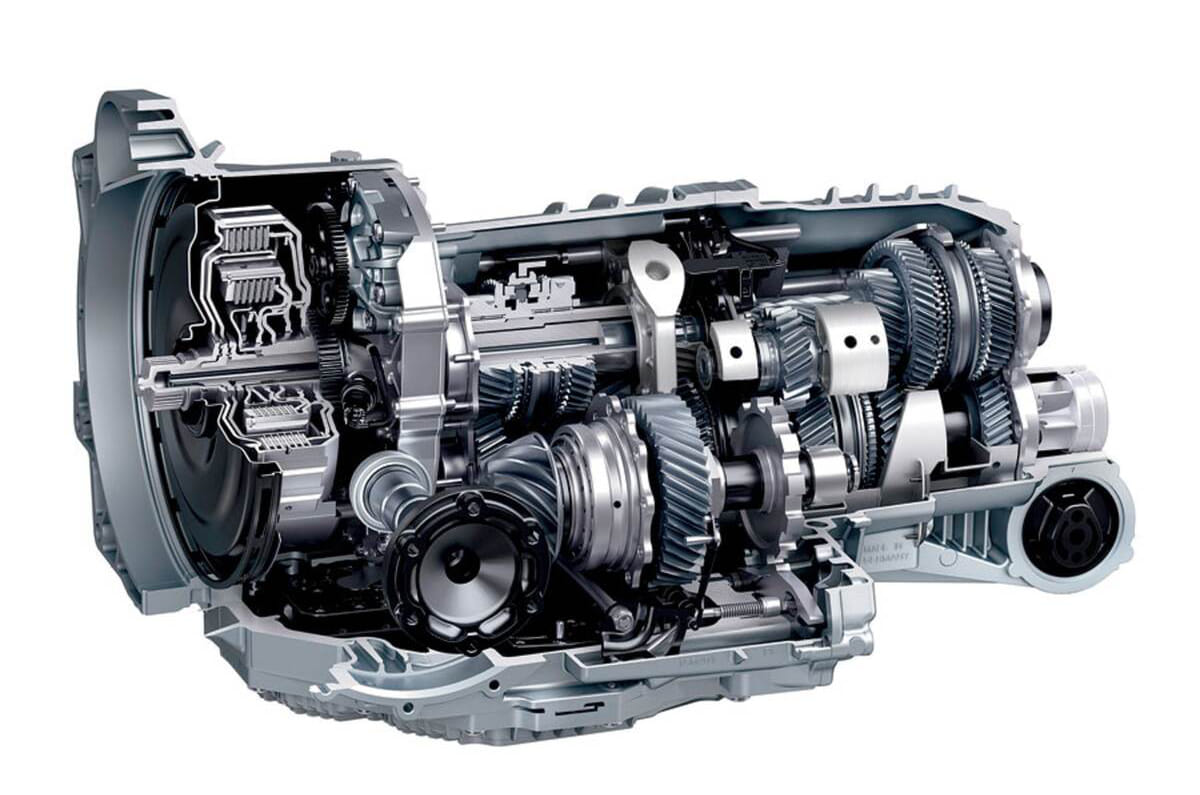
Dual-clutch transmissions use two separate clutches, one for odd-numbered gears and another for even-numbered gears. This allows the next gear to be pre-selected, resulting in extremely quick gear shifts with minimal interruption in power delivery.
There are two types of dual-clutch gearboxes: dry clutch and wet clutch. Dry clutch systems, like those used by many Kia and Hyundai turbo-petrol models, are lighter and typically deliver quicker, sharper shifts, which adds to the sporty feel. However, they can feel jerkier at very low speeds and are generally more prone to heat buildup in prolonged stop-and-go traffic.
Wet clutch systems, such as the one in the new Renault Duster, run the clutches in oil for cooling. This makes them smoother at crawling speeds, better able to handle higher torque outputs and less susceptible to overheating in heavy traffic. The trade-off is that wet clutch systems are usually a little heavier, and their shifts can feel slightly slower or less crisp than a dry clutch setup.
DCTs are widely used in performance-oriented cars as they feel far more responsive than most other automatic gearboxes and deliver very fast shifts, making them ideal for buyers who prioritise performance, responsiveness and a more engaging driving experience.
The downside is complexity and cost. DCTs are mechanically more complex than most other automatics, which can make repairs expensive, and they are generally not as smooth or seamless as a good CVT or a torque-converter automatic at low speeds.
Gearboxes in EVs
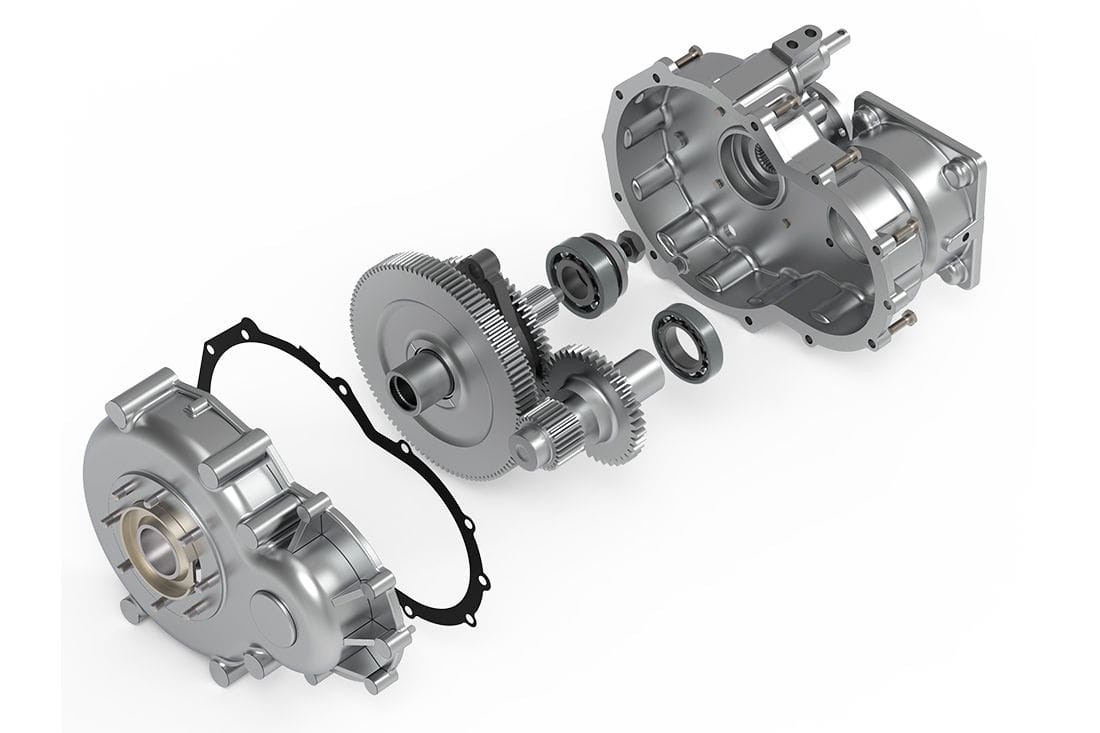
Most electric vehicles use a single-speed reduction gearbox instead of a conventional multi-gear transmission. Since electric motors produce instant torque across a wide operating range, multiple gears are generally unnecessary.
That said, multi-speed gearboxes are still possible in EVs. Some production EVs, such as the Porsche Taycan and the upcoming electric C-Class and EQS facelift, use a two-speed transmission. Using multiple gear ratios can improve low-end acceleration, top speed and even efficiency marginally.
However, since a single-speed setup already delivers most of the required performance while keeping costs and mechanical complexity lower, nearly all EVs today continue to use a single-speed gearbox.

 Uday Singh
 Glenn Noronha
 Dipan Sur