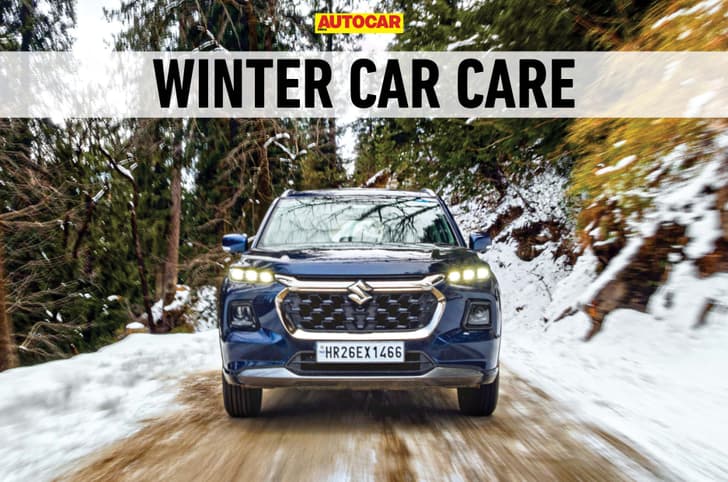
Winter is upon us, and brings with it a unique set of challenges for car care. Proper winter preparation helps ensure safety and reliability for any car – petrol, diesel, EV, or hybrid – when temperatures drop or snow falls. Follow these tips during winter to keep your car running optimally until the cold subsides.
Battery care and charging
Check battery condition
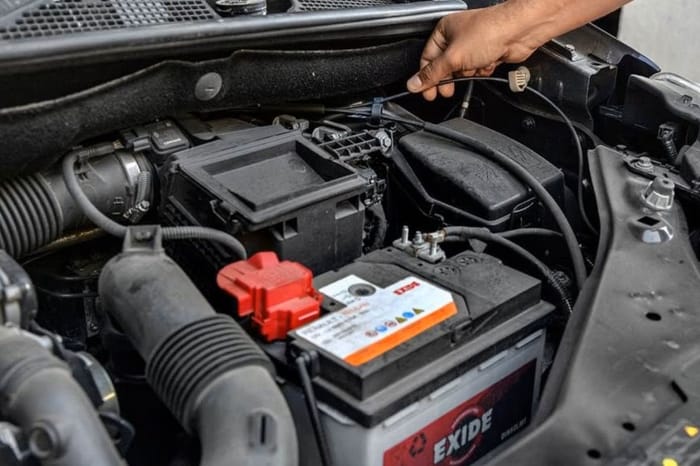
Cold weather reduces battery efficiency significantly due to a slowdown in its inherent chemical reactions. Before winter, have your 12V (lead-acid) battery tested (replace if weak) and keep the terminals clean, tight, and corrosion-free.
Parking
If you park for very extended durations, use a trickle charger to prevent the battery from going flat. Whenever possible, park indoors or underground to shield the battery from freezing temperatures.
For ICE and hybrid cars

Take the car on longer trips every week or so to keep the battery topped up. Avoid using several electrical functions (heated seats, radio, extra lights) simultaneously during cold starts.
For EVs
Expect a range loss of 10-20 percent in cold temperatures. Warm up the car while it’s still plugged in – this uses grid power to heat the cabin and battery rather than depleting your charge – and avoid letting the battery pack SoC (state of charge) fall below 20 percent to avoid deep discharge.
Tyre maintenance
Assess condition of tyres
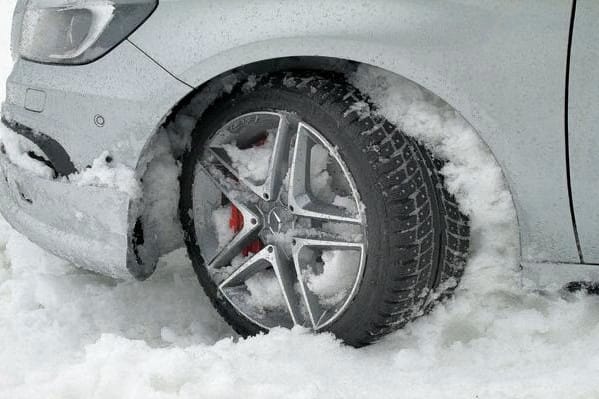
If you live in a region where it snows, your tyres must be in optimal condition. Use dedicated winter tyres when temperatures are consistently below 7 deg-C; their softer rubber and tread pattern dramatically improve traction. Check tread depth on all tyres (including the spare) – replace tyres that have less than 2mm of tread depth.
Inflate tyres properly
Cold air lowers tyre pressure, so ensure to check your pressures regularly. This is where tyre pressure monitoring systems come in handy. Inflate to the manufacturer-recommended pressure (found on the door placard), not the tyre’s max pressure.
Spare tyre and maintenance
.JPG?w=700&c=0)
Ensure your spare tyre is inflated and accessible. Rotate tyres if needed before winter for even wear, and have them balanced and/or aligned as required.
Snow chains
In some severe scenarios, even winter tyres may not offer enough grip. Carry approved tyre chains or cables for severe mountain or deep-snow conditions; practice installing them safely in advance.
Fluids
Engine oil
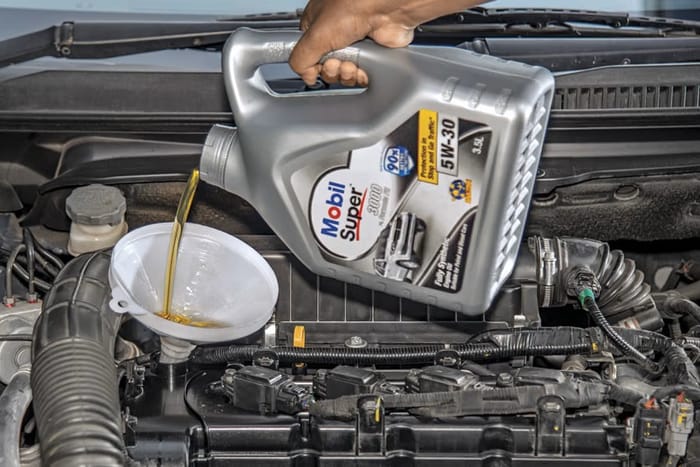
If applicable, use the viscosity grade recommended for winter in your owner’s manual. Colder weather thickens engine oil, which makes cold starts harder and extends their durations. If the engine oil looks dark or gritty, have it changed. Those residing in extreme winter conditions should also consider a winter-grade engine oil, like 0W-30.
Coolant/Antifreeze
Ensure an equal mix of antifreeze and coolant in extremely cold conditions. This mixture allows for smoother startups and protects the engine from overheating and corrosion. If the coolant levels are low, or it looks rusty or sludgy, flush and replace it as soon as possible.
Transmission fluid
Regardless of whether you have a manual or automatic car, check the transmission fluid and change it if required. Old transmission fluid may gel and cause hard shifting during the winters.
Fuel
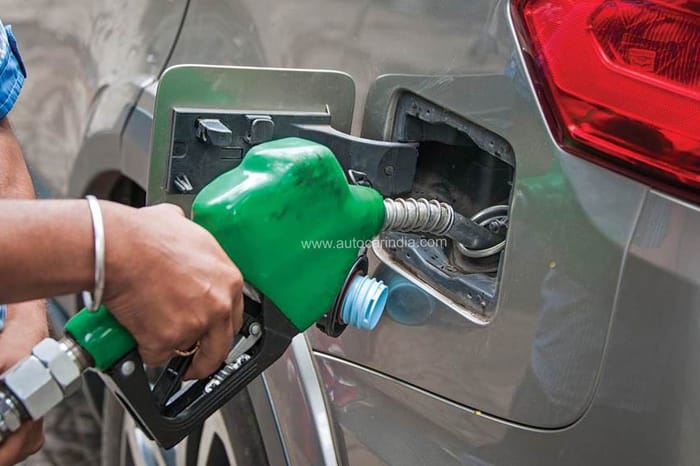
Diesel can gel in very cold weather, so add an anti-gel or anti-wax additive into the fuel tank if temperatures dip toward freezing. For petrol cars, keep the fuel tank at least half full during winter. A fuller tank reduces the chance of condensation, which can freeze in the fuel lines.
Brake fluid
Water or moisture in brake fluid can freeze during the winters and reduce braking power. Check brake fluid levels and clarity – bleed and refill if the fluid is old or moisture content is high.
Wipers
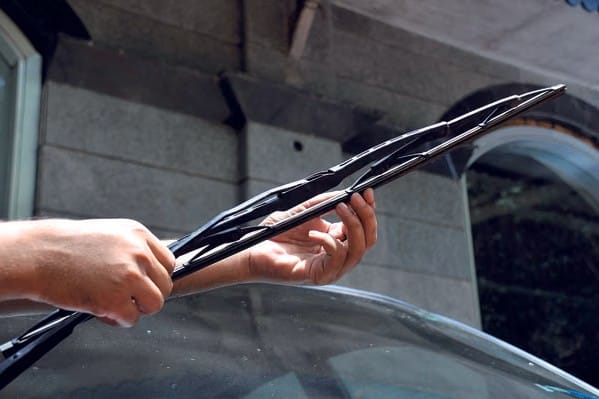
Replace old or cracked wiper blades promptly. Cold weather can stiffen rubber, which creates streaks across the windshield during operation. If you live in a region where it snows heavily, lift your wipers off the windshield before parking. This prevents the blades from freezing to the glass, which can tear them when you start up. Additionally, ensure the washer fluid nozzles are not clogged or frozen.
Heating and defrost systems
Verify airflow
Have the heater and defroster checked. These use engine heat and the HVAC compressor to clear windows. Make sure warm air blows steadily through the defrost vents.
HVAC system
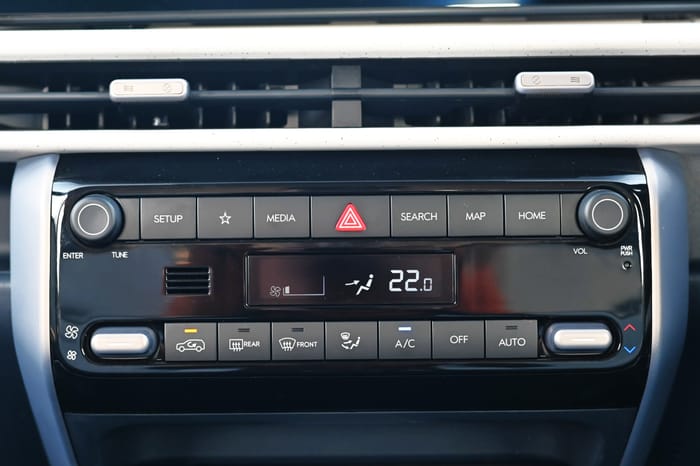
The defrost mode engages the AC (even during winter) to remove moisture. Verify that the AC compressor kicks in when you select defrost. Low refrigerant or a bad compressor will retain humidity in the cabin.
Cabin air filter
Replace the cabin air filter if it’s dirty. A clogged filter chokes airflow, making the defroster sluggish. Fresh filters ensure maximum warm airflow to the windshield.
Exterior protection
Rust inspection
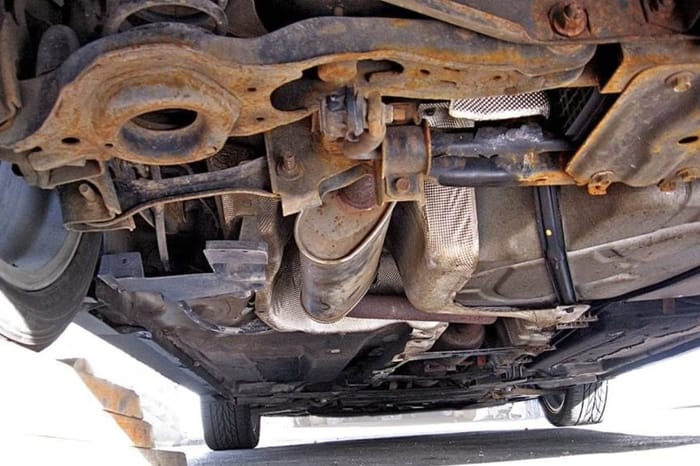
Periodically inspect the bodywork and underside for bubbling paint or corrosion. Catching and treating rust early with primer or specialized spray can prevent serious damage. You can preventatively apply an anti-rust coating to the underbody as well.
Protect fitments
Lubricate door locks, hinges, and weather seals with silicone spray or graphite lubricant to prevent sticking or freezing. If the wipers become stuck, carefully free them (never force them with the motor running). Use rubber snow covers or petroleum jelly on wiper rubber if heavy ice is expected.
Emergency kit
Prepare for winter emergencies by keeping a well-stocked essentials kit in your car. Some critical items include snow chains, jumper cables, tow strap or rope, flashlight and extra batteries, first-aid kit, power bank, extra windshield washer fluid and antifreeze, non-perishable food and bottled water, and more. Blankets, warm clothing, gloves, and hats are recommended too.

 Uday Singh

 Glenn Noronha
 Dipan Sur