Autocar India
9w

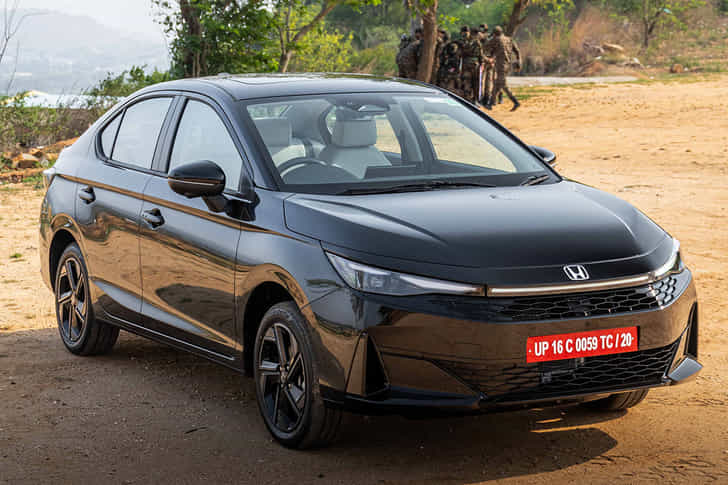
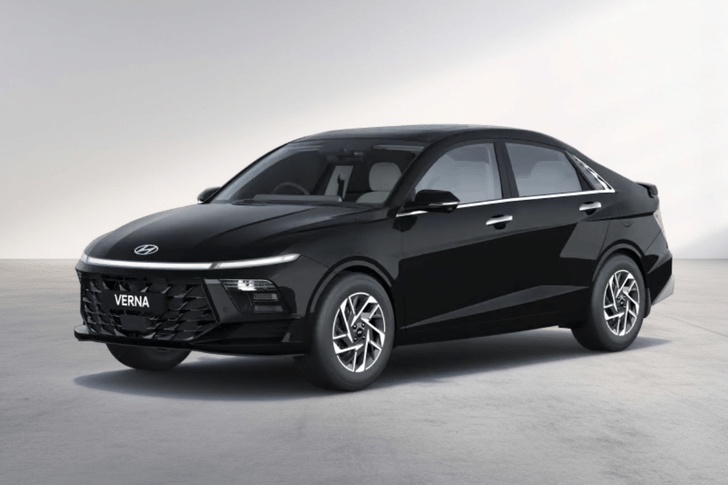
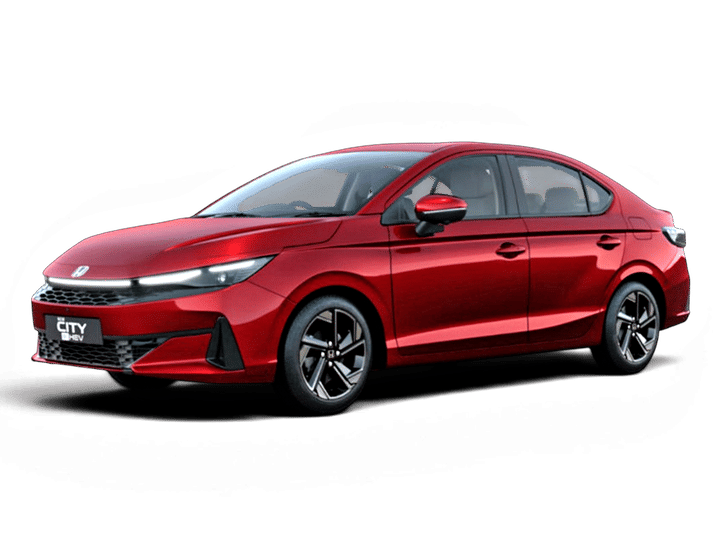
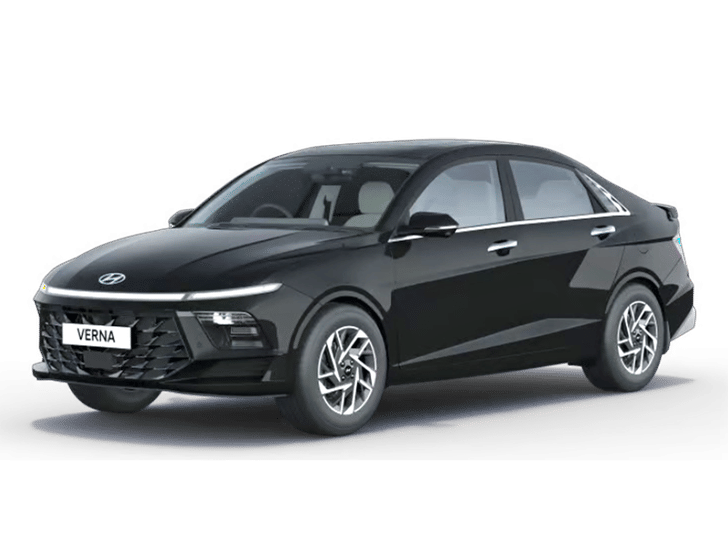
Hyundai Verna 2026 top model vs Honda City 2026 top model - which is the more practical and value-for-money car? Also, what would be Autocar India’s recommendation between the two?

Verified
8w

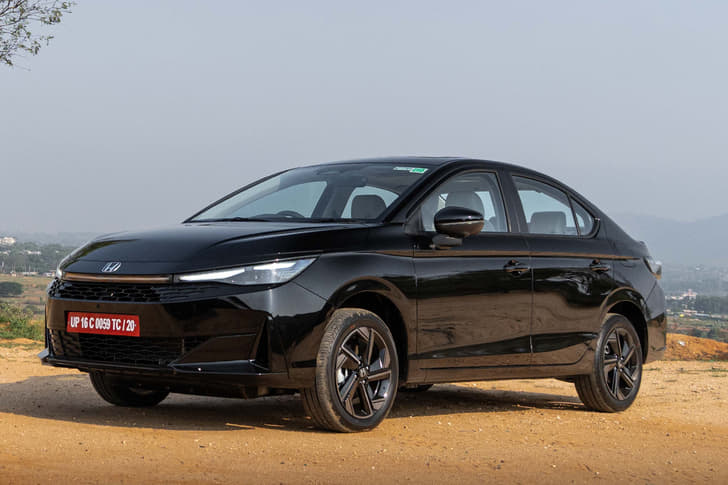
Considering the naturally aspirated engines in both, the Honda City is the better pick. This Honda car rides and handles better, has a nicer back seat, and performance is livelier. Add Honda’s typically higher resale value and lower running costs, and it becomes the better long-term proposition.

Where the Hyundai Verna fights back is with more features and the option of a turbo-petrol engine. If you want the faster, flashier sedan at this price, then the Verna turbo-petrol is the one to have.

For a practical, value-for-money buy over the years of ownership, the City is the smarter pick. Choose the Verna only if performance and extra features matter more than everyday ease of use and efficiency.
Honda City

Honda City

8w

My budget is 14-15lakhs..which car you can suggest ...mid varient is enough for me

8w

My budget is 14-15lakhs will all complete things...which car can suggest? Mid varient is enough for me

More questions on similar cars

1w

Dear Autocar Team, I drive around 45,000 km annually across highways and city roads. I previously owned a pre-owned Toyota Glanza Petrol (October 2020 to April 2024), which covered 90,000 km, and I currently drive a Maruti Suzuki Brezza CNG (April 2024-present), which has now clocked 96,000 km. While the running costs are low, driving a manual car daily has become physically tiring. Additionally, frequent CNG queues and the limited boot space are major inconveniences. Around 85% of my driving is on highways. My questions are: Is 1.5 lakh km the right financial milestone to sell my Brezza CNG before major maintenance or overhaul costs start increasing? I am looking for an automatic strong hybrid car that can comfortably run up to 1.5 lakh km with low maintenance, fatigue-free driving, and a dedicated spare wheel (stepney). Between the Toyota Urban Cruiser Hyryder Hybrid, Hyryder CNG, and Honda City e:HEV, which would be the better choice for my requirements? Looking forward to your guidance.

Verified
3d

With 45,000 km a year and 85% highway driving, your priorities are clear: low running costs, fatigue-free driving and long-term reliability. The Maruti Suzuki Brezza CNG has served you well, but the manual gearbox and CNG queues are taking their toll. 1.5 lakh km is a sensible point to consider selling it before major overhaul costs start to creep in.Since you are specifically looking at hybrid cars, the Toyota Urban Cruiser Hyryder Hybrid and the Honda City e:HEV are the strongest fit. Compared with the Honda City e:HEV, Hyryder offers a more relaxed driving experience, a higher seating position, better ground clearance, and a smoother ride over long highway distances. The hybrid system is well suited to your highway-heavy running and avoids the compromises of CNG, while still delivering excellent fuel efficiency and low maintenance.Overall, the Toyota Urban Cruiser Hyryder Hybrid is the best balance of efficiency, comfort, and long-term reliability for your driving pattern.

VehicleToyota Urban Cruiser Hyryder
VehicleHonda City
2d

Is it worth spending on luxury ICE cars today, or is it better to invest in an EV for a daily run of 80km that includes both city and highway driving? I am considering BYD for the EV option and German rivals for ICE cars. Which would be better with good ground clearance for a long-term ownership period of 10 years?

Verified
5h

For a daily run of 80km with a mix of city and highway driving and a 10-year ownership horizon, the decision between a luxury ICE car and a BYD EV comes down to your priorities rather than a simple ICE vs EV debate.If you are considering German luxury cars, you are looking at a very different ownership proposition to a BYD EV. The German cars will offer a more premium experience, better driving dynamics and a more emotional ownership experience, but they will also come with higher maintenance costs and greater complexity over 10 years.The BYD EV, on the other hand, is a more rational choice. It will be significantly cheaper to run, has fewer moving parts and is likely to be more reliable over the long term. Your 80km daily run is well within the comfort zone of modern electric cars, and if you have access to home charging, the ownership experience becomes very straightforward.The key question is whether you value the premium experience of a German luxury car enough to justify the higher running costs over 10 years. If your priority is long-term reliability, low running costs and a hassle-free ownership experience, the BYD EV is the better choice.If you are buying with your heart and want the premium experience, the German ICE car still makes sense, but go in with your eyes open about the long-term costs. Ground clearance is less of a differentiator at this level, as most luxury SUVs and EVs are broadly comparable. Ultimately, this is a head vs heart decision rather than an ICE vs EV decision.

Popular discussions right now

6d

I currently own a Skoda Kushaq Petrol AT. Everything is fine except the mileage. I am getting only around 10-13kpl with E20 petrol. My daily running is around 100 km. Should I buy a diesel car or an electric car?

Verified
6d

With a daily running of around 100 km, fuel efficiency becomes a major factor in ownership costs. The Skoda Kushaq petrol automatic is a good car, but the 10-13kpl you are seeing is typical for a turbo petrol automatic, especially with E20 petrol. At this usage, a diesel or a strong hybrid makes far more sense.If you do regular highway runs, a diesel is still the most practical and cost-effective solution. The Mahindra XUV 7XO diesel automatic would be the recommendation here. It is a strong highway car, comfortable, spacious and the diesel engine will deliver significantly better fuel efficiency than your Kushaq. Diesel running costs will be far lower over your kind of mileage. If that is out of your budget, something smaller like a Kia Seltos diesel, while not as powerful, is even more efficient.If your usage is mostly city a strong hybrid could be a better solution. The Maruti Suzuki Victoris is the most practical and cost-effective option. It is well priced, has a proven track record and will dramatically reduce your running costs. The strong hybrid is better suited to the city, where it is more likely to run on its electric motor than use the engine and deliver the better mileage.

VehicleSkoda Kushaq
VehicleKia Seltos
VehicleMahindra XUV 7XO
VehicleMaruti Suzuki Victoris

Posted on: 3 Jun 2026