Latest questions answered by experts
Hi Autocar, My budget is Rs. 15 lakh on-road. My daily commute is currently around 10 km, but from next year it will increase to around 40 km in Pune. I am considering an EV, and I stay in a rented apartment with EV charging facilities. My current choice is the Tata Punch EV Empowered variant. Would you recommend the Punch EV, or are there any other EVs in this budget that would be a better option for my requirements?
With a Rs 15 lakh on-road budget, a daily commute that will soon increase to 40km and access to EV charging at your rented apartment, the Tata Punch EV Empowered is a very sensible choice. This Tata car is one of the most affordable EVs in the market, and with a 40km daily commute, the running cost savings over petrol will add up quickly. The car is also compact and easy to drive in city traffic, while still offering a comfortable ride and a decent feature set.The only thing to consider is your long-term usage pattern. If your commute is mostly city driving and you have reliable charging at home, the Punch EV makes a lot of sense. However, if you expect to do frequent long-distance highway trips, you will need to plan charging stops, and the Punch EV's range will require a bit more planning compared to larger EVs.Overall, given your budget, usage and charging situation, the Punch EV Empowered is a strong recommendation. If you want to consider an alternative, the Kia Syros EV is worth a look at and will offer you a more spacious interior too, but higher variants will stretch your budget.
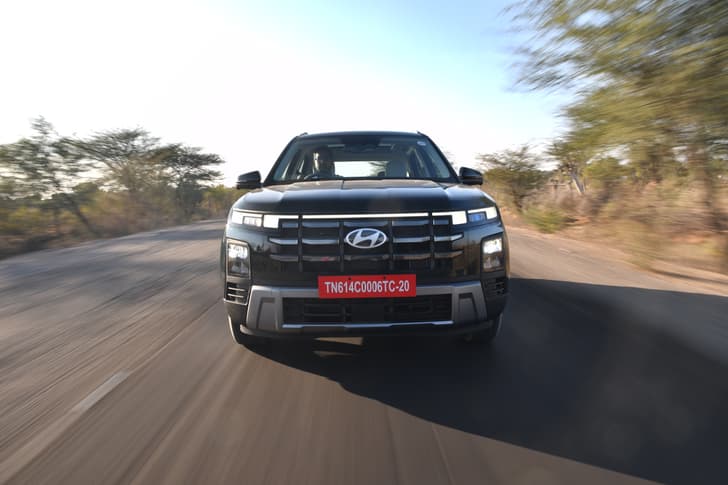
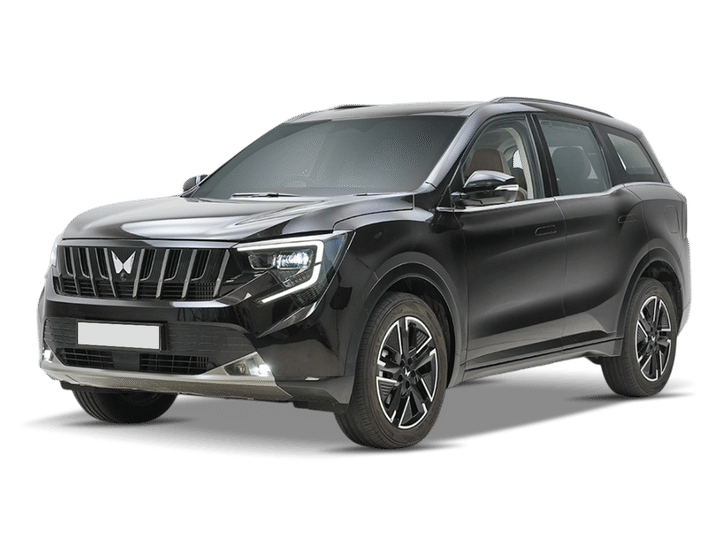
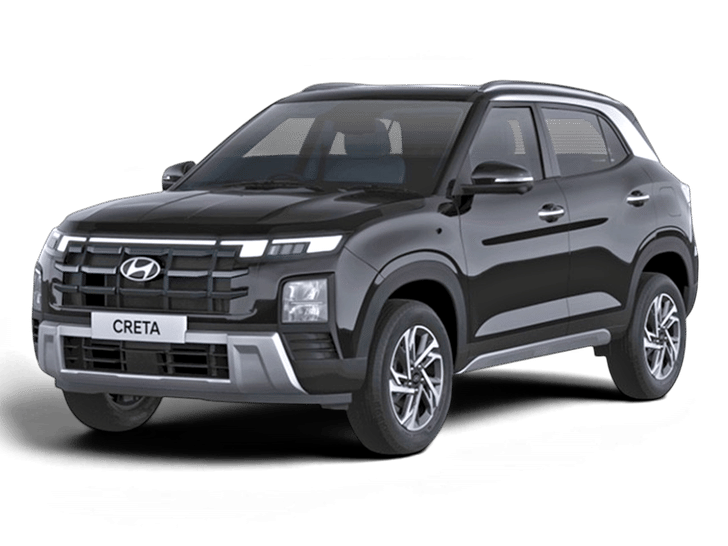
Hi Team, I am currently driving a 2016 Maruti Suzuki Ciaz and am planning to upgrade to an SUV. I have shortlisted the Mahindra XUV 7XO Petrol MT and the Hyundai Creta Petrol MT. My daily running is around 15-25 km. My top priorities are a 5-star safety rating, good ride comfort, and easy drivability in the city. Could you please compare these two models based on my usage and suggest which one would be the better choice? Also, which engine and transmission combination would you recommend for my requirements?
Based on your priorities, the Mahindra XUV 7XO Petrol MT is the better fit. The XUV 7XO is a larger, more substantial SUV with a stronger safety focus, a 5-star safety rating and a more premium feel than the Creta. This Mahindra car is also a more recent product and feels more modern overall. The petrol engine is smooth and refined, and the manual gearbox is easy to use in city conditions. The Creta is still a very good car, but it is not as spacious or as premium-feeling as the XUV 7XO. The only drawback of the XUV 7XO is that it is a larger car and may not be as easy to manoeuvre in tight city spaces, but overall it is the better choice for your requirements.
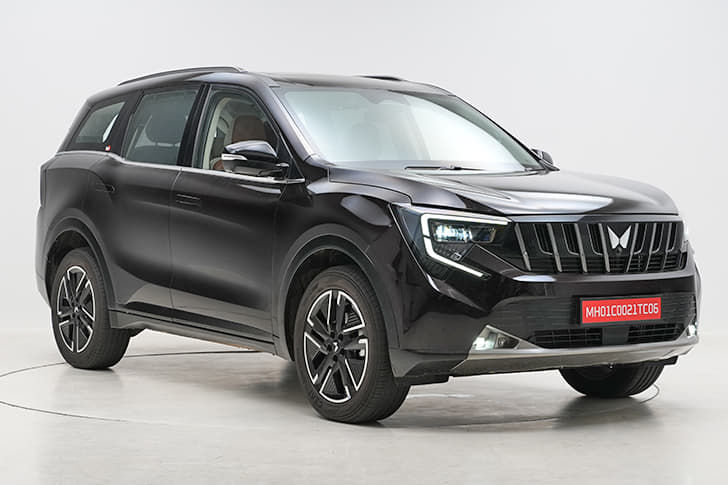
I want to buy a car at a reasonable price, but I really like the Mahindra Thar. I am a 56-year-old working woman and drive daily. Would the Thar be a comfortable and practical choice for my everyday use, or would you recommend a better alternative?
With a budget of under Rs 5 lakhs, you will only be able to get pre-owned examples of the first-gen Thar. And while it is a very appealing SUV, it is not the best choice for daily driving, especially if comfort is a priority. It is a rugged off-roader; however, the first-gen's ride is bouncy, entry-exit isn't very easy, and heavy steering and crude nature will become tiring for daily use. The side-facing rear seat is also neither safe nor comfortable, and overall, it is better suited as a lifestyle or weekend vehicle rather than a daily commuter.Since you have a Rs 5 lakh budget and you want something with good road presence, you could consider an SUV car which is compact and easy to drive. A Maruti Brezza or Ford EcoSport could be good options for daily driving.
I am a retired defence person, 63 years old, seeking to replace my Swift Dzire with something a little more premium, preferably an automatic, within a maximum budget of Rs 13-14 lakh. Please suggest a suitable vehicle.
Given your requirements, the Maruti Suzuki Brezza automatic is the most sensible recommendation. It is a step up from your Swift Dzire in terms of comfort and space while still remaining easy to drive and live with. The automatic gearbox on this Maruti Suzuki car is an AMT, so not as smooth as a torque converter gearbox that you would find in the Skoda Kylaq; however, driven at a sedate pace, it does ok. Maruti’s service network and low maintenance costs are also a big advantage for long-term ownership.If you want to stick with a sedan, the Honda Amaze CVT is also worth considering. It is a very comfortable and refined sedan with a smooth CVT gearbox and Honda’s reputation for reliability. However, the Brezza’s higher ground clearance and more commanding driving position make it the more practical choice overall.
Is it worth spending on luxury ICE cars today, or is it better to invest in an EV for a daily run of 80km that includes both city and highway driving? I am considering BYD for the EV option and German rivals for ICE cars. Which would be better with good ground clearance for a long-term ownership period of 10 years?
For a daily run of 80km with a mix of city and highway driving and a 10-year ownership horizon, the decision between a luxury ICE car and a BYD EV comes down to your priorities rather than a simple ICE vs EV debate.If you are considering German luxury cars, you are looking at a very different ownership proposition to a BYD EV. The German cars will offer a more premium experience, better driving dynamics and a more emotional ownership experience, but they will also come with higher maintenance costs and greater complexity over 10 years.The BYD EV, on the other hand, is a more rational choice. It will be significantly cheaper to run, has fewer moving parts and is likely to be more reliable over the long term. Your 80km daily run is well within the comfort zone of modern electric cars, and if you have access to home charging, the ownership experience becomes very straightforward.The key question is whether you value the premium experience of a German luxury car enough to justify the higher running costs over 10 years. If your priority is long-term reliability, low running costs and a hassle-free ownership experience, the BYD EV is the better choice.If you are buying with your heart and want the premium experience, the German ICE car still makes sense, but go in with your eyes open about the long-term costs. Ground clearance is less of a differentiator at this level, as most luxury SUVs and EVs are broadly comparable. Ultimately, this is a head vs heart decision rather than an ICE vs EV decision.
Hi everyone, I'm planning to buy my first EV. I was initially considering the Tata Punch EV, but I'm 6'4" tall, and I found the driver's seat and overall driving position a bit cramped for longer drives. I'm open to stretching my budget a little if it means getting a more comfortable car. My requirements are: comfortable for a 6'4" driver, real-world driving range of around 350 km, good value for money, suitable for both city driving and occasional highway trips. What would you recommend? I'd also love to hear from tall owners about their experience with cabin space and driving comfort. Thanks in advance!
The Tata Punch EV is a great value proposition, but at 6'4", you are already experiencing its biggest limitation: cabin space. The driving position is upright, and the seat does not go low enough, which can become uncomfortable on longer drives. Since you are willing to stretch your budget, the MG Windsor EV is the better fit. It offers a significantly more spacious cabin, a wider and more comfortable seat, and a more relaxed driving position. Range is one aspect where this MG car doesn't really hit the 350km mark. Around 300km is what you can expect in normal driving conditions. Highway trips will have to be planned well. The screen inside dominates the dashboard. It is a more premium product than the Punch EV, but the extra spend is justified by the comfort and space.The other option is the new Kia Syros EV. It might seem compact, but the interior is surprisingly spacious, even for tall adults. The battery is a 51.4kWh unit from the bigger Clavis EV, so 400km in one charge should be possible. The rear seat space is also excellent, and the quality of the cabin, along with the usability of day-to-day functions, makes it a very strong contender.
I'm planning to buy my parents an electric city car. I've had serious doubts about Tata's after-sales, so I am not considering the Punch or Nexon at all. The budget is 15-17L OTR; what safe and well-equipped options should I consider? Another primary consideration is that service visits and niggles shouldn't concern my 60-year-old father.
The new Kia Syros EV would be a good option to consider. It comes with a 51.4kWh battery pack with good range and performance, and the HTK Plus will be only slightly more expensive (around Rs 1 lakh), which is worth stretching for. This Kia car also has easy ingress and egress, so it is comfortable for the elderly to get in and out of. It has compact dimensions; the seat height and comfort are good, and the light steering makes it very easy to drive and manoeuvre in the city.Kia also has a good reputation when it comes to after-sales and service, so it won't be a hassle either. We recommend the Syros EV as it fills all the requirements you have. If you don't have a need for the larger battery, the HTX will fit comfortably in your budget and gets all the necessary features as well.

I am looking for a midsize SUV. My monthly running is 3,000km, with 75% highway and 25% city use. I plan to keep the car for 7 years. I am looking for a safe, fuel-efficient, and reliable car.
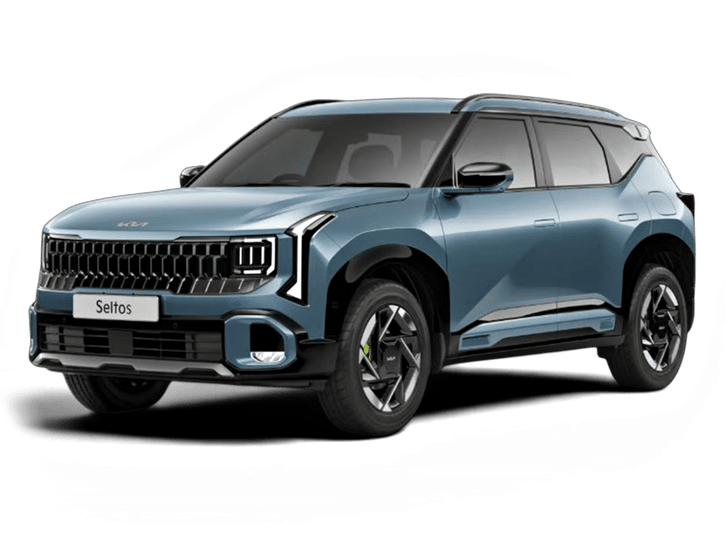
With 3,000 km a month and 75% highway use, you need a car that is efficient, reliable and comfortable over long distances. The Kia Seltos diesel is the best fit. The diesel engine is efficient and refined, the SUV is stable and comfortable on long runs, and Kia’s diesel engines are known to be reliable as well. It is also a genuinely safe car with a 5-star Bharat NCAP rating. The Tata Harrier diesel is a good alternative with a slightly more comfortable ride, but the Seltos offers a more premium experience overall and better value for money.
Looking for a new car around Rs 60 lakh (+/-). Average running is 2,000-2,500 km. Preference is diesel, but I also want a performance-oriented car that is comfortable for long trips. Can you suggest one?
Since you prefer a diesel car and have performance as a priority, the BMW 3 Series in its 320Ld guise fits the job perfectly. It is excellent to drive, has a punchy but refined engine and surprisingly strong efficiency. The boot is also generous, although not as much as an SUV, but at this price, the practicality is very good. The only things to consider would be the low ground clearance. The driving dynamics, comfort and features are excellent, and it has fantastic touring capabilities.
I am planning to buy a car with a budget of Rs. 80 lakh. My monthly running is around 1,800 km. I would prefer a diesel because of my usage, but I am open to other options if they make better sense. Which car would you recommend?
With a monthly running of around 1,800km, a diesel makes sense. Unfortunately, you aren't spoilt for choice and under Rs 80 lakh, the only premium car is the BMW 3 Series LWB. This BMW car comes with a 2.0-litre diesel engine that is strong, refined and efficient, and the 3 Series strikes a good balance between comfort and driving enjoyment. It is also a genuinely practical family sedan with a spacious cabin and a large boot, making it easy to live with on long journeys. The rear seat is particularly spacious, and the engine is smooth. For an extra Rs 10 lakh, you get the BMW X3, which gets the same engine but in an SUV form factor with much better ground clearance. If you can stretch your budget, the newer X3 would be a good choice, but if you need to stick to Rs 80 lakh, the 320 Ld would be our recommendation.
I am looking to buy a 6/7-seater electric car. I am currently inclined towards the Mahindra XEV 9e, but I am unsure about its ride quality and suspension comfort. I have also considered the Kia Clavis EV, but its smaller battery pack and overall design are not very appealing to me. I can also wait for the Tata Safari EV if it is likely to be a better option. Which EV would you recommend?
Go for the Mahindra XEV 9S. It is the best fit for your requirement of a 6/7-seater EV. The Mahindra car has a large battery pack, strong performance and a well-sorted suspension setup. Mahindra has tuned the suspension to handle Indian roads well, and it feels stable and comfortable even with a full load of passengers.The Kia Carens Clavis EV is a good family EV, and is more suited only if you have adults in the third row more often. Interestingly, the Kia's third-row is more spacious and comfier than the XEV's. However, the Kia's smaller battery limits its range and long-distance usability. The Tata Safari EV is still some time away and is worth waiting for only if you are specifically looking for a larger, spacious three-row EV.
I am looking to buy an electric car in the Rs. 20-30 lakh price range. My driving is mostly within the city, with an annual running of only 5,000-7,000 km. Would you recommend buying an EV now, or would it be better to wait for the newer models that are expected to launch over the next few months?
With 5,000-7,000 km a year and mostly city driving, you are the ideal EV buyer. The Mahindra XEV 9S in its top-spec Pack Three guise will comfortably fit in your budget. With a 79kWh battery pack, you can easily expect a real-world range of around 480km in daily driving conditions. The 9S is also a full-size SUV with three rows, so practicality is excellent. There is a usable frunk as well, and the feature list is extensive with connected tech, panoramic sunroof, front and rear ventilated seats, drive modes, Level 2 ADAS and much more. Also, with 286hp, the 9S has plenty of performance for everyday needs. The overall package strikes a good balance and hence is our recommendation.
I have a strict budget of Rs. 12 lakh, and I'm looking for an automatic car, preferably with a DCT transmission in Kochi, Kerala. This will be my first car, and I don't have a lot of driving experience, so ease of driving is an important factor. My monthly running is around 500 km, with about 60% of it being in bumper-to-bumper city traffic. I'm primarily considering sub-4-meter SUVs. A reverse camera is a must-have feature for me, and after-sales service is also important. I recently test drove the Kia Sonet Petrol DCT and really liked it. However, I'd love to hear recommendations for other sub-4-meter SUVs in this budget. I'm also curious about the long-term reliability of DCTs. I've come across reports of jerking and drivability issues in heavy traffic after around 70,000 km. How common are these problems, and should they be a concern given my driving pattern, especially considering this will be my first car?
Given your budget and requirements, the Kia Sonet petrol DCT is actually a very sensible choice. This Kia car is one of the most polished sub-4-metre SUVs on the market, with a refined turbo-petrol engine, a well-appointed cabin and a strong aftersales network. The DCT gearbox is quick and smooth in normal driving, and the car is compact enough to be easy to manoeuvre in city traffic. The reverse camera is available on mid-spec variants, so you do not have to stretch your budget to the top-end model.On the DCT reliability question, it is important to be realistic rather than alarmist. DCTs are fundamentally different from torque converter automatics. They use two clutches and can feel slightly jerky at crawling speeds, especially in stop-start traffic. Over very high mileages, clutch wear can become a factor, but this is not a widespread issue at 70,000 km if the car is driven sensibly and serviced on schedule. The Sonet's DCT is one of the better-tuned units in the segment, and for your monthly running of 500 km, it should not be a major concern. The key is to avoid excessive creeping on the brake and to shift to Neutral when possible.If you are open to alternatives, the Mahindra XUV 3XO petrol automatic is worth considering. This Mahindra car uses a torque converter automatic, which is smoother at low speeds and better suited to heavy traffic. The 3XO is also one of the most spacious sub-4-metre SUVs, with a wide rear bench and a strong safety rating. However, the boot is smaller than the Sonet's, and the overall cabin does not feel as premium.Given your requirements, the Sonet petrol DCT remains the best fit.
Need expert advice?
Ask the Autocar community and experts.