Autocar India
•3h

I am looking for a safe and fuel-efficient diesel or petrol car, and my daily travel is around 50km. I am looking for a car that will suit my needs for the next 7-8 years. Which would be the best car to purchase within my maximum budget of Rs 20 lakh?

Verified
•5m

With a daily running of 50km, you are looking at around 18,000km a year, which is right in the sweet spot where a diesel starts to make financial sense, especially if a significant portion of your driving is on highways. At the same time, you are also looking for a car that is safe, fuel-efficient, and reliable over a 7-8 year ownership period, all within a budget of Rs 20 lakh.

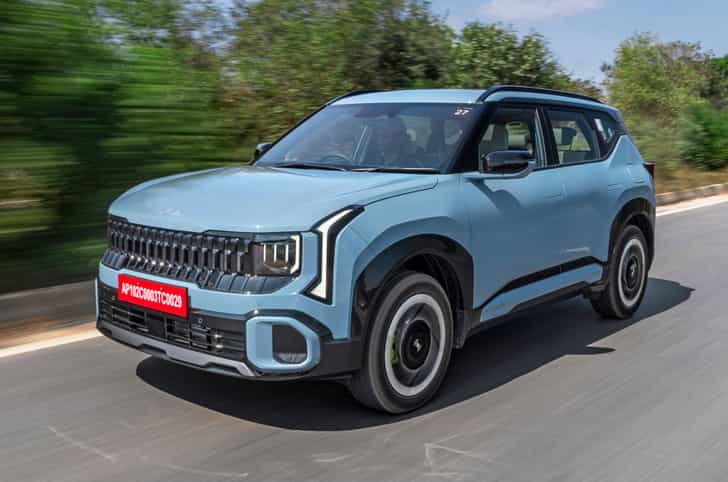
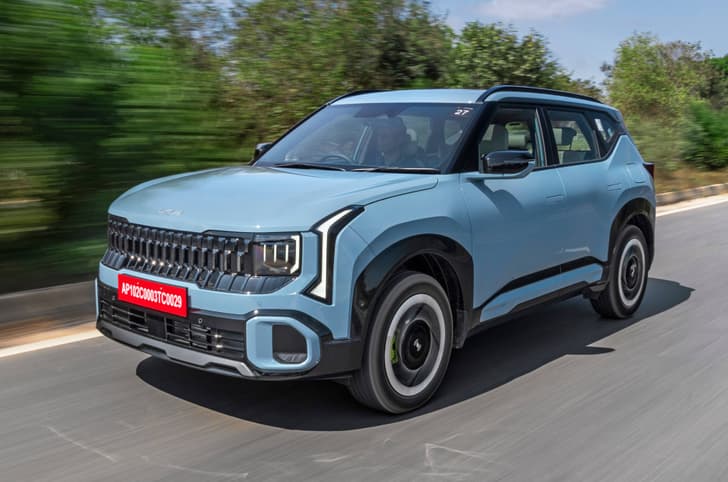
The Kia Seltos diesel is the recommendation here. It has a 5-star Bharat NCAP rating, and the diesel engine is both efficient and well-suited to your kind of running. This Kia car is also spacious, comfortable, and well-equipped, making it a strong long-term ownership proposition. You should also get a reasonably high-spec variant within your budget of Rs 20 lakh.

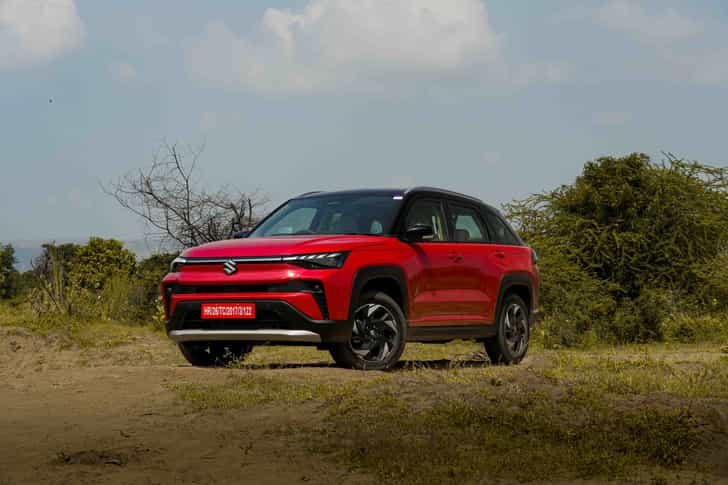
If you are open to petrol, the Maruti Suzuki Victoris Hybrid is worth considering. It, too, has a 5-star Bharat NCAP rating; the hybrid system delivers excellent fuel efficiency, especially in city driving, and Maruti's service network and reliability are big advantages over a long ownership period. However, given your running, the diesel Seltos still makes more financial sense.
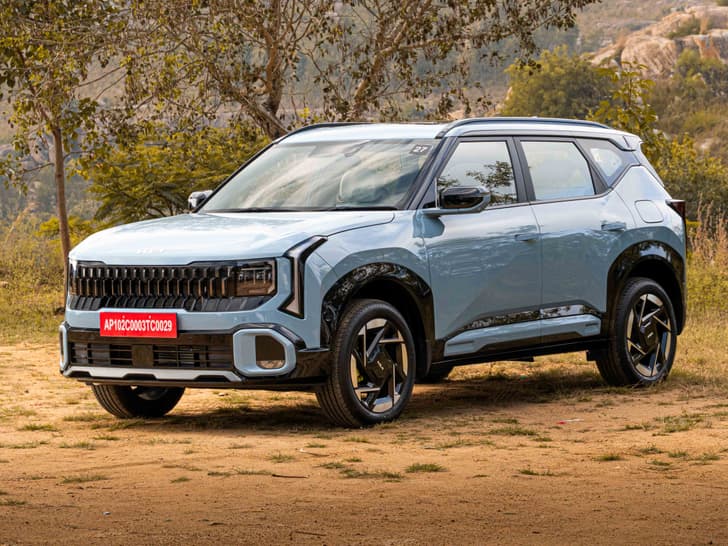
Kia Seltos

Kia Seltos

More posts on similar cars

•10h

I’m confused between the Kia Seltos HTX G1.5 NA petrol IVT and the G1.5 T-GDi turbo-petrol 7DCT. My usage will be primarily in the city, with occasional family road trips, probably once every three months. I plan to keep the car for more than 10 years. Is the G1.5 NA IVT sufficiently powerful and safe for driving hill stations like Munnar and Ooty with family on board when cruising through steep climbs & ghat roads ? Will it struggle with five people and luggage?

Verified
•5h

Go for the Kia Seltos HTX 1.5 NA petrol IVT. For your usage pattern, predominantly city driving with occasional family road trips and a planned ownership period of over 10 years, the naturally aspirated petrol paired with the CVT automatic is the more sensible choice. It is smooth, reliable and well-suited to stop-and-go traffic, and the CVT gearbox is seamless in the city and easy to live with over the long term.On hill station drives, the 1.5 NA engine will not struggle as long as you drive sensibly. It may not feel as effortless as the turbo, especially with five people and luggage on steep climbs, but it will get the job done without drama. You may need to plan overtakes and use the manual mode on the CVT on steep sections, but it is perfectly capable for family touring.The turbo-petrol DCT is the more powerful and exciting option, but the DCT gearbox is not as well-suited to predominantly city usage. The naturally aspirated Seltos IVT is the safer, more reliable and more stress-free choice.

VehicleKia Seltos
•3d

I’m 26, and we’re planning to buy a new car. We have shortlisted two options: the Hycross GX(O) 7-seater and the Seltos HTX(A) Turbo Petrol. We removed the Kushaq from the list due to concerns about spare parts availability and maintenance costs. We also ruled out the Creta, as it feels outdated compared to the Seltos, and the turbo-petrol variant is much more expensive. Around 80% of my driving will be in the city, but I want a good engine and a comfortable ride, as my parents will be travelling with me at times. Although the Hycross is lower on features and there are talks of a facelift, I don’t know why, but it still feels like something different.

Verified
•2d

Go for the Toyota Innova Hycross GX(O) 7-seater. Your usage is 80% city driving with occasional family trips, and you want a comfortable ride for your parents. The Hycross is a fundamentally different proposition from the Seltos. It is a larger, more spacious MPV with a strong focus on comfort, reliability and long-term ownership. The hybrid powertrain is well suited to city driving, offering smooth performance and better fuel efficiency in stop-and-go traffic. The ride quality is more comfortable, and the rear seat experience is significantly better for family use.The Seltos HTX(A) Turbo petrol is a good car with a strong engine and a more feature-rich cabin, but it is still a midsize SUV. It does not offer the same level of space, comfort or long-term ownership confidence as the Hycross. The turbo petrol engine is also less efficient in city driving conditions.The Hycross may feel less feature-rich, but it makes up for it with a more comfortable and dependable ownership experience. The facelift is worth noting, but the current car is already a very well-rounded package. If you are looking for something that feels different and will keep you happy for years, the Hycross is the better choice.

VehicleToyota Innova HyCross
VehicleKia Seltos
•8h

I currently drive a Swift AMT and cover around 1,500 km a month, including 1,000 km on the highway and 500 km in the city. I have booked the Duster Hybrid, but I am now confused between an EV and a hybrid. As an auditor, my single-day driving can go up to 300 km, and twice a year I take road trips of around 1,500 km each. My company reimburses me Rs 10 per km for my 1,000 km of monthly travel. Please suggest the better option. My budget is Rs 15-20 lakh.

Verified
•6h

Go for the Renault Duster Hybrid you have already booked. Your usage pattern is heavily highway-biased, with regular 300 km days and occasional 1,500 km road trips, and that is where a hybrid car makes the most sense. The Duster Hybrid should deliver strong fuel efficiency on the highway, keep running costs low and eliminate any range anxiety or charging dependency. The Rs 10 per km reimbursement will work in your favour with a hybrid, as you will consistently benefit from lower fuel costs without the need to plan charging stops or worry about charging infrastructure on long trips.An electric car would only make sense if your usage was predominantly city-based with predictable daily runs and home charging available. With your highway-heavy usage and long single-day drives, an EV would require careful charging planning and could become inconvenient on longer trips. The Duster Hybrid is also a good car to drive, with a strong balance of ride comfort and handling, making it well suited to your kind of usage.The only caveat is that the Duster Hybrid is a new product and does not have a proven long-term ownership record yet. If that concerns you, the Maruti Suzuki Victoris Hybrid is the safer long-term ownership choice, but the Duster will be the more engaging car to drive and feel more premium as well. Overall, the Renault car mentioned above is the best fit for your usage.

VehicleRenault Duster
VehicleMaruti Suzuki Victoris

Curated collections

Popular discussions right now

•6d

I currently drive a Hyundai i10 CNG, with daily running of around 6 km in Gurgaon city traffic and a monthly highway drive of around 200 km. I am now planning to upgrade my car, with an on-road budget of Rs. 12 lakh for a petrol sub-4-metre SUV, up to Rs. 14 lakh for a petrol midsize SUV, and Rs. 15 lakh for an EV. I live in a rented apartment on the second floor, so I am apprehensive about getting an EV. I prefer an EV, but installing a charger could be complicated due to the sanctioned load. My running could increase to nearly 800 km per month in the future. My key priorities are: - Good suspension and ride comfort, as I have a back problem - Decent fuel efficiency in heavy city traffic - Low to medium maintenance costs - Auto hold and ventilated seats would be good to have I sometimes consider buying a manual, but I mostly prefer an automatic. I am currently considering the Maruti Brezza, Baleno AMT, Fronx AMT/AT, Sonet iMT, Exter AMT, and even the upcoming Inster, VF3, and Bayon. I am open to other suggestions as well. Note: I had a bad driving experience with the Punch AMT, as it caused back fatigue.

Verified
•5d

Given your priorities of ride comfort, fuel efficiency and low maintenance, the Maruti Brezza automatic is the most sensible upgrade. It offers a comfortable ride, a proven naturally aspirated petrol engine and Maruti's strong service network, which keeps long-term ownership costs in check. The torque converter automatic is smooth in city traffic, and the Brezza's higher seating position will help with your back issues. The Sonet iMT is not the right choice here. While it is a good car, the iMT is not a true automatic and will not offer the same ease of use in Gurgaon traffic. The Baleno AMT and Exter AMT are also not ideal given your back issues and the fact that AMT gearboxes are not as smooth as torque converter automatics in stop-start conditions.On the EV front, your apprehension about charging is valid. Without a straightforward home charging solution, an EV will add unnecessary complexity to your ownership experience. The upcoming Bayon is interesting and if you can wait a few weeks you would have a better picture before making a decision. For now, the Brezza automatic strikes the best balance between comfort, efficiency and hassle-free ownership.

VehicleMaruti Suzuki Brezza
VehicleKia Sonet
VehicleMaruti Suzuki Baleno
VehicleHyundai Exter
VehicleHyundai Bayon
•4d

Hi, I want to buy my last car as I am 66 years old. I have been driving a Honda City for the last 12 years without any major hiccup. The Honda City engine and its reliability is excellent although its ground clearance is an issue. I have looked at Elevate and given its ground clearance as an SUV, I am impressed although the issues on E20 and abrupt blending issues are surely technical issues. Windsor EV was a great test drive but all controls on screen could be a bottleneck for me at my age and am planning to move to an automatic. Please recommend as experts. My monthly running will not be more than 500 km. Should I also look at Seltos. I will appreciate a feedback from experts. I want a reliable, easy to drive car with low maintenance cost and good family value with. There won't be any great pick ups or many highway drives will not be there.

Verified
•3d

Given your 12 years of trouble free City ownership, the Elevate is the most natural replacement. It retains Honda’s simple 1.5-litre naturally aspirated petrol engine, adds substantially better ground clearance and gives you the easier ingress and SUV driving position you liked. The CVT is also very well suited to your low speed, low running usage and should make the transition to an automatic easy.On your E20 concern, we would not treat it as a reason to avoid the Elevate. Honda says all its cars manufactured in India since January 2009 are E20 material compatible, and the current Elevate is officially certified for E20. Honda also says E20 should not cause durability concerns or require any component changes. There can be a marginal reduction in fuel economy because ethanol contains less energy than petrol, but with your 500km monthly running, that is unlikely to be significant.The Seltos is worth a look, particularly if you want a more feature rich and premium cabin, but given your priorities of reliability, easy driving, low maintenance and long term ownership, the Elevate fits your requirements more naturally. The Windsor EV is also an interesting option, but at just 500km a month, there is little financial reason to move to an EV, especially when you have concerns about its touchscreen heavy interface.

VehicleHonda City
VehicleHonda Elevate
VehicleMG Windsor
VehicleKia Seltos

Upcoming launch buzz

Community discussions on upcoming launches
Posted on: 28 Sept 2026