

Delhi
•13w
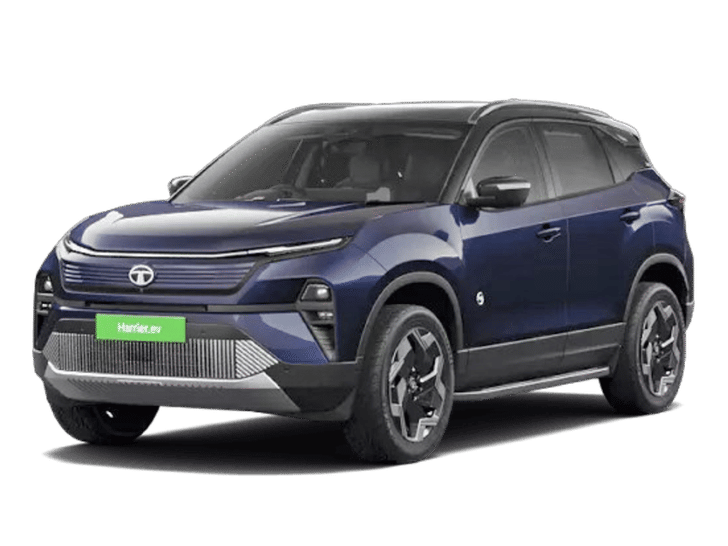
I am in the market for an EV. I am confused between the Harrier EV Fearless Plus 2WD 65kWh and the Sierra EV Adventure 2WD 63kWh. The price of both cars is the same due to discounts on the Harrier. My running is within the city, with occasional highway trips, and my annual running is about 15,000-20,000km. Rear seat comfort and overall comfort are important. Which car makes more sense?

Go for the Tata Sierra EV Adventure 2WD 63kWh. Your usage is city-heavy with occasional highway runs, and rear seat comfort is a priority. The Sierra EV is the better fit here. Though it is the smaller SUV overall, it has a rear seat that's as spacious and comfortable if not more than the Harrier's. The Harrier EV Fearless Plus 2WD 65kWh is a good car, but it is a larger, heavier SUV whose added size will give you no great advantage. The Sierra EV is also more efficient in city driving and easier to manoeuvre, while still offering enough range for your occasional highway trips.
Since both cars are priced similarly due to discounts, the Sierra EV is the more sensible choice for your usage pattern and comfort requirements. Do note, however, that with over 1,500km of use per month, an electric car will require frequent charging, so make sure you have home charging in place, and also note that frequent charging will take its toll on battery health sooner.
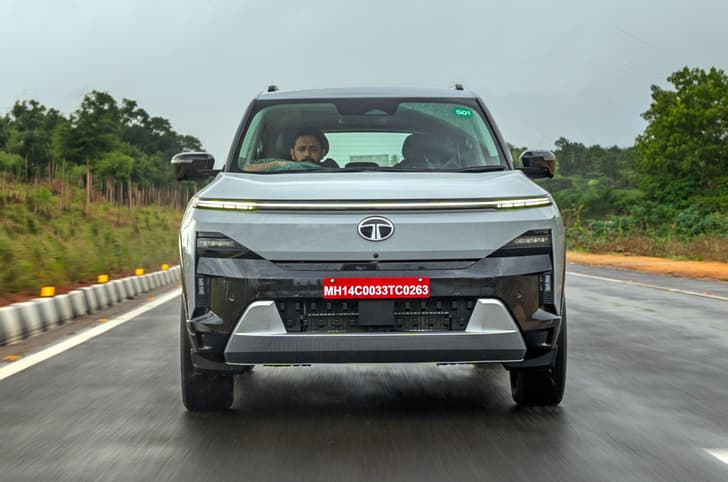
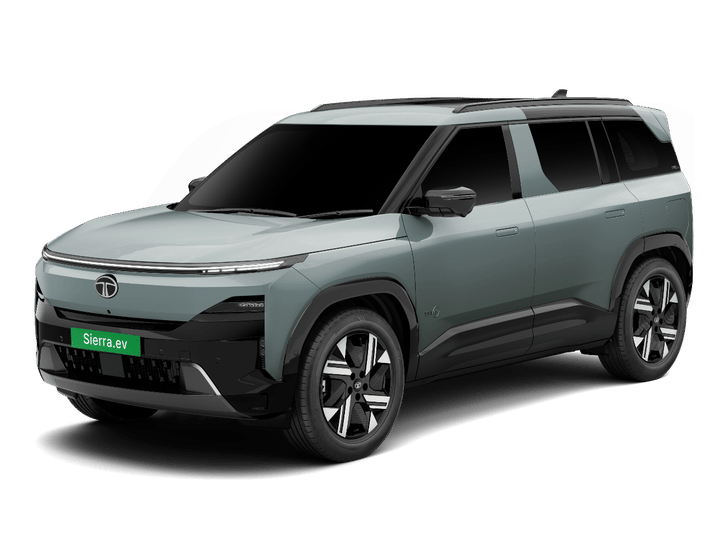
Tata Sierra EV
Explore cars mentioned
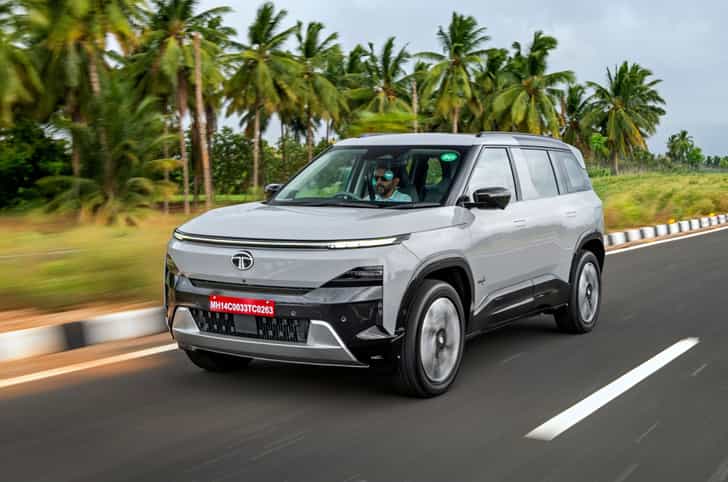
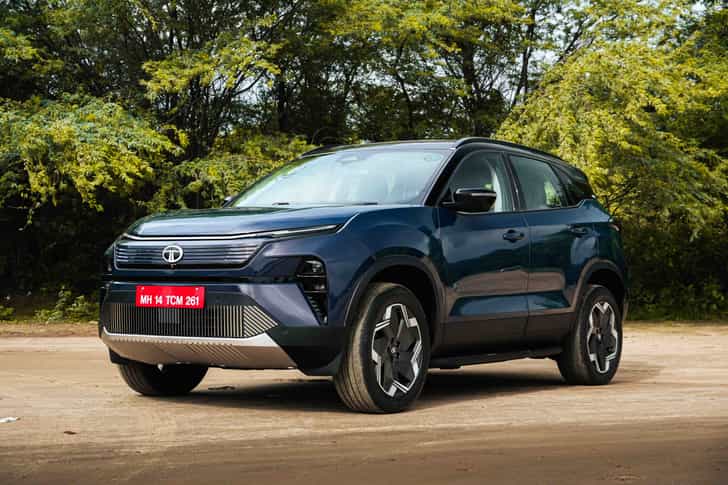
More posts on similar cars

Has E20 fuel affected your mileage?

Expert reviews worth reading
Is ADAS worth paying extra for in a car?
Popular discussions right now
Upcoming launch buzz
Community discussions on upcoming launches
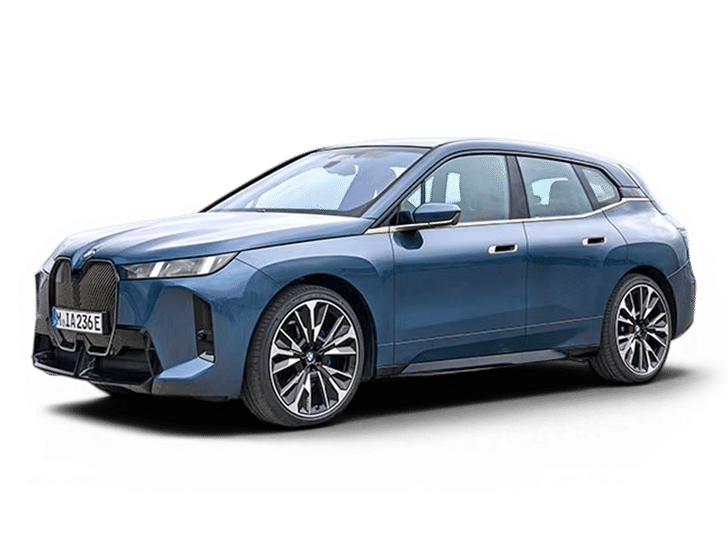
BMW
iX facelift
2 Views
Join discussion
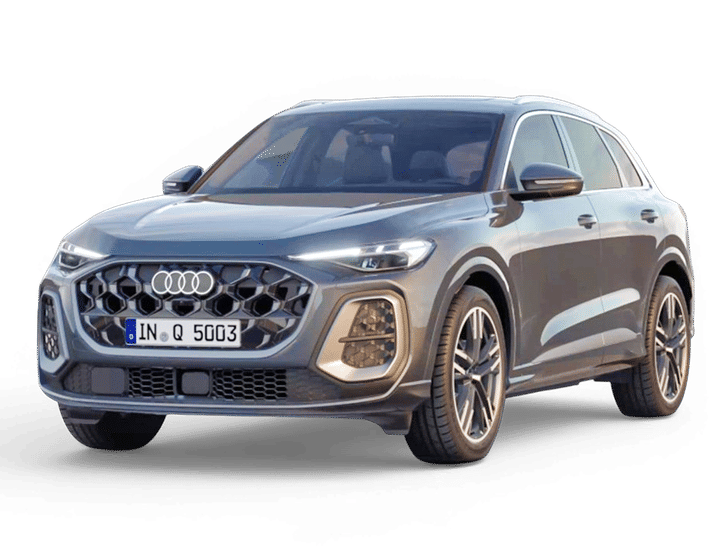
Audi
New Q5
9 Views
Join discussion
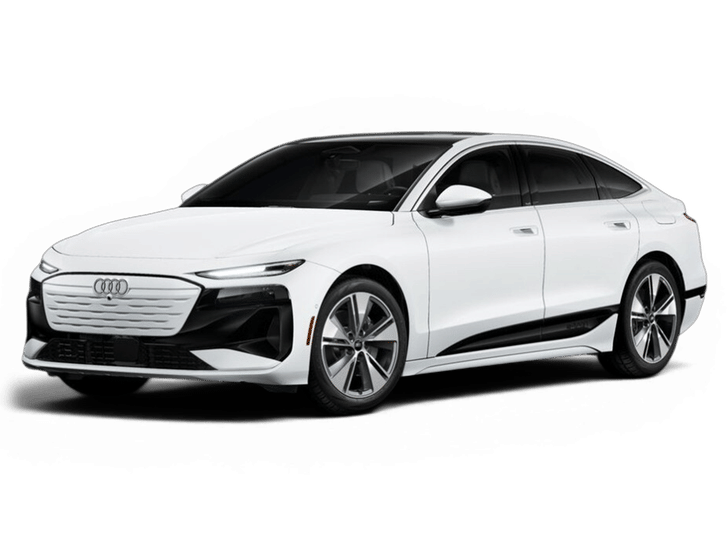
Audi
A6 e-tron
7 Views
Join discussion
Audi
Q6 e-tron
5 Views
Join discussion
Audi
e-tron GT facelift
4 Views
Join discussion
Volkswagen
Virtus facelift
19 Views
Join discussion

Vinfast
VF5
28 Views
Join discussion
Mercedes-Benz GLC
Electric
6 Views
Join discussion
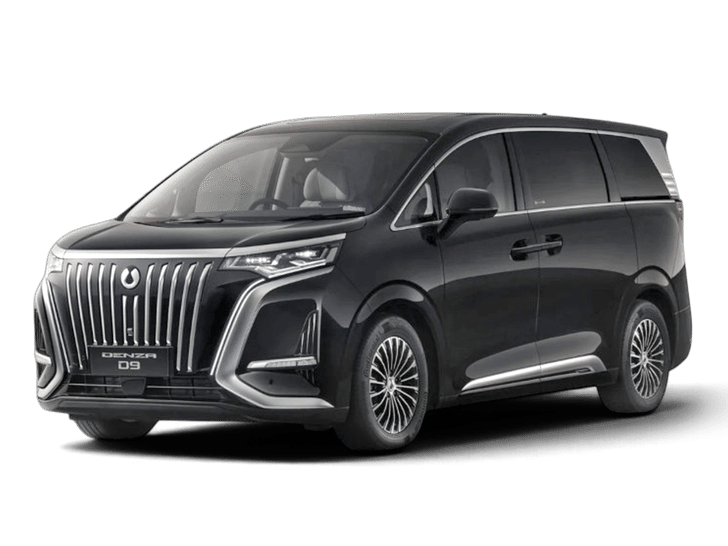
Denza
D9
16 Views
Join discussion
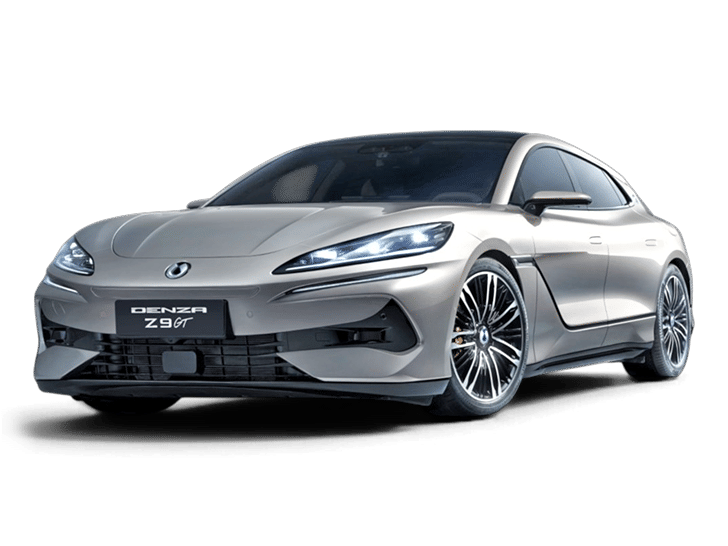
Denza
Z9 GT
0 Views
Join discussion


Curated collections
Posted on: 28 Jul 2026
