Latest questions answered by experts
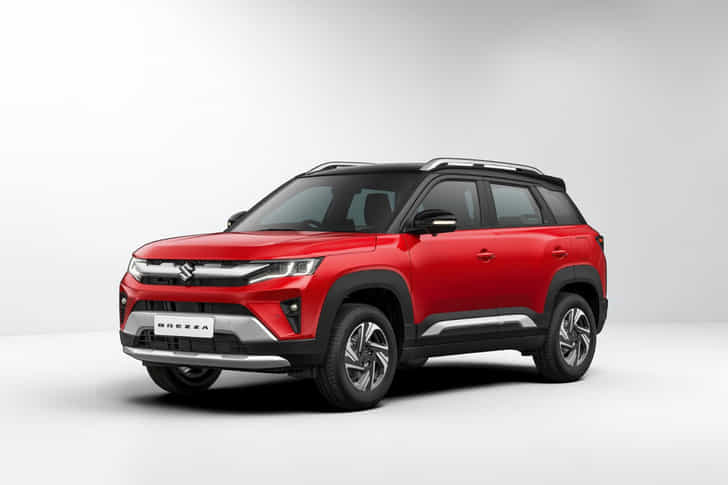
I am planning to buy a Maruti Suzuki Brezza, and my budget is Rs. 10-12 lakh. I am confused between a turbocharged and a naturally aspirated (NA) engine. I plan to keep the car for 8-10 years. My driving will mainly be in Gurugram, with a trip to Himachal Pradesh once every two months. Kindly suggest the best variant for my needs.
It largely boils down to the transmission you are opting for. If you are getting a manual, the turbo petrol is a better choice. It is smooth and tractable for city use and offers good performance for the uphill sections on your trips to Himachal. The manual is also slick, with a light clutch, so it is easy to drive in the city. However, an automatic will still make life a lot easier, and if that is what you want, then the NA petrol is your only option. As such, the 1.5-litre NA has decent performance for the hills, but it won't be as effortless as the turbo petrol. The NA will, however, be a bit more efficient in the city. Both engines are reliable, and Maruti service is generally very good.Overall, if you are regularly driving in heavy traffic, the Maruti Suzuki Brezza automatic is the obvious choice. However, if you are picking the manual, you might as well get the turbo petrol unless fuel efficiency is your top priority.

Hi Autocar Team, I own a 2025 Skoda Kodiaq L&T variant. Due to the very bad, dusty and narrow roads in Bangalore, I hesitate to take my Kodiaq out every day. I am thinking of buying a compact car as my second car, preferably one with a powerful engine. Which car would you recommend?
The Skoda Kylaq 1.0 TSI automatic is the best place to start, given that you already own a Kodiaq and want a compact second car for Bangalore's narrow, dusty roads. Its turbo petrol engine has enough punch for everyday driving, while its smaller footprint makes it easier to manoeuvre and park. The six-speed torque converter automatic is also better suited to crawling through traffic than a dual-clutch gearbox.The Mahindra XUV 3XO petrol automatic is the alternative if you want stronger performance. It feels punchy, has a comfortable ride and offers good ground clearance, although its boot is relatively small. Both cars will feel less premium than your Kodiaq, but that's a reasonable compromise for a car that you'll use without worrying about every rough patch of road.
I want to buy a rugged electric vehicle with a minimum average range of 500 km below Rs. 36 lakh (on-road).
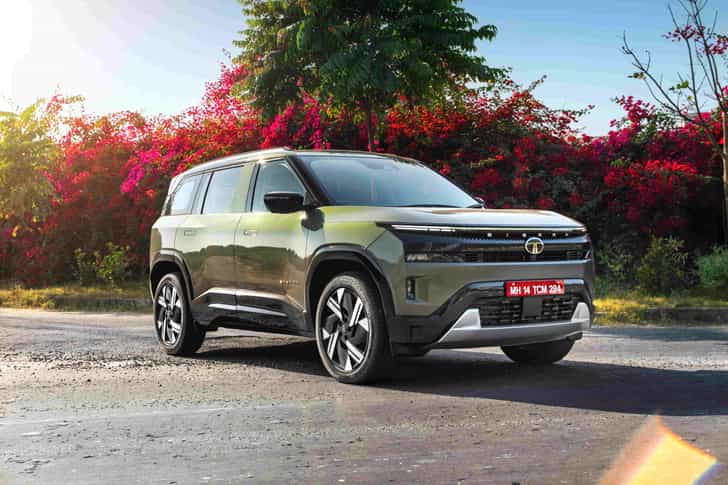
Rugged electric SUVs under Rs. 36 lakh on-road include the Mahindra XEV 9S, XEV 9E, Tata Harrier EV, and Tata Sierra EV. While none will comfortably deliver an average real-world range of over 500km, the Mahindra EVs are likely to come close to that number on accout of their more efficient electric powertrain and larger battery. They also offer more tech, and thanks to their light steering and tight turning radius, they're surprisingly easy to maneuvre in the city. If you need a seven-seater, get the XEV 9S, else you can pick the XEV 9E.Pick the Tata Sierra EV for its relatively compact size, impressive road presence, and spacious interior. The Sierra EV and Harrier EV get a 75kWh battery, but because the Sierra EV is lighter, its real-world range is likely to be better. Also, the Sierra EV is tough and well-built, and will be relatively more affordable than the other EVs listed here. So value-wise, it is the better car.
Upcoming launch buzz
Community discussions on upcoming launches
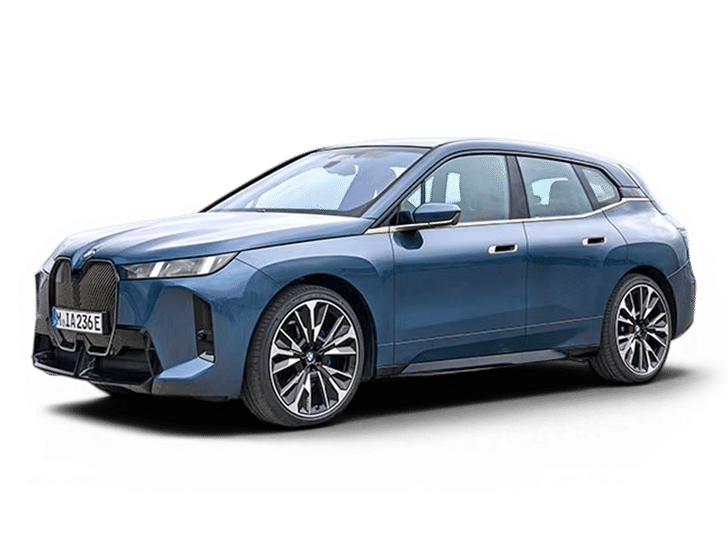
BMW
iX facelift
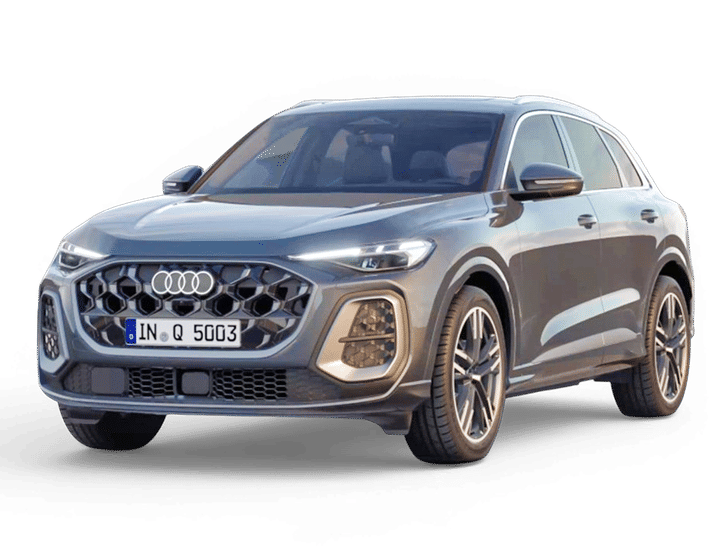
Audi
New Q5
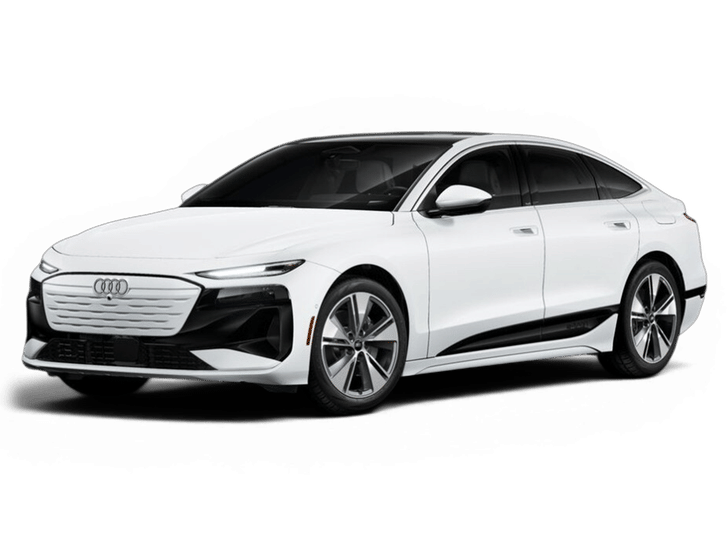
Audi
A6 e-tron
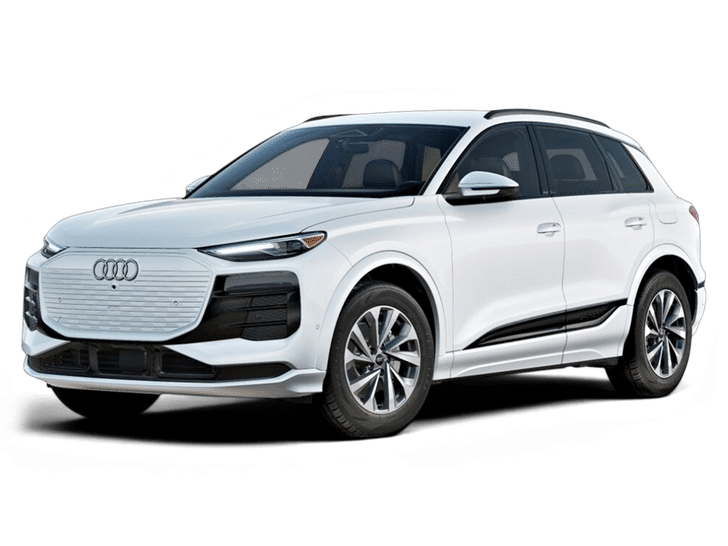
Audi
Q6 e-tron
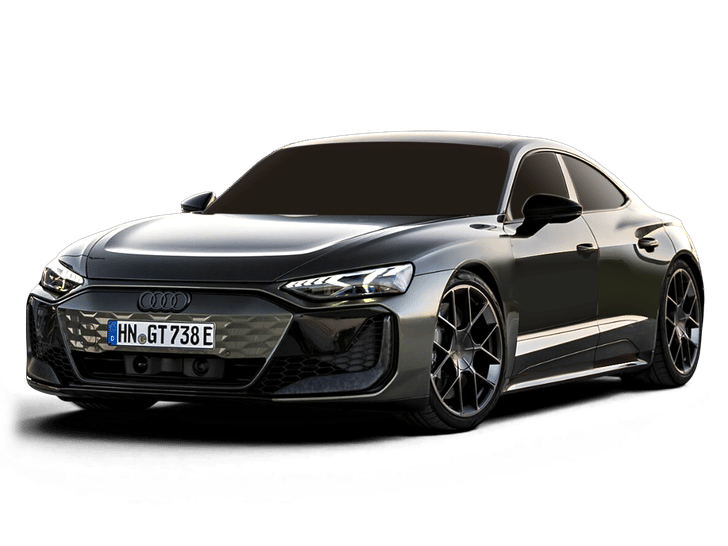
Audi
e-tron GT facelift
Volkswagen
Virtus facelift
Audi
A5

Vinfast
VF5
Hyundai
Bayon
Mercedes-Benz GLC
Electric
Hi, I'm planning for a reliable car for my family for long term ownership. Mostly, I drive within the city with monthly average of 300-500 km and take 2-3 long trips in a year. I had shortlisted Seltos HTX petrol. However, I'm getting recommendations to go with Harrier base under my budget. Should I opt with Seltos or Harrier?
Go for the Kia Seltos HTX petrol. With your usage of 300-500 km a month and mostly city driving, petrol is the right choice, and the Seltos is a very well-rounded car. It is comfortable, easy to drive in the city, has a good feature set in the HTX trim, and Kia’s service network is strong. The Harrier base is a bigger, heavier car and is better suited to buyers who do a lot of highway driving or need the extra space and ruggedness. For your usage, the Seltos will be easier to live with, more efficient and a better fit overall. The only reason to consider the Harrier would be if you specifically need the larger size and more rugged nature, but for your requirements the Seltos is the smarter choice.

Hi, I want to purchase an automatic car under 12 lakh as my first car. My monthly running will be under 500 km which includes 20% running in the city and 80% running on the highway. My priority will be comfort and durability with less maintenance. I want to keep it for 8-10 years. My height is 5'10" and I am thinking of going for Amaze CVT. Are there any other options under my budget?
The Honda Amaze CVT is actually a very good choice for your requirements. With your low monthly running, a petrol automatic makes the most sense, and the Amaze’s CVT is one of the smoothest and most reliable transmissions in this price range. Honda’s reputation for durability and low maintenance costs also aligns well with your plan to keep the car for 8-10 years.The only thing to consider is your usage pattern. With 80% highway driving, you may find the Amaze’s 1.2-litre petrol engine a bit underpowered during overtakes at higher speeds, especially when the car is fully loaded. It will do the job, but it is not the most effortless highway performer.If you are open to alternatives, the Maruti Suzuki Fronx Turbo automatic is worth considering. It is similarly reliable, will have effortless highway performance and the mid variants should fit in your budget.
The new Duster Hybrid looks like a really good deal. I currently own a 5th-gen Honda City and a Renault Pulse Diesel, and I’m considering replacing the Pulse with the new Duster Hybrid. Would you recommend going for the Duster Hybrid, or would I be better off with the Kia Seltos Diesel? Around 80-85% of my driving is in the city, with occasional highway trips and weekend outings. I am a bit worried about the service at Renault because the ones with pulse weren’t so good. Please suggest.
Given your usage pattern of 80–85% city driving with occasional highway trips, the Renault Duster Hybrid is actually a very good fit. The hybrid system is designed to maximise efficiency in stop-start city conditions, and the Duster’s ride quality and robust suspension make it well-suited to Indian roads. The new Duster also feels like a genuinely fresh product, with a strong value proposition and a more engaging driving experience than most rivals.The Kia Seltos Diesel, on the other hand, is the better choice if your usage was more highway-focused. The diesel engine is efficient and relaxed on long drives, but with predominantly city driving, the benefits of diesel ownership diminish, especially with modern diesel particulate filter systems that can become problematic with short, low-speed runs.Your concern about Renault service is valid. The brand’s service network and consistency are not on the same level as Kia, and that is something to factor in. However, the new Duster is a far more important product for Renault than the Pulse ever was, and the company is likely to put more effort behind it.If you are still hesitant about Renault’s service, the Maruti Suzuki Grand Vitara Hybrid or Toyota Urban Cruiser Hyryder Hybrid are worth considering. Both offer strong hybrid systems, excellent fuel efficiency and a far more reliable and widespread service network.
Which among plug-in hybrid or hybrid should I buy? What are the benefits of a plug in hybrid over a hybrid and vice versa? Right now, I am thinking of buying a second hand VW Taigun (about 2 years old ) with a 1.5 engine in automatic. Should I go for it? How should one pay for a 2-year old Taigun?
A plug-in hybrid (PHEV) makes sense only if you have regular access to charging and your daily commute falls within the electric-only range. In that scenario, you can do most of your city driving on electric power and use the petrol engine only for longer trips, which keeps running costs low. If you do not have easy charging access or your usage is unpredictable, a strong hybrid is the better choice because it manages everything automatically and you still get excellent efficiency in city driving without having to think about charging.Coming to the Volkswagen W Taigun 1.5 TSI automatic, it is a very good car to buy used. The 1.5 TSI is a strong, refined engine and the car is genuinely enjoyable to drive. On pricing, a two-year-old Taigun 1.5 TSI automatic should typically be priced at around 70-75 percent of the current on-road price for a new car, depending on mileage, condition and variant. Make sure the service history is complete and get the car inspected at a VW service centre before you commit.
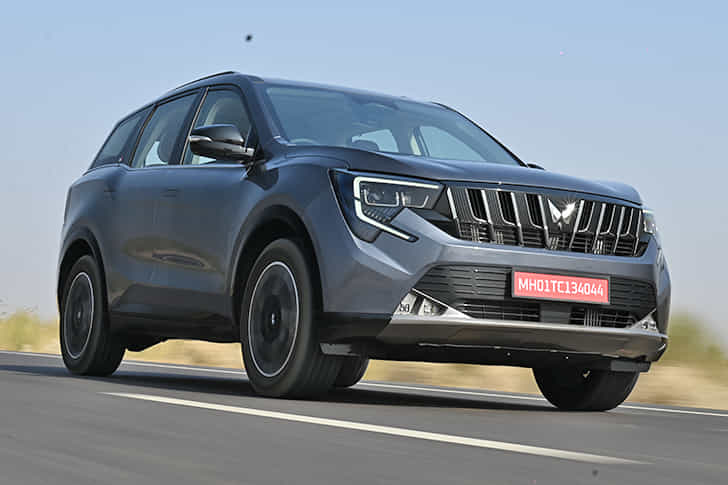
We are a family of 4 and our usage is limited to 10-12,000 km annually which involves 60:40 city-highway usage. Our trips always have a couple of more members joining us. I like the XUV 7XO (diesel) automatic but I am not too sure about its longevity since I would like to own this car for 8-10 years. I considered the Alcazar but I felt the 2nd row is slightly narrow compared to the 7XO. Also, as a car that costs as much as the 7XO isn't nearly as powerful either. Are these my only options? I know my usage may not need a diesel but I would like to own one while these are still available, so I don't mind the delta in price. Also, with the E20 petrol, the performance and efficiency of my current S-Cross has seen drastic difference. I would like the car to be engaging to drive and also reliable with a fuss free ownership. Could you guide me on this please? Thank you.
Go for the Mahindra XUV 7XO diesel automatic. Your usage of 10-12,000 km a year with a 60-40 city-highway split does not strictly demand a diesel, but your preference for owning one while they are still available is valid, and the XUV 7XO diesel is one of the best diesel powertrains in the segment. It is strong, refined and well suited to highway touring, which aligns with your occasional long trips with additional family members.The XUV 7XO is also one of the most engaging 7-seater SUVs to drive, with good performance and a well-sorted chassis. The second row is genuinely spacious, and the third row is usable for occasional passengers, which is important given your family of four plus two additional members on trips. On longevity, Mahindra has made significant improvements in reliability and ownership experience over the past few years, and the XUV 7XO is a mature product. As long as you maintain it well, there is no reason it cannot be a reliable 8-10 year ownership proposition.If you are open to alternatives, the Tata Sierra is worth a look. It is spacious, comfortable and feels premium inside, but the diesel engine is not as strong nor as refined as the Mahindra's. Overall, the XUV 7XO diesel automatic is the best fit for your requirements. It offers the right balance of space, performance, driving engagement and long-term ownership potential.
I am planning to buy my first car. I want to have a 7-seater and need it for long term ownership. I liked the Citroen Aircross X design for 5+2. I am planning to choose a car with automatic transmission. I have couple of major concerns for which I would like your advice. First one is Mileage, I heard Aircross has a mileage issue and its real-world city mileage is 8 kpl while on highway it is 14 kpl. Is it the same for X version also? Second advice is for its service network. I have heard from the people that its service is slow. Regular servicing also takes around 2 days of time. I have a service center within 10 km from my home. My budget is Rs. 20 Lakh and I need an automatic transmission with rear and front parking camera or 360-degree camera since I am a new driver. Are there any 7-seater alternatives within this budget?
The Citroen Aircross X is a good-looking car, now with a premium interior. It is the only SUV in its category which offers a 5+2 seating configuration, and even though the third row is not particularly spacious, it works for occasional use. The real-world fuel efficiency figures as per our tests are 9.5kpl and 13.62kpl in city and highway conditions, respectively, which is quite decent given the strong and smooth performance this 1.2-turbo-petrol-AT delivers. What's more is that ride comfort is outstanding, perhaps the best among all midsize SUVs. So as far as comfort and practicality goes, the Aircross X is a good car.Citroen's service centre network is limited, but since you have a touchpoint close to your home, your vehicle's regular servicing and maintenance is likely to be taken care of smoothly. If you love the Aircross X for what it is, go for it - as far as value goes, it is an outstanding proposition. If you're looking for proper seven-seater alternatives, we'd strongly recommend the Kia Carens Clavis HTK+ turbo-petrol automatic version. All three rows are properly spacious, well-suited for adults. This variant will be within your Rs 20 lakh on-road budget, and it has front and rear parking sensors, as well as rear-view camera to make parking easy for you. Sure, it isn't an SUV, but it is a very sensible car, if you need a proper seven-seater.
I’m looking for my first personal car, although I’m in no hurry to buy one. I recently drove a friend’s Kylaq Signature+ AT and genuinely loved it. It felt mature, eager, and somehow familiar, almost like home. Since I intend to keep my cars for a long time, I started exploring larger European cars. The Kushaq’s exterior is jaw-dropping, but something feels missing in its dashboard design. The Taigun’s interior looks premium, even if the materials aren’t particularly soft-touch. Then there’s the European Duster Adventure AT, which costs around Rs 4 lakh less than some of my other options, but I’m not particularly keen on its reflector headlights. Now I’m tempted to test-drive the Scorpio-N Z6 D AT and XUV 7XO AX3 D AT as well, since they fall within a similar price range. However, fuel efficiency, servicing and overall ownership costs seem excessive for someone who drives barely 5,000km a year, mostly for pleasure. I commute on my Jupiter. Here’s my dilemma. The Kylaq Sportline AT would cost around Rs 13 lakh with BH registration. I loved driving it, and its space should be sufficient even if kids enter the picture five years from now. The Duster Adventure AT costs around Rs 16 lakh and sits a segment above the Kylaq, with a more substantial mechanical package. My heart has wanted a VW or Skoda ever since we bought Dad’s Honda City, which is why the Kushaq and Taigun remain tempting options. Then there’s the XUV 7XO AX3 D AT at around Rs 20 lakh. It’s huge and tempting, but I’m unsure about its body roll. My friend’s 2019 XUV500 impressed me, although its body roll was noticeable. I don’t really need a big SUV, but if I’m buying a car to keep for the long term, should I stretch my budget or stick with the Kylaq, which I already love driving?
You already have the answer in your question. The Kylaq Sportline AT is the car you loved driving, and at Rs 13 lakh with BH registration, it is also the most sensible choice for your usage. With just 5,000 km a year, mostly pleasure drives, there is no justification for stretching to a diesel SUV like the XUV 7XO AX3 D AT at Rs 20 lakh. The fuel savings will never add up, and you will be carrying around a lot of unnecessary size and weight for no real benefit.The Duster Adventure DCT at Rs 16 lakh is a tempting upgrade, but it is not a segment above the Kylaq in any meaningful way. The Kylaq is a genuinely well-sorted car with a proven 1.0 TSI engine and a 6-speed torque converter automatic that is reliable and easy to live with. It is also spacious enough for a small family.The Kushaq and Taigun are both excellent cars, but the Kylaq is essentially the same mechanical package at a lower price. The only reason to choose the Kushaq or Taigun would be if you strongly prefer their interiors, but from an ownership perspective, the Kylaq is the smarter buy.The XUV 7XO is a great car, but it is a big, heavy diesel SUV designed for long highway runs and high annual mileage. At 5,000 km a year, it simply does not make sense.Stick with the Kylaq Sportline AT. It is the car you loved driving, it is the right size for your needs, and it will be the easiest and most enjoyable car to own over the long term. Do not overthink this. The best car is the one you already know you love.
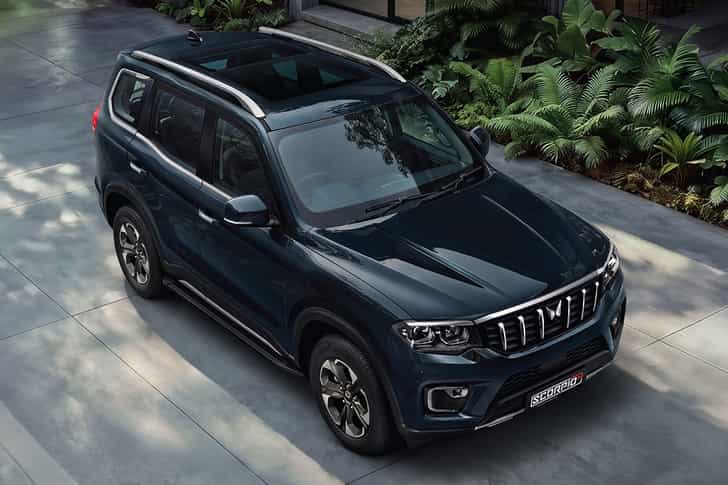
Please advise which car would be the best choice for long-term ownership: the Mahindra Scorpio, Tata Safari, Tata Harrier, Jeep Compass, Volkswagen SUV, or any other suitable option. My priority is reliability, long-term durability, and hassle-free ownership over the next 10 years or more. I would appreciate suggestions based on real-world ownership experience, maintenance costs, spare parts availability, and after-sales support.
For long-term ownership, the Mahindra Scorpio N is the safest recommendation from your shortlist. It has a proven track record, robust mechanicals and a strong service network, making it a dependable choice for 5-10 years of ownership. The Tata Harrier and Tata Safari have improved significantly, but the Scorpio N still has the edge on long-term reliability and ownership confidence. The Jeep Compass is a good product, but it is now an ageing model and does not offer the same value proposition as the Scorpio N. If you are open to alternatives, the Mahindra XUV 7XO is worth considering. It is a more modern product with a better balance of comfort, features and refinement, and it is a strong long-term ownership proposition as well. The Volkswagen Taigun and Skoda Kushaq are excellent driver's cars, but they are smaller and do not offer the same level of space or road presence as the Scorpio N or XUV 7XO.

I am confused between the Hyundai Creta Electric and the Tata Sierra EV. I am a little hesitant about the Sierra because of the glitches being reported, whereas the Creta Electric seems to have been relatively problem-free based on what I have heard so far. I also feel that the Creta Electric's motor is better refined, as the motor noise in the Sierra seems to creep into the cabin at speeds above 50kmph. Kindly advise me on which one would be the better choice.
If refinement is your priority, the Hyundai Creta Electric is the safer bet for you over the Tata Sierra EV. Since you've already noticed the Sierra's motor noise creeping into the cabin, that could become an everyday annoyance, particularly on highways. A test drive is worth more than a long list of features in this case.The Sierra EV has the advantage of a newer design and a spacious cabin, but your concerns about glitches are understandable. Early software issues don't necessarily mean the car is unreliable, though it's sensible to be cautious until there's a longer ownership record. The Creta Electric feels like the more familiar, predictable choice, with Hyundai's established service network working in its favour.
Hello Team, I am looking to upgrade my car and currently own a 2017 Volkswagen Ameo Highline. I have been a Volkswagen fan since then, and my budget is around Rs 35 lakh. The two options I am considering are the Volkswagen Tiguan R-Line and the Jeep Compass Model S. My preference is leaning towards the Volkswagen, but I would appreciate your suggestions if there are any better alternatives in this budget. Thanks in advance!
Go for the Volkswagen Tiguan R-Line. It is the more premium and better-rounded product, and it will feel like a genuine upgrade from your Ameo. The Tiguan offers a more refined driving experience, a higher-quality cabin and a more premium overall feel. The 2.0 TSI engine is strong and the DSG gearbox is quick, making it a genuinely enjoyable car to drive. The Jeep Compass Model S is a good car with strong performance and a solid build, but the Tiguan feels a class above in terms of refinement, space and overall ownership experience. If you are open to alternatives, the Skoda Kodiaq is worth considering as it offers a similar mechanical package with the added flexibility of a third row. Overall, the Tiguan R-Line is the best fit for your requirements and will keep you happy for years to come.
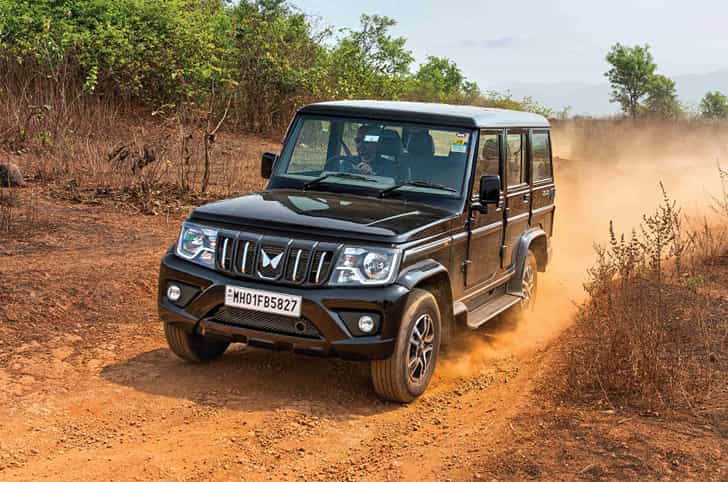
Hi, I am looking for a budget-friendly car for driving in the hills of Uttarakhand. My priorities are reliability, high ground clearance and the ability to handle hilly roads with ease. I am considering the Mahindra Bolero Classic. Would it be a suitable choice for my requirements? Thanks in advance.
The Mahindra Bolero Classic is a sensible choice for Uttarakhand hills. It is a rugged, proven workhorse with high ground clearance, a simple mechanical package and a reputation for reliability on rough terrain. If your usage is predominantly in the hills, with bad roads and steep inclines, the Bolero Classic will serve you well.However, it is worth considering the Mahindra Scorpio Classic as well. It offers a more powerful engine and a more modern cabin while retaining the same rugged, body-on-frame construction and high ground clearance. The Mahindra Scorpio Classic is better suited for long drives and highway runs, while still being capable in the hills.If your budget is tight and your usage is mostly short hill runs, the Bolero Classic is the right choice. If you can stretch your budget a bit, the Scorpio Classic is the more comfortable and versatile option for long-term ownership.

Hi team, I am planning to buy the Tata Altroz diesel, but I am confused between the Altroz and the Kia Sonet. Given that both options fall into different segments, I am unsure whether I should go for the Altroz or consider a sub-4-metre SUV like the Sonet. Could you please help me understand which would be the better choice? Thanks in advance.
Go for the Tata Altroz diesel. Your daily running of 30km and a mix of city and highway driving make diesel a sensible choice, and the Altroz is a genuinely strong package. The diesel engine is efficient, punchy and well suited to both city commutes and highway runs, while the Altroz itself is spacious, comfortable and has a proven safety record. It is also significantly more affordable than the Sonet, allowing you to opt for a higher variant with more features within the same budget.The Altroz diesel offers a better balance of efficiency, performance and ownership cost. The only caveat is that the Altroz diesel is available only with a manual gearbox, so if you specifically want an automatic, the Kia Sonet diesel automatic would be the better choice. Otherwise, the Altroz diesel is the smarter buy.
Hi, I am planning to buy an EV with an on-road price within ₹20 lakhs. Can I consider the ZS EV? My daily commute is around 50-60 km, including 30-35 km of highway driving, with the rest being city driving. I need a spacious car with a good interior. I don’t like the Curvv or Windsor designs. I currently use a Nexon petrol, which I like.
The MG ZS EV is a strong fit for your requirements if it is the discounted car under Rs 20 lakh on road. Your daily 50 to 60km commute, including 30 to 35km on the highway, is well suited to an electric car, and this MG car offers a more premium cabin and a roomier feel than your current Tata Nexon petrol. Since you dislike the Tata Curvv and MG Windsor designs, there's little reason to force yourself towards either.The current ZS EV has a 50.3kWh battery and a real world range of around 340km. Its comfortable ride and conventional SUV styling make it a sensible upgrade, while the main drawback is that it is an ageing model, with a replacement reportedly expected around 2027.That could affect resale value, but the discount can help offset the risk.
Hello, I am planning to buy a car for my family, but I am confused about which one to choose. We are a family of seven, and our car usage is quite low. We mostly use it for long-distance family trips. Which car would you recommend for my family? Should I consider an SUV or a 7-seater MPV? I would appreciate your suggestions based on comfort, safety, mileage, and overall value for money.
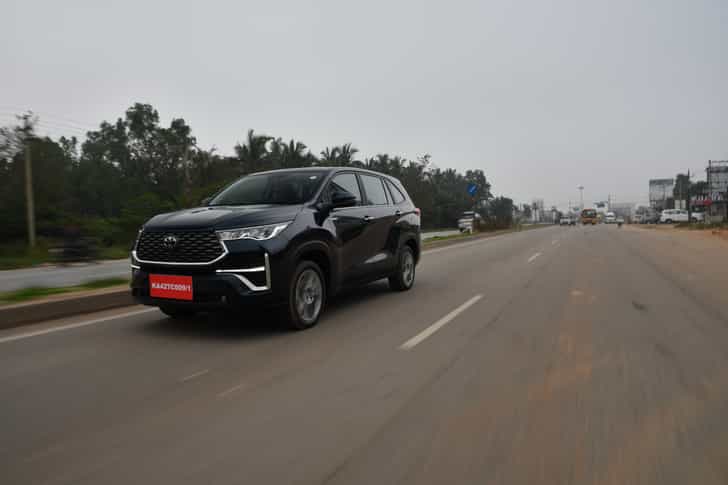
For a family of seven with low usage and mostly long-distance trips, the Toyota Innova HyCross is the best recommendation. This Toyota car is a proper 7-seater with genuinely usable third-row space, excellent comfort and a reputation for reliability that makes it a stress-free long-term ownership proposition. The hybrid powertrain is also well suited to your usage, offering good fuel efficiency on highways and low running costs over time.If you are looking for a more budget-friendly option, the Maruti Suzuki Ertiga is a sensible alternative. It is comfortable, reliable and offers good value for money, though this Maruti Suzuki car is not as spacious or as premium as the HyCross.Between an SUV and an MPV, an MPV is the better choice for your needs. SUVs may look more rugged, but most 7-seater SUVs compromise on third-row space and comfort, whereas MPVs like the HyCross and Ertiga are designed specifically for family travel and long-distance comfort.If you are looking for a more premium and feature-rich alternative, the Kia Carens Clavis is worth considering. It offers a more premium cabin and a good feature set, but the HyCross remains the more comfortable and reliable long-term choice.
I am planning to buy a car in December 2026, and my budget is around Rs 11 lakhs. There are five members in my family. Please suggest the best family car.
With a budget of around Rs 11 lakh and a family of five, the Mahindra XUV 3XO is the recommendation. It is one of the most spacious compact SUVs in the segment, with a wide rear bench that comfortably accommodates three passengers, making this Mahindra car a genuinely practical five-seater. The ride quality is well-suited to Indian roads, and the car feels solid and safe, which is important for family use. It also offers a good balance of features and value for money, and Mahindra’s service network is strong.The only real drawback is the boot, which is on the smaller side for the segment. If luggage space is a major priority, the Maruti Suzuki Brezza is a strong alternative. This Maruti Suzuki car is also a comfortable five-seater, with a more practical boot and Maruti’s excellent reliability and service reach.
When we ask dealers about the new Innova facelift, they say there is no official confirmation from the company. Now I need to buy an Innova, but I am confused about what to do.
If you need an Innova now, there's no reason to delay your purchase just for an unconfirmed facelift, but the decision depends on whether you're considering the Crysta or the Hycross. The Innova Crysta received a minor update in June 2026, with revised styling and added features, so that update is already on sale.The Innova Hycross is a different matter. A facelifted version has been spotted testing, with a launch expected by December 2026 and deliveries early 2027, but Toyota hasn't confirmed an official launch date.If you can wait and want the Hycross, it makes sense to see whether the update brings worthwhile changes. If you need the car immediately, buy the current model rather than waiting indefinitely.
Hello Autocar Team, I’m planning to buy a Tata Sierra diesel and would really value your advice. I’ll be driving mostly in Hyderabad, with city traffic accounting for the majority of my usage and occasional highway trips. Could you please help me with a few questions? 1. Is the Tata Sierra a good buy right now? How is it performing in the market, and has it been a sales success or a flop? 2. What is its real-world diesel mileage in city traffic and on highways, based on your tests? 3. How are its build quality, reliability, and long-term ownership prospects? 4. How good are Tata’s service network, spare parts availability, and running costs, especially in Hyderabad? 5. Given my annual running of around 12,000-15,000km, is the diesel worth the premium, or would the petrol version make more sense? 6. How does it compare with rivals such as the Hyundai Creta, Kia Seltos, and Mahindra XUV700 for my usage? Thank you for your time. I look forward to your guidance.
Given your usage of 12,000-15,000 km a year, the Tata Sierra diesel makes sense. It is certainly worth the premium over the turbo-petrol version due to its real-world fuel efficiency advantage. In our tests, the diesel-automatic version returned 11.5kpl in the city and 14.5kpl on the highway, but with smoother-flowing traffic, you could extract even better efficiency; the diesel-manual is likely to deliver even better numbers.To answer the second part of your question, this Tata car is well accepted by the market, and it is Tata's third-best-seller (after Nexon and Punch), even outselling the Tata Tiago hatchback in some months.The Sierra is a solidly built SUV, and Tata has made improvements in reliability over the past few years. That said, owners have report some niggling issues, and Tata's service experience isn't consistent and it can be a hit-or-miss. The engine however seems largely reliable, and mechanically, it seems sound.The Sierra stands out for its impressive road presence, excellent ride comfort, and spacious cabin and large boot, making it a better family car than the Hyundai Creta or Kia Seltos. Its engine refinement isn't as good as its Korean rival, and it still lacks their finesse. The Mahindra XUV 7XO belongs to a segment above - it is larger in size, pricier, and its diesel engine is far more refined, punchier and overall it feels like a more sophisticated SUV. If the Sierra diesel has bowled you over, go for it - it is a good car. But if you can stretch your budget, the Mahindra XUV 7XO is the better buy.

Need expert advice?
Ask the Autocar community and experts.