
Autocar India
2d

I want to buy an automatic car for Bangalore bumper-to-bumper traffic for daily use, and I also have some highway driving (200 km) every month for my work. I am a bit concerned about the current ethanol blending and the future of it, as I am sceptical if i but a car now, how long may I use it! My budget is 10 lakh. Please advise me.

Verified
17m

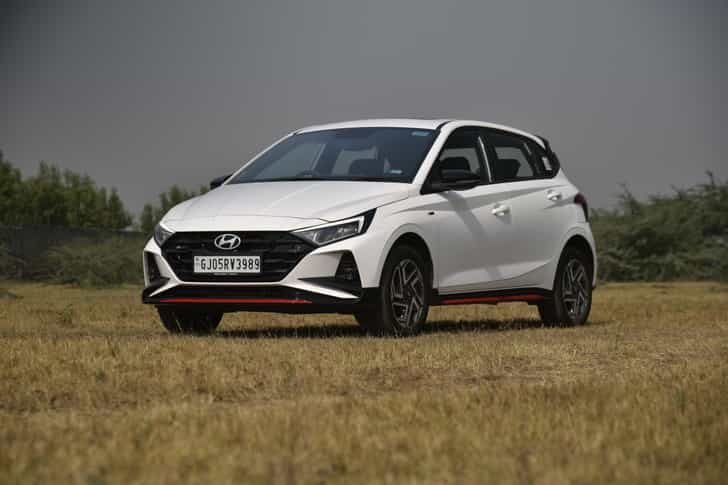
The Hyundai i20 IVT is the best fit for this usage. With daily bumper-to-bumper driving in Bengaluru and occasional 200km highway trips, a petrol automatic is the right choice. The i20's IVT gearbox is one of the smoothest automatics in this price range, making it far more relaxing in heavy traffic than an AMT, while remaining comfortable on the highway.

There is also no reason to delay buying a petrol car because of concerns around ethanol blending. Modern E20-compatible petrol engines are designed to run on E20 fuel, and there is currently no official roadmap beyond E20. The impact on ownership is limited to a slight reduction in fuel efficiency, and it is unlikely to affect the car's longevity or resale value if it is maintained as per the service schedule.

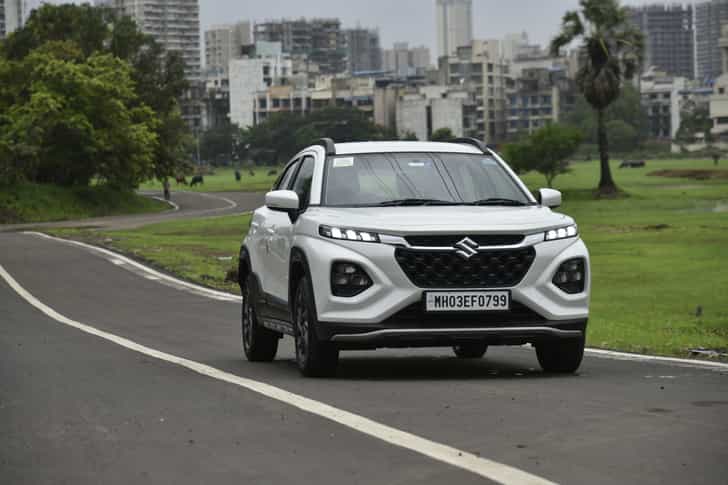
At a budget of Rs 10 lakh, an SUV with a conventional automatic is difficult to find. Most options in this price bracket use an AMT, which is not as smooth or refined as the i20's IVT in stop-start traffic. If a higher seating position is a priority, the Maruti Fronx AMT is worth considering, but it requires accepting the compromises of an AMT.
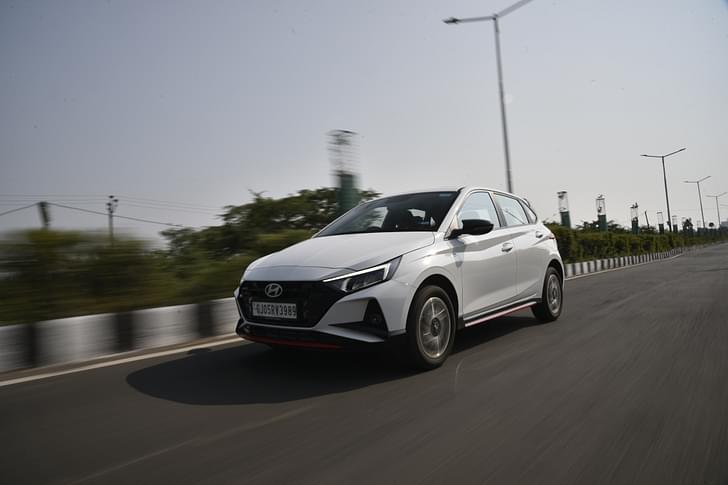
Hyundai i20

Hyundai i20

Was this helpful? Ask a follow-up

More questions on similar cars

2d

Dear Autocar Team, I am looking to replace our household’s trusty Maruti Suzuki Swift AMT model. This vehicle serves strictly as our secondary car, and its duties are entirely urban: daily school runs, grocery trips, and the occasional trek across the city. It will not see any highway use. Given that city traffic is notorious for tanking the fuel efficiency of petrol cars, I am wondering if shifting to an EV makes sense. I have been looking closely at the Tata Punch EV as a potential replacement. Could you please advise on the following: 1. For an exclusively urban, low-to-medium mileage use-case, is an EV truly recommended over traditional ICE automatic models, and will it be economically viable in the long run? 2. How does the Punch EV fare as a pure city commuter in terms of real-world range, ease of driving in traffic, and long-term reliability? Are there specific variants you recommend? 3. Are there any other petrol, automatic or EV alternatives in this segment that I should consider before making my decision?

Verified
1d

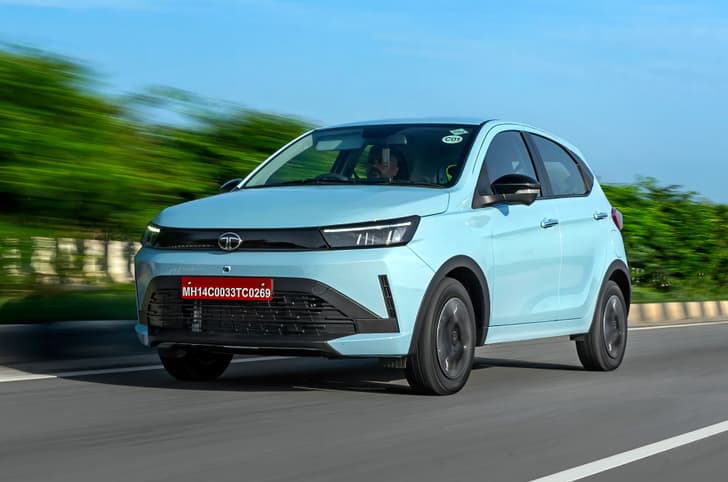
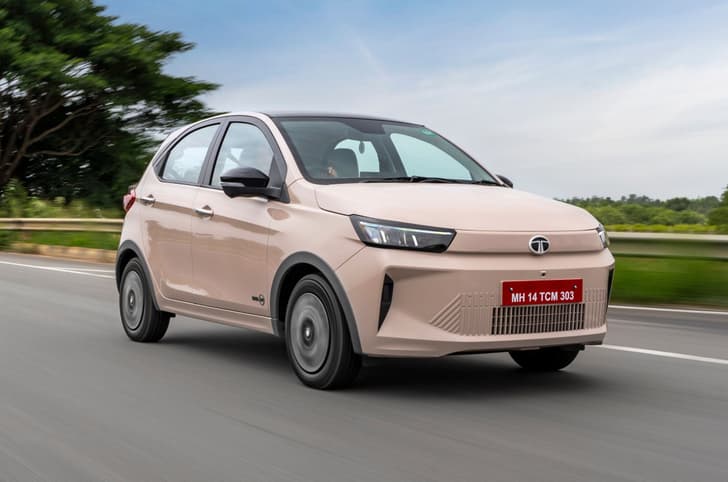
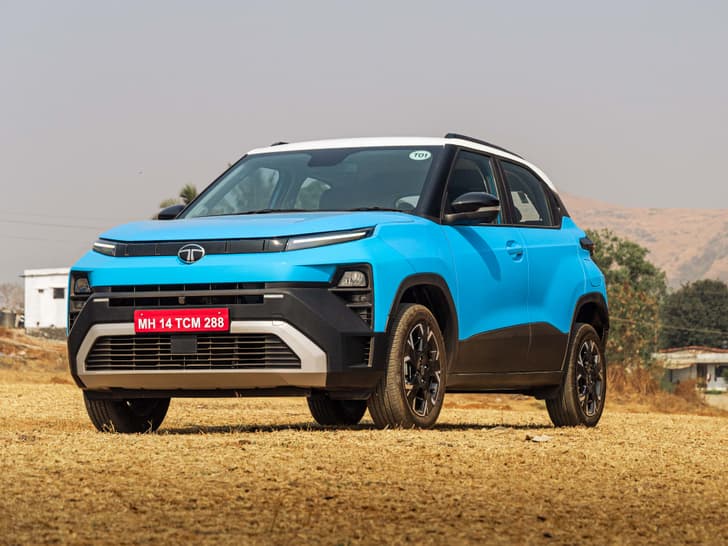
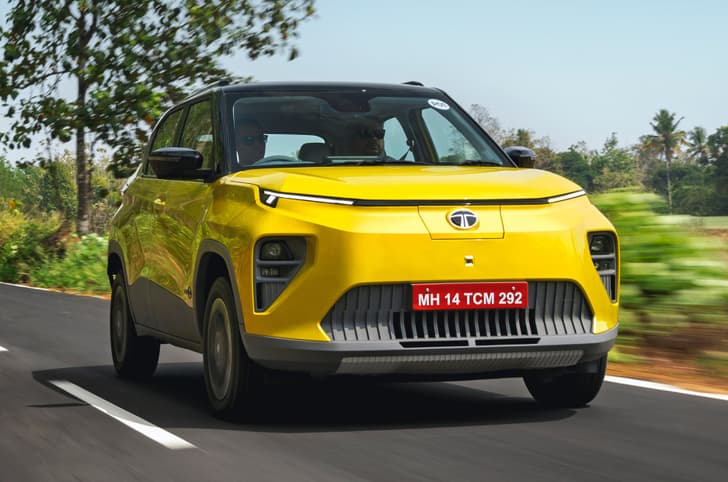
Yes, switch to an EV if you have a fixed parking spot where you can install a home charger - for a pure city, second car, the Tata Punch EV fits best. Stop-go traffic is where EVs save the most, and with low maintenance and cheap electricity, the math works out over a few years. If you cannot charge at home, skip the EV idea.As a city commuter, the Punch EV is easy. Light steering, smooth creep, strong regen that lets you use the brake less, and ground clearance for bad roads. In real use, the Medium Range handles a typical week of school runs and errands on a single charge; the Long Range provides more buffer if others in the family do longer loops. Tata’s EVs have held up well so far, and support is wide. For variants, pick the Medium Range if your daily running is short and you can top up at home; choose the Long Range only if you want to charge less often. The 7.2 kW home charger is nice to have, not a must-have.Also, look at the Tata Tiago EV for a lower price, and the MG Comet if you want something compact. If you stay petrol, the Hyundai i20 IVT or Amaze CVT automatics are the easiest city alternatives.

VehicleTata Punch EV
VehicleTata Tiago EV
VehicleMG Comet
VehicleHyundai i20
VehicleHonda Amaze

Curated collections

Popular discussions right now
Posted on: 12 Jul 2026