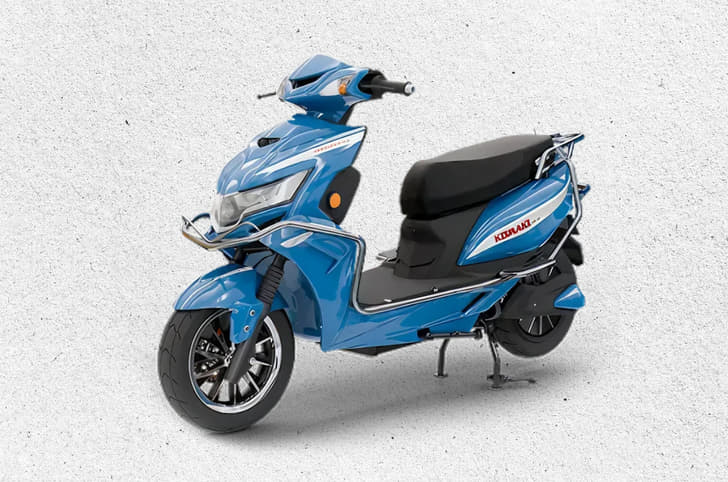
India’s automotive testing and certification agencies are understood to be reviewing the specifications for low-speed electric two-wheelers under the Central Motor Vehicles Rules (CMVR). Industry discussions suggest the permissible motor power could be increased beyond the current 250W limit, while the 60kg unladen weight cap may also be revised. The existing 25kph top-speed limit, however, is expected to remain unchanged.
- Testing agencies reviewing 250W power and 60kg weight limits for exempt low-speed EVs
- 25kph top-speed limit expected to remain unchanged
Low-speed EV specification details
Low-speed EVs are currently exempt from registration, licence and helmet requirements
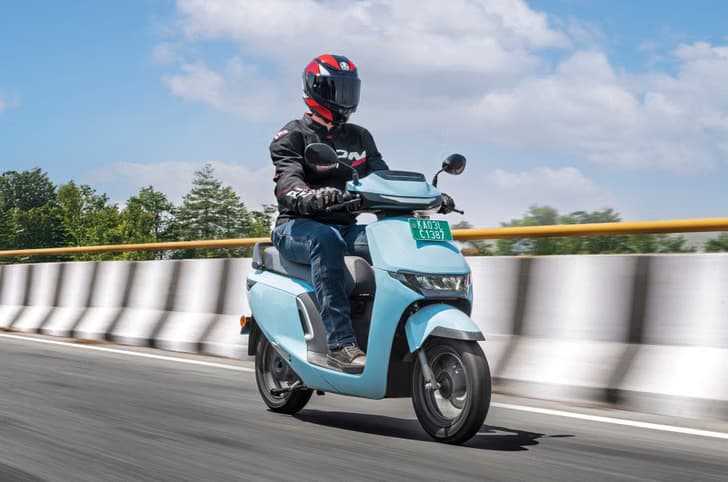
Under existing CMVR regulations, electric two-wheelers that remain within the 250W motor output, 60kg unladen weight and 25kph top-speed thresholds are treated as non-motor vehicles. As a result, they are exempt from registration, driver’s licence and helmet requirements. The category was originally created to encourage affordable and accessible mobility.
However, industry sources say the current framework is increasingly coming under scrutiny as the role of low-speed electric vehicles evolves. The review also coincides with a separate proposal that sought public comments on allowing 16-17-year-olds to legally ride electric two-wheelers with motors of up to 1,500W, provided the vehicles remain limited to 25kph.
At the same time, the rapid growth of quick-commerce and hyperlocal delivery services has turned low-speed electric scooters into popular fleet vehicles in urban areas, creating additional pressure to revisit existing regulations.
One of the key concerns revolves around enforcement. The Ministry of Road Transport and Highways (MoRTH) has previously warned states about manufacturers and dealers marketing vehicles that pass type approval tests within the 250W and 25kph limits but are later sold or modified with larger motors and battery packs capable of reaching 40-55kph.
In Kerala, Motor Vehicles Department raids conducted in 2023 found dealers allegedly retrofitting exempt scooters with 1,000W motors while continuing to operate them under registration-free status. Authorities estimated the resulting tax loss at around Rs 100 crore in a single RTO jurisdiction. Mumbai’s transport department has also moved to crack down on unregistered electric two-wheelers being used by gig workers, citing safety concerns and difficulties in identifying riders involved in accidents.
Critics argue that relaxing the technical limits without simultaneously strengthening enforcement could effectively legitimise vehicles that are already operating outside the existing framework.
“Any further relaxation of the existing norms risks complicating on-ground enforcement and could inadvertently legitimise vehicles already operating outside the CMVR framework,” an industry insider told our sister publication Autocar Professional.
Industry sources also point out that the current regulations were designed as a package. The exemption category is based on the combined effect of motor power, vehicle weight and top speed on safety outcomes. Raising power and weight limits while retaining the same speed cap, they argue, could create inconsistencies in the policy’s original intent.
As a result, industry observers see two possible paths forward. One would be to retain the current exemption category while strengthening enforcement and increasing penalties for tampering and misclassification. The other would be to relax the technical limits but introduce additional safeguards such as mandatory helmets, a simplified registration system for commercially deployed vehicles and clearer labelling requirements to distinguish exempt low-speed EVs from fully type-approved electric two-wheelers.
Shahkar Abidi
 Dhruv Dhaka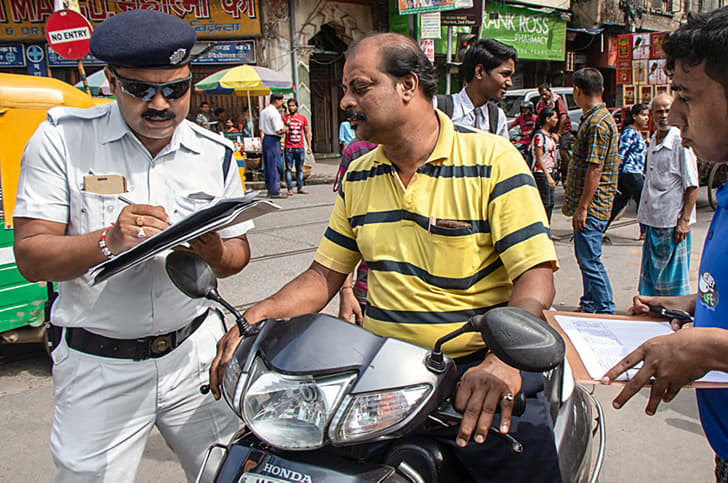


 Suraj Viswanathan