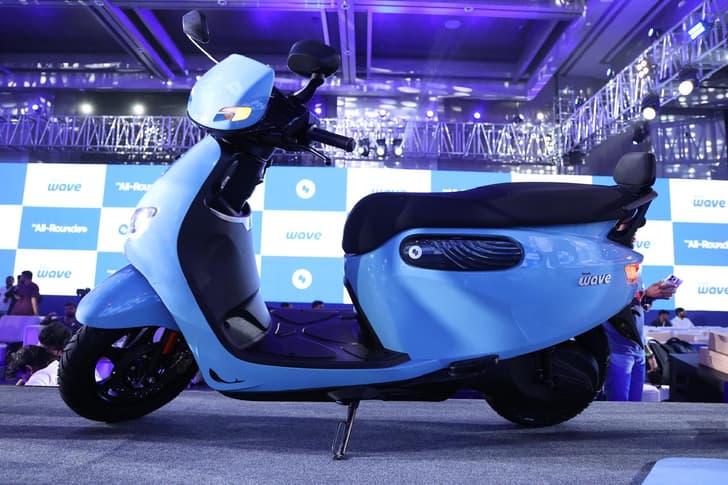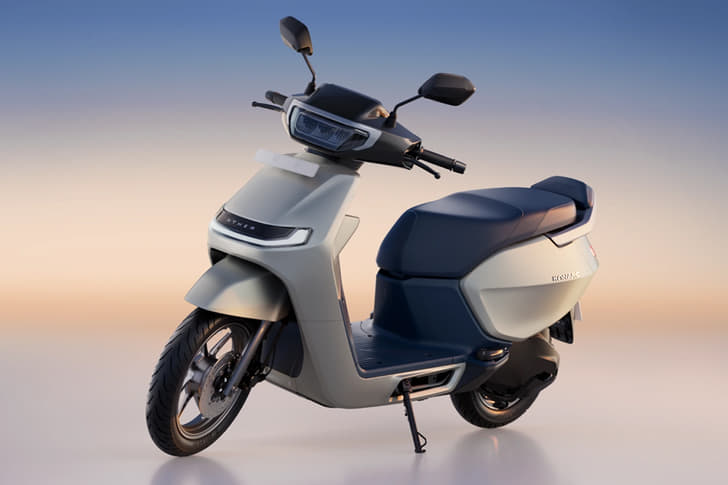

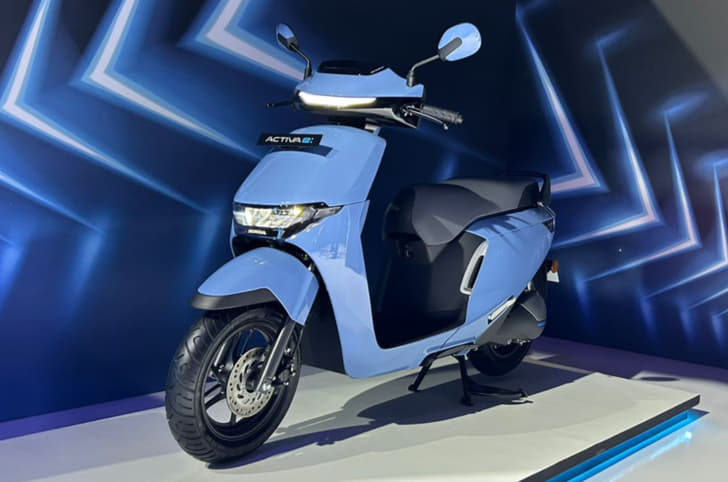
Honda Motorcycle & Scooter India, a late entrant in the country’s electric 2-wheeler (E2W) segment, is in no rush to flood the market with EVs. Instead, the brand is closely monitoring the ownership experiences of early adopters to shape its long-term electric strategy.
- Honda eyeing user response to EV battery drop: swap, replace or exit
- Its dual approach with Activa e: and QC1 tests swap vs home charging behaviour
- Honda eyes a slow, strategic EV rollout with India as a long-term base
Honda to study Indian response to EV battery degradation
Do EV users respond to battery deterioration with swaps or vehicle replacements?
With an eye on battery deterioration patterns, Honda intends to use real-world insights from its initial electric offerings – Activa e: and QC1 – to define the next phase of its EV roadmap.
“In India, ICE customers typically use their vehicles for 10-15 years. But maintaining an EV for that long is difficult, especially due to battery degradation after 4-5 years,” said Tsutsumu Otani, MD, president and CEO of the company. “This is a critical juncture. We are keenly watching consumers’ decisions once battery performance starts dropping: will they swap batteries, replace vehicles or shift preferences altogether?”
This year marks a pivotal moment as India’s first generation of EV customers – those who adopted electric scooters in 2020-2021 – begin to experience battery wear. Honda believes this consumer behaviour and residual value perception will be an essential barometer for future adoption trends, policy alignment and product planning.
Strategic dual approach: Battery swapping and home charging
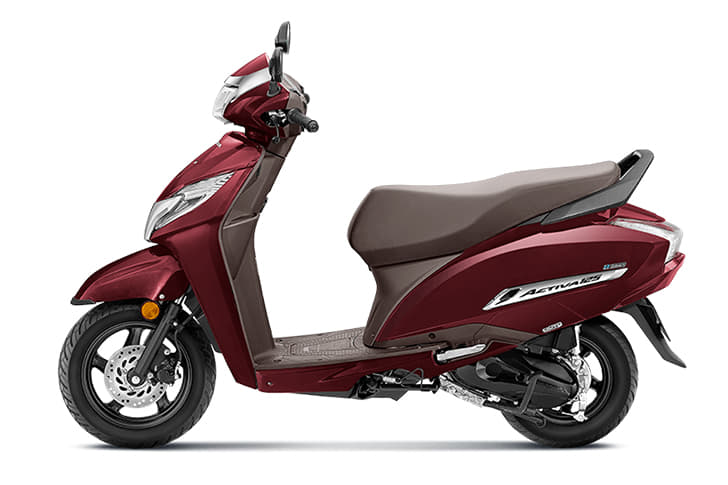
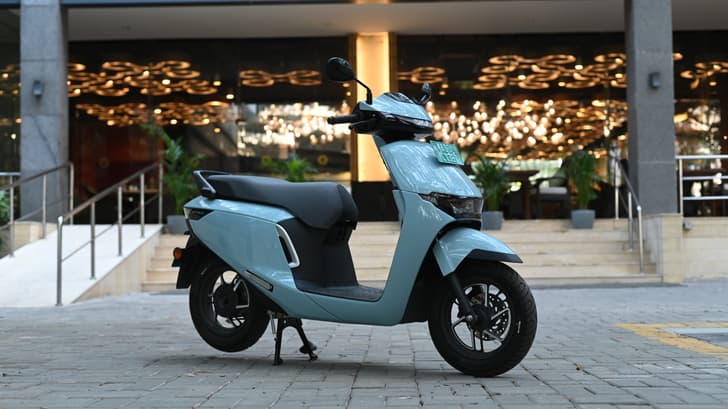
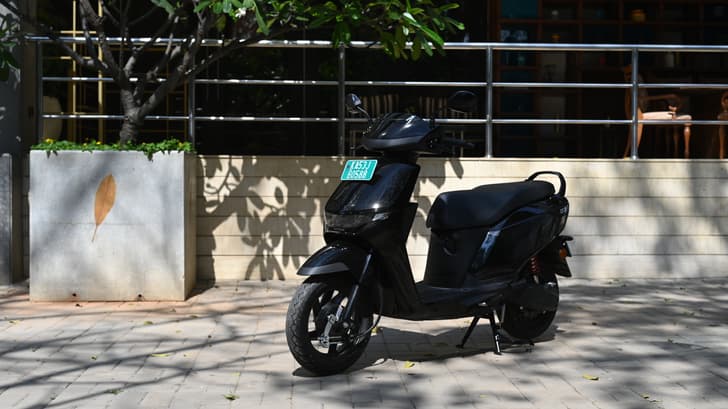
Honda’s first two electric scooters are part of a cautious market-entry strategy. The Activa e:, featuring a swappable battery model, is restricted to Bengaluru and has yet to gain significant volume traction. The other offering, the QC1, allows home charging. However, Honda sees the battery ownership model as a game-changer.
This hybrid strategy allows Honda to cater to a wide spectrum of urban mobility users while gathering essential field data on battery usage patterns, especially around charging behaviour, performance decline and replacement cycles.
A committed long-term bet
Despite its slow start, Honda insists its EV commitment is firm. The company has committed to producing 2.2 lakh electric 2-wheelers annually in the near term and has three more EV models in the pipeline for the Indian market.
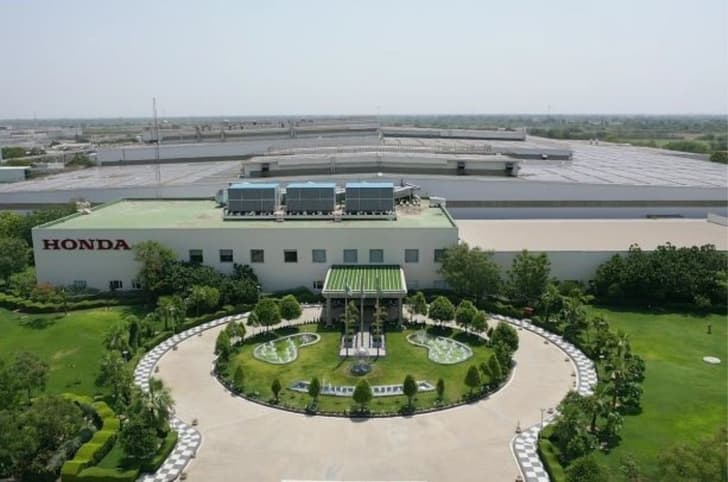
Moreover, India is central to Honda’s EV production vision. A dedicated EV plant in Karnataka, set to be operational by 2028, will anchor future launches.
Watching the market, learning before scaling up
India’s electric 2-wheeler market clocked 1.15 million units in the financial year that ended on March 31, 2025 (FY25), growing 21 percent year on year, and the share of EVs is 6-7 percent. While startups initially dominated the space, legacy players like TVS and Bajaj have significantly upped their game. Hero MotoCorp is also steadily gaining share. Honda, meanwhile, is opting for measured participation: observing consumer pain points and aligning infrastructure rather than chasing first-mover advantage.
The strategy, while slow, is calculated. By waiting for clear signs of how Indian consumers value EVs over a full lifecycle, especially post-battery degradation, Honda aims to optimise its product strategy, cost structures and support systems for India’s unique usage patterns.
With inputs from KETAN THAKKAR
 Autocar India News Desk
 Dhruv Dhaka
 Dipan Sur