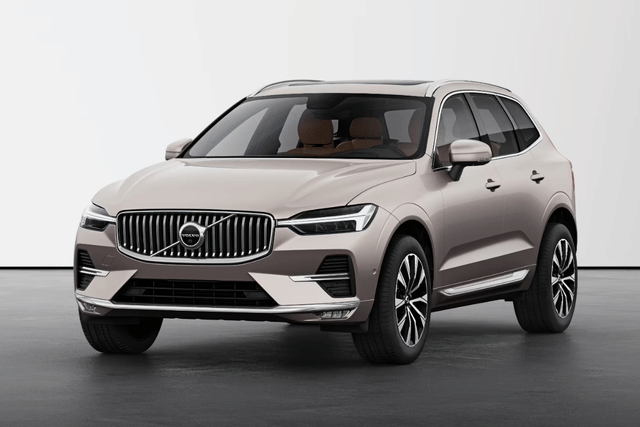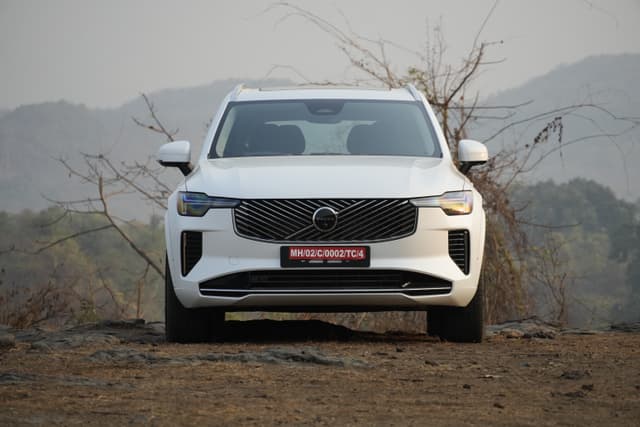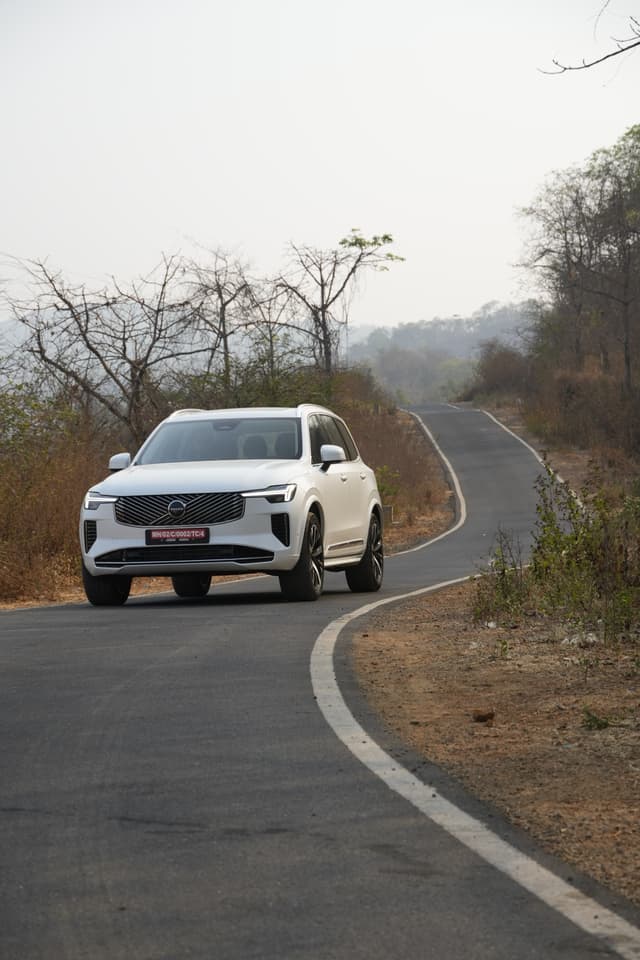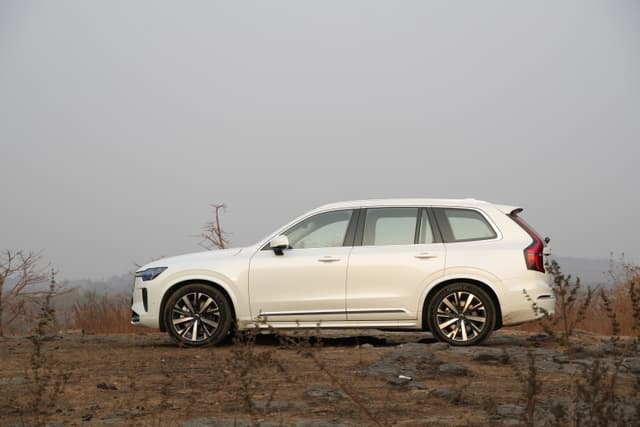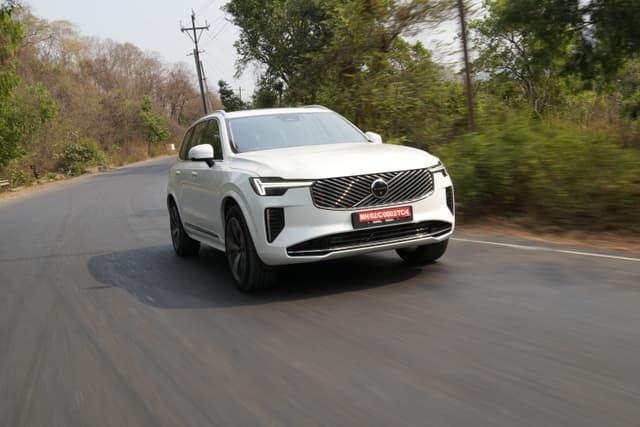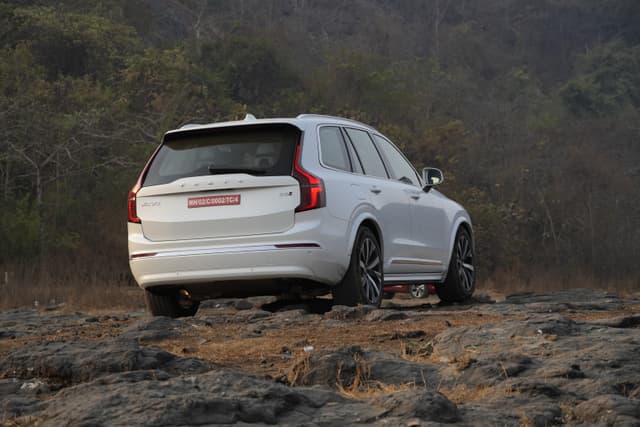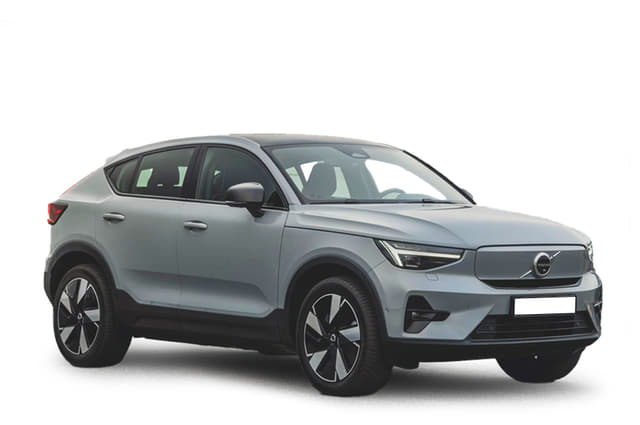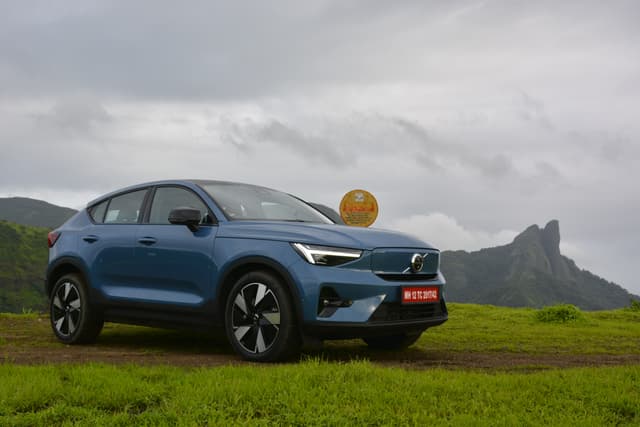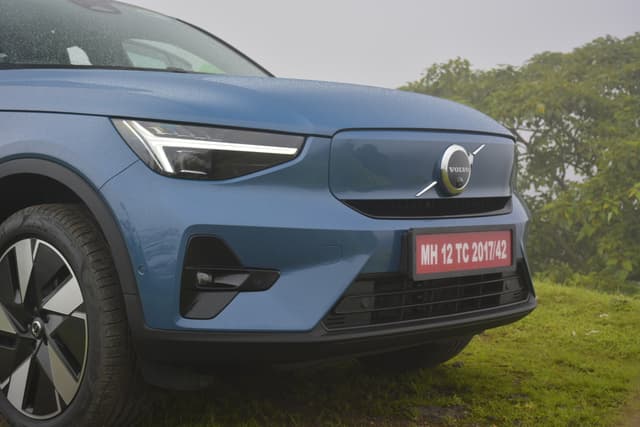

Volvo Cars With Sunroof in India (5)
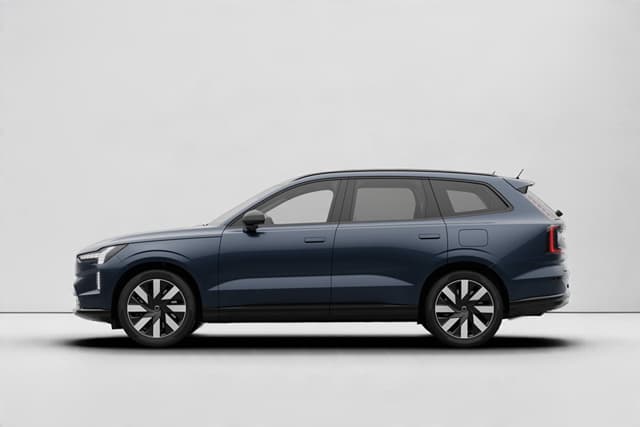
Discover the best Volvo Cars With Sunroof. Our comprehensive guide covers detailed specifications, expert reviews, pricing information, and buying advice for Volvo Cars With Sunroof. Find the perfect cars that matches your requirements and budget.


Still have more question?
Get answers from Autocar experts and owners
- 9,000+discussions
- 20,000+users online
- 10,000+members
Trending Questions on Volvo Cars - Answered by Autocar Experts
I want to buy a new car but I am confused between Volvo XC60, BMW X3 and BMW 5 series LWB. Please guide me.
While all three of your shortlisted cars are brilliant in their own right, there are some differences that make each one special. The 5 Series, the only sedan here and a long-wheelbase one at that, is the best for being chauffeur driven in and the others don't even come close. If you spend most of your time in the back seat, this is the one for you, and it's even nice to drive. The only downside is the ground clearance and long wheelbase, which make it vulnerable to speed breakers. So if you encounter many large ones on your drive, be wary of this. The Volvo XC60 is the most affordable here and while not as exciting to drive, offers a smooth and relaxed driving experience. Its key advantage is air suspension, which has recently been re-introduced to the model, which gives it a comfort edge over the others. However, despite the multiple updates it has received over the years, it is the oldest here, and that can be noticeable in some areas. The best bet for you, given your 100km per day usage and need for mileage as well as performance is the BMW X3. Crucially, the X3 xDrive20d is the only one with a diesel engine here. It may be the most expensive of the three, but its combination of power and fuel economy is hard to get from either of the others, and it's fun to drive and comfy in the back seat too. We think this should be the pick for you.
Can you help me compare Range Rover Velar, BMW X5 and Volvo SUV?
The best all-rounder of these three is the BMW X5, as it offers the best engines, a good mix of driver enjoyment and comfort, great interior space for five, the latest tech and the widest dealer network. Its two six-cylinder engines - a petrol and a diesel - offer a superb mix of power and refinement, and whichever you choose, it feels well suited to a luxury SUV of this size and price.The Range Rover Velar is pretty good value if you don't require too much space. It's half a size smaller than the others, and thus not as roomy, and its four-cylinder petrol and diesel engines aren't as powerful, smooth or refined as the BMW's sixes. It's the more stylish choice, but it is starting to show its age now.The Volvo XC90 is also starting to show its age, but a recent facelift means it has received the latest in Volvo's in-cabin tech. It's the only one here to get a third row of seats, and luxury and the features list are pretty good too. However, its 2.0-litre petrol engine doesn't feel strong enough for the SUV's size and it's not as comfortable or refined as the BMW.
Recently, a Volvo XC90, often regarded as one of the safest cars, was reportedly involved in an accident and caught fire within a matter of seconds, resulting in the tragic death of a renowned neurosurgeon. What could be the possible reason for such a rapid and intense fire? While accidents can understandably cause injuries and trauma, a vehicle catching fire so quickly after what appears to be a relatively minor impact raises serious questions about fire safety and occupant protection. When a car costs around Rs 1.23 crore, buyers naturally expect a very high level of safety, including protection against such secondary hazards. If a relatively minor accident can result in a vehicle being engulfed in flames and a person being trapped inside, it is fair to question how such risks can be prevented. This is also not the first reported case of a luxury vehicle catching fire after an accident. I have come across similar reports in the past. What do you think could be the possible cause, and what safety measures should manufacturers consider to prevent such incidents?
Firstly, our deepest condolences to the family involved. This is a tragic incident and understandably raises serious concerns.The Volvo XC90 is one of the safest cars on the road, with a strong safety record and a five-star Euro NCAP rating. However, no car is immune to fire in the event of a severe accident. Modern vehicles, regardless of price, carry significant amounts of fuel and electrical systems, and under certain conditions, such as a high-energy impact, ruptured fuel lines, electrical shorts, or a fire starting in the engine bay, a fire can develop rapidly.The key point is that fire risk is not directly linked to the cost of the car. Even the most expensive and safest vehicles can catch fire if the conditions are met. Safety systems are designed to protect occupants in a crash, but they cannot always prevent a fire from starting, especially if the impact is severe or the fire source is difficult to contain.It is also important to note that details of this specific incident are still emerging, and without a full investigation, it is impossible to say exactly what caused the fire. Factors such as the nature of the impact, the location of the fire, the speed of emergency response and the ability to exit the vehicle all play a role.The takeaway is that while modern cars are safer than ever, fire remains a rare but real risk in high-energy accidents. The focus should be on understanding the cause through a proper investigation rather than assuming that a premium car is immune to such outcomes.
Which is superior? Skoda Superb or Volvo xc60. Is the electric version of the xc60 available in India?
I am confused about which EV would be the best choice: the BMW iX1, a Volvo EV, or Mahindra XEV 9S. Are there any other EVs that I should also consider before making a decision? My only concern with the BMW iX1 is its interior.
The BMW iX1, Volvos and Mahindra XEV 9S are all quite different propositions, so the ‘best’ one really depends on what you value beyond interiors.The BMW iX1 is actually one of the more practical luxury EVs, with a spacious cabin. a genuinely premium feel and strong performance, which makes it very good value in the luxury EV space. If your only concern is that the interior doesn’t wow you visually, it’s still worth a serious look because the perceived quality, ergonomics and driving experience are all very strong.Assuming you’re referring to the Volvo EC40 and EX30, both offer very classy, minimalist cabins with high-quality materials and that typical Scandinavian design feel, but with almost everything controlled via the touchscreen. However, they are not very spacious; the EX30 in particular is tight at the rear, with limited legroom and a cramped benchThe Mahindra XEV 9S cannot match the Europeans for material richness or finesse of fit and finish, but it is fantastic value and absolutely nails space, comfort and features, especially if you need a proper family EV and possibly seven seats. If interior design “feel” matters more than outright luxury, the 9S may actually make you happiest in daily use, while the BMW is the better pick if you want a true luxury EV with strong dynamics.
Last Updated on: 23 Nov 2026