Tata Punch AMT: Highway Driving


Last Updated on: 14 Oct 2026
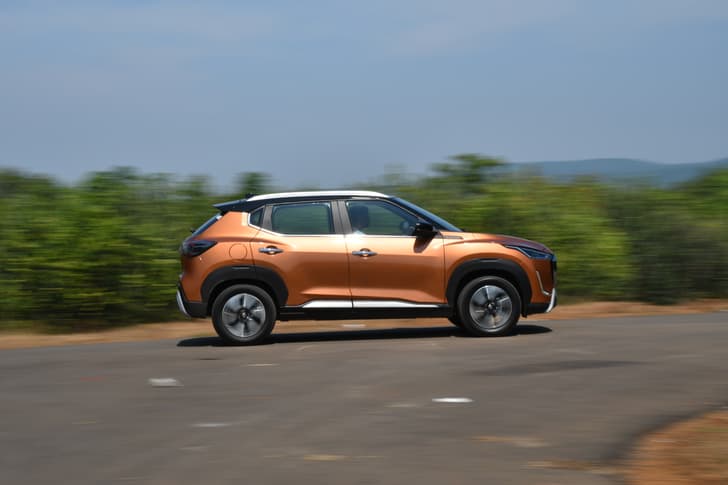
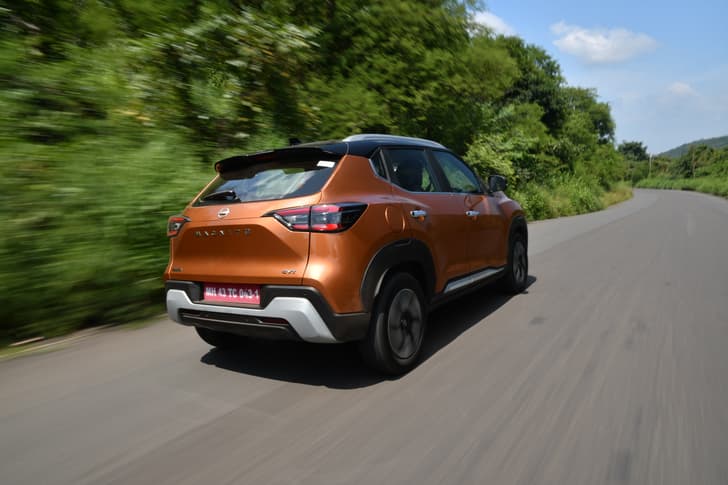
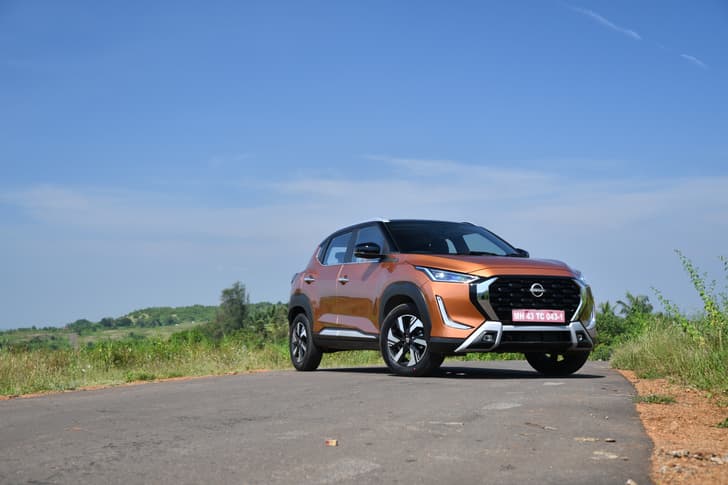
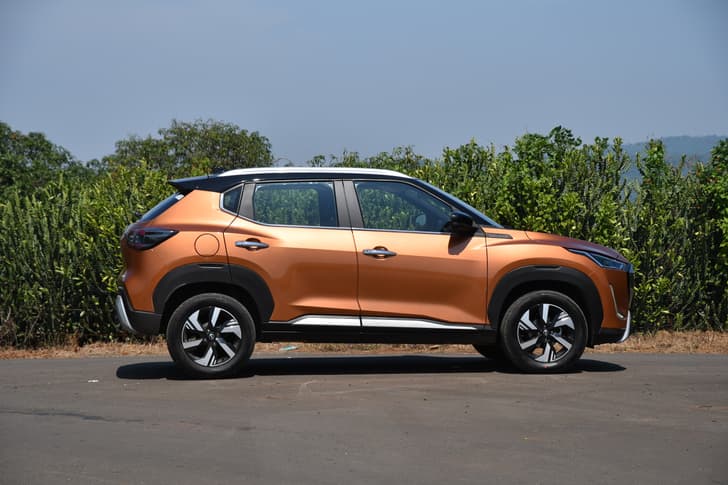
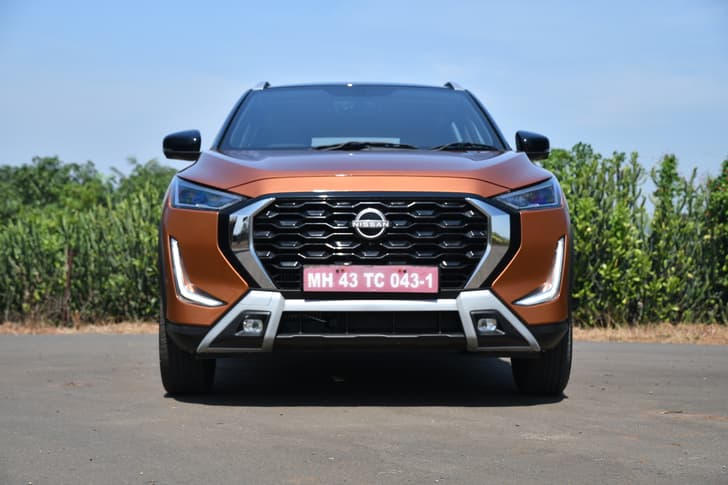
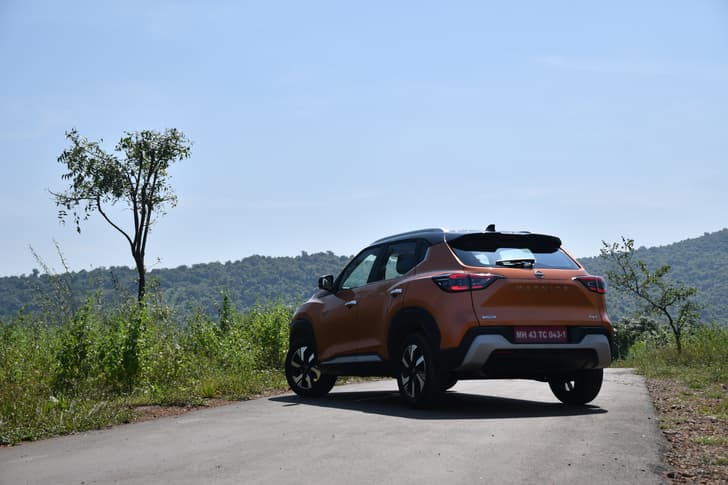
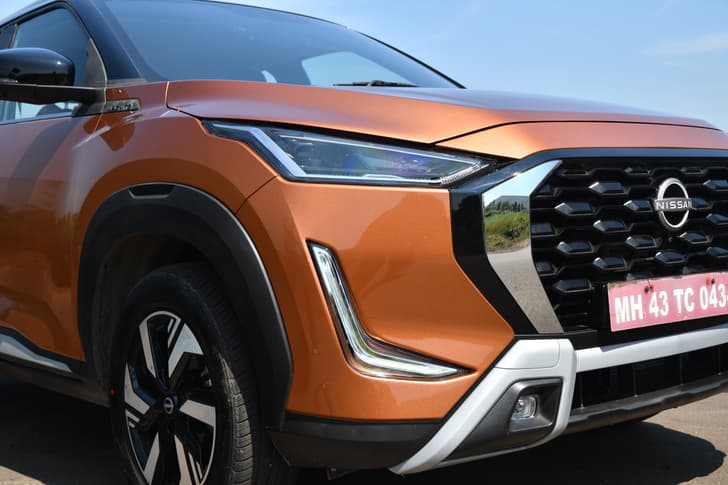
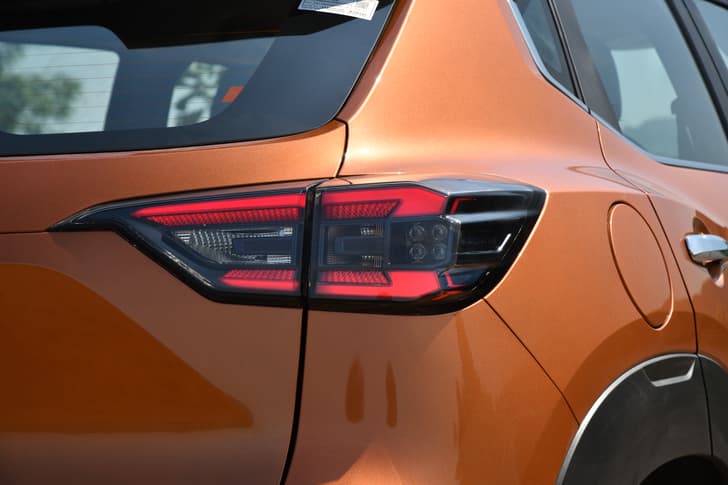
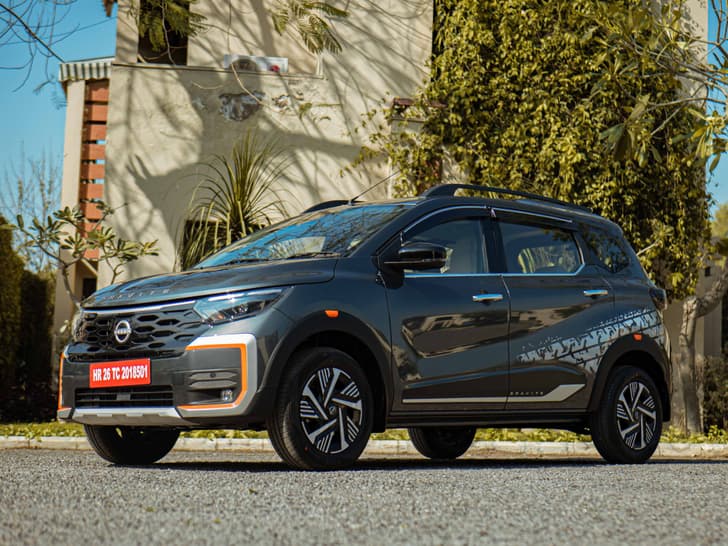
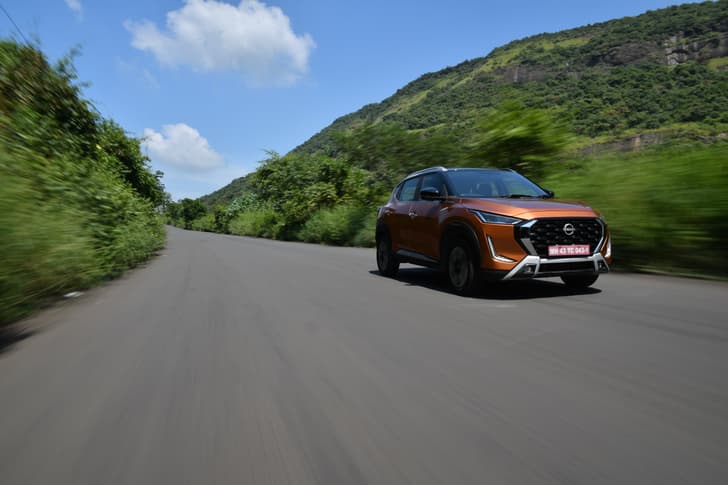
The Magnite is on the smaller end of the compact SUV segment, especially when compared to newer options like the Hyundai Venue.
The Magnite's 1.0-litre turbo-petrol engine makes 100hp, which is lower than those of the Skoda Kylaq, Hyundai Venue, Kia Sonet, Mahindra XUV 3XO, Tata Nexon, and more.
In terms of claimed mileage, the most fuel-efficient variant of the Nissan Magnite is the 1.0 Turbo CVT.
The Magnite is a suitable for buyers seeking a reliable, decently-equipped, and well-priced compact SUV.
The Magnite's suspension is tuned on the firmer side, which means it's not as plush as some rivals at city speeds. On the highway, though, the Magnite feels stable.
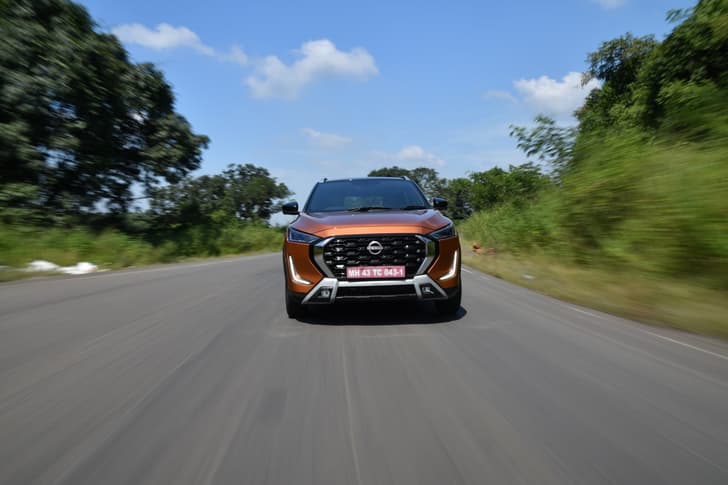
The Magnite's USPs include reliability, an appealing exterior design, a comfortable ride, decently-equipped interiors, competitive pricing, and a potent turbo-petrol engine.
The 100hp 1.0-litre turbo-petrol engine in higher Magnite variants is the one to go for. While the Magnite's entry-level 72hp 1.0-litre NA engine is fine for city use, it will struggle with overtakes on the highway, especially with a full load.
The Magnite's cabin can comfortably accommodate 4 occupants. However, seating three abreast on the rear bench may not be ideal for comfort.
The Nissan Magnite is priced considerably lower than most other compact SUVs, making it quite an appealing value proposition.
Considering its more attractive pricing compared to rivals, the Nissan Magnite can be considered a value-for-money car, especially the 100hp 1.0-litre turbo-petrol variants.
The Magnite and Kiger use the same CMF-A architecture, making them platform siblings. While both compact SUVs offer the same engines and drivetrains, they differentiate themselves by their exteriors, interiors, and features.
No, the Magnite is actually a bit more affordable than the Kiger at the base level, but the Nissan's top-end pricing is slightly higher.
The Magnite AMT is available only with the less powerful 1.0-litre naturally aspirated petrol engine and is positioned as the more affordable automatic option of the range. If you're on a budget and drive mostly in the city, you can consider the Magnite AMT. If your budget allows for it, though, go for the Magnite CVT as it delivers a smoother experience.
The Nissan Magnite turbo-petrol variants are around Rs 1.25 lakh more expensive than equivalent NA petrol versions.
The Magnite CVT is around Rs 1.8 lakh more expensive than the AMT version in equivalent variants.