Kia 7 Seater Cars in India (5)
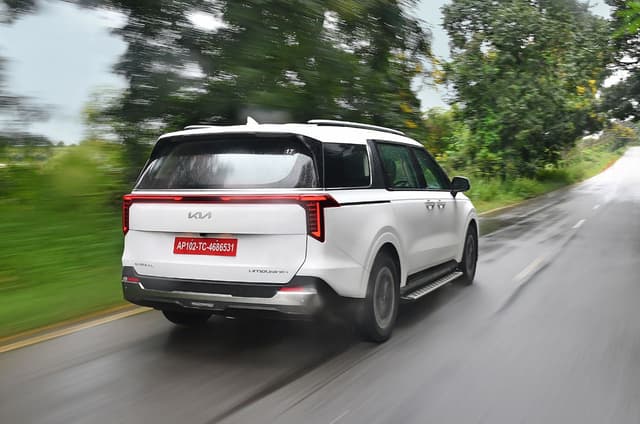
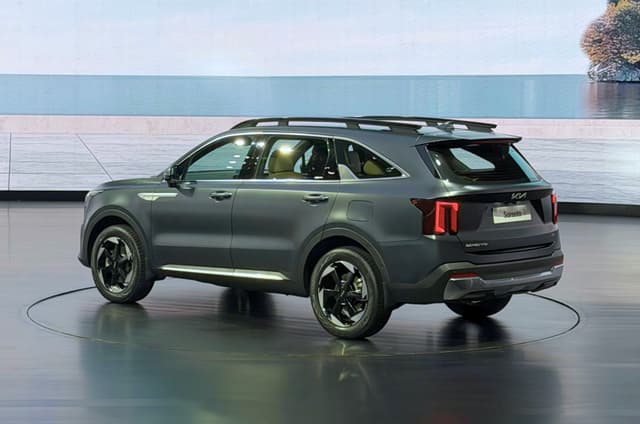
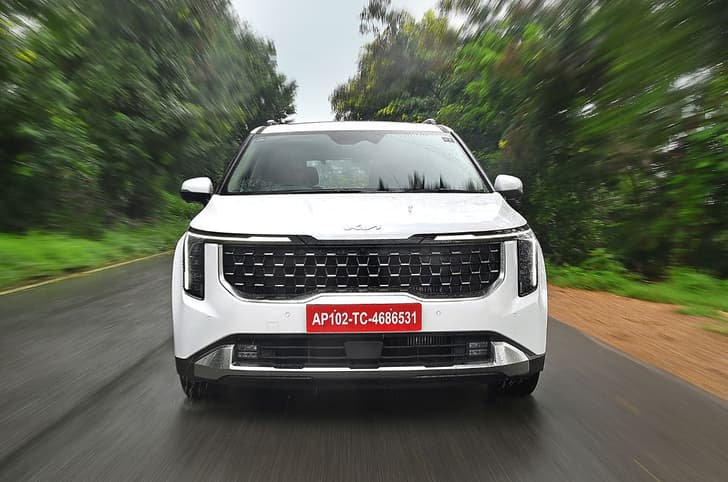
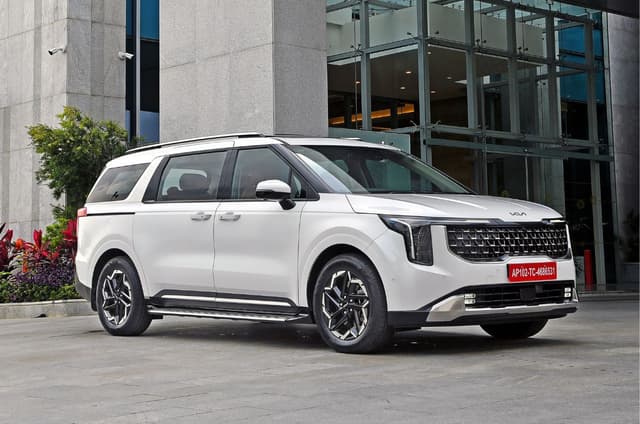
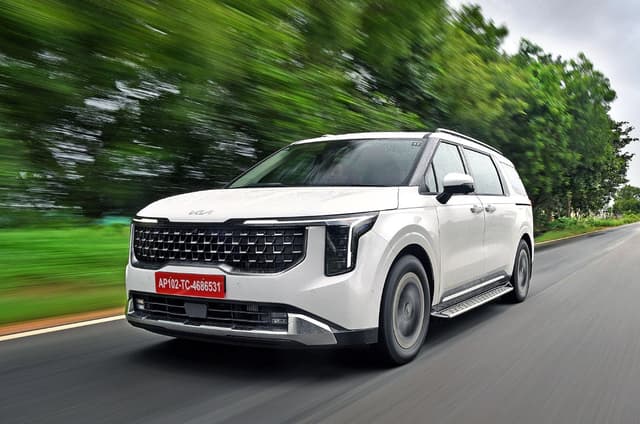
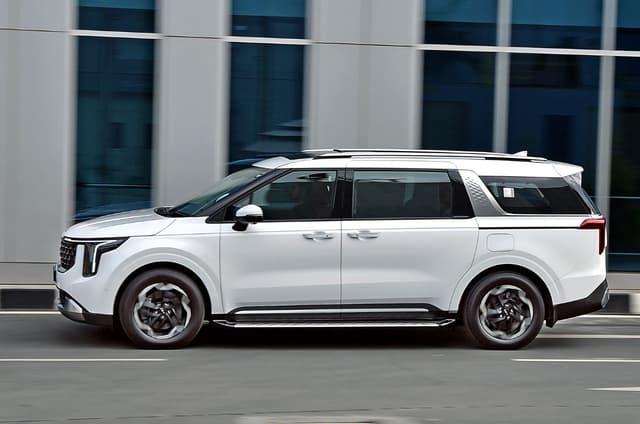
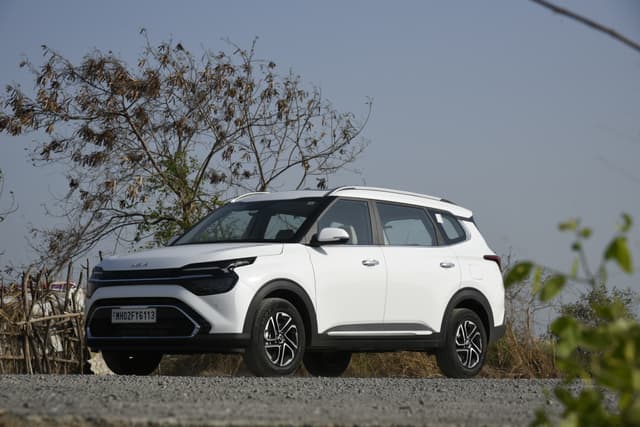
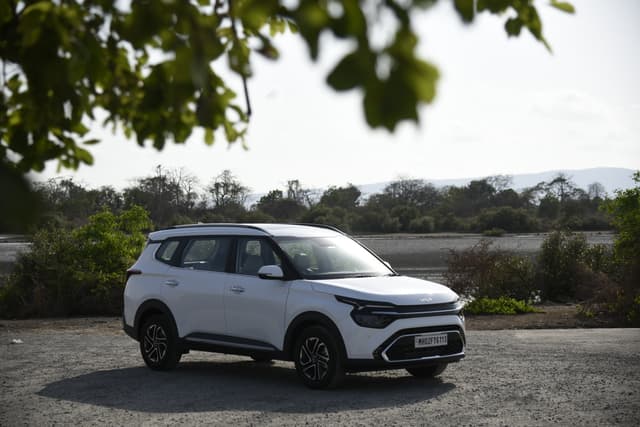
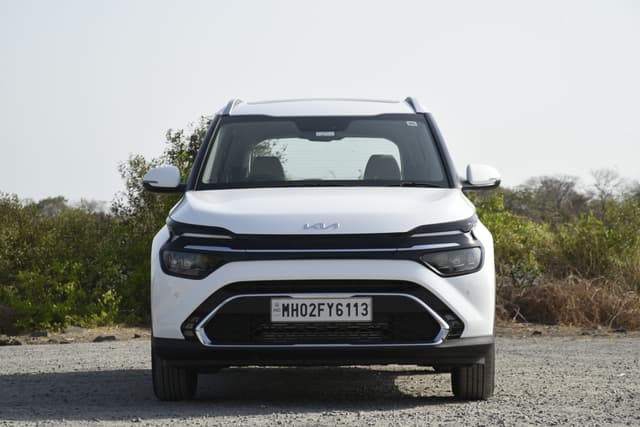
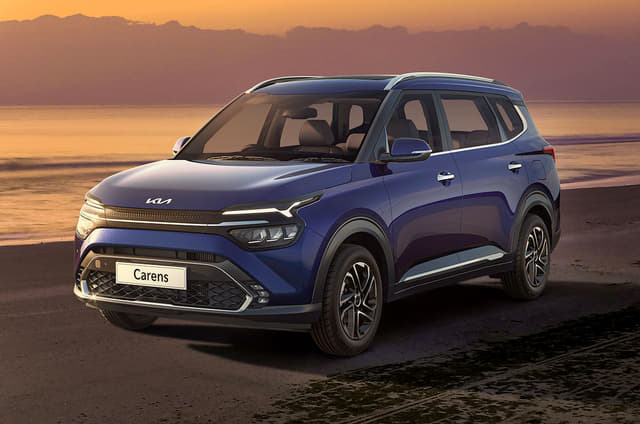
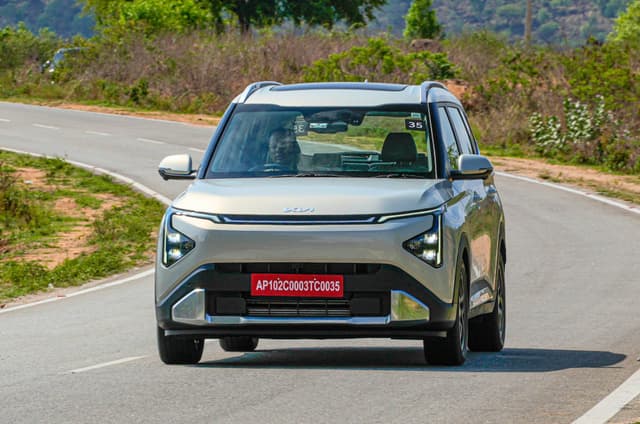
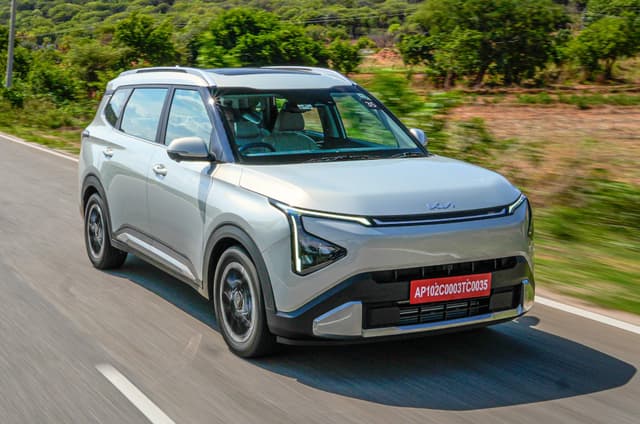
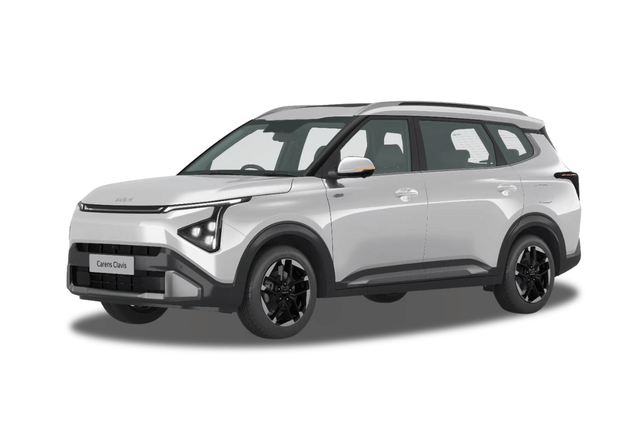
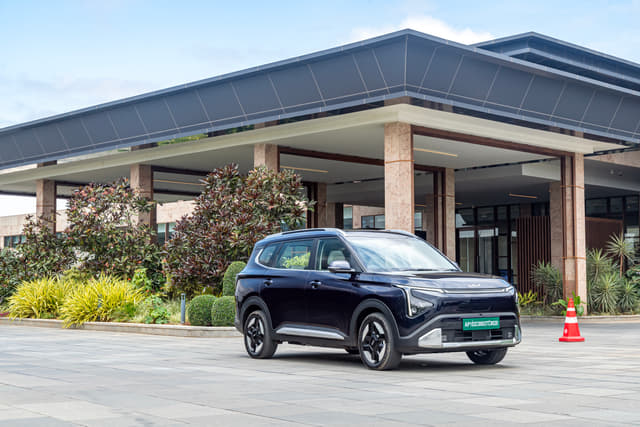
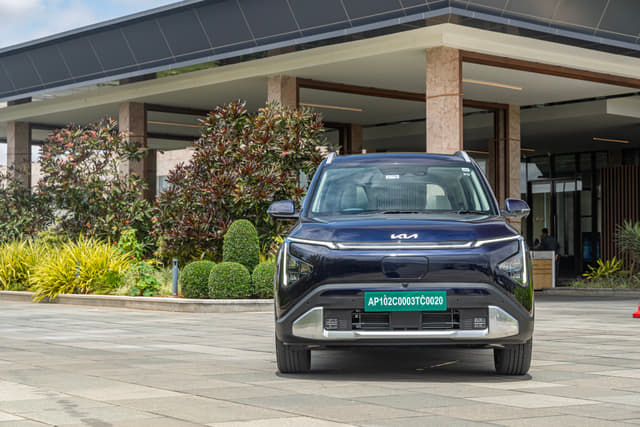
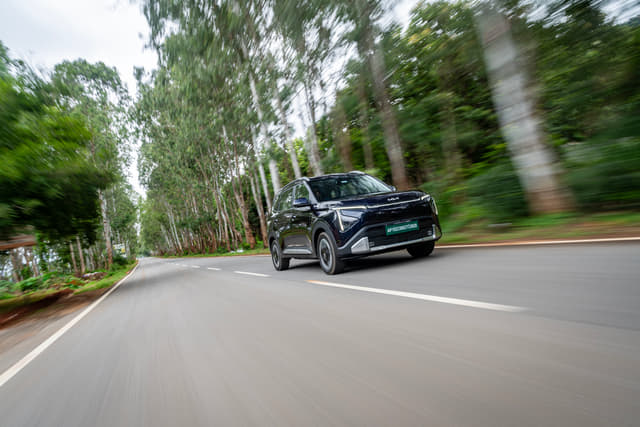
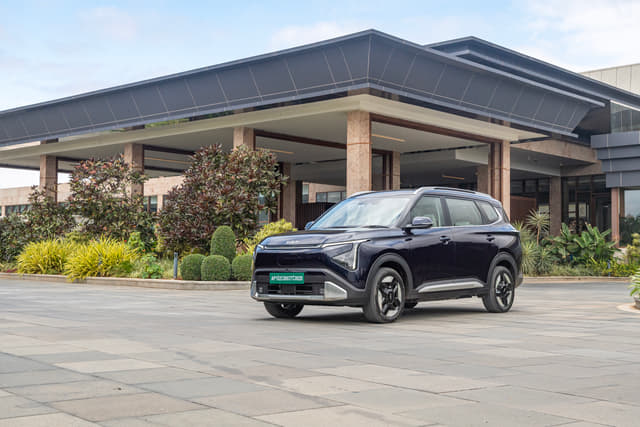
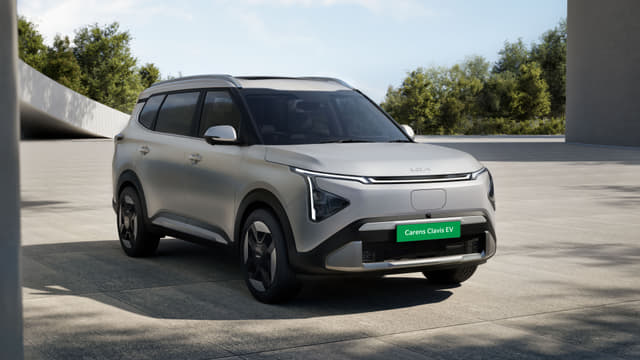
Kia 7 seater cars in India cater to buyers looking for spacious family vehicles with petrol and electric powertrain options. As of now, the Kia 7 seater cars list includes Kia Carens, Kia Carens Clavis, Kia Carens Clavis EV, and Kia Carnival.
The Kia 7 seater car price in India starts at ₹10.99 lakh and goes up to ₹59.42 lakh, making Kia one of the few brands offering both affordable and premium seven-seat MPVs. The cheapest Kia family car 7 seater is the Kia Carens, while the most expensive Kia motor 7 seater car is the Kia Carnival.
Kia 7 Seater Cars Price List
For buyers comparing fuel options, petrol-powered models include Kia Carens and Kia Carens Clavis, while the Kia Carens Clavis EV stands out as the electric Kia 7 seater car in India. In terms of features, models such as Kia Carens Clavis, Kia Carens Clavis EV, and Kia Carnival are listed as Kia 7 seater cars with a sunroof.
Kia Model | Ex-showroom Price |
Kia Carens | ₹10.99 - ₹12.77 lakh |
Kia Carens Clavis | ₹11.08 - ₹20.71 lakh |
Kia Carens Clavis EV | ₹17.99 - ₹24.49 lakh |
Kia Carnival | ₹59.42 lakh |
Kia 7 Seater Cars in October 2026 - Key Highlights
Criteria | Kia Model |
Cheapest car | Kia Carens |
Most expensive car | Kia Carnival
|
Electric | Kia Carens Clavis EV |
Car with sunroof | Kia Carens Clavis, Kia Carens Clavis EV, Kia Carnival |
Petrol | Kia Carens Clavis, Kia Carens |


Kia 7 Seater Cars - FAQs
The Kia 7 seater cars in India include Kia Carens, Kia Carens Clavis, Kia Carens Clavis EV, and Kia Carnival.
The Kia 7 seater car price in India starts at ₹10.99 lakh for the Kia Carens and goes up to ₹59.42 lakh for the Kia Carnival.
The cheapest Kia family car 7 seater is the Kia Carens, priced between ₹10.99 - ₹12.77 lakh.
The most expensive Kia motors 7 seater car is the Kia Carnival, priced at ₹59.42 lakh (ex-showroom).
The Kia car 7 seater price for the electric model Kia Carens Clavis EV ranges between ₹17.99 - ₹24.49 lakh.
Among Kia 7 seater cars, the Kia Carens Clavis, Kia Carens Clavis EV, and Kia Carnival are listed as models with a sunroof.
Yes, the Kia Carens Clavis EV is listed as a Kia 7 seater new car with an electric powertrain.
Trending Questions on Kia Cars - Answered by Autocar Experts
Hello. I own a Toyota Innova Crysta diesel automatic (2022 model). I replaced the DPF filter in 2024 under warranty. Currently, it has completed 62,000 km and my current monthly driving is around 1500 km. I want to a buy a new car. Which one should I buy? I started buying vehicles since 2010, starting with a Maruti Wagon R, Vento, Creta and now Crysta. I am afraid that I will have to do DPF filter replacement again in the future, if the issue reoccurs, as it is too costly and my car is out of warranty. So I want to change my vehicle because otherwise I don't have a reason to change the vehicle.
Given your ownership history and usage, the Toyota Innova HyCross hybrid is the most sensible upgrade. Your 1,500 km a month is a mix where diesel makes sense, but your concern about DPF is valid. The HyCross hybrid eliminates that worry entirely while still delivering excellent efficiency and long-distance capability. It is also a genuinely comfortable long-distance car with Toyota's proven reliability and a strong ownership experience.The only reason to consider something else would be if you specifically want a more premium or more feature-rich experience, in which case the Kia Carnival is worth a look. However, the Carnival is significantly more expensive and does not offer the same hybrid efficiency advantage.If you are happy with your Crysta apart from the DPF concern, the HyCross is the natural next step. It gives you the same Toyota ownership confidence with a more modern, worry-free powertrain.
I currently own a 2016 Hyundai i20 Elite Sportz and am planning to upgrade to an SUV, but I am a bit confused. My budget is Rs. 20 lakh. I am looking for a reliable engine, low maintenance costs, and decent mileage. Since my family consists of six members, I am particularly interested in a 7-seater. Would the Tata Safari be a good option, or should I consider other alternatives?
With a family of six and a Rs 20 lakh budget, the Carens Clavis is worth considering before the Safari. It offers genuinely usable space across all three rows, a comfortable ride and a proven 1.5-litre naturally aspirated petrol engine. For a buyer prioritising reliability, low maintenance and reasonable running costs, it is a more natural fit.The Safari is the more SUV-like choice, with a spacious cabin, good ride comfort and strong highway manners. Although the Safari itself has not been tested, the Harrier uses the same 1.5-litre turbo petrol engine and returned just 6.17kpl in the city and 12.49kpl on the highway in our testing. The Safari is heavier, so expectations of fuel economy should be realistic. The diesel is more efficient than the petrol, but it is not particularly frugal either, especially in city use.The Clavis therefore makes more sense if mileage and running costs are important. The Safari becomes more attractive if you specifically want the larger SUV experience, higher seating position and stronger highway character.
I am planning to buy a 7-seater car and am confused between the Kia Carens Clavis HTX (O) Petrol DCT and the Mahindra XUV 7XO AX5 Diesel. My confusion is mainly around a few points. The XUV 7XO has better looks and more power than the Clavis, while the Clavis offers better third-row space and a more spacious cabin. I do not have a very high annual running either. With my current car, I drive around 12,000-14,000km a year, including both city and highway driving, with occasional hill trips. This has left me confused about whether I should opt for a diesel or petrol. The XUV 7XO petrol is also not known for particularly good mileage, which makes the decision even more difficult. With the diesel option, I am also concerned about potential DPF-related issues, especially given my relatively low annual running. Since the car will primarily be driven in NCR, there is also some uncertainty around the applicability of BS6 diesel vehicles when GRAP Stage 4 restrictions are in force, as government regulations can change. Another concern is the DCT transmission. I have heard about DCTs facing heating issues in bumper-to-bumper traffic, although I am not sure how significant this issue is with the Carens Clavis. During my test drive, I also felt that the Clavis seemed somewhat underpowered in Normal mode, particularly when starting from a standstill. I had to press the accelerator pedal quite hard to get it moving more quickly. Is this simply a characteristic of the DCT and its calibration, or could it be specific to the particular test-drive car? I would really appreciate any suggestions or experiences that could help me clear up these doubts before making a decision. Thanks in advance.
Go for the Kia Carens Clavis HTX (O) Petrol DCT. Your annual running of 12,000-14,000km with a mix of city, highway and occasional hill drives is pretty healthy actually, but given your other concerns like DPF regeneration and NCR policies, petrol is the safer long-term choice. A turbo petrol gives you the punch you need out on the highway and in the hills, while also the benefits of a petrol engine that you're looking for. The Mahindra XUV 7XO is the more powerful and more rugged SUV, but the Clavis is the better family car. It has a more usable third row, a more spacious and practical cabin, and a more comfortable ride for everyday use. On the DCT, yes, it can feel a bit hesitant at low speeds and in bumper-to-bumper traffic, but Kia’s DCT is one of the better ones in the market, and it is not a deal-breaker. The slight lag you felt in Normal mode is more to do with the car’s tuning than the gearbox itself. Switch to Sport mode and it feels much more responsive. The Clavis is not as powerful as the XUV 7XO, but it is quick enough for family use and much easier to live with in the long run. And as you pointed out, the heavier, more powerful XUV 7XO petrol is is nowhere near as efficient as the Clavis.
I am looking for a 5-seater or 7-seater car under Rs 30 lakh. My annual running will be around 10,000km, including approximately 500km of highway driving every quarter. I am looking for a top-end petrol automatic variant, with fuel efficiency, spaciousness and performance as my main priorities, in that order.
With 10,000 km a year plus quarterly 500 km highway runs, a petrol automatic is the right choice. Your priorities are fuel efficiency first, then space, then power. That points you towards a hybrid, because it will give you the best fuel economy in city driving without sacrificing performance on the highway.The Maruti Suzuki Victoris Hybrid is the best fit. It is a full hybrid, so it delivers excellent fuel efficiency in city conditions, and the petrol engine is strong enough for highway driving. It is also spacious enough for a family, and the hybrid system keeps running costs low over time. The Toyota Urban Cruiser Hyryder Hybrid is mechanically identical, but the Victoris has a slightly more premium interior and a better feature list at a similar price. However, the boot space in both cars is small as the hybrid battery eats into it. If you need a 7 seater, the Kia Carens is the better option. It is spacious, comfortable and well equipped, but it will not match the Victoris Hybrid for fuel efficiency.Go for the Victoris Hybrid if fuel economy is your top priority. Choose the Carens only if you genuinely need seven seats.
I am planning to buy a new SUV under Rs 30 lakh and am open to both five- and seven-seater options. I have tried the Toyota Innova HyCross non-hybrid, Mahindra XUV 7XO, Hyundai Alcazar, Kia Seltos and Renault Duster, but I am confused about which one to choose. My main priorities are space, comfort and a good engine. My running is not very high, at just under 1,000km a month. Please advise.
Go for the Toyota Innova HyCross non-hybrid. Your priorities are space, comfort and a good engine, and the HyCross delivers on all three. It is one of the most spacious cars in the segment, with a genuinely usable third row and a comfortable ride that makes it an excellent family car. The petrol engine is smooth, refined and well suited to your running of under 1,000 km a month, where the hybrid premium is harder to justify.The Mahindra XUV 7XO is a strong alternative with a more powerful engine and a more feature-rich cabin, but the HyCross has the edge on space, comfort and long-term ownership experience.The Hyundai Alcazar and Kia Seltos are good cars, but they do not offer the same level of space or comfort, and the Renault Duster is more of a driver's car than a family car. The Toyota car mentioned above is the car you will be happiest with after five years of ownership.
Last Updated on: 4 Oct 2026