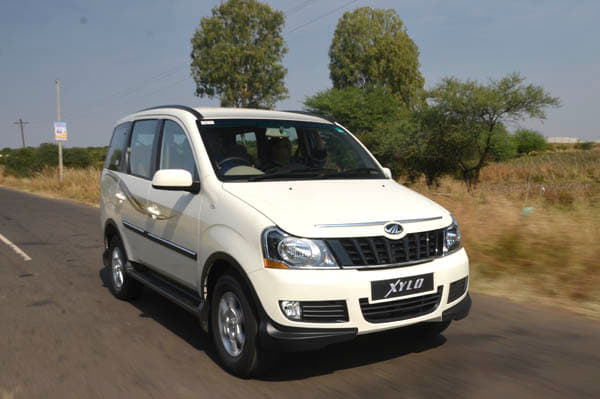
The Mahindra Xylo MPV was launched way back in 2009 as an attempt to take on the hugely popular Toyota Innova. While it was a good first effort from a company that traditionally made tough UVs and SUVs, it simply didn’t have the engineering finesse of the Toyota.
In a bid to give it a better chance in the MPV market, Mahindra & Mahindra (M&M) gave the Xylo a facelift in 2012. It also came with the Scorpio’s 2.2-litre mHawk motor in the top trims and there were cosmetic changes inside and out, but there were also a few minor mechanical updates aimed at improving the ride and handling. The facelifted Xylo’s front anti-roll bar and damper rates were altered in the interests of better body control, but the modifications improved the Xylo’s dynamics only marginally.
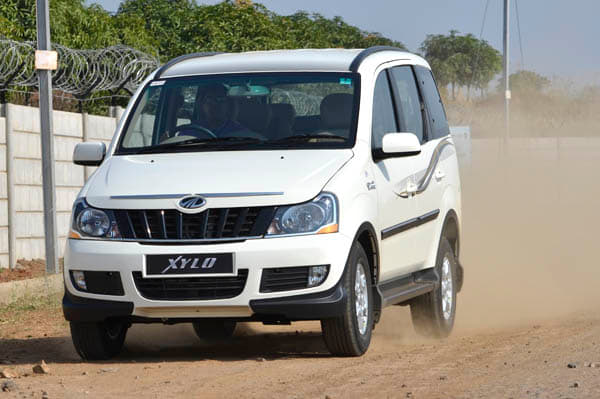
Now, M&M has updated the Xylo once again and though there are some exterior and interior changes, there’s an even greater focus on improving the dynamics of this large, unwieldy MPV.
The suspension has been heavily reworked; up front, recalibrated dampers, stiffer suspension bushes, all new controls arms and beefy anti-roll bar are aimed at making the Xylo more responsive to direction changes and controlling body roll. At the rear, stiffer coil springs are used to minimise the pitching and bobbing the previous Xylo was known for. And, to reduce the impact or the harsh thud when the suspension bottoms out on rough roads, polyurethane bump-stops have been used.
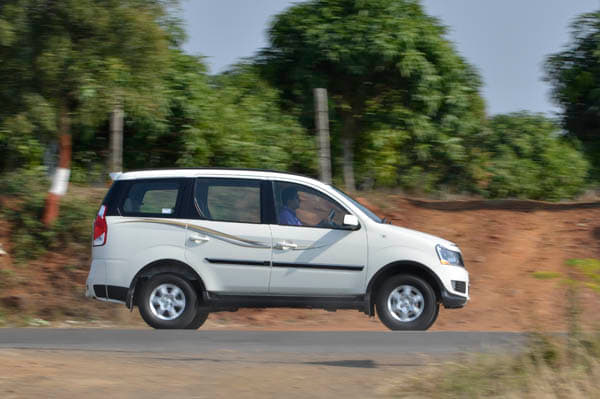
But just how much of an improvement have all these changes made? We drove the new Xylo on the outskirts of Nashik, narrow village roads and the highway as well and found it to be much more pliant and stable at all speeds. The low-speed ride, which was quite comfortable, is now even better and if you have driven the earlier versions of the Xylo, you will notice a sea change in the driving dynamics and handling.
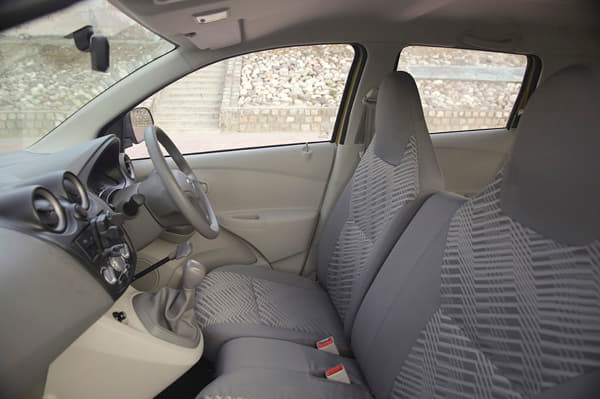
Moving to the inside, the Xylo’s roomy cabin gets a new beige dashboard and a new instrument cluster, but that’s about it. Nothing else has changed but let’s not forget, the Xylo can still pack in more people than the average MPV. Space is still its strongest point but with all seats in place, there’s hardly any room for luggage.
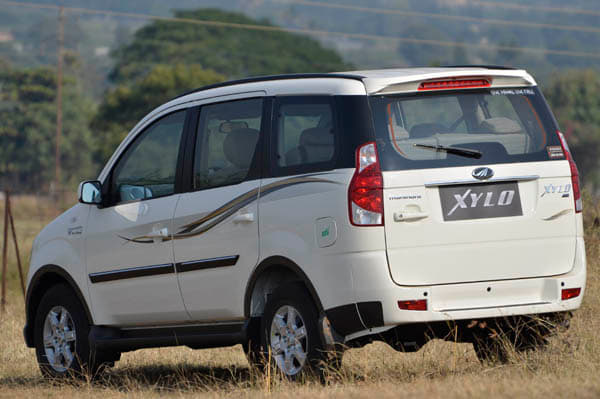
On the exteriors, there is an addition of a chrome bar on top of the grille and one more on the tailgate, and there are new decals running down the sides as well. These minor cosmetic changes don’t do much to enhance the looks.
It’s clear that M&M has concentrated its efforts under the Xylo’s skin, it feels miles ahead of the original model from 2009. However, we feel the mechanical upgrades still fall short of the competition from various newcomers like the Ertiga, Mobilio and even the Evalia, that offer more car-like driving dynamics and comfort.
Mahindra has begun work on an all-new Xylo that will debut in the latter part of 2016, and will feature the Scorpio’s new, lighter and stiffer chassis. Till then, the current Xylo is expected to soldier on in the highly competitive MPV market. The updates do make it a much better car to drive or be driven in; it’s just a question of whether prospective buyers will sit up and take notice of the improvements this late in the vehicle’s life cycle and with the wide choice available in the MPV market today.
AKBAR MERCHANT
 Lenny D'sa
 Sergius Barretto
 Saumil Shah
 Soham Thakur
 Nikhil Bhatia