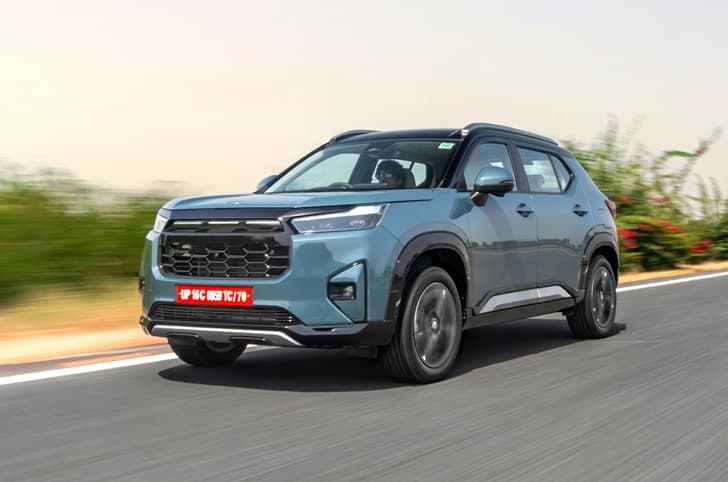
The India-EU Free Trade Agreement (FTA), once signed and implemented, will allow European carmakers to import 1 lakh completely built-up (CBU) internal-combustion engine (ICE) and non-plug-in hybrid cars into India at concessional import duties in the first year, according to the tariff schedule under the deal. The quota will gradually rise to 1.6 lakh vehicles from the 10th year. The agreement also gives India a dedicated quota to export ICE and hybrid cars to the EU.
The negotiations concluded in January 2026. The agreement is yet to be signed and will require completion of the respective internal procedures before it can enter into force. It is expected to be signed by the end of this year and could come into effect from 2027.
- First-year quota covers 1 lakh CBU cars
- Import duty within quota starts at 30 percent
- Quota rises to 1.6 lakh cars from 10th year
Lower duties for imported cars
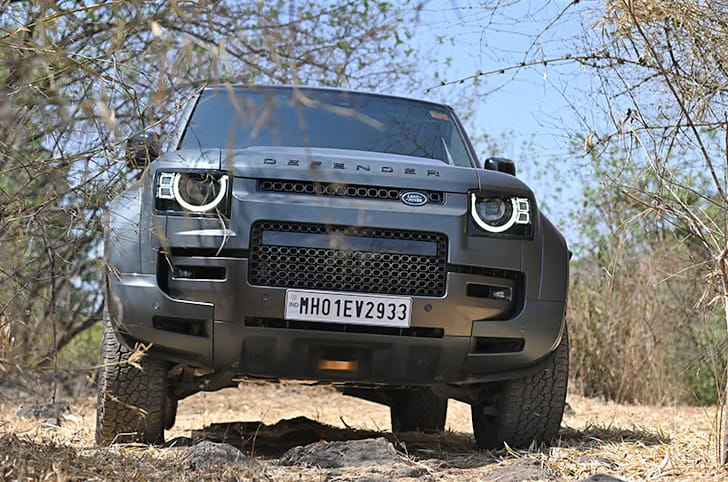
In the first year, ICE and non-plug-in hybrid cars priced between 15,000 euros and 35,000 euros will attract a 35 percent import duty within the quota. Cars priced between 35,000 euros and 50,000 euros, as well as those above 50,000 euros, will attract a 30 percent duty. Cars priced below 15,000 euros will not receive a tariff concession in the first year.
The 1 lakh-unit quota will be divided across three price bands, with 34,000 units allocated to cars priced between 15,000 euros and 35,000 euros, and 33,000 units each for the 35,000-50,000 euro and above-50,000 euro categories.
The quota will increase to 1.075 lakh vehicles in the second year, 1.3 lakh in the fifth year and 1.6 lakh from the 10th year. The preferential duty across all three price bands will be 10 percent from the 10th year.
EVs and plug-in hybrids get separate quota
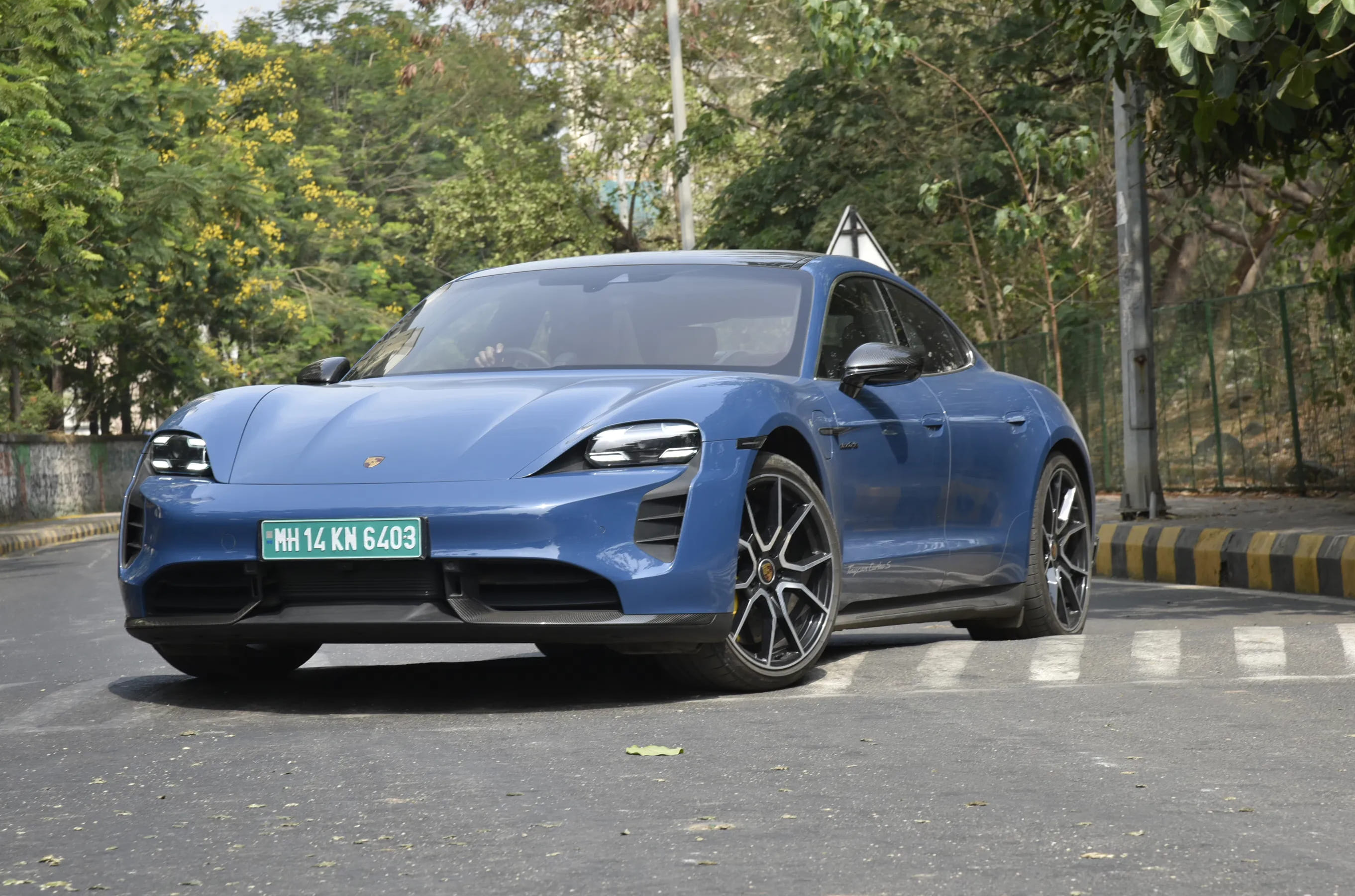
Pure electric and plug-in hybrid cars will not receive concessional access under this initial quota. Their preferential access will begin from the fifth year for vehicles priced above 20,000 euros.
A separate quota for battery-electric and plug-in hybrid CBUs will start at 20,000 vehicles in the fifth year and increase to 90,000 vehicles by the 14th year. The preferential duty will be 30 percent in the fifth year and will fall to 10 percent from the 10th year.
Cars imported outside the quota will continue to attract higher duties, ranging from 66-110 percent initially. These rates are scheduled to fall to 30-35 percent by the 10th year.
European carmakers could expand CBU imports
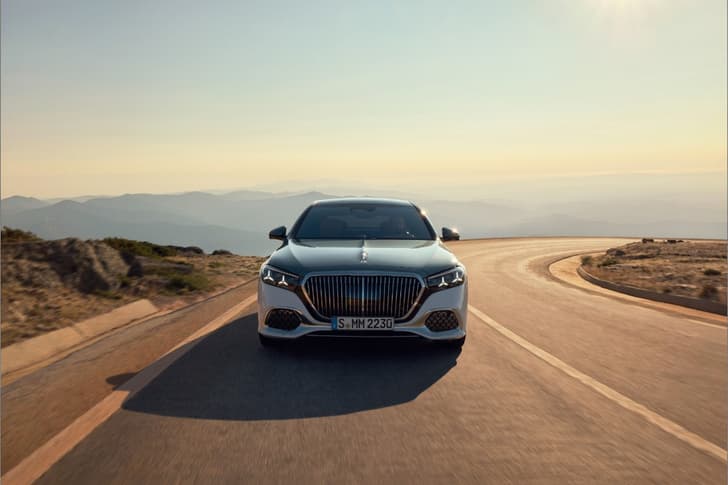
The lower duties could make it more viable for European manufacturers such as Volkswagen, Mercedes-Benz and BMW to bring more CBUs from Europe. The deal could particularly help them introduce a wider range of niche, performance and high-end models that are currently less viable to import at higher duties.
India’s reciprocal car export quota to the EU
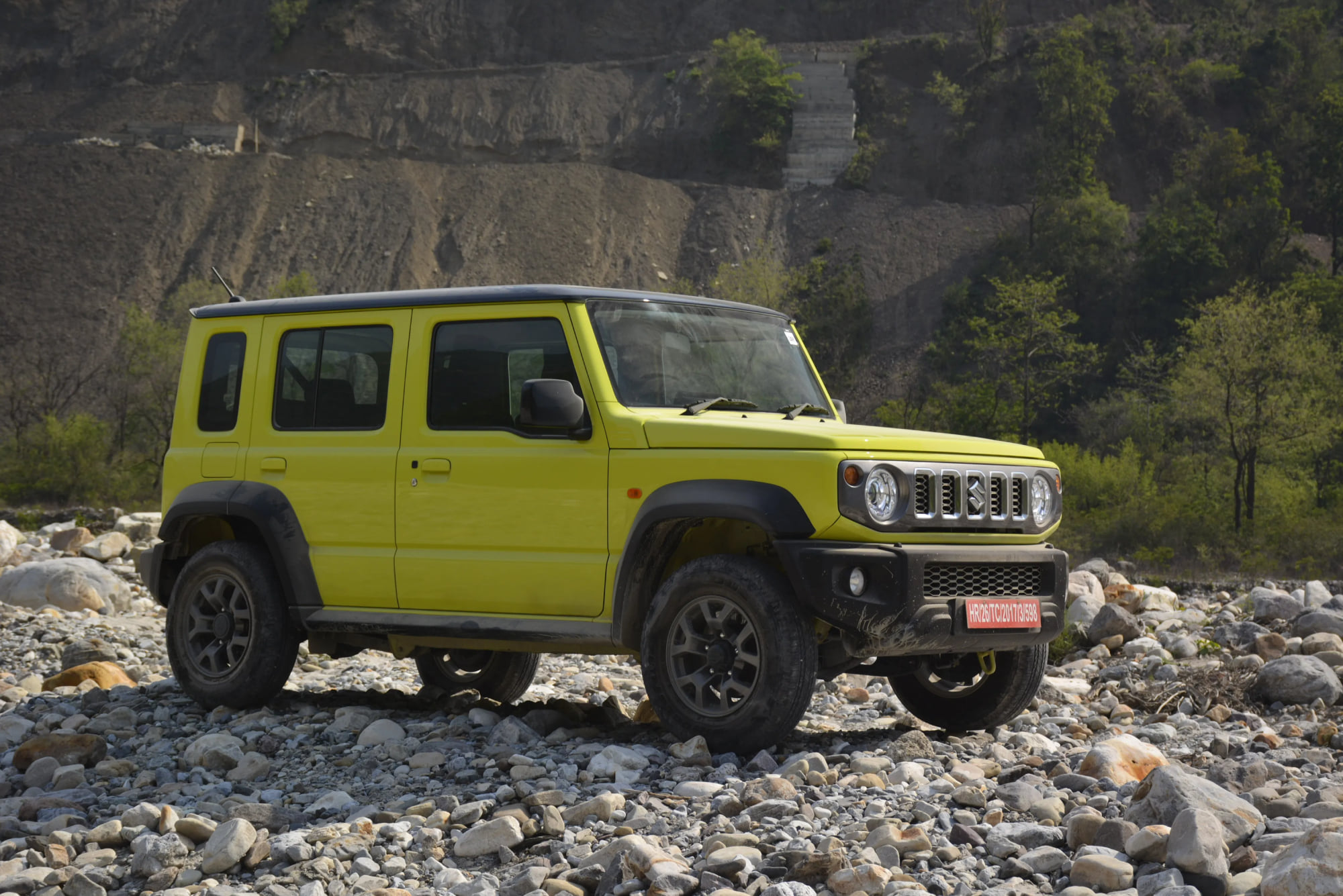
The agreement gives India a dedicated quota to export ICE and non PHEV hybrid cars to the EU at a concessional duty of 8 percent in the first year. The quota starts at 2.5 lakh vehicles in the first year, covering cars with a CIF value of up to 50,000 euros, and rises to 3.25 lakh units in the fifth year and 4 lakh units from the 10th year, while the duty will fall to 6 percent in the second year, 4 percent in the third, 2 percent in the fourth and zero from the fifth year. Vehicles exported beyond the quota will attract the applicable most-favoured-nation duty
Cars priced above 50,000 euros will not be covered by the initial quota, although their duty on these vehicles will decline from 8 per cent in the first year to zero by the 10th year.
Separate quotas for electric, plug-in hybrid and other passenger vehicles will begin from the fifth year, with limits based on vehicle value. For cars priced up to 40,000 euro, the quota will start at 27,500 units, rise to 60,500 in the ninth year and reach 1.25 lakh from the 14th year. For vehicles priced above 40,000 euro and up to 60,000 euro, it will start at 16,250 units and reach 75,000 from the 14th year. For vehicles priced above 60,000 euro, the quota will begin at 6,250 units, rise to 13,250 in the ninth year and reach 25,000 from the 14th year. The duty for all three EV and PHEV categories will start at 8 percent, with the tariff falling to zero from the ninth year.
 Dipan Sur

 Viraaj Bhatnagar