The government has issued a draft notification proposing amendments to the Central Motor Vehicles Rules to formally incorporate higher blends of ethanol in petrol. As per the Ministry of Road Transport and Highways, the draft includes a provision for E85 fuel (a blend of 85 percent ethanol in petrol) and even E100, which will enable vehicles to run fully on ethanol.
The draft rules have been opened for public comments, after which the government will make a final decision. This comes after the nationwide rollout of E20 fuel (20 percent ethanol in petrol) in April last year. The intent behind higher ethanol content is to reduce the country’s dependence on crude oil imports, which have particularly come to the fore amid supply disruptions caused by the ongoing Iran-US conflict.
- Government is pushing for higher ethanol blends to reduce dependence on crude oil imports
- Draft notification also proposes a new classification of fuel
What else does the new draft notification propose?
The draft notification proposes a new classification for fuel based on higher blends of ethanol. For example, the description of petrol will change from E10/E to E10/E20 while explicitly including E85 and E100 within the regulatory framework. Similarly, biodiesel references will be updated from B10 to B100 (100 percent biodiesel). It also standardises emission-testing parameters and technical terminology.
The draft also proposes increasing the gross vehicle weight threshold from 3,000 kg to 3,500 kg in select vehicle categories. In addition, the draft notification revises the hydrogen fuel classification from “Hydrogen + CN” to “Hydrogen + CNG”.
What does it mean for the consumer?
One of the challenges in ethanol blending comes in the form of technical complexities. Cars manufactured after April 2023 are E20-compliant and also materially compliant with ethanol blends up to 30 percent. However, for blends with even higher ethanol, manufacturers will have to redesign specific engine components. Ethanol increases the likelihood of moisture, so accelerated corrosion is also a factor OEMs must prepare for.
Considering that ethanol has a lower energy density than petrol, increasing the ethanol content will also lead to a drop in engine output and mileage, as verified by our tests. Then there is the higher cost of flex-fuel vehicles to consider.
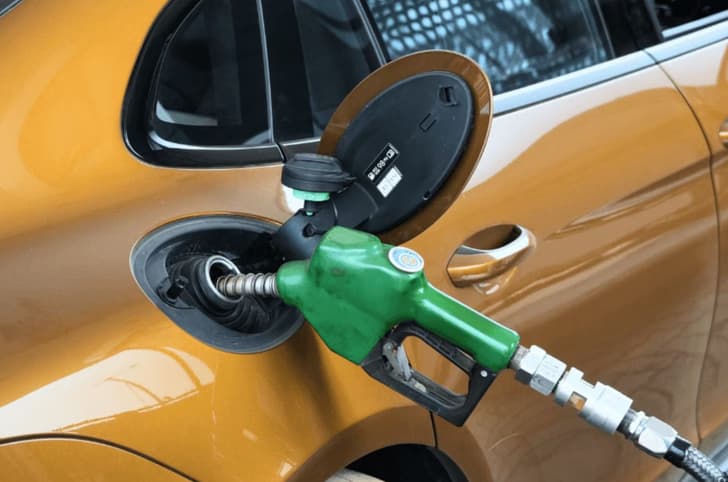
If and when E85 rollout materialises, fuel stations across the country will also require separate storage tanks for regular petrol and ethanol-blended petrol, plus dedicated dispensing mechanisms for each.

 Dipan Sur
 Viraaj Bhatnagar