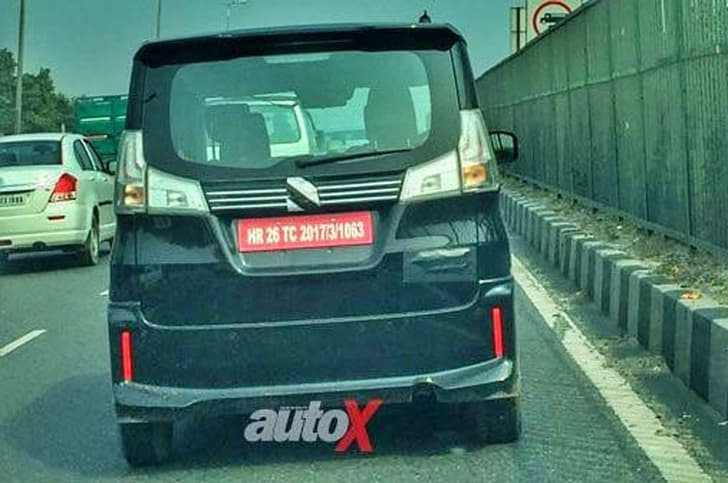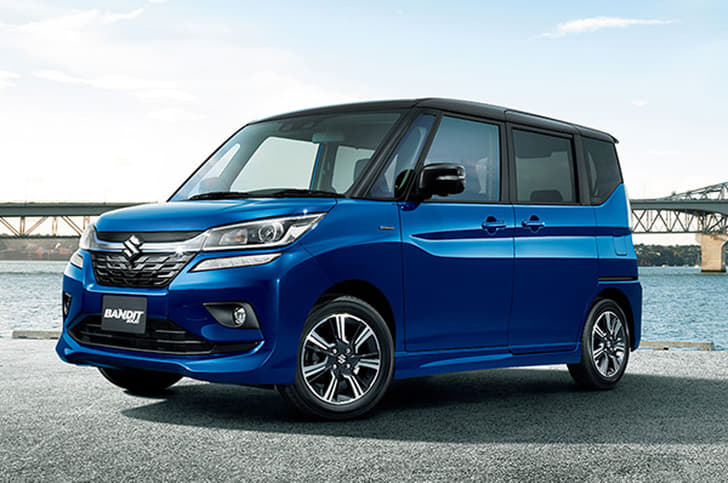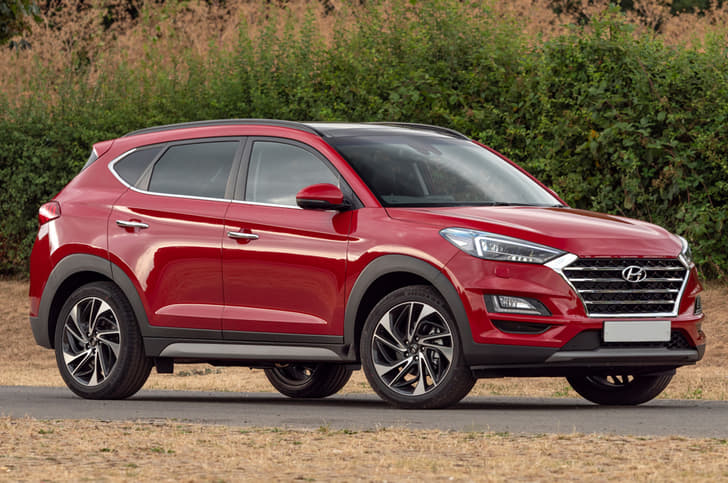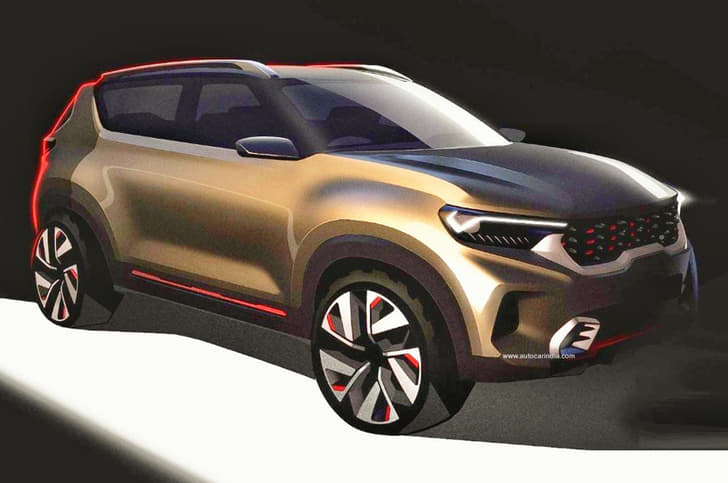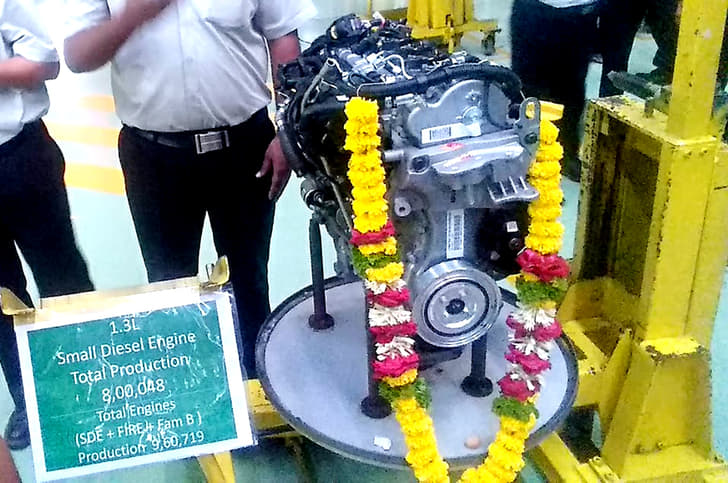
Fiat-Chrysler Automobiles India has brought the production of its 1.3-litre diesel engine to an end, at the carmaker's Ranjangaon plant. The 1.3-litre diesel engine, also known as the 'national engine of India', and has powered 24 different cars and SUVs from no less than five carmakers. The engine was marketed as Multijet by Fiat, DDiS by Maruti Suzuki, Smartech by Chevrolet, Quadrajet by Tata, and CRDi4 by Premier that used it in the Rio compact SUV.
The engine's production has been shelved just months before BS6 emission norms come into effect. Fiat had no plans to upgrade the engine to the new norms because there wasn’t a business case that would justify the move. The two largest customers for this engine, Maruti Suzuki and Tata Motors, have adapted different diesel strategies for their India line-ups. Fiat’s negligible sales didn’t help the case either. In fact, the discontinuation of the Multijet marks the beginning of the end of Fiat in India whose ageing line-up comprises the Linea, and Grande Punto and its derivatives.
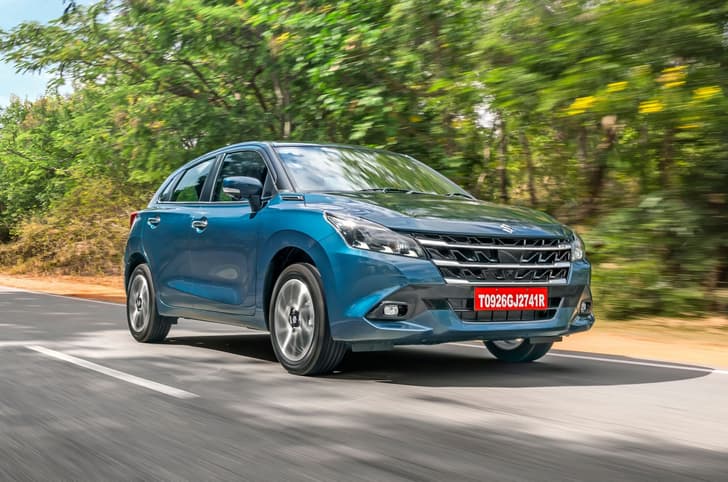
Maruti Suzuki’s reliance on FCA’s 1.3 Multijet declined with the introduction of the in-house developed 1.5-litre diesel engine. The 1.5 engine was rolled out on the Ertiga and Ciaz, but the unit will be discontinued soon. The engine is yet to be upgraded to BS6 norms but it could make a comeback in BS6 form at some point. The Swift, Baleno and Dzire, however, are set to continue as petrol-only models.
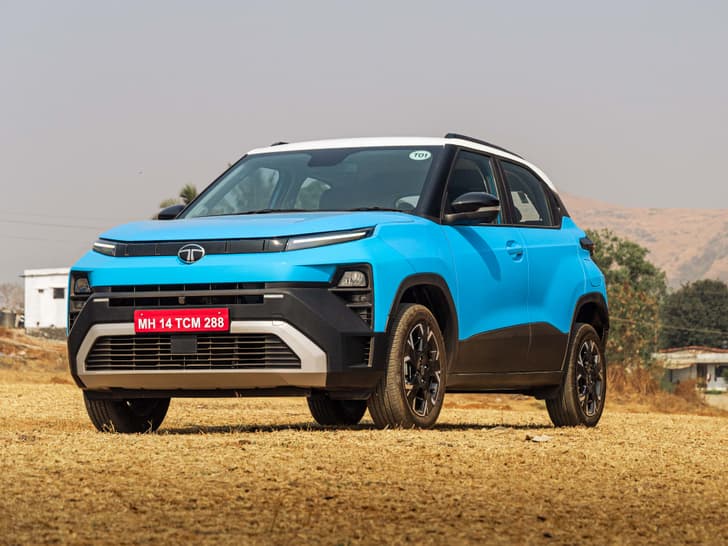
In 2016, Tata Motors developed its own range of diesel engines, ranging from 1.05 litre to 1.5 litre, and they were used in the Tiago, Tigor and the Nexon. The company, however, continued to use the 1.3-litre diesel engine on the Bolt hatchback and the Zest compact sedan in small numbers.
FCA issued a release on the development that said, "Our JV manufacturing facility FIAPL today produced the last BS4 1.3-litre Multijet engine. This dependable, legendary turbo-diesel Fiat engine has, over the years, powered many popular vehicles in India. With the BS6 emission regulation norms being implemented, production has now been discontinued as we are actively moving into the manufacturing of BS6 powertrains. FIAPL produced a total of 8,00,050 of these dependable1.3-litre turbo-diesel engines in the life-cycle. We remain fully committed to our customers and have a robust plan ensuring spare parts availability for the life of any Fiat vehicle equipped with this workhorse. Parts will available at all FCA authorised workshops for the next 10 years."
 Viraaj Bhatnagar
 Dipan Sur
 Dhruv Dhaka

 Saptarshi Mondal