
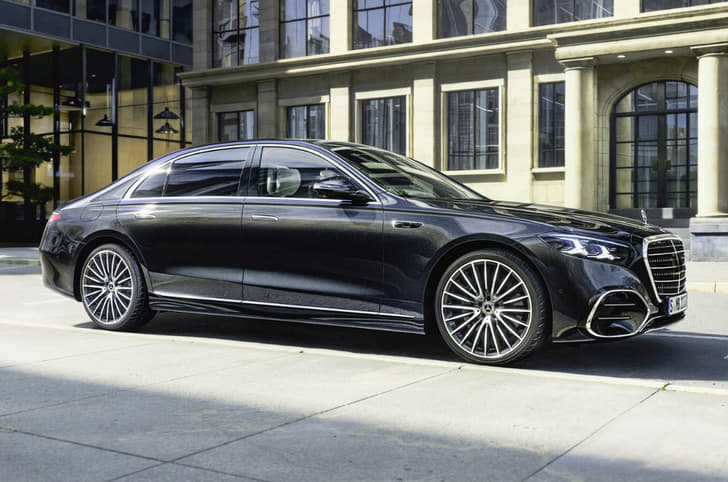
We had exclusively reported that Mercedes-Benz will introduce the 2026 S-Class facelift with a plug-in hybrid powertrain for the first time in India, and the company has now confirmed its launch on June 15. A petrol powertrain is also expected to join the line-up later, while it’s unclear if Mercedes will continue to offer a diesel engine option with its flagship sedan.
It is estimated that the updated S-Class will be priced in the range of Rs 2 crore to Rs 2.4 crore, ex-showroom, with the plug-in hybrid variant likely being the costliest. To keep the new variant’s price in line with the rest of the S-Class range, Mercedes could even consider local assembly at its Chakan plant in Maharashtra. Notably, the brand revealed the facelifted S-Class globally towards the end of January, and its launch here is set to take place just over four months later.
- S 450e variant makes 435hp and does the 0-100kph sprint in 5.7 seconds
- A 22kWh battery pack allows for 100km of electric range
- Interior features the brand’s triple-screen Supercreen setup
- Three-pointed star motifs added to the headlights and tail-lights
2026 Mercedes S-Class facelift hybrid powertrain details
The carmaker is bringing the S 450e with EQ Hybrid Technology variant to India. It pairs a 3.0-litre turbo-petrol inline-six engine with an electric motor for a combined output of 435hp and 680Nm and uses a 22kWh battery that is claimed to deliver up to 100km of pure-electric range in ideal conditions. This allows it to accelerate from a standstill to 100kph in 5.7 seconds, as per Mercedes. The S 450e is rear-drive only, thanks to the battery pack, which weighs 2,465kg.
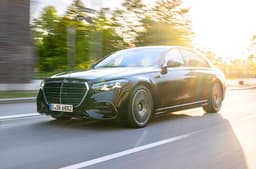
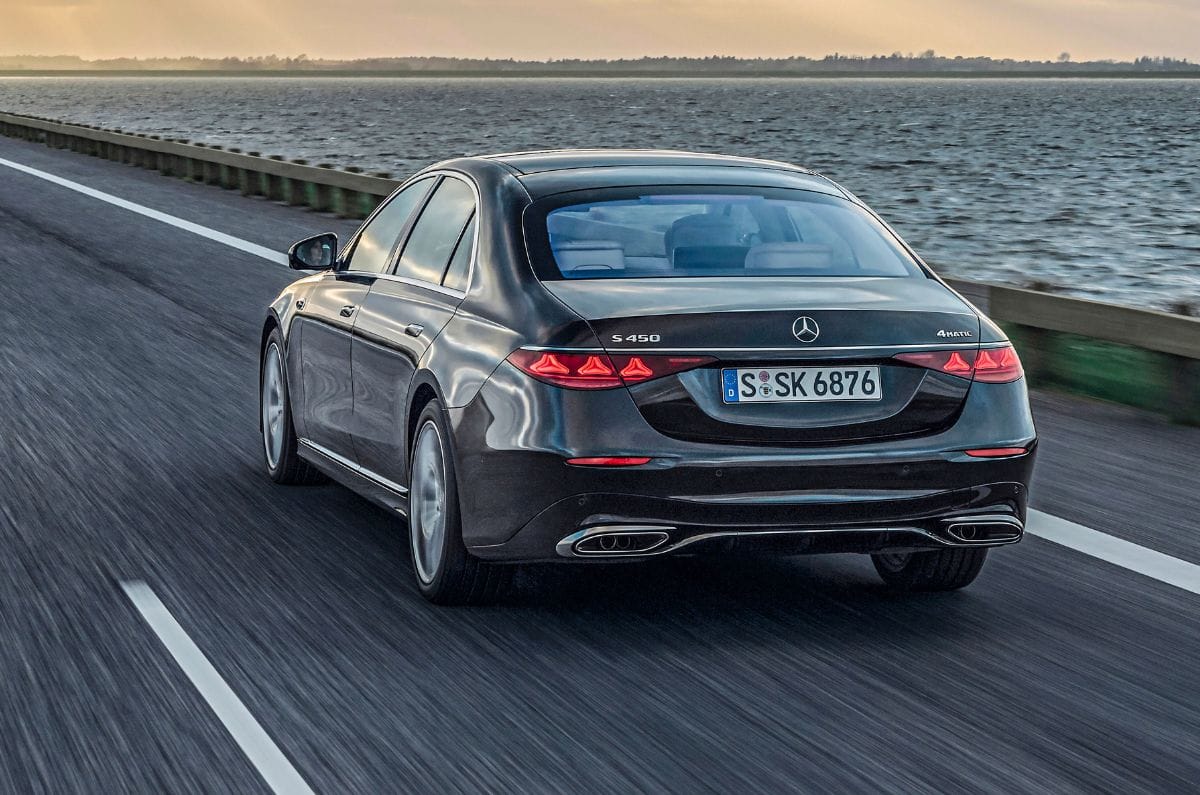
The S 450 petrol variant uses the same 3.0-litre ‘M256 Evo’ turbo-petrol engine as the S 450e but without the plug-in hybrid setup. Instead, it gets a 48V mild hybrid system that can provide a temporary boost of additional power and torque under hard acceleration. S 450’s peak output figures of 404hp and 500Nm are lower than the hybrid variant’s, but it gets Mercedes’s 4Matic AWD system and has a claimed 0-100kph sprint time of 4.9 seconds, almost a second quicker.
Speaking of the S 350d diesel variant, it uses a 3-litre six-cylinder unit producing peak outputs of 330hp and 650Nm. Like the S 450, the drive is sent to all four wheels in the S 350d.
2026 Mercedes S-Class interior and features
The earlier flowing dashboard with wood trim and a vertical touchscreen has been replaced by Mercedes’s Superscreen setup. The 12.3-inch driver and passenger displays sit on either side, while the main highlight is the 14.4-inch central touchscreen that controls most of the car’s functions. The S-Class also gets the latest MB.OS system, the newest generation of the brand’s MBUX digital architecture. Mercedes says it acts like a central computer for the car, controlling everything from the headlights and cameras to the powertrain and suspension.
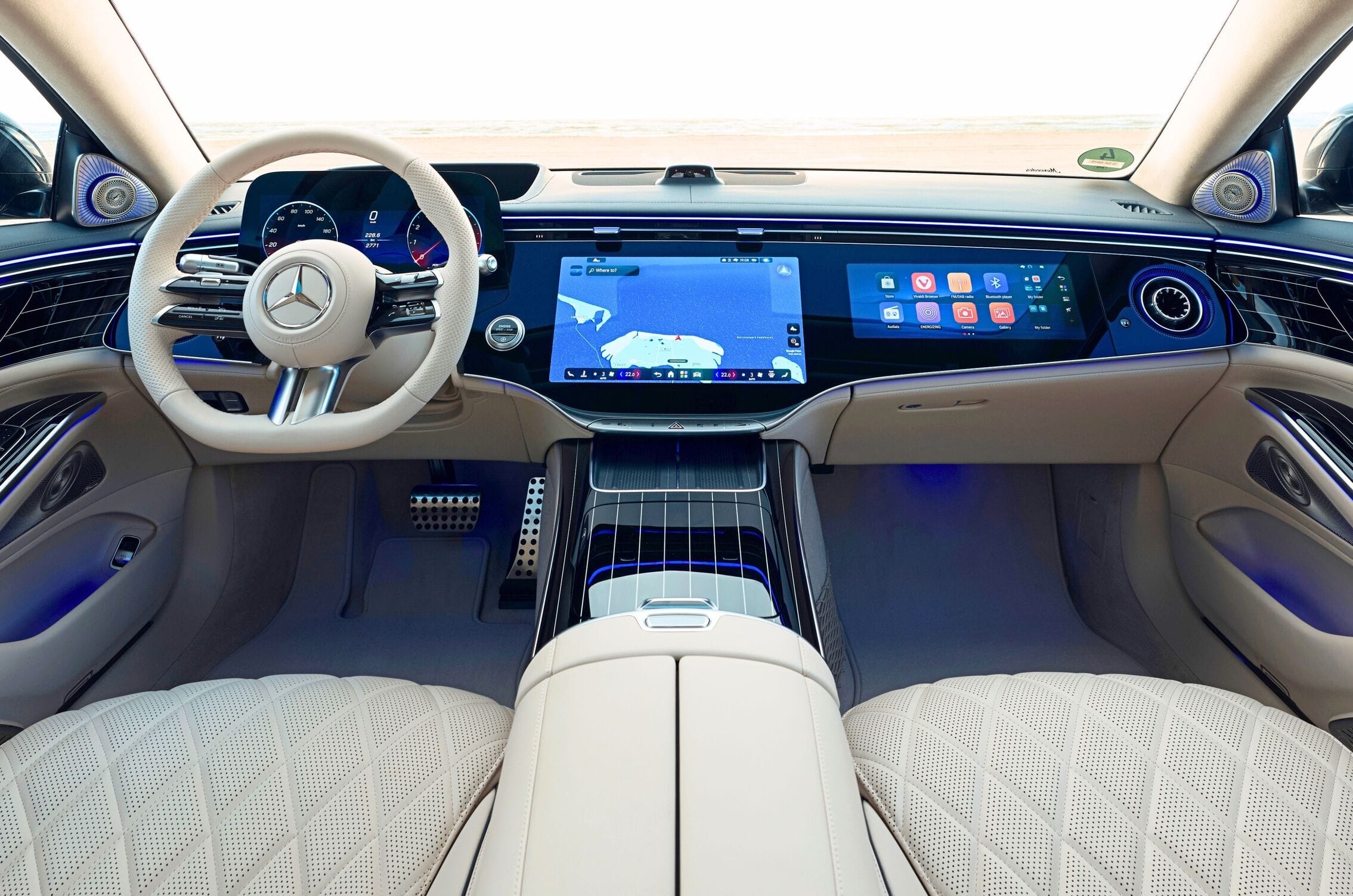
The system also brings AI-based features, including a digital assistant, along with Google Maps-based navigation and vehicle-to-everything (V2X) functions. The S-Class is now a software-defined vehicle (SDV) and can receive over-the-air updates.
Like the E-Class, all vents are powered and can be adjusted digitally, though they can still be adjusted manually. The current S-Class had already reduced the number of physical buttons, and the facelift continues that approach. Only a slim row of capacitive shortcut keys remains below the screen.
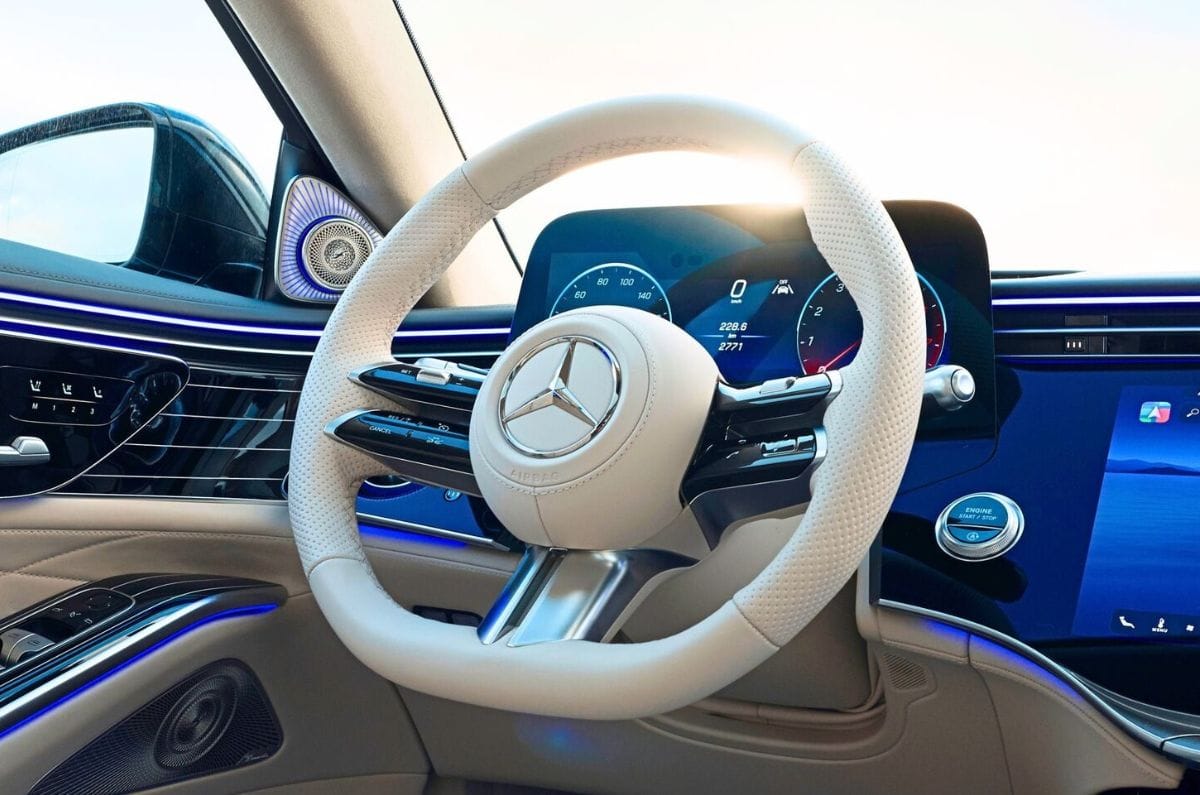
The fingerprint scanner has been removed, with facial recognition now handling user identification through the dashboard camera. That camera can also be used for video calls, selfies and cabin monitoring when the car is parked. Mercedes has, however, added a scroll wheel and toggle switch on the steering wheel to make controls easier to use while driving.
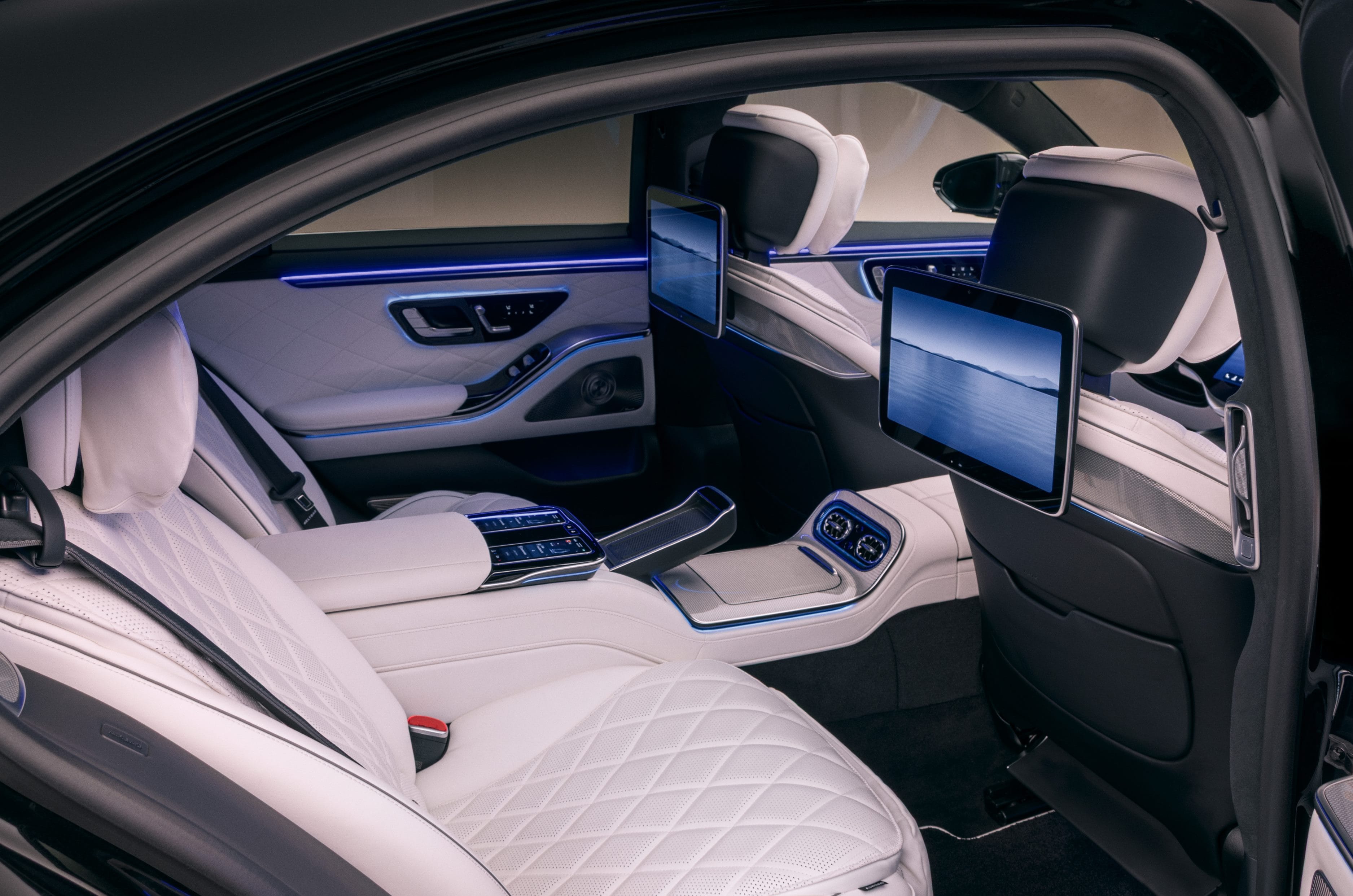
Rear passengers still get two 13.1-inch entertainment touchscreens mounted behind the front seats, but the rear controller tablet has been replaced by two smaller touch controllers that look more like smartphones. The S-Class continues with adaptive air suspension as standard, while active self-levelling suspension remains optional. Rear-wheel steering is also available, with the 4.5-degree setup now standard and the 10-degree version offered as an option.
2026 Mercedes S-Class exterior changes
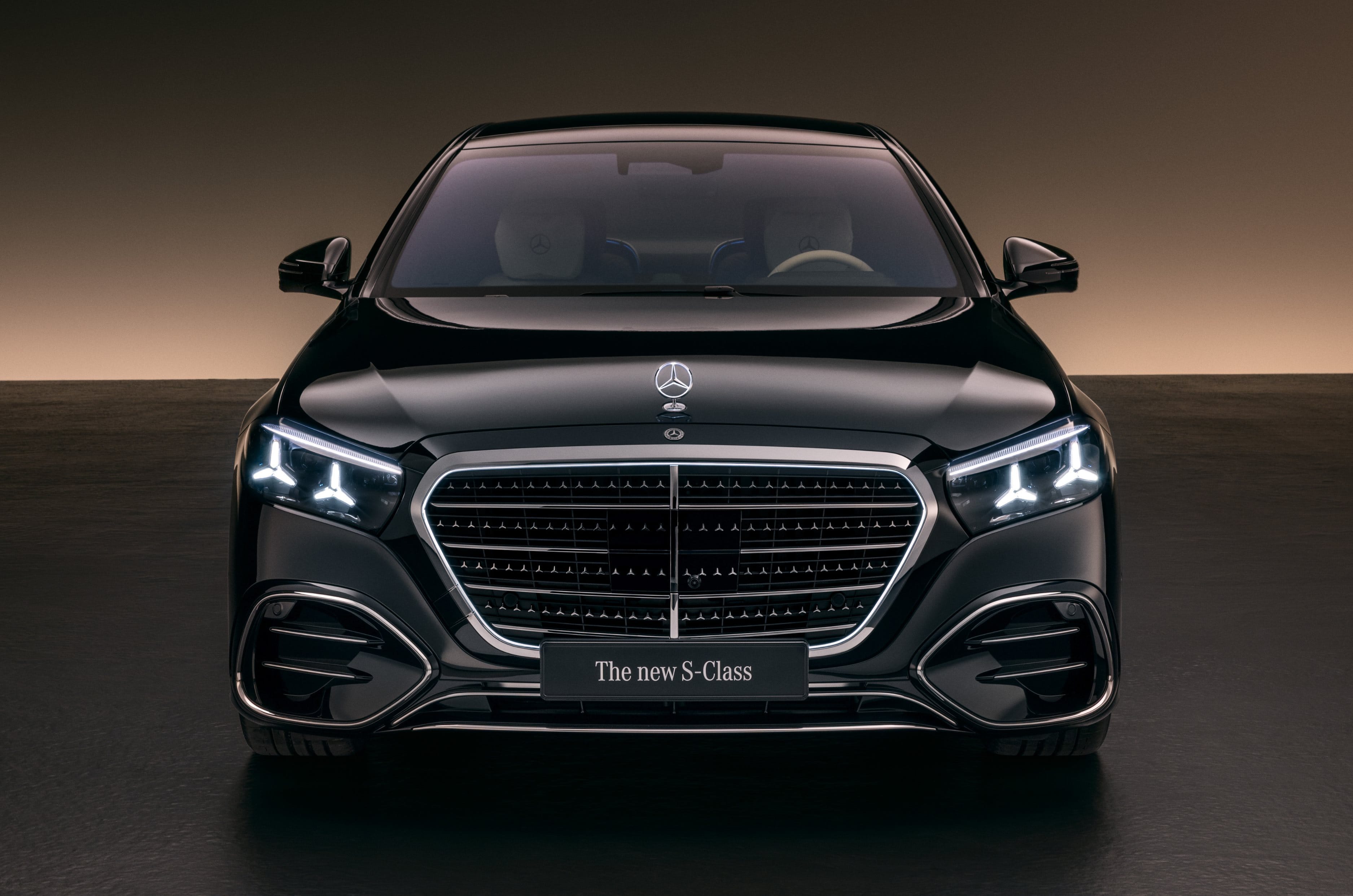
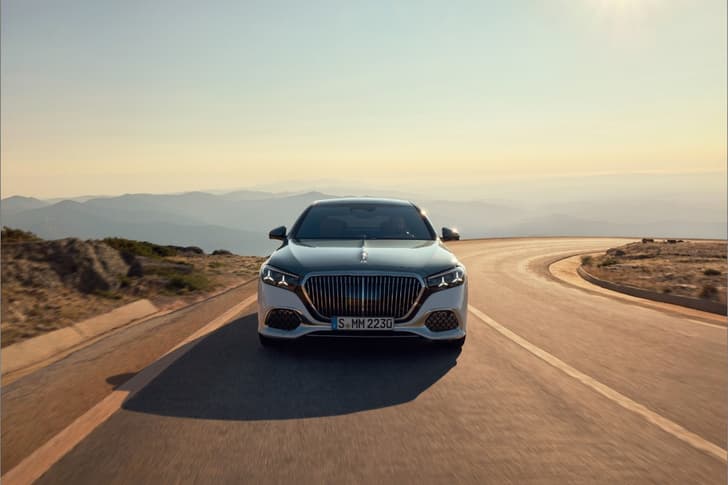
As per Mercedes, the front grille is 20 percent larger than that of the outgoing S-Class, with small chrome stars set into the slats and an illuminated frame. The three-pointed star bonnet badge is also illuminated, and the headlamps are larger, too, with a pair of three-pointed star daytime running lamps (DRLs) in each unit. They also use the carmaker’s latest micro-LED Digital Light tech, producing 40 percent more illumination while being lighter and using less energy. The bumper has also been redesigned for a sportier look.
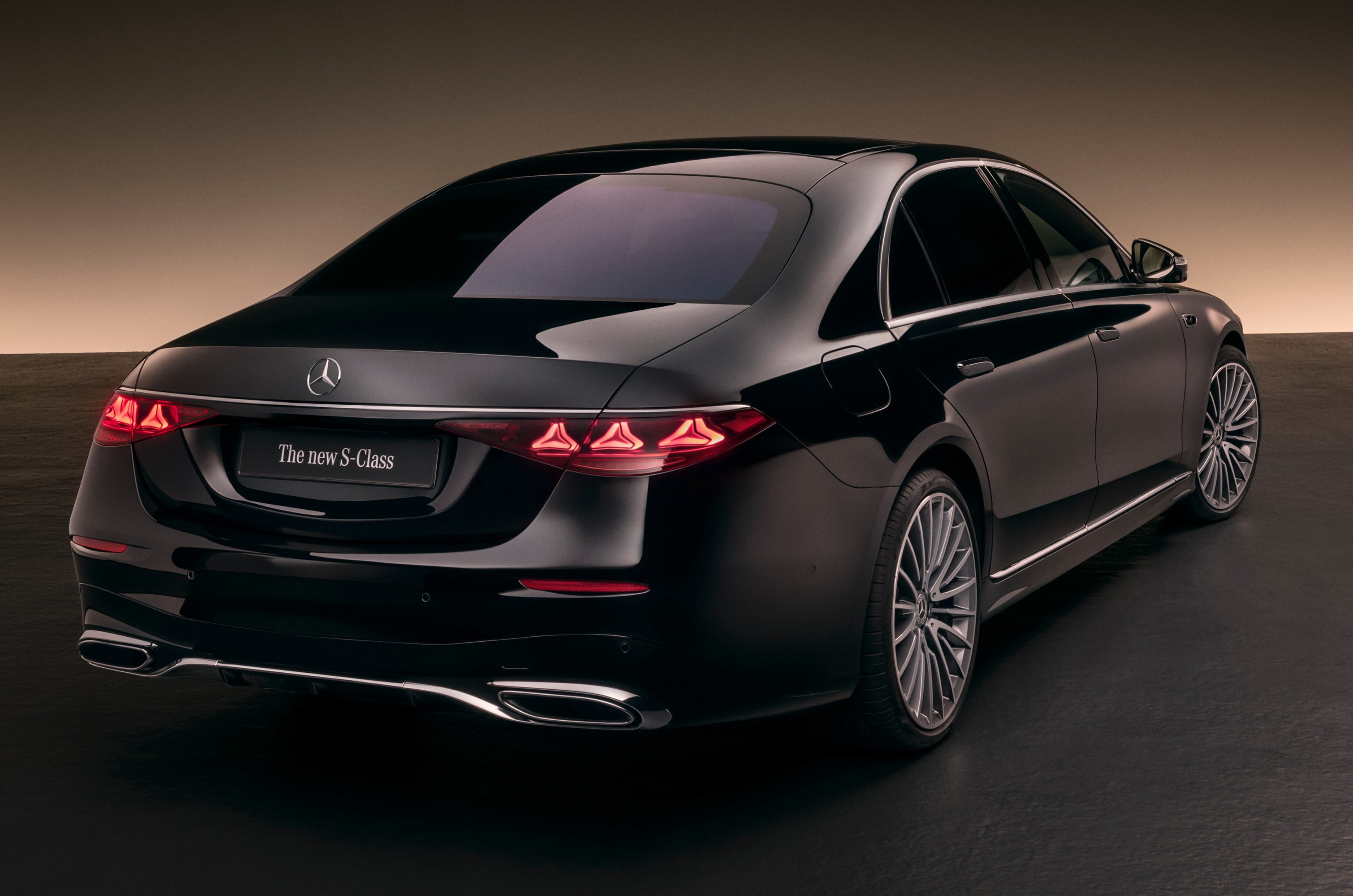
From the side, the changes are harder to notice. There are new wheel designs, including detailed 50-spoke rims made using a new high-pressure casting process. Mercedes has also added new standard paint shades, many of them borrowed from the exclusive Manufaktur range.
There are more sensors as well, with five radars, 10 cameras and 12 ultrasonic sensors to support the updated ADAS (advanced driver assistance systems) suite. As for the rear profile, the main change is slimmer tail-lamps, which now feature three-pointed star LED motifs.

 Dipan Sur
 Dhruv Dhaka

 Viraaj Bhatnagar