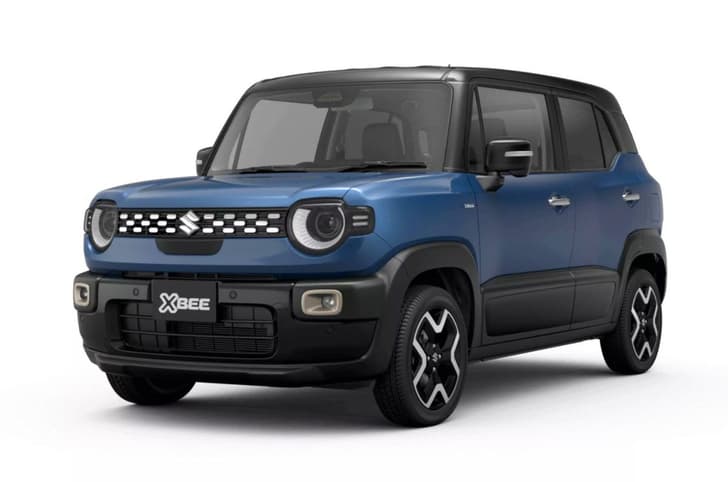
Suzuki XBEE is based on the brand's Heartect platform.
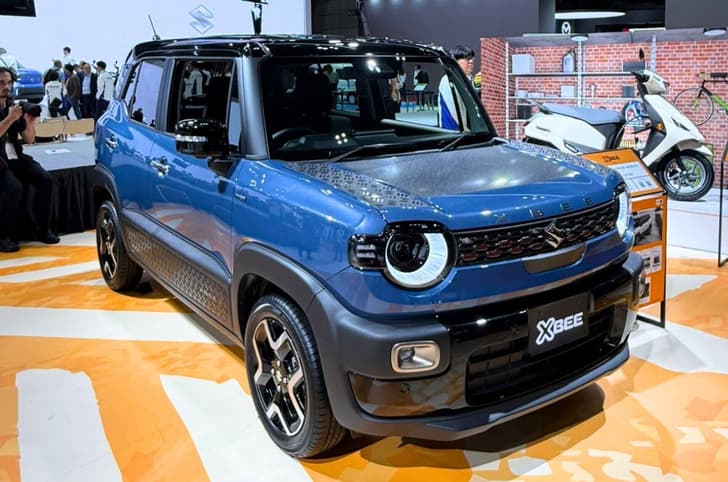
XBEE’s general exterior design closely matches that of the Maruti S-Presso.
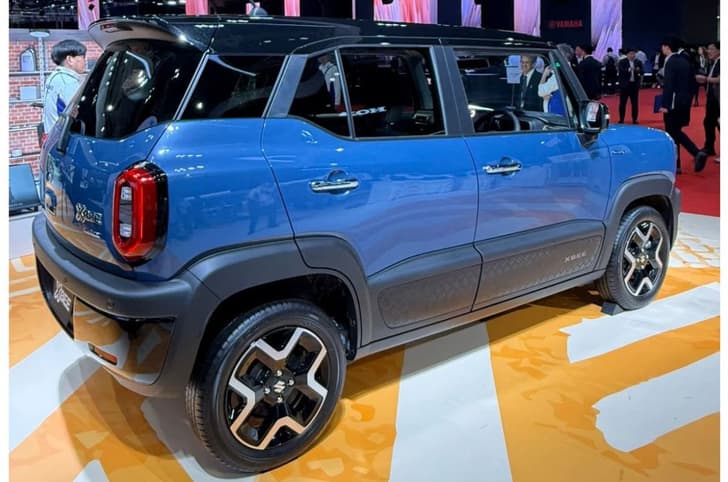
Exterior gets chunky body cladding, short overhangs, squared-off wheel arches, and X-shaped alloys.
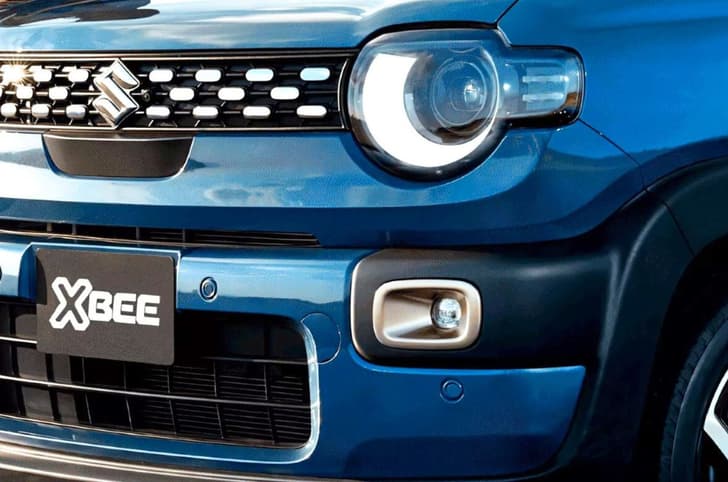
Front fascia gets a sculpted bumper, split air intakes, plus semi-circular headlights and LED DRLs.
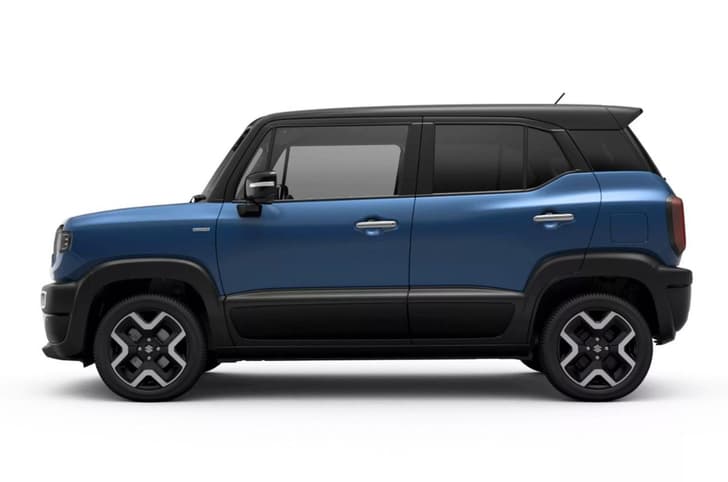
Short bonnet, upright A pillars, and a flat roofline promote the ‘rugged crossover’ appeal.
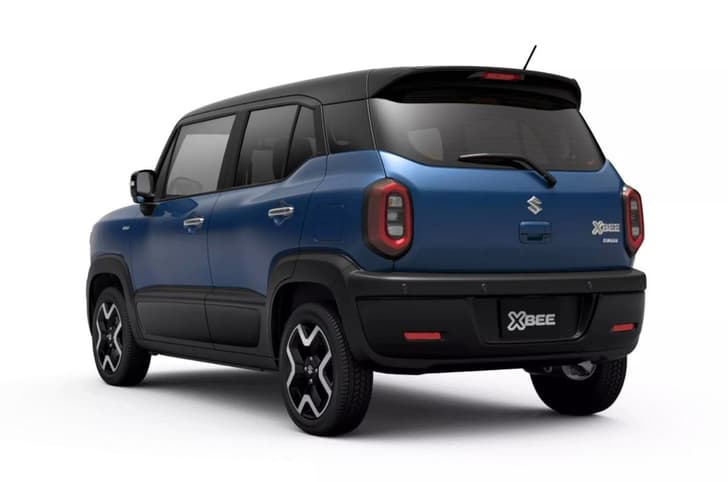
XBEE’s rear gets hexagonal taillights, a wraparound bumper, and a roof-integrated spoiler.
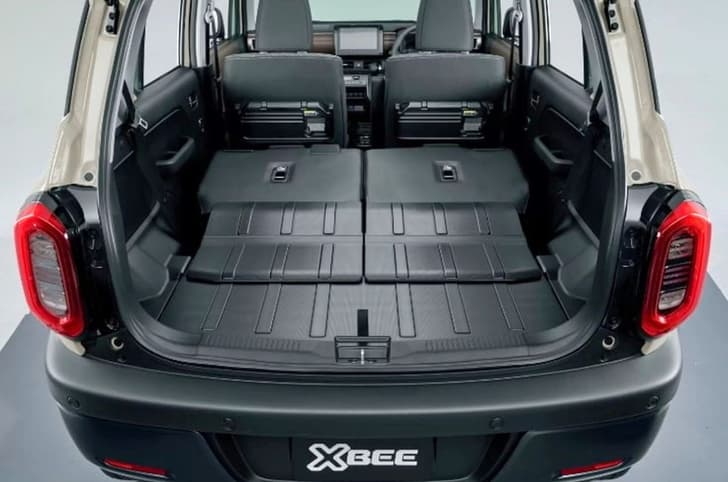
Underfloor storage adds versatility, while stain-resistant boot lining and water-repellent seats improve durability.
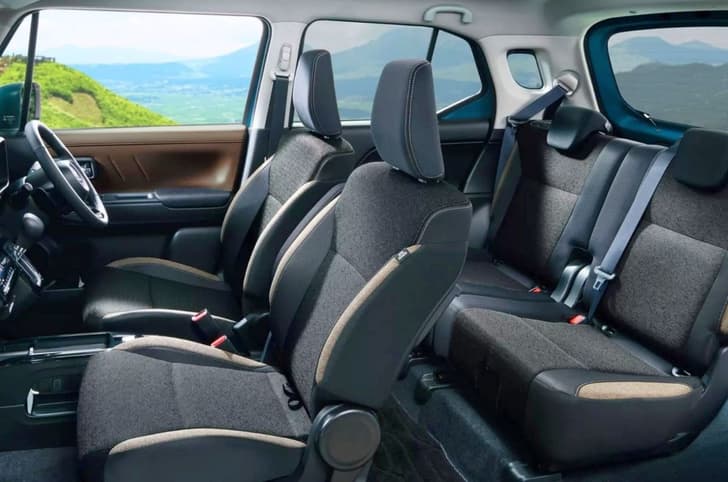
Tall-boy design with a flat roof and high ceiling often offers plenty of headroom.
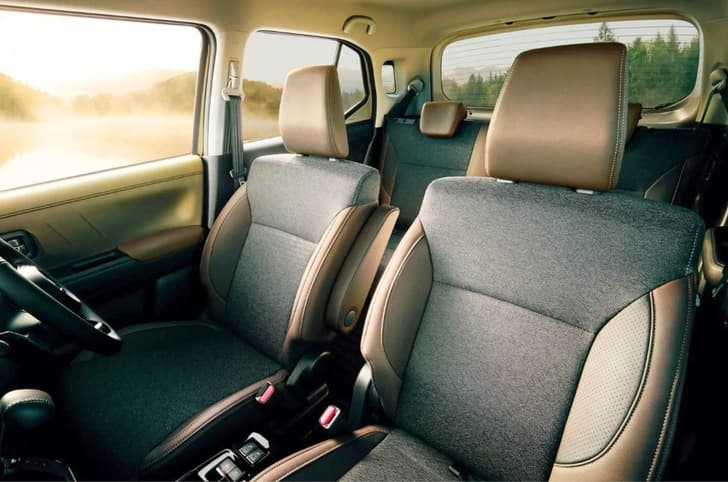
Two-tone colours and an expansive greenhouse lead to an airy and well-lit cabin.
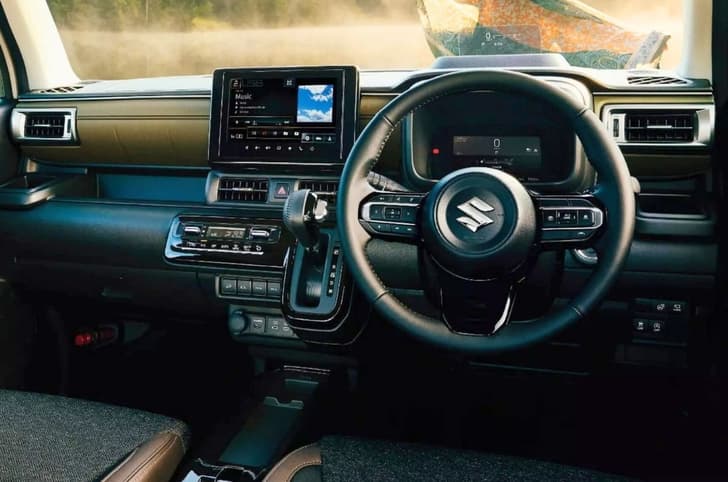
There's a ‘floating’ touchscreen, head-up display, digital gauge cluster, auto AC, and dash-integrated cupholders.

Front occupants get multiple charging ports, an HDMI slot, and storage cubbies.
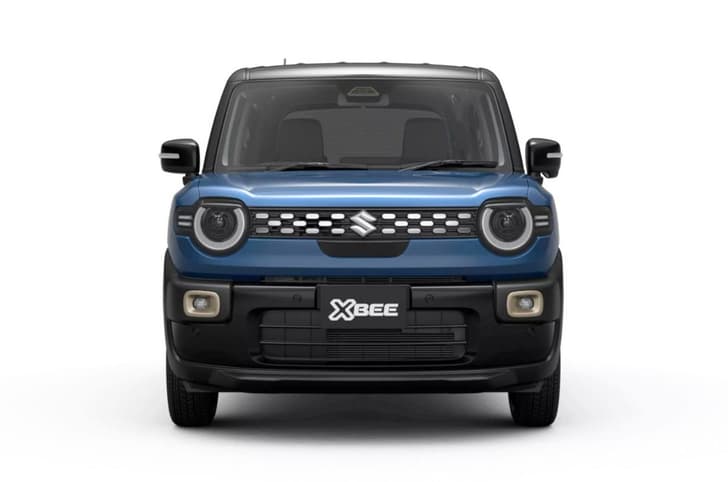
Front-facing camera and radar support safety systems like collision detection and auto-emergency braking.
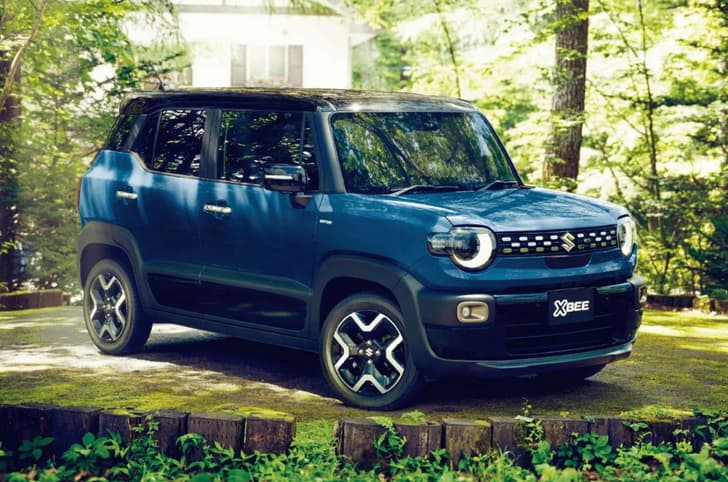
The Suzuki XBEE is not expected to come to India.
Suzuki XBEE exterior and interior image gallery
Suzuki has showcased a new iteration of the XBEE (pronounced “cross-bee”) at the Japan Mobility Show 2025. First launched in 2017, the sub-4-metre crossover is based on the automaker’s Heartect platform. Its compact footprint results in a length of 3,760mm, width of 1,670mm, and a height of 1,705mm.
The Suzuki XBEE is powered by a 1.2-litre three-cylinder petrol engine assisted by a mild-hybrid system for improved efficiency. Suzuki claims a mileage of 22.8kpl, while the engine’s output is rated 80hp and 108Nm. The naturally-aspirated Z12E mill of the XBEE drives the front wheels through a CVT. The Suzuki XBEE is not destined for the Indian market.
Also read

Suggested image galleries




Trending image galleries
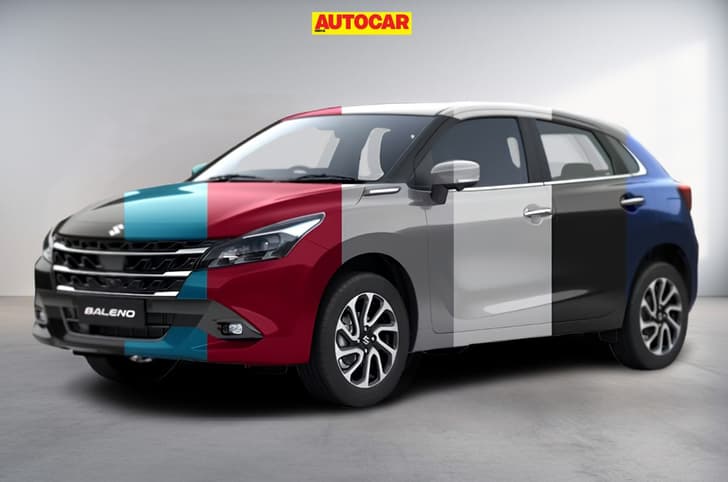
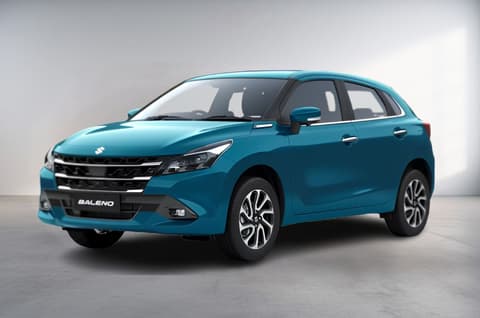
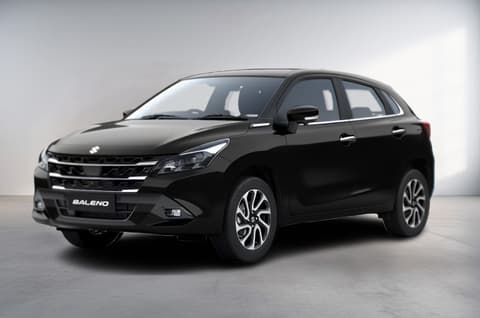
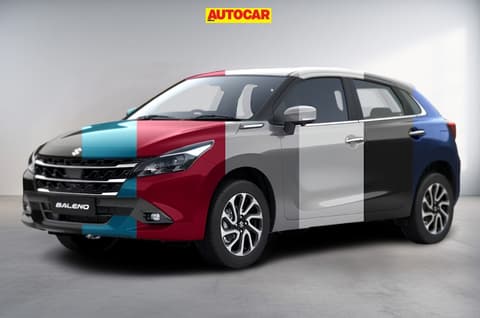
2026 Maruti Baleno facelift colours gallery
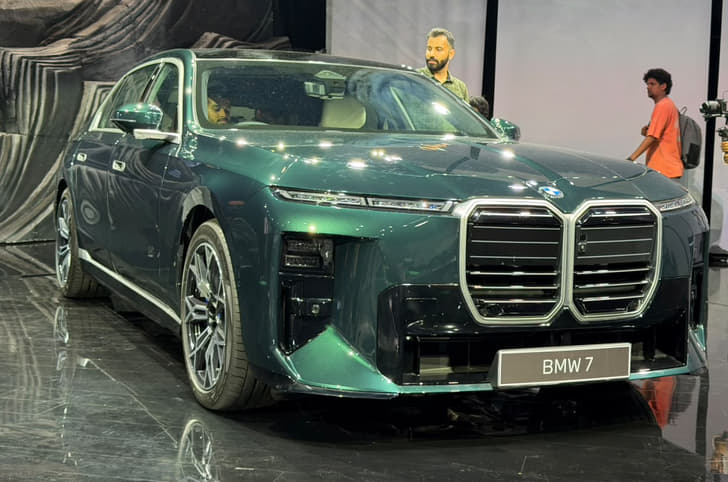
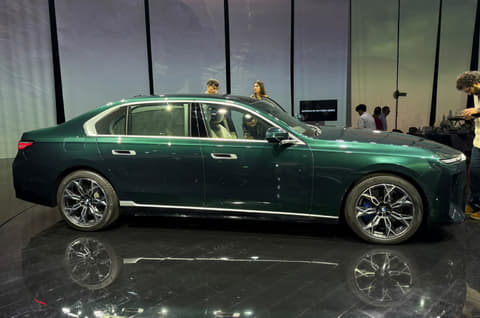
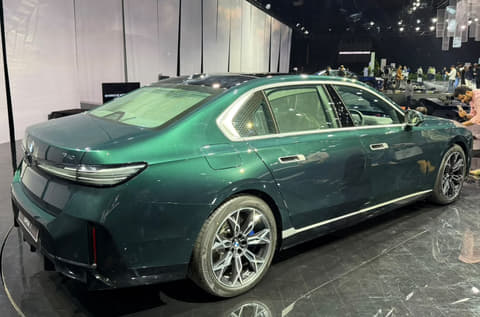
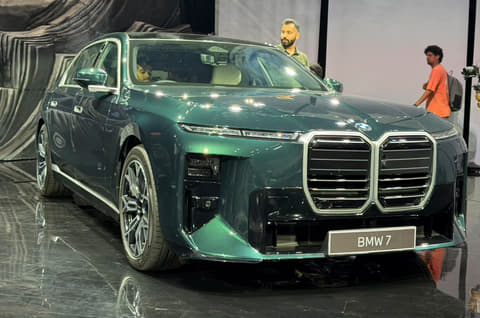
2026 BMW 7 Series facelift image gallery
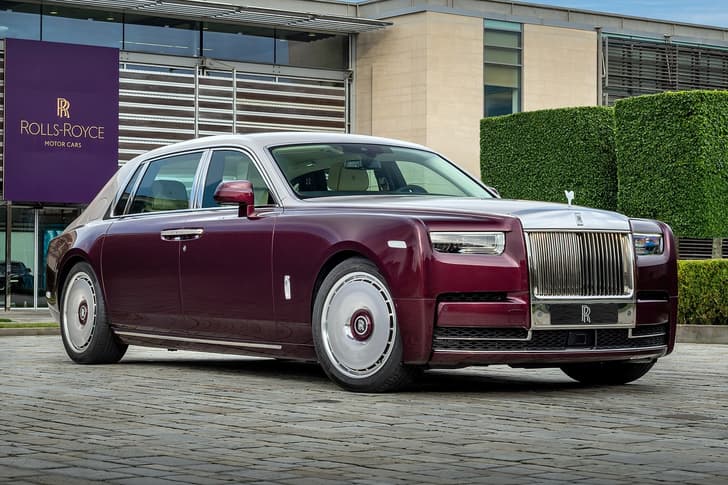
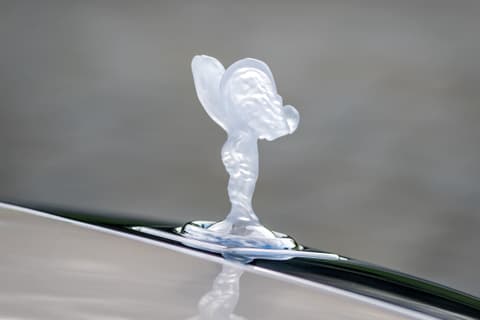
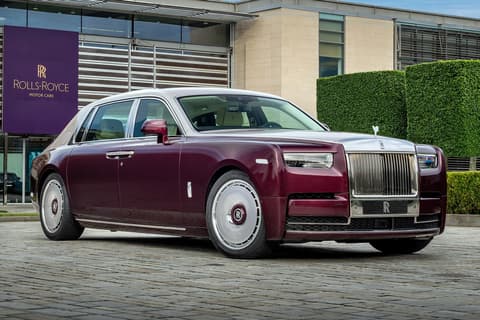
Rolls Royce Phantom Hummingbird image gallery

Car image gallery by model





Poll of the month
If you bought a plug-in hybrid (PHEV), how would you use it?
Upcoming Cars



Trending Cars



Latest Cars