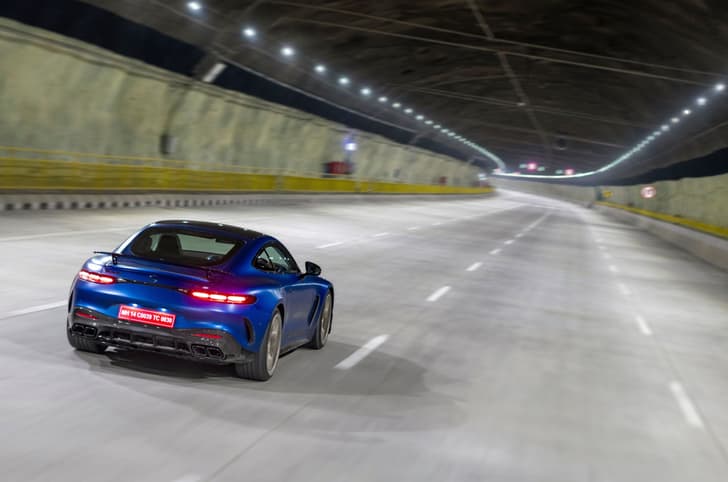
If you’re a Mumbai-Pune Expressway regular, there’s a reason to celebrate. The Missing Link portion of the expressway is now open. We got exclusive access to the road a couple of days before it opened and will give you a guided tour from behind the wheel of a car that’s fitting for the occasion – the Mercedes-AMG GT 63 Pro, the 612hp fire-breathing sports car from the house of AMG.
First, a bit of history and geography. The 94-kilometre access-controlled Mumbai-Pune Expressway, which opened in 2002, completely transformed the road journey between the two cities. Faster and safer than the highway, the expressway was revolutionary. But work on a portion of the original planned route never took off. This section came to be known as the Missing Link. The big idea was to completely bypass the Lonavala Ghat, which is shared with National Highway 4, and its completion is as game-changing as the opening of the expressway itself.
Our starting point is Mumbai, and the drive to the first toll point at Khalapur remains unchanged.
A key detail to bring in is that there’s no change in toll, which stays at Rs 320 one way, irrespective of whether you use the Missing Link or the old Lonavala Ghat section. A widened eight-lane portion leads to Khopoli 5km away, which is the entry point to the Missing Link.
What follows is a Mumbai-to-Pune drive like never before.
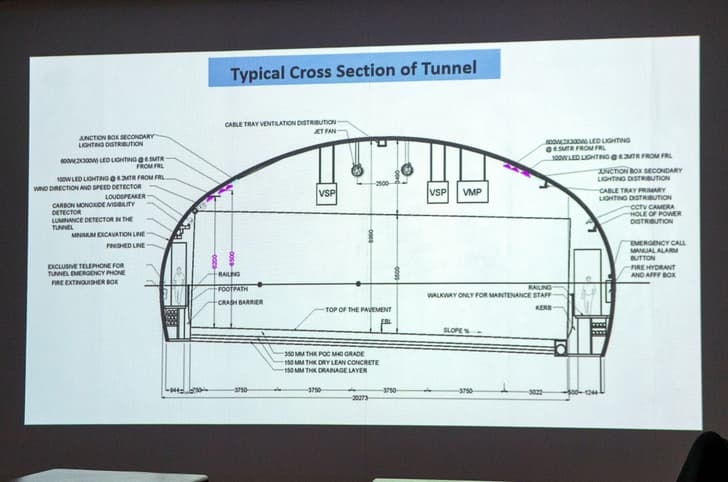
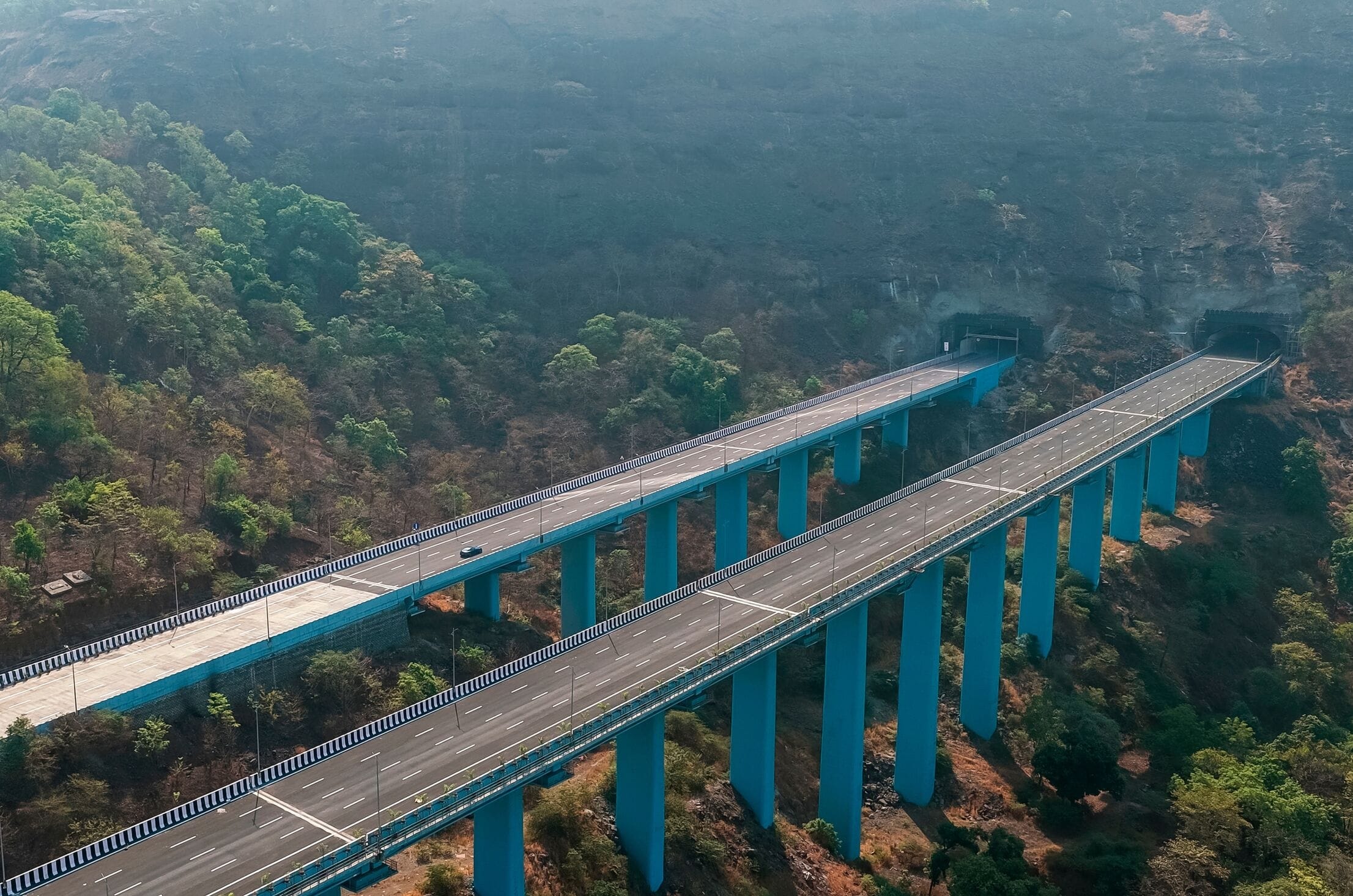
Eight hundred and fifty-metre-long parallel bridges supported by pillars as high as 65 metres from the ground – that’s where the journey begins, leading into the next feature – a 1.6km tunnel. What’s particularly impressive about the tunnels is their width. Their 22.3-metre diameter makes them the widest in the world, a fact certified by the Guinness World Records. These tunnels can accommodate four lanes of 3.75 metres each; there’s an additional 3-metre service lane, as well as a walkway and drainage on the side.
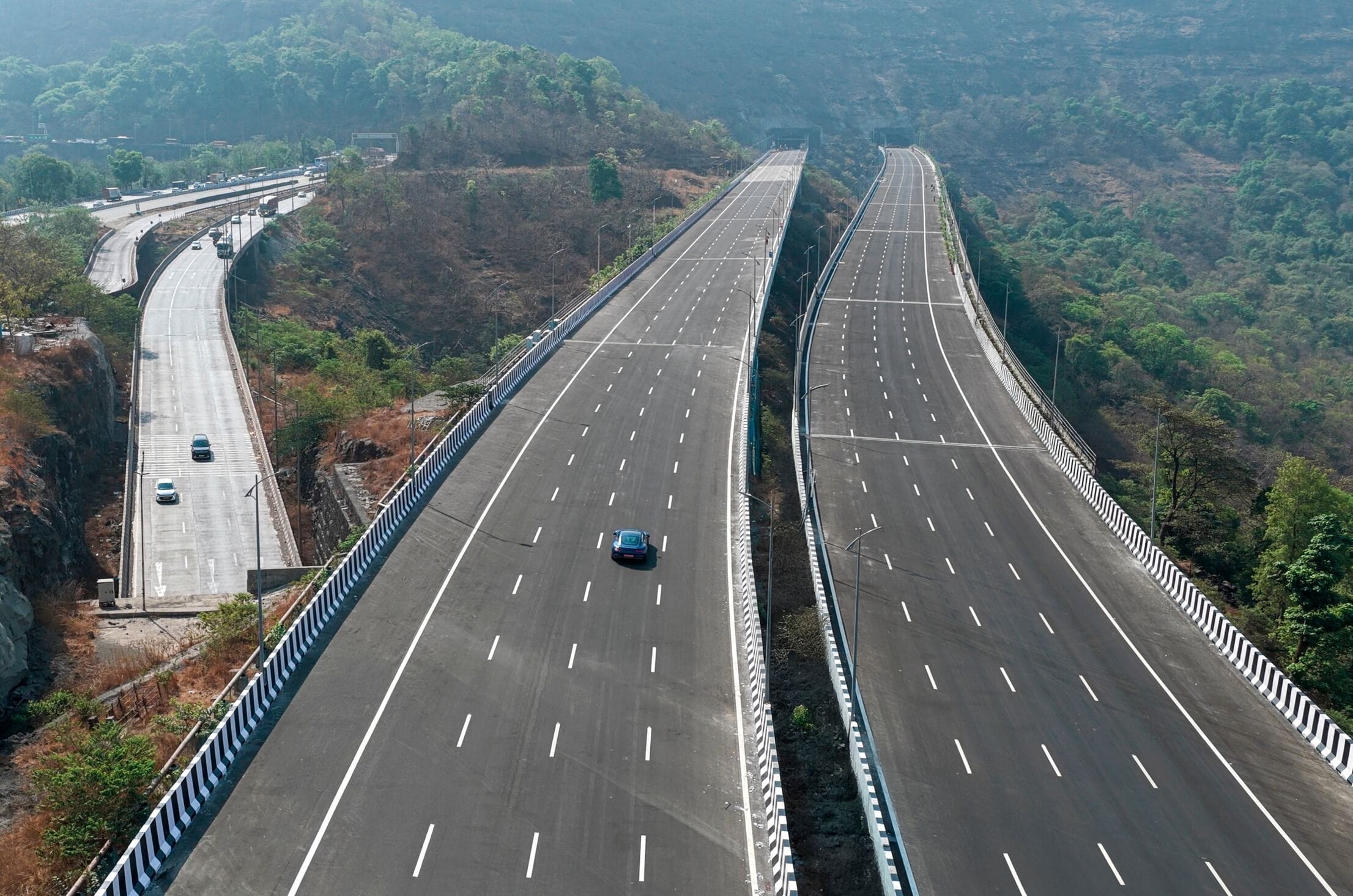
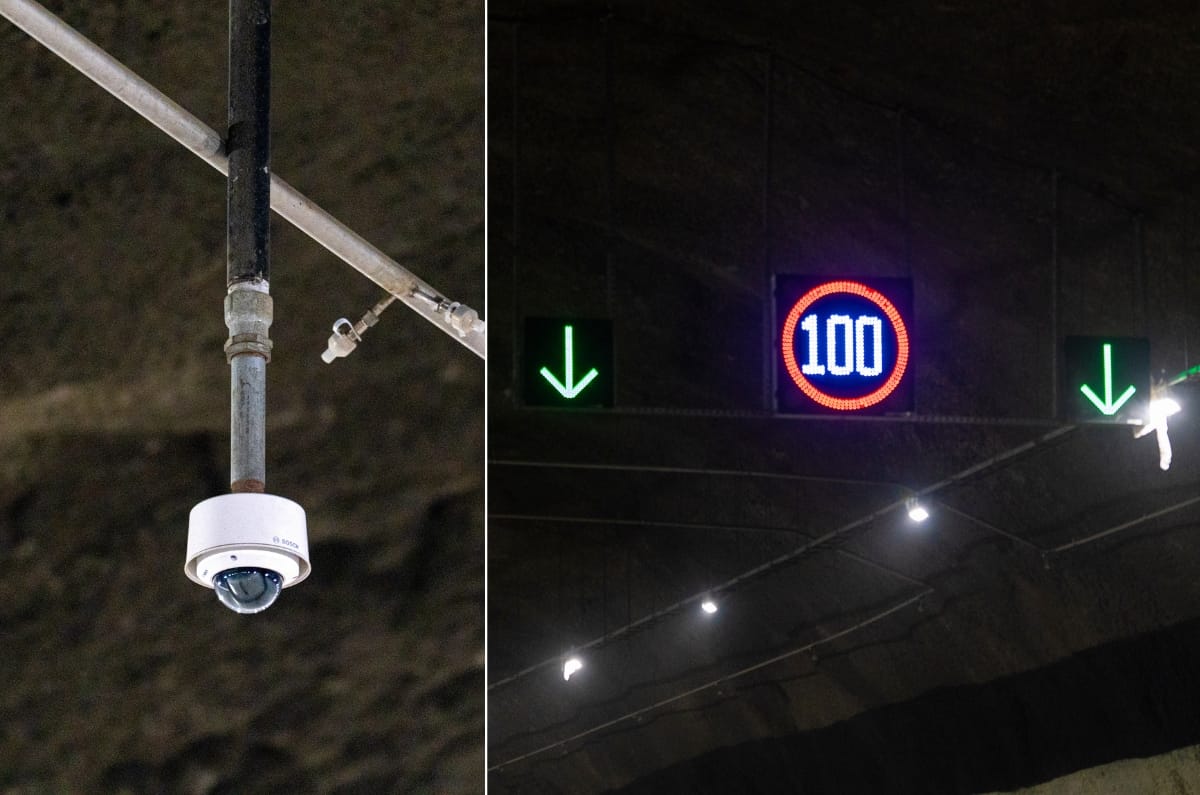
What also immediately stands out is that the route has only gentle curves, and that means higher speeds. The speed limit is 100kph, one that you can comfortably maintain. Fun fact: 100kph is just 3.2 seconds of fun from a standstill in the AMG GT 63 Pro. In comparison, the winding ghat section has a speed limit of just 60kph, and on a bad day, you’d rarely even get to that number. Slow-moving trucks occupying all lanes, terrible lane discipline and horrid traffic jams have made the ghat road dreadful, which is why the Missing Link feels like the ultimate cheat code.
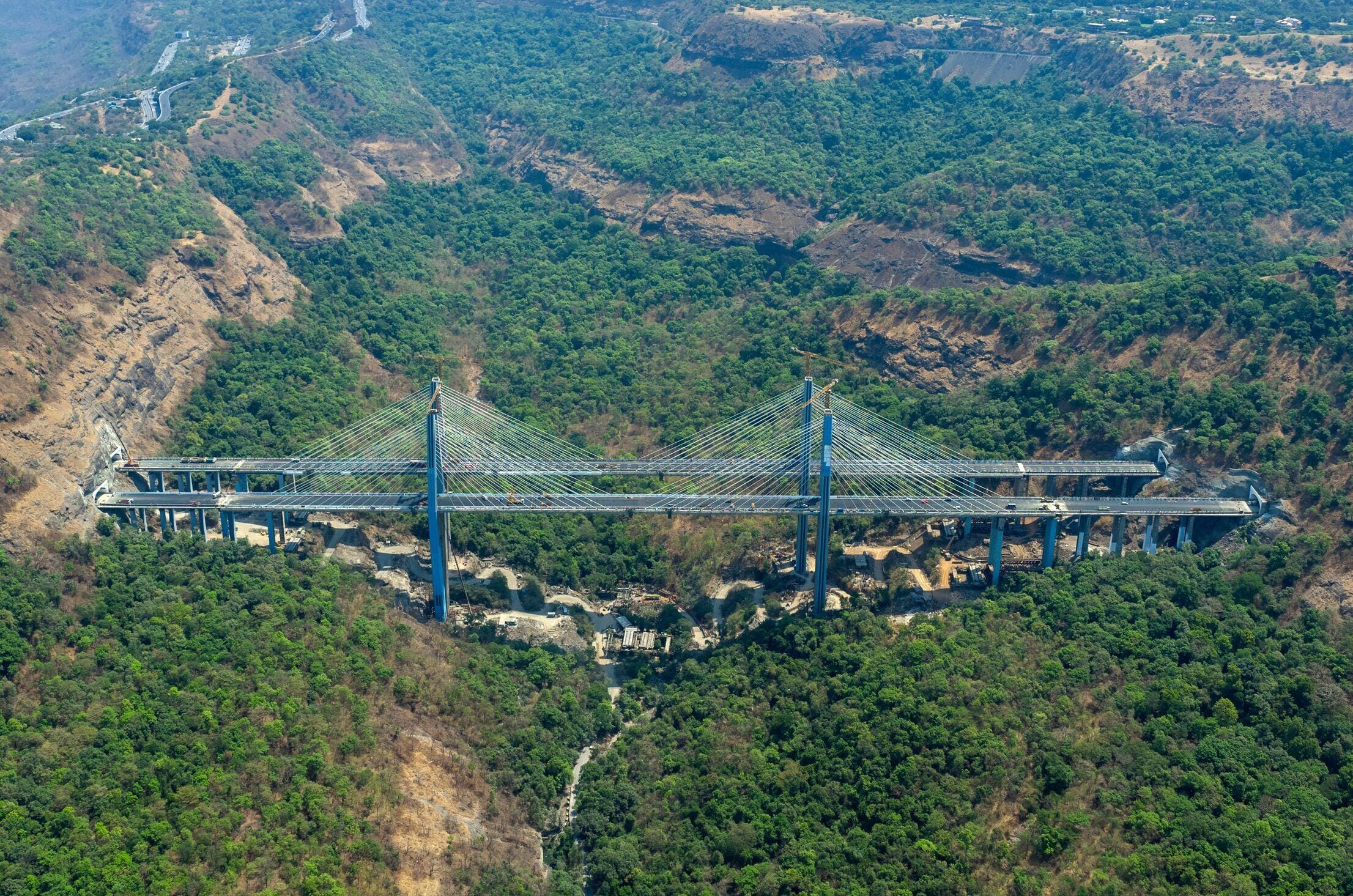
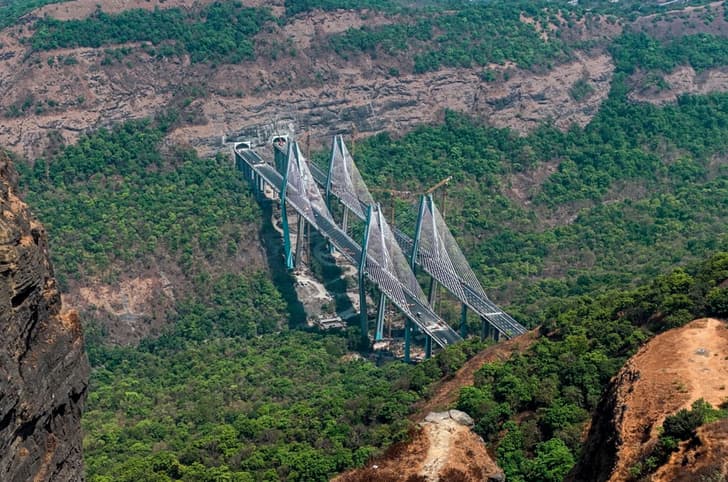
The defining feature of the Missing Link is Viaduct 2, which comprises 650-metre-long parallel cable-stayed bridges across Tiger Valley. Finishing touches were being given to the bridges on the day of our shoot, but the effect was nonetheless mega. You could even call the bridge photogenic, with the cables filling up the sight through the sunroof. I can’t wait to see what it’ll look like during the monsoons, with everything around it being lush green. The bridges are supported by a total of 240 cables connected to four pylons with a maximum height of 182 metres. The deck is 125 metres above the lowest point of the valley.
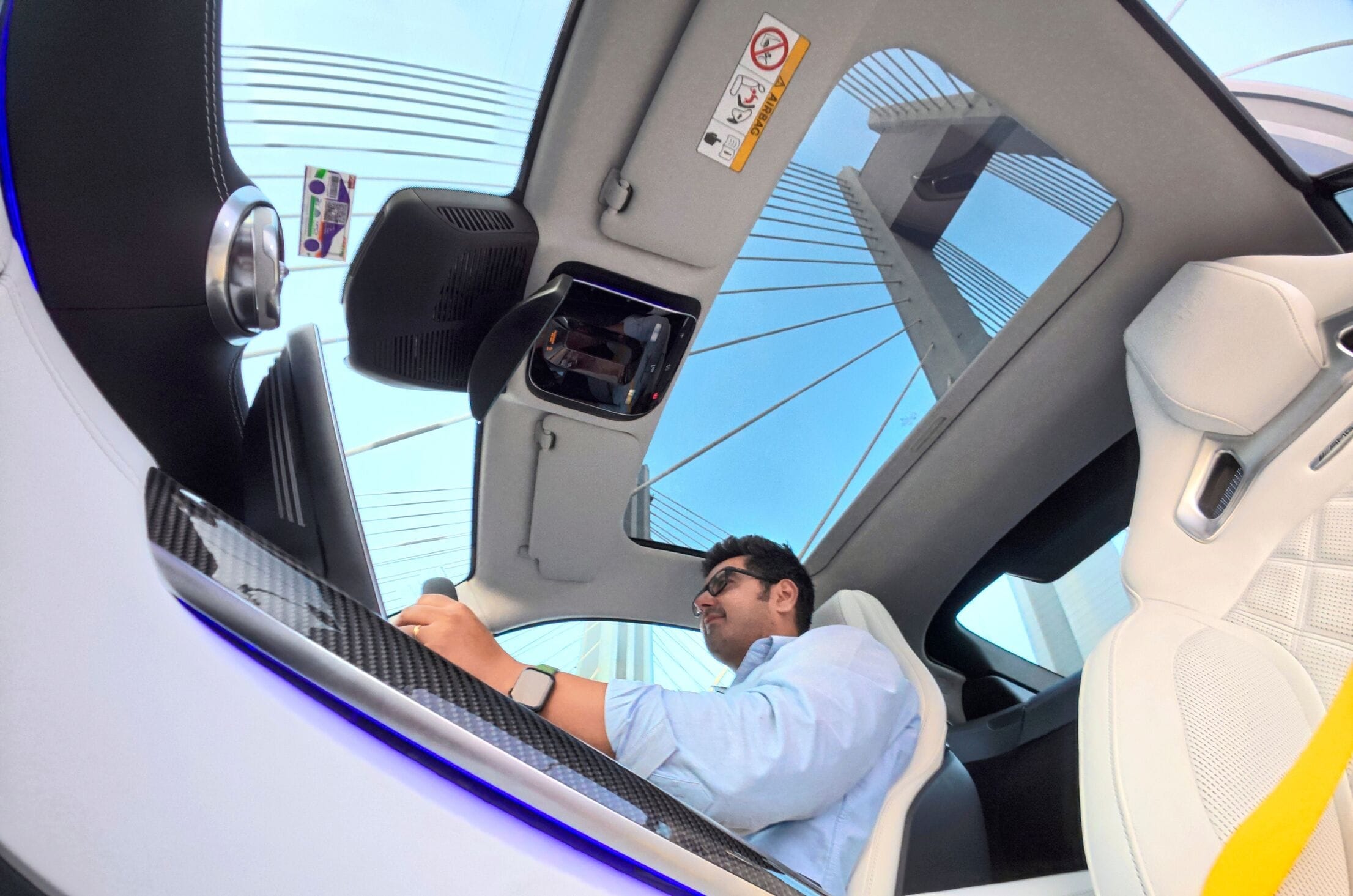
The bridge’s position at Tiger Valley means it is always up against high-speed winds. Interestingly, at the design stage, the bridge’s shape was refined in a wind tunnel, and the final product can withstand winds of up to 250kph. This AMG GT Pro is also big on aero. Active elements up front, air deflectors, underbody and a fixed rear wing mean that this AMG GT Pro can cut through the air and also use the air to hug the ground.
Viaduct 2 leads into the fourth and the single largest feature of the Missing Link, an 8.9km-long tunnel built through the Sahyadri Range. It’s estimated that over one lakh vehicles will use the Missing Link every day, but today I have a large chunk of it all to myself, so pardon me if I indulge a bit over this drive. The 612hp Mercedes-AMG GT 63 Pro is straining at the leash. An empty tunnel with no other vehicles inside is the ideal setting to hear the 4-litre twin-turbo V8 sing. The engine’s roars, rumbles, pops and crackles ricochet off the tunnel walls. Joy! Performance is also thrilling. The pushback onto your seat is real, and power feels relentless. The GT just goes and goes and goes.
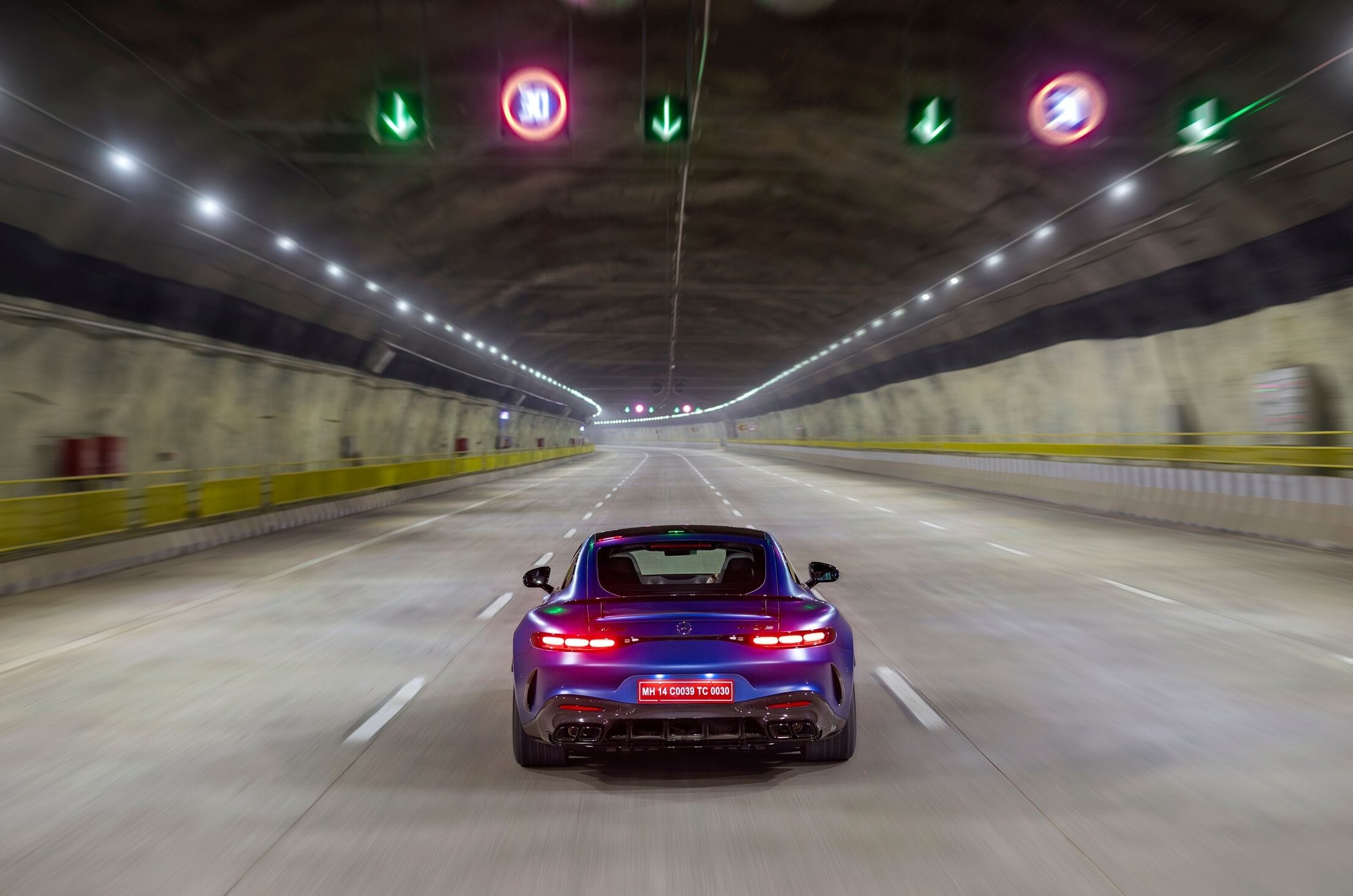
The beauty of the Missing Link? You don’t need to speed to save time. Compared to the ghat road on the best of days, you’d still save 25 minutes by using the Missing Link. The thing is, the days of smooth-flowing traffic on the ghat section are long gone, so in the real world, your minimum saving by using the Missing Link would be 45 minutes. On Friday evenings, when traffic peaks, the savings would be in hours!
The entire Missing Link takes about 8-10 minutes to cover. This Mercedes-AMG GT 63 Pro’s top speed is 317kph. Theoretically, and I mean only in theory, the AMG GT at Vmax could complete the 13km of the Missing Link in just over two and a half minutes. But do not get any ideas. Any misdemeanours will be caught on the network of cameras on the route.
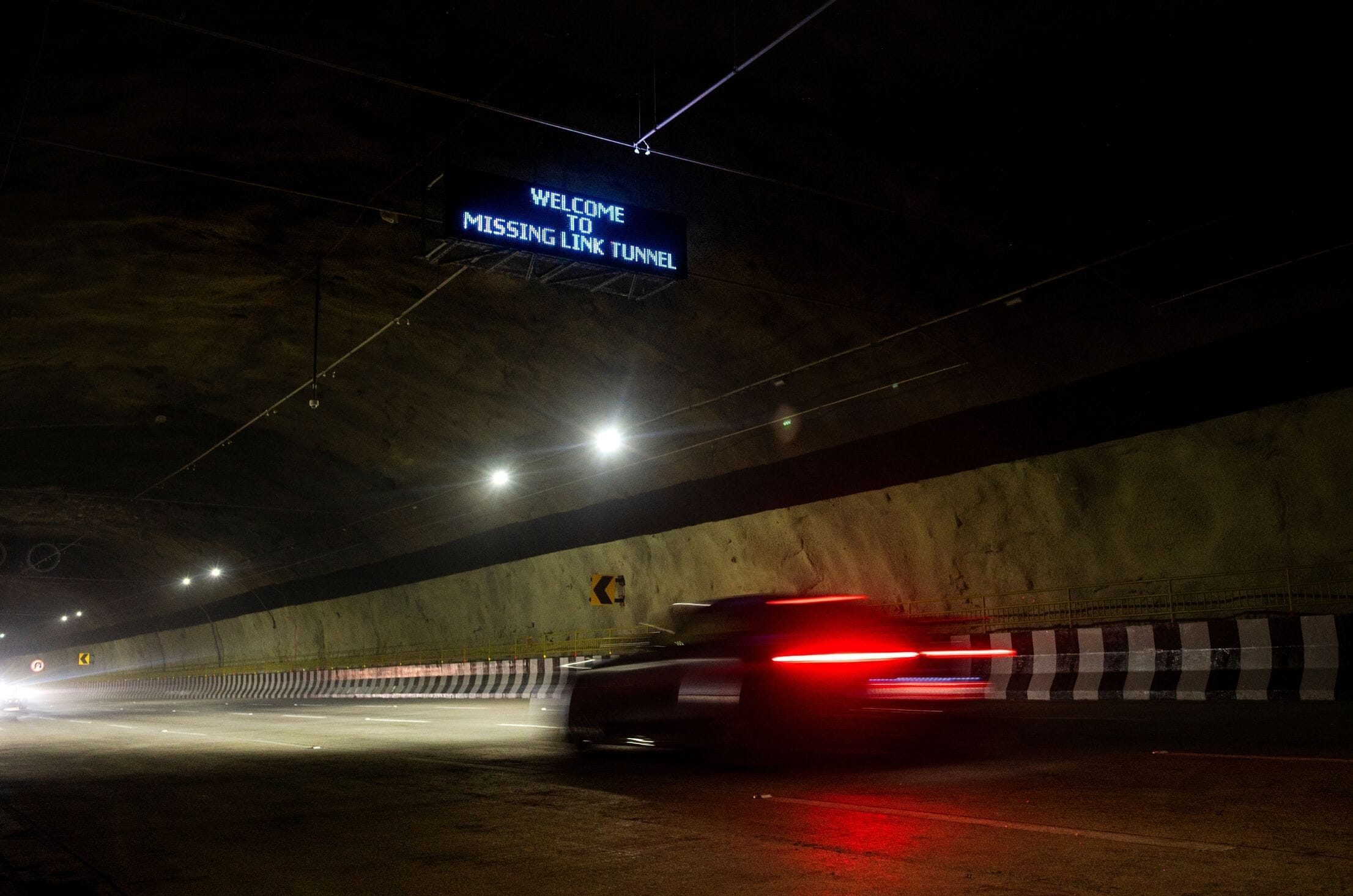
Also, while it may not look like it, there’s a gradual climb through the route. It goes by unnoticed in the AMG GT – a thundering V8 sure helps fight gravity. The maximum gradient is 3.5 percent, which means you climb 3.5 metres for every 100 metres you drive. In contrast, it is 7 percent on the ghat section. In effect, the Missing Link is easier on your car.
The tunnels were pending final cleaning, which is why they were dusty on shoot day. What I can say is that the Missing Link tunnels are far removed from the dark and dingy ones on the ghat. They are well-lit, so you won’t need to strain your eyes to identify the supercar you might be sharing the road space with. Something tells me supercar sightings on the Mumbai-Pune Expressway are going to increase with the opening of the Missing Link.
Initially, the Missing Link will only be open to cars and buses. In a few months, it will also be open to heavy trucks. But heavy trucks that transport hazardous materials or chemicals will not be allowed in the Missing Link. Irrespective of the type of vehicle, I do sincerely hope that all road users follow lane discipline.
One thing to bring up is the road surface. It changes from asphalt on the viaducts to concrete in the tunnels, and you can feel the difference, especially in a car like the AMG GT that rides on short travel springs and 21-inch rims wrapped in very low-profile rubber.
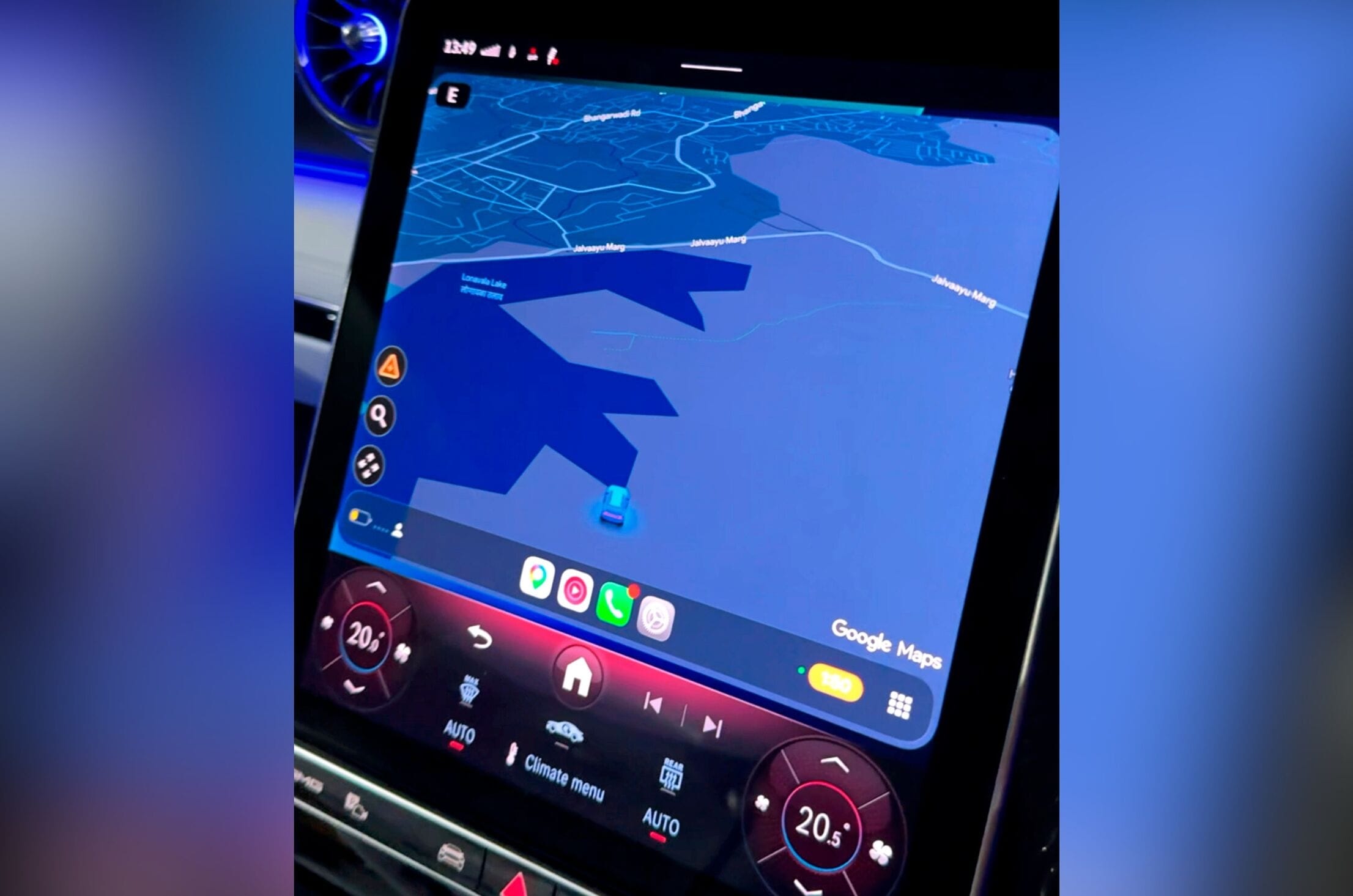
There’s no phone connectivity in the long tunnel, and navigation has a hard time keeping up. Google Maps was tripping over the Missing Link, and at one point, it showed us at Lonavala Lake. That’s not really incorrect because a portion of the tunnel is actually under Lonavala Lake! The bottom of the lake is 180 metres above the top of this tunnel.
There are some other features to talk about, too. The Mumbai and Pune sides of the tunnels are connected via cross passages every 300 metres. In case of an emergency, traffic can be rerouted to safety. Other emergency features include SOS call boxes every 250 metres, water nozzles that get triggered automatically in the event of a fire and overhead jet fans that push out toxic gases.
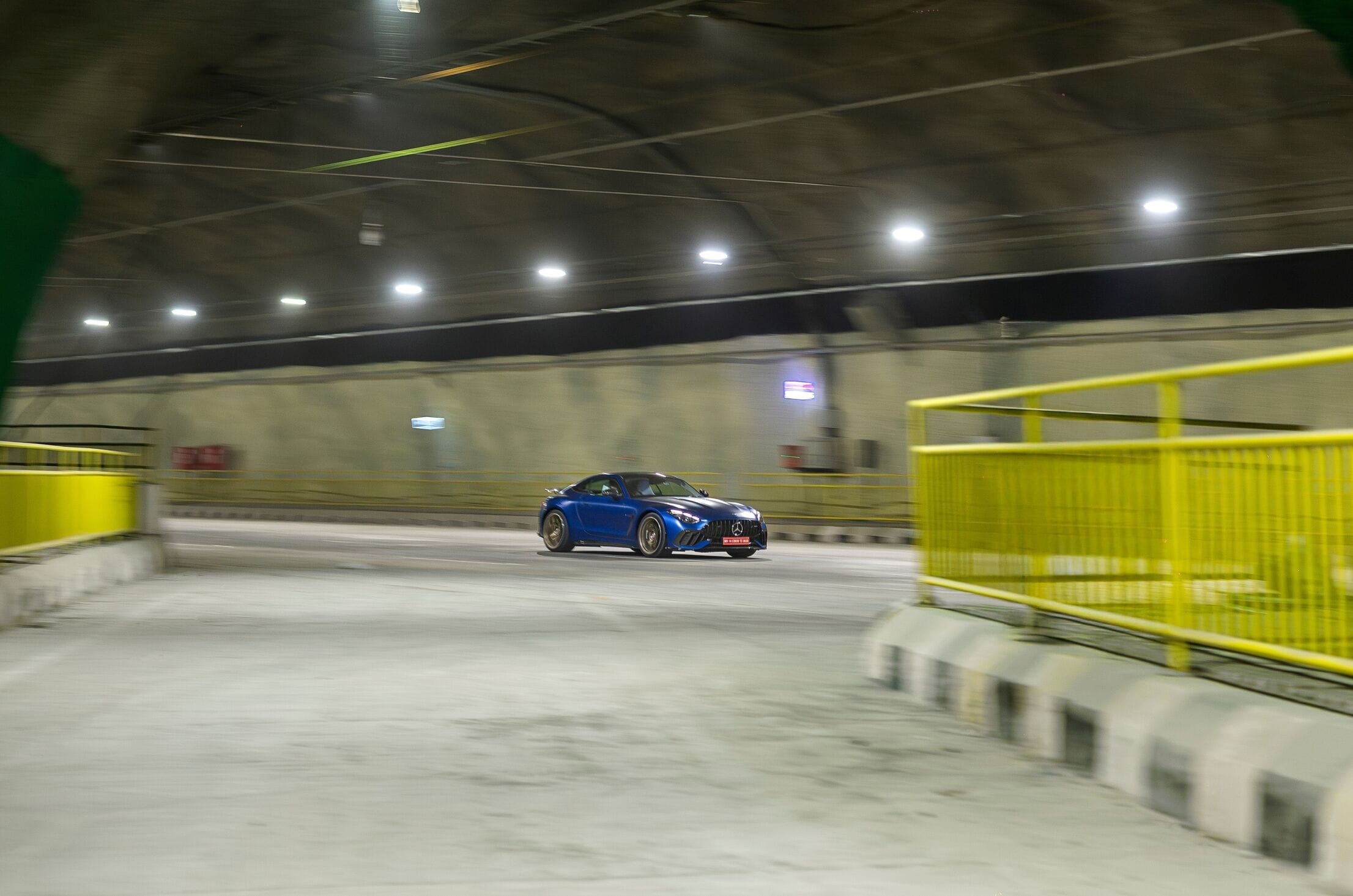
The Missing Link promises to be a route where you could make the most of ADAS features such as lane-keep assist and adaptive cruise control. Just in case you find the Missing Link a bit featureless, there’s some good news for you because this road also serves as your new shortcut to the upcoming Nanoli Speedway racetrack. You can drive to your heart’s content there. Speaking of which, Mercedes, may I get the car back when Nanoli opens?
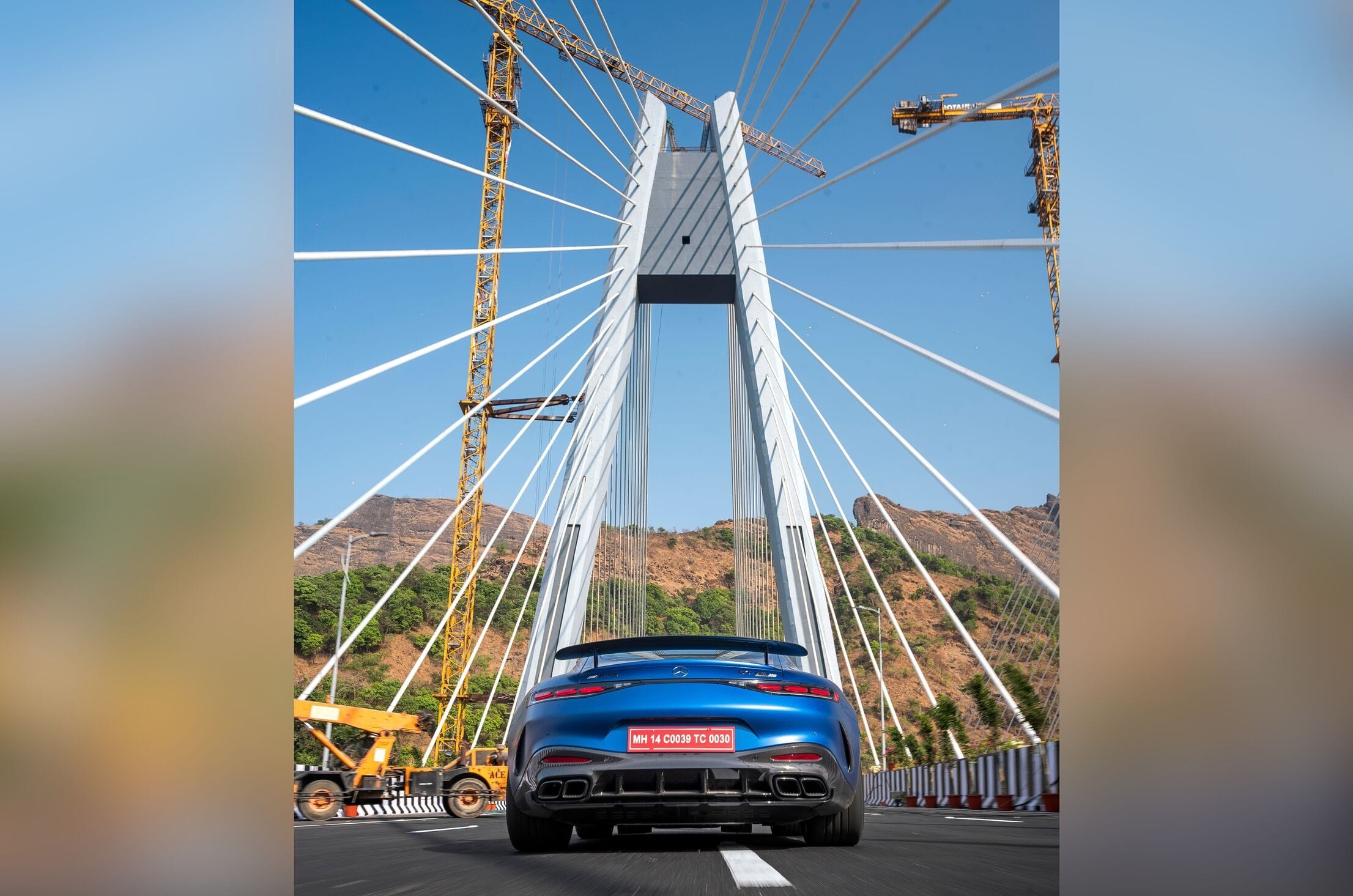
And just like that, we reach the exit of the tunnel at Kusgaon, where the road rejoins the Mumbai-Pune Expressway as we know it. In all, the 13.3km Missing Link covers the same route as the 19km ghat without any of the stress. If you’ve ever been stuck on the Lonavala Ghat, the Missing Link really feels like time travel.
Future drives on the Missing Link will be quieter for me for sure. But what I can tell you is that Mumbai and Pune have never seemed closer.
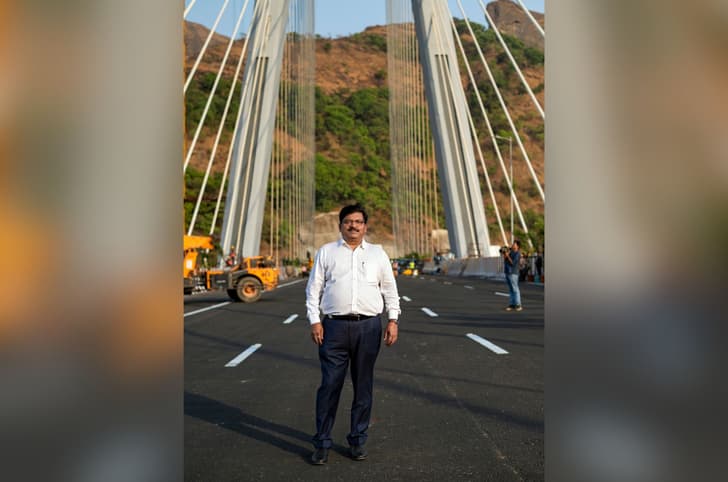
In Conversation with Anilkumar Gaikwad, Vice Chairman and MD, Maharashtra State Road Development Corporation
On the scale and engineering of the Missing Link
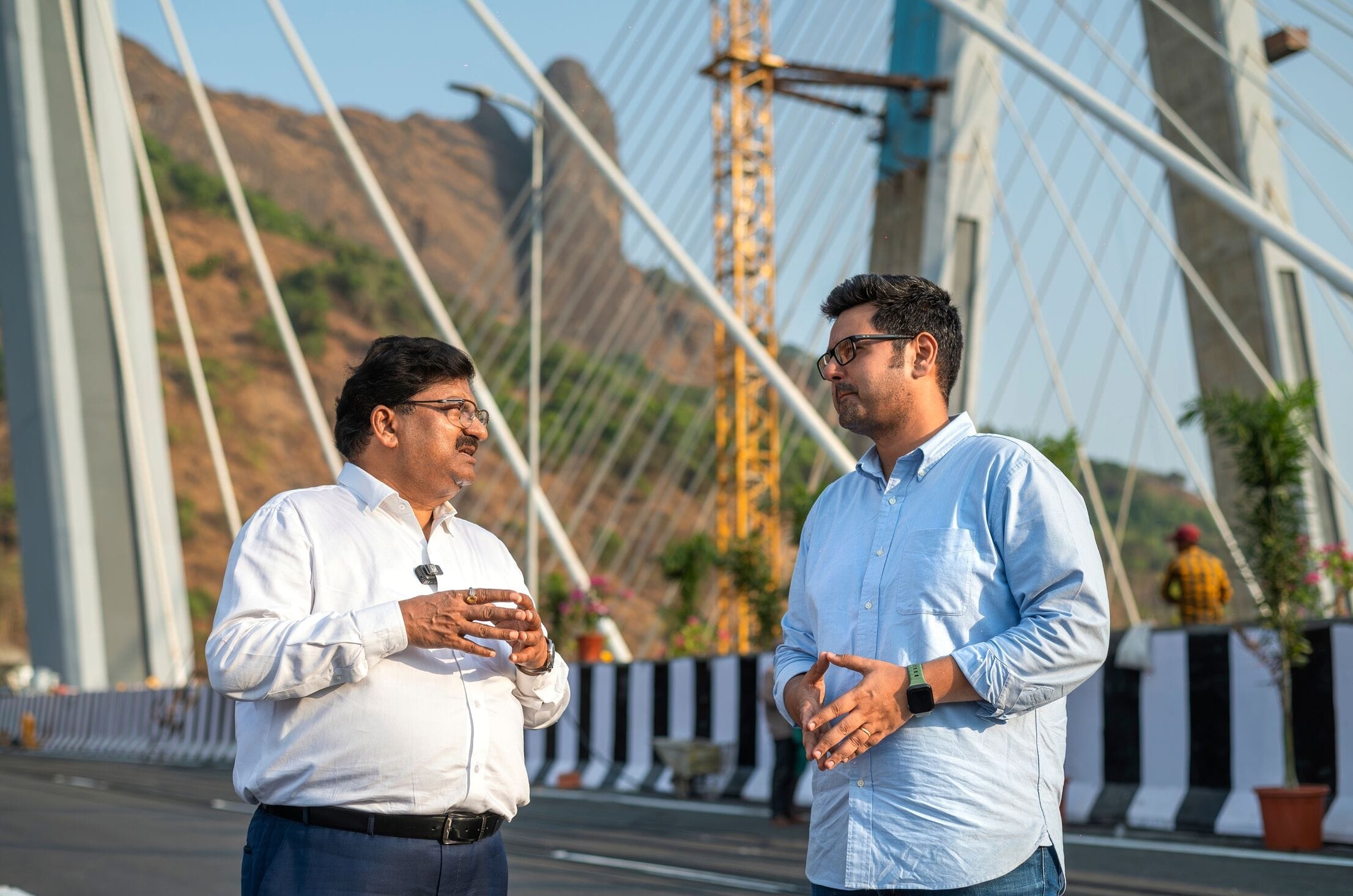
This is a very large and complex engineering project. The Missing Link spans 13.3km and comprises two major tunnels—an 8.9km tunnel towards Pune and a 1.5km tunnel towards Mumbai.
In addition, there are two major viaducts. Viaduct 1, located on the Mumbai side, is a 150m-long bridge supported by piers that rise up to 65m. However, the most challenging element is Viaduct 2, located in Tiger Valley. The deck is at a height of around 125m above the valley floor. Each bridge is supported by two pylons, each standing 182 metres tall. Together, these pylons carry the load of a 650m-long bridge weighing approximately 36,000 metric tonnes. The structure is supported by 120 cables—60 on each pylon.
What also made it the most technically challenging component of the project was the geography. The valley has extremely steep slopes on either side, making access difficult. On top of that, the region experiences over 5,000mm of annual rainfall, dense fog, and wind speeds exceeding 70kph. These combined geographical and climatic factors made execution particularly demanding.
On tunnelling under Lonavala Lake
The longer 8.9km tunnel passes beneath Lonavala Lake, which spans roughly 1.5–2km and sits about 180m above the tunnel.
Fortunately, the Sahyadri region has excellent rock quality. Around 94 percent of the rock is compact basalt, with only about 6 percent being fractured rock. The fractured sections posed challenges during excavation and required additional support systems and lining.
However, beneath the lake itself, the rock was solid basalt, which meant there were no issues such as water seepage. The tunnel was excavated safely without any leakage concerns.
On tunnelling technique
The project used the NATM (New Austrian Tunnelling Method), which is essentially a drilling and blasting technique.
In this process, the tunnel face is drilled with multiple holes, explosives are inserted, and the section is blasted. Each blast allows excavation of approximately 6 metres of tunnel length. This process is repeated in stages to complete the full tunnel.
On traffic and usage
Currently, more than 1.5 lakh vehicles use the Mumbai–Pune Expressway every day. Of this, about 75 percent consists of light vehicles and buses—roughly 60–65 percent cars and 10–15 percent buses.
In the first phase after opening, this 75 percent share of traffic will be allowed to use the tunnels for the initial six months. After that, usage will be reviewed before allowing additional categories of traffic.
However, vehicles carrying highly explosive materials will be permanently restricted from using the tunnels and will continue on the existing route.

 Uday Singh

 Glenn Noronha
 Dipan Sur