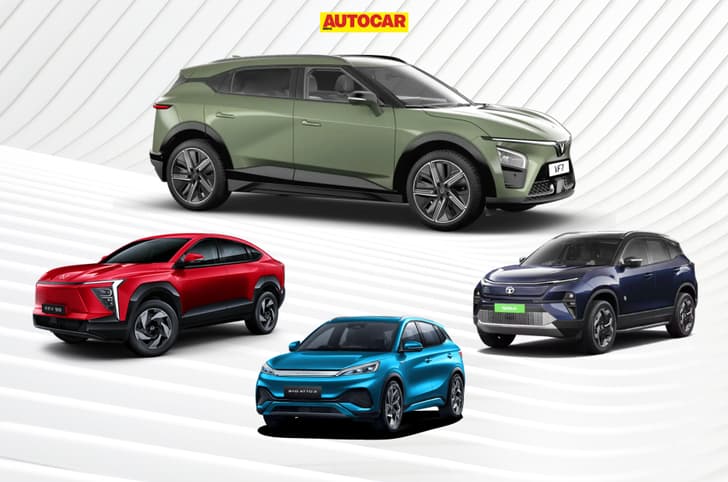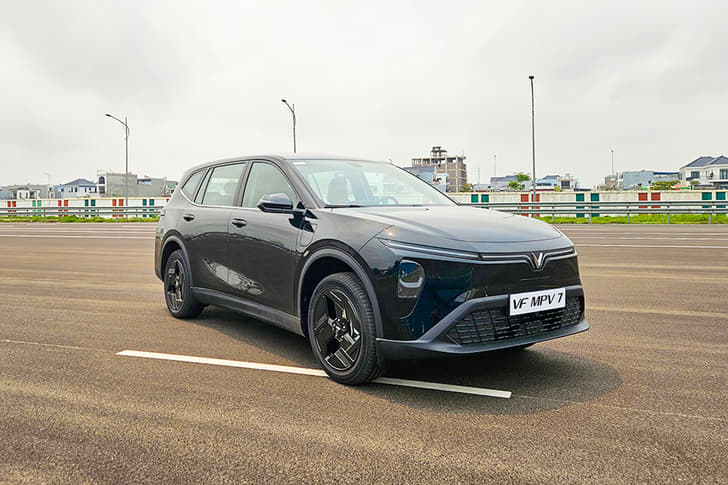

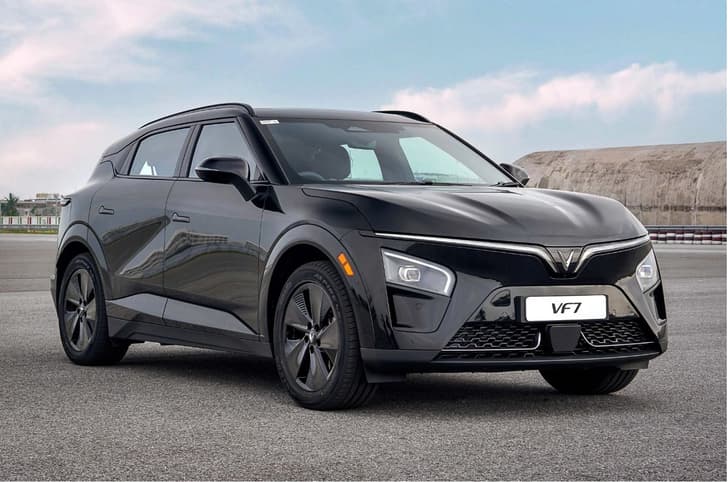
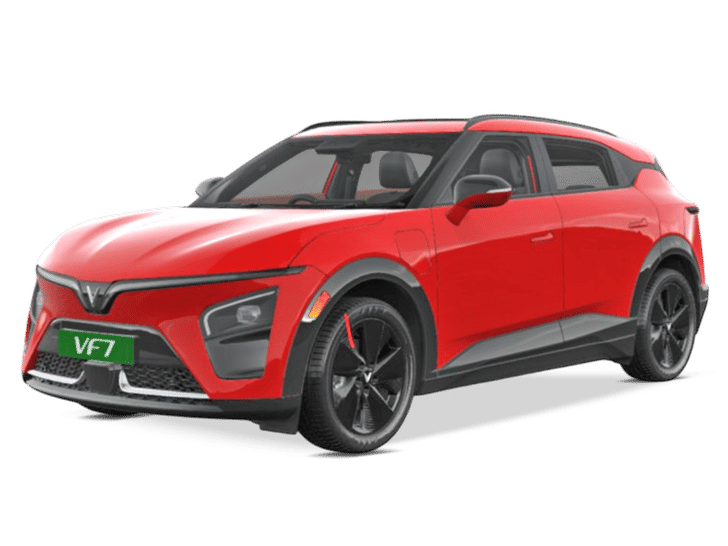
The Vinfast VF7 is currently the Vietnamese carmaker’s flagship product in India. It has been launched with ex-showroom prices ranging between Rs 20.89 lakh and Rs 25.49 lakh. The born-electric crossover is available in both front-wheel-drive and all-wheel-drive configurations, has an ARAI-claimed range of up to 532km and is positioned to rival the likes of the Tata Harrier EV and Mahindra XEV 9e in our market. Here are three reasons why you should consider buying the VF7 and two reasons why you can avoid it. First, the positives.
Performance
The VF7 is available with three powertrain options. There’s a 59.6kWh FWD variant that produces 177hp and 250Nm. Then, there are the versions with the 70.8kWh battery pack, producing 204hp and 310Nm in the FWD setup and 350hp and 500Nm in the dual-motor configuration.
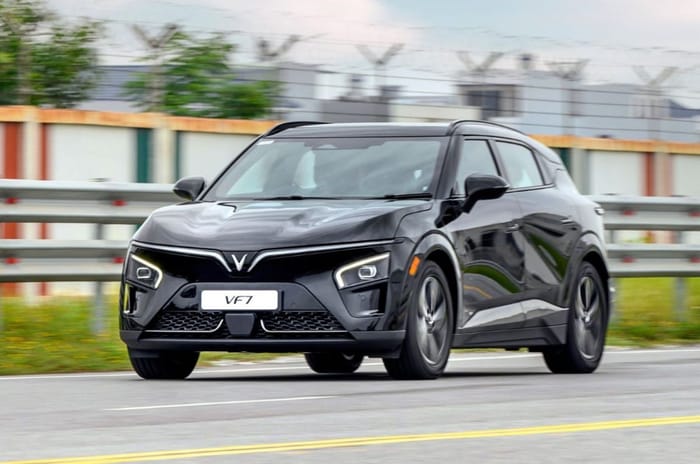
In its top-spec AWD configuration, the VF7 is more powerful than both the Harrier EV and the XEV 9e. We’ve sampled the AWD variant, and it feels genuinely fast. 0-100kph is dispatched in just 5.8 seconds (claimed), and it even spins up its wheels under hard acceleration from low speeds. The ferocity of the power delivery starts to taper off close to about 120kph, but it will hold those speeds with ease. What’s nice is that it also feels civilised and manageable at low speeds, making it suitable for city driving too.
Packed with features
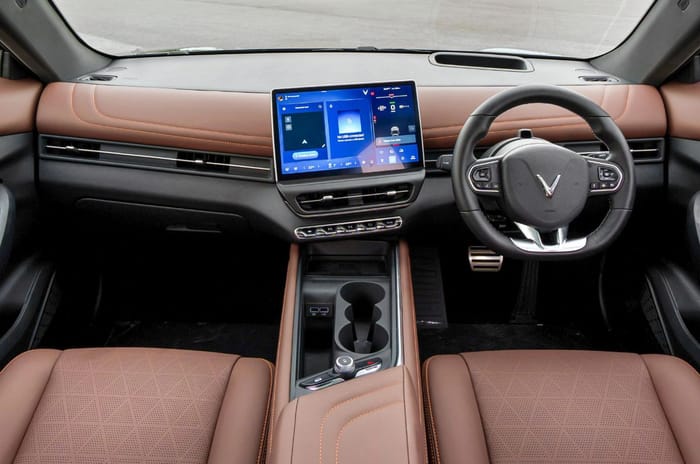
The Vinfast VF7 is a thoroughly well-equipped car. The top Sky model comes equipped with features like Level 2 ADAS, a powered tailgate, ventilated front seats, a powered driver’s seat and a panoramic glass roof. But what’s nice is that even the base Earth trim comes quite well-equipped. It gets a 12.9-inch touchscreen, wireless Android Auto and Apple CarPlay, a head-up display, dual-zone climate control, vegan leather upholstery, drive and regen modes, a 360-degree camera, 19-inch alloys, rain-sensing wipers, 7 airbags, an electronic parking brake, hill start assist and a tyre-pressure monitoring system (TPMS).
Rear seat space and comfort
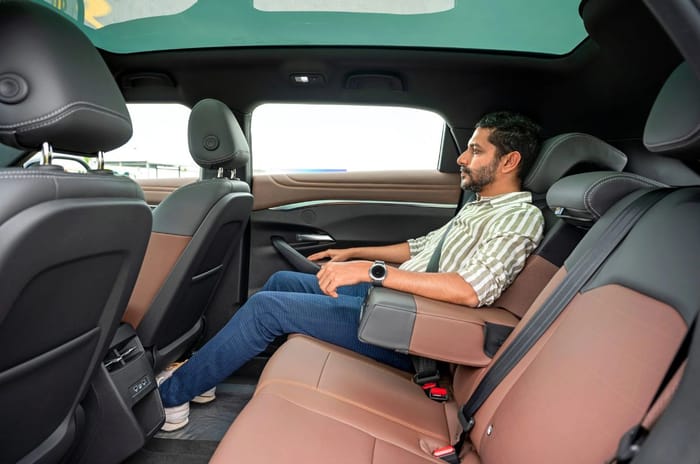
The VF7 will be a great choice if you’re going to be chauffeur-driven because the legroom as well as the headroom are vast. The underfloor battery renders a slight knees-up seating position, but you don’t feel it as much when you’re stretched out. The rear seats also get a generous recline function, and combined with soft and supportive cushioning, they offer a very comfortable experience. Furthermore, the sense of space is greatly enhanced by the huge fixed glass roof that stretches from edge to edge. The car also gets a cavernous boot with 537 litres of space.
And now a couple of reasons why you could avoid the VF7:
What community is saying on the VF7?
Unintuitive interior controls
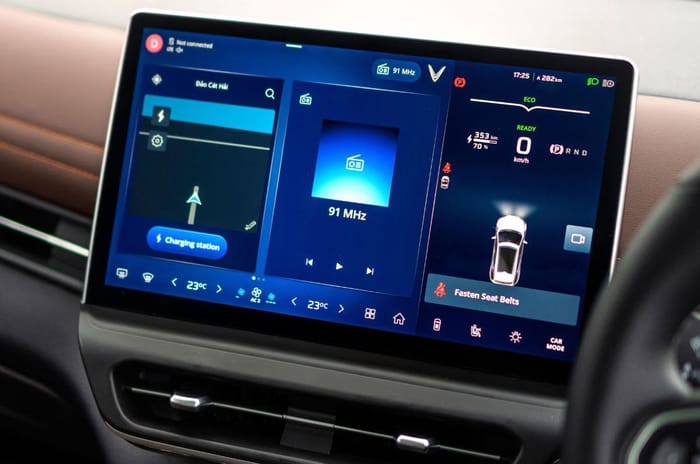
Like most new cars these days, the VF7 heavily relies on a touchscreen-based user interface. There are a few physical buttons on the centre console and steering wheel, but major functions, including AC controls, regen modes and even headlight and mirror adjustments, are baked into the screen. What makes matters worse is the small size of the icons and graphics, making it more difficult to use on the move. There’s also no traditional instrument cluster, but driver essentials like speed, range, state of charge and safety warnings are displayed in the top right corner of the touchscreen. The VF7 does get a head-up display as standard, but the absence of a driver’s display takes some time getting used to.
Limited dealer and service network
Vinfast is a fresh entrant in the Indian market, and as such, its dealer and after-sales network will be limited at the moment. Additionally, there’s also the matter of confidence in a brand, which takes some time to establish. The company plans to steadily expand its dealer footprint and establish a robust charging infrastructure, but it will certainly take time. In that regard, well-established brands like Maruti, Tata and Mahindra will give you better peace of mind with the ownership of your vehicle.

 Uday Singh
 Glenn Noronha
 Dipan Sur