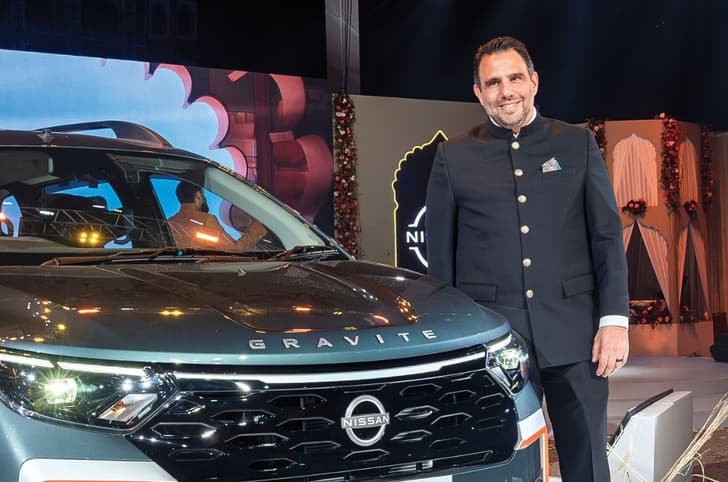
Nissan India has had a quiet few years. What’s the plan going ahead?
The company put out a new global turn-around strategy ‘Re:Nissan’ last year, which outlines our priorities; India is clearly one of them. And it’s India for India, and India for exports. So, as you know, for India, we have already announced a very aggressive three-new-product offensive this year. And we really want to get our fair share of the market. We want to enhance our network and will take it from 170 to 250 contact points this year, and hence we are really confident about India.
How does the exit from the manufacturing venture in India fit in with this plan?
Part of our new plan is all about agility, being able to move quick because that’s what we need now. So, it’s really important to know that, today, we have a really independent product planning organisation. And when we look at products, we see how we can bring in the Nissan DNA as that’s really what matters. So we will use this agility and independence to deliver products on time, with the Nissan quality and DNA of course.
What’s the plan with exports? Will this reduce now without the manufacturing JV?
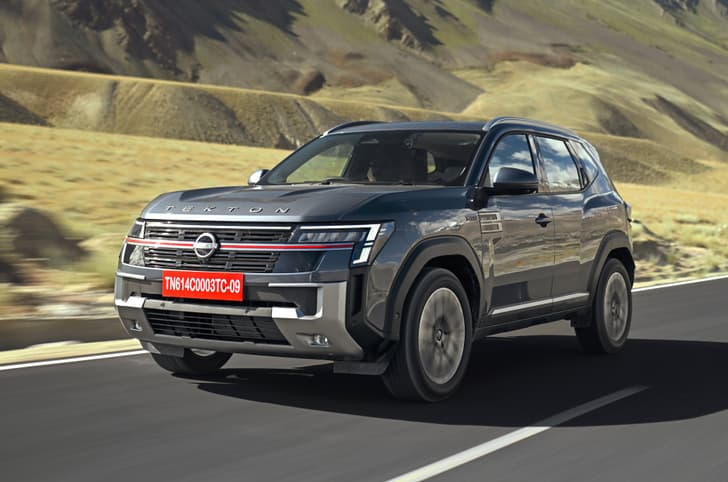
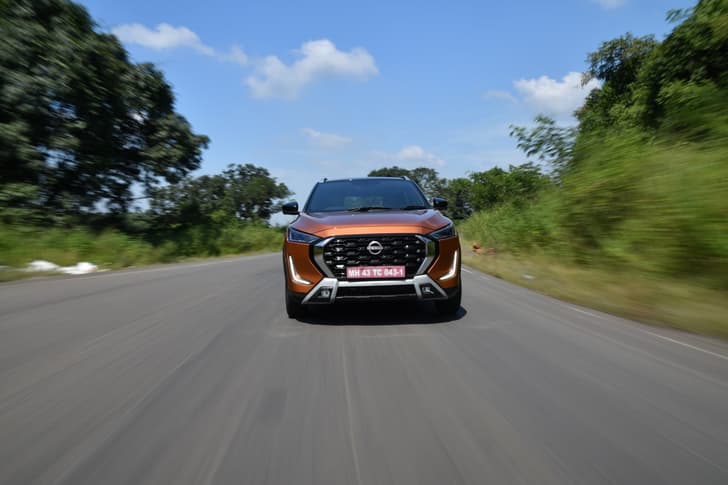
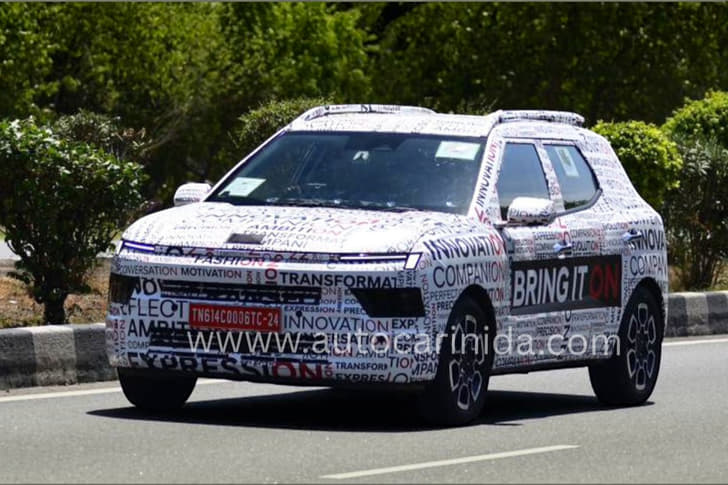
No, not at all. Our exports are higher than ever. The Nissan Sunny is still being made and exported to the Middle East, we have the Magnite, which goes beyond the Middle East, and then, when we have the Tekton that will come to India later this year, that too will be exported as it’s not just a product for India. So, with these platform products, India, in essence, is the hub for the world. So, as I was saying, we have India for India and India for the world, and we believe that this will be a very strong formula for success.
Why not a different top hat for the Gravite? Like you do with the Magnite and Kiger.
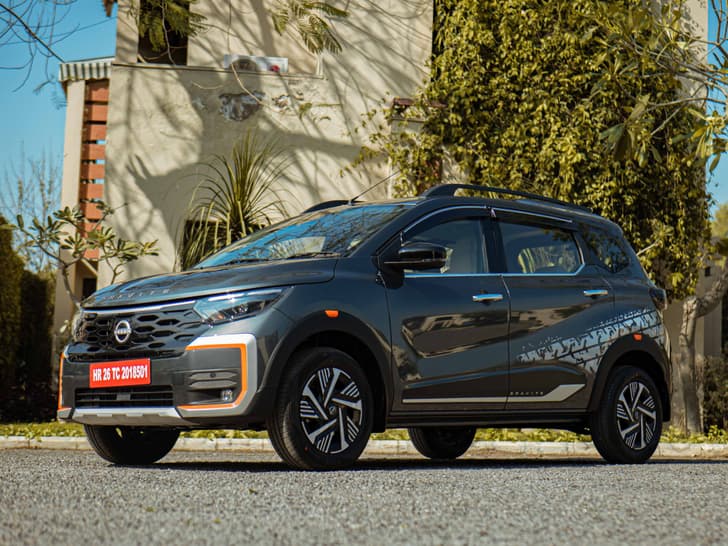
If you look at the Gravite, it’s quite differentiated, with unique design cues both inside and out. Plus, there are so many different and unique services and offers that we have tailor-made to go along with it. So, it’s really about the entire ownership experience. Going forward, we’ll keep evaluating what kind of approach each product needs and would make that happen.
The Gravite price undercuts its sibling. For how long would this be the case?
For us, this year is the resurgence of Nissan in India, and it’s a very important year for us. We are very excited, and there are three new products to come. So yes, this is a very strong price that we want to launch with to really get things going. Of course, it’s for a limited time, but it’s not just the price. There are some very special packages for early adopters, so I think now is really the time to get a new Nissan Gravite.
Would the Tekton also have a very aggressive starting price when it does arrive.
We want to be relevant, but relevance is not just about the product or price or anything singular, it’s
about the whole market equation. And as you have seen with the Gravite, we have done that. So, we will do the same with the new products and follow the same strategy going ahead.
With the X-Trail not really finding its feet here as CBUs, is the Patrol ruled out?
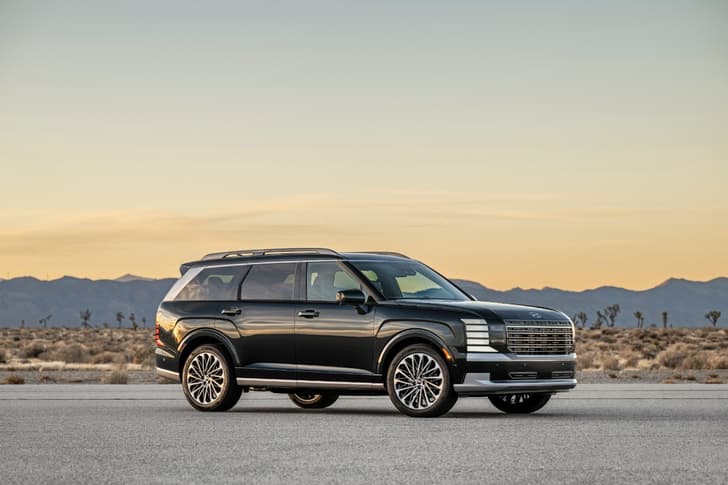
We are definitely not moving away from CBUs, but we want to make sure we have the right momentum in place first. Success starts with clarity, and we need to be clear about our strategy and then execute. So, with us planning for our new chapter and with the execution beginning well, I am confident we have a strong foot to build on and are looking at all options. Coming to your question on the Patrol, as you know, I also manage the Middle East, and the Patrol is the flagship product and an icon there. So, all I can say is that making it a global product is definitely an ambition we’re looking at.

 Uday Singh
 Glenn Noronha
 Dipan Sur