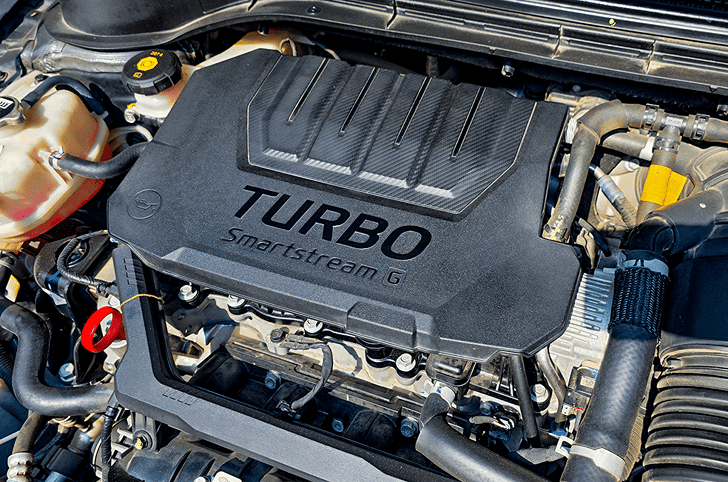
Turbocharged engines have become fairly ubiquitous in mass-market cars and are usually favoured for being more punchy and fun-to-drive than similarly sized naturally aspirated engines. They also allow carmakers to extract more power from smaller engines, thereby reducing emissions. All current diesel-powered passenger cars are turbocharged, while petrol engines are still offered in naturally aspirated and forced-induction avatars. While there are a lot of upsides to turbo engines, they also warrant more care on account of their extra hardware and higher-strung operating conditions. Here’s all you need to do to ensure your turbo engine is running in an optimal state.
How does a turbocharged engine work?
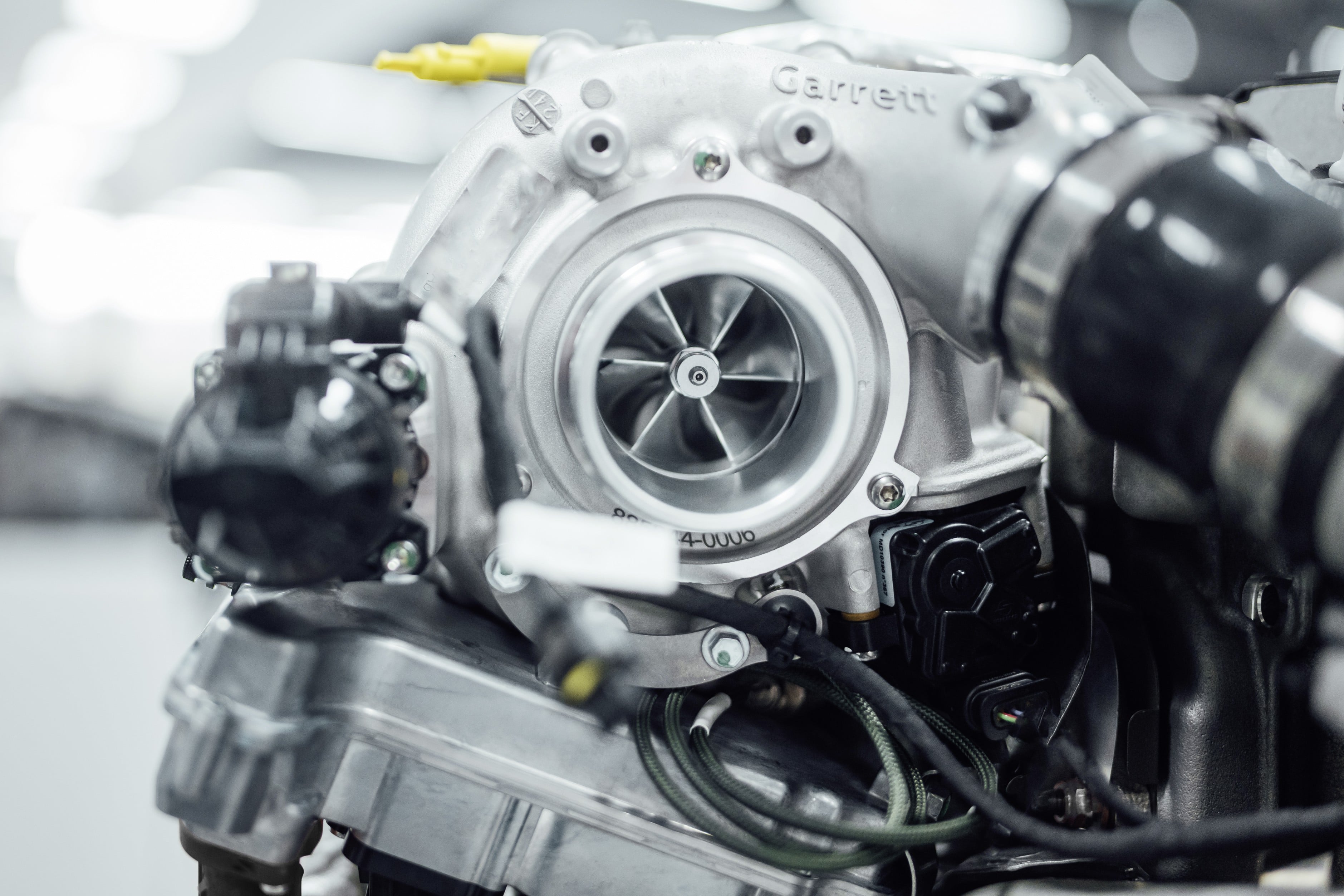
A turbocharged engine features a turbocharger, which houses a turbine connected to an impeller via a shaft. Once the engine starts running, its exhaust gases are routed to the turbocharger, spinning the turbine and impeller. The extreme rotational speeds (up to 250,000rpm) pull in pressurised air through the impeller side of the turbocharger.
Pressurised air contains more oxygen molecules, which aids in-cylinder combustion, but it also has significantly more intermolecular collisions, making it much hotter than ambient air. That’s where the intercooler comes in – pressurised air is channelled through the intercooler to reduce the temperature by exchanging heat with passing air or a coolant circuit. The cooled-down pressurised air is then fed to the engine’s cylinders via the intake.
The fuel-injection system of a turbo engine also makes a difference. Turbo engines can be equipped with either multi-point fuel injection (MPFI) or direct injection. MPFI turbo engines feature fuel injectors that spray fuel into the intake manifold, near each cylinder’s intake valves. Meanwhile, the injectors in direct-injection turbo engines spray fuel directly into the cylinder. Both have their pros and cons, but they also have different maintenance requirements. More on this later.
Stick to the specified engine oil and service intervals
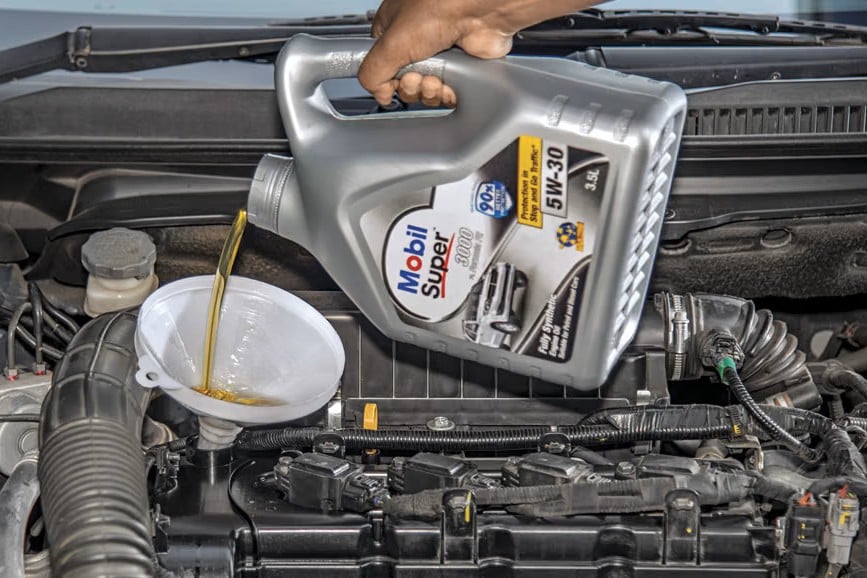
Engine oil is particularly important in a turbo engine because it lubricates the turbocharger’s bearings and helps manage the heat generated during operation. Using the wrong oil grade or allowing the oil to become excessively contaminated can accelerate wear and potentially damage the turbocharger. Always use engine oil that meets the manufacturer’s recommended viscosity and specifications. Avoid extending oil-change intervals simply because the engine appears to be running normally.
Frequent short trips, prolonged idling, heavy traffic and dusty driving conditions can qualify as severe use, potentially requiring more frequent servicing. Check the oil level periodically and watch out for unexplained drops. Low oil levels, leaks or oil-pressure warnings should never be ignored, as inadequate lubrication can cause serious engine and turbocharger damage.
Let the engine warm up before driving hard
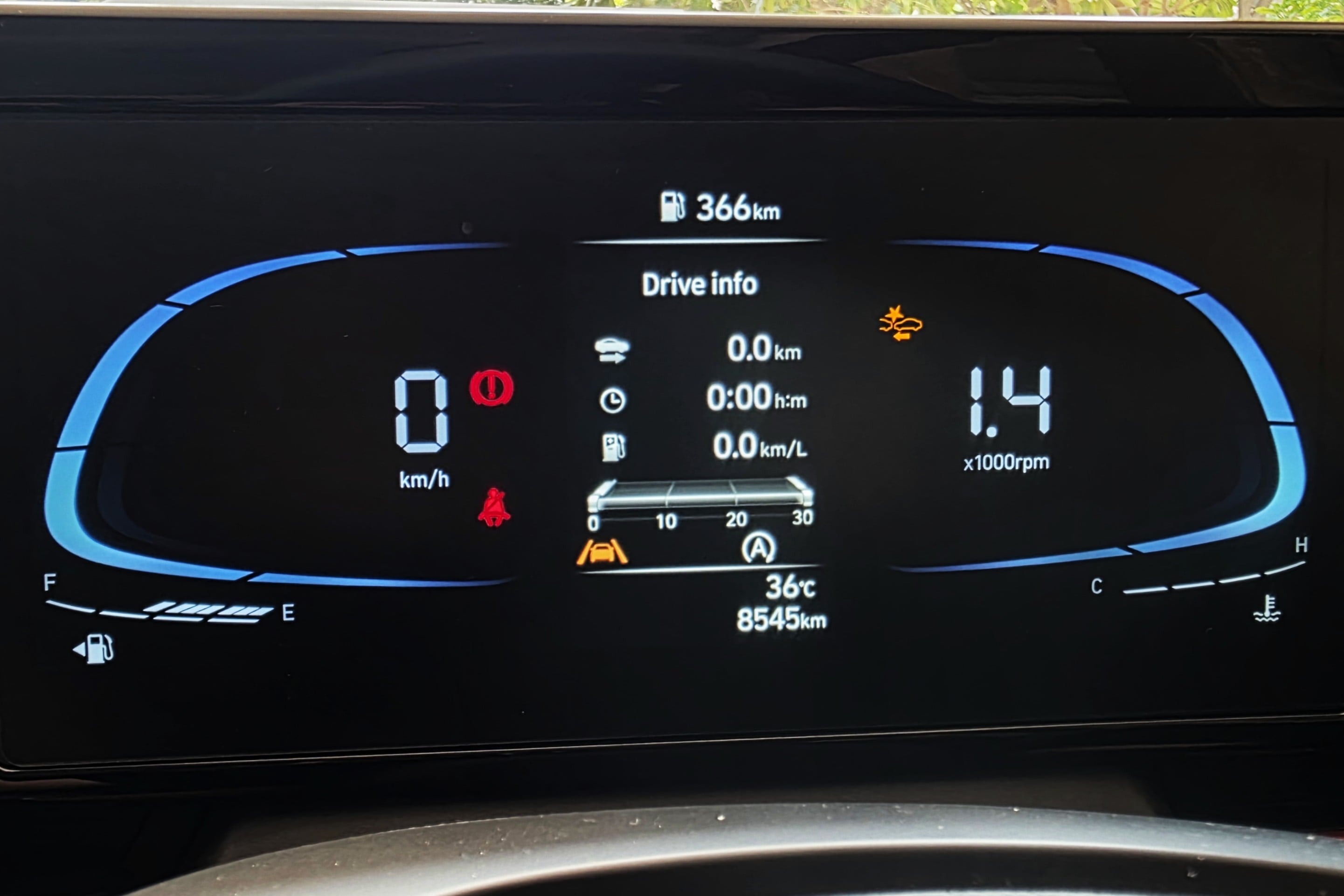
As noted previously, a turbocharger spins at extremely high speeds, so it needs an adequate supply of clean oil for lubrication. When cold-starting your engine, give it a minute or two to let the oil circulate before setting off. If you’re in a hurry and need to start driving, drive gently (try to keep revs under 3,000rpm) for a few minutes and avoid hard acceleration.
Allow the turbocharger to cool after hard driving
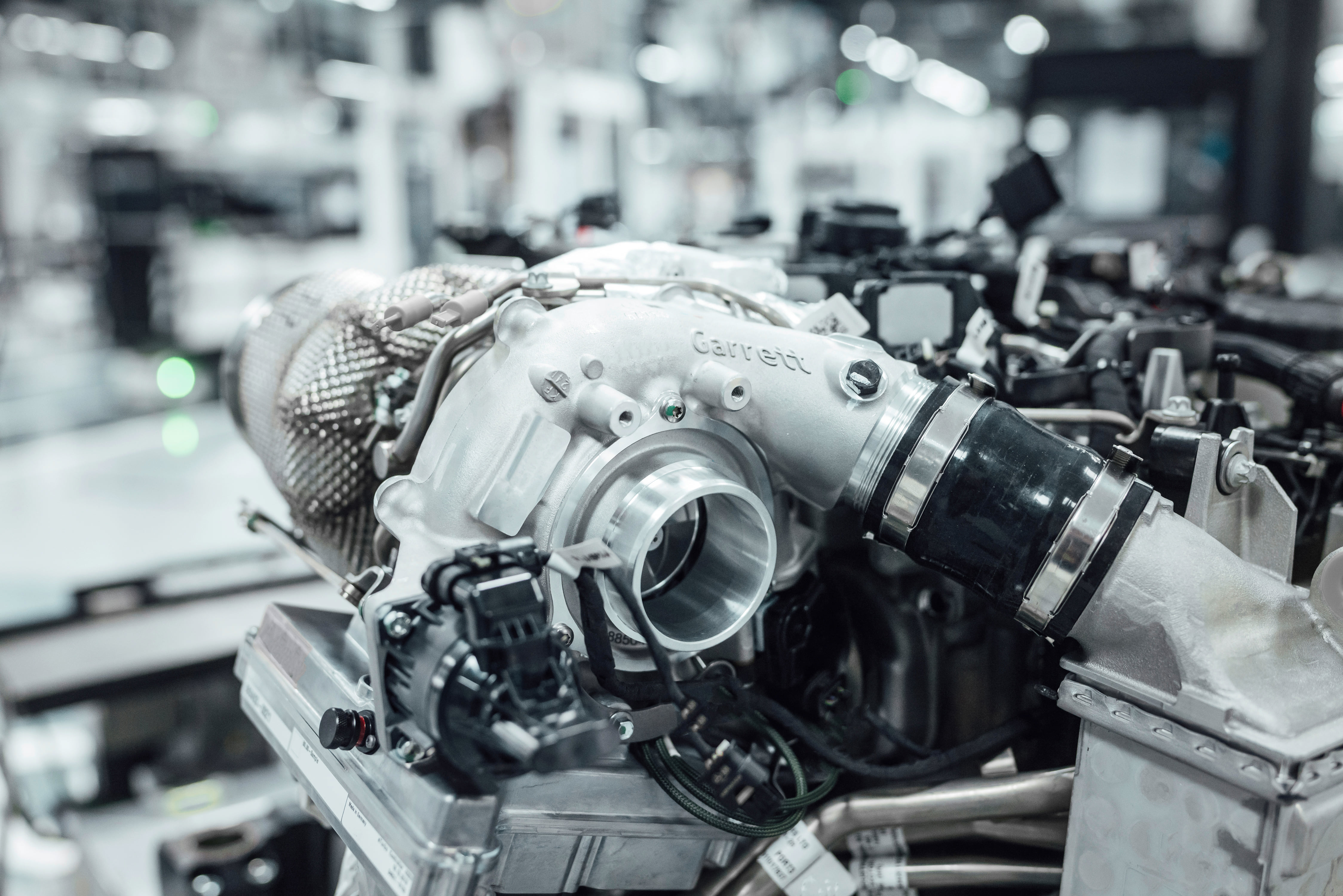
After sustained high-speed driving, climbing steep inclines or a spirited zip through a mountain pass, the turbocharger can become extremely hot. Switching off the engine immediately after such use interrupts oil circulation for the turbocharger, potentially contributing to oil degradation and carbon deposits. This is especially relevant during the summer, when high ambient temperatures and heavy traffic can increase the thermal load on the engine.
Where possible, finish a demanding drive with a few minutes of gentle driving to reduce the turbocharger’s temperature before parking. Extended idling is not routinely necessary for every modern turbocharged car, as some of them have cooling systems designed to manage heat after shutdown.
Keep the air filter clean
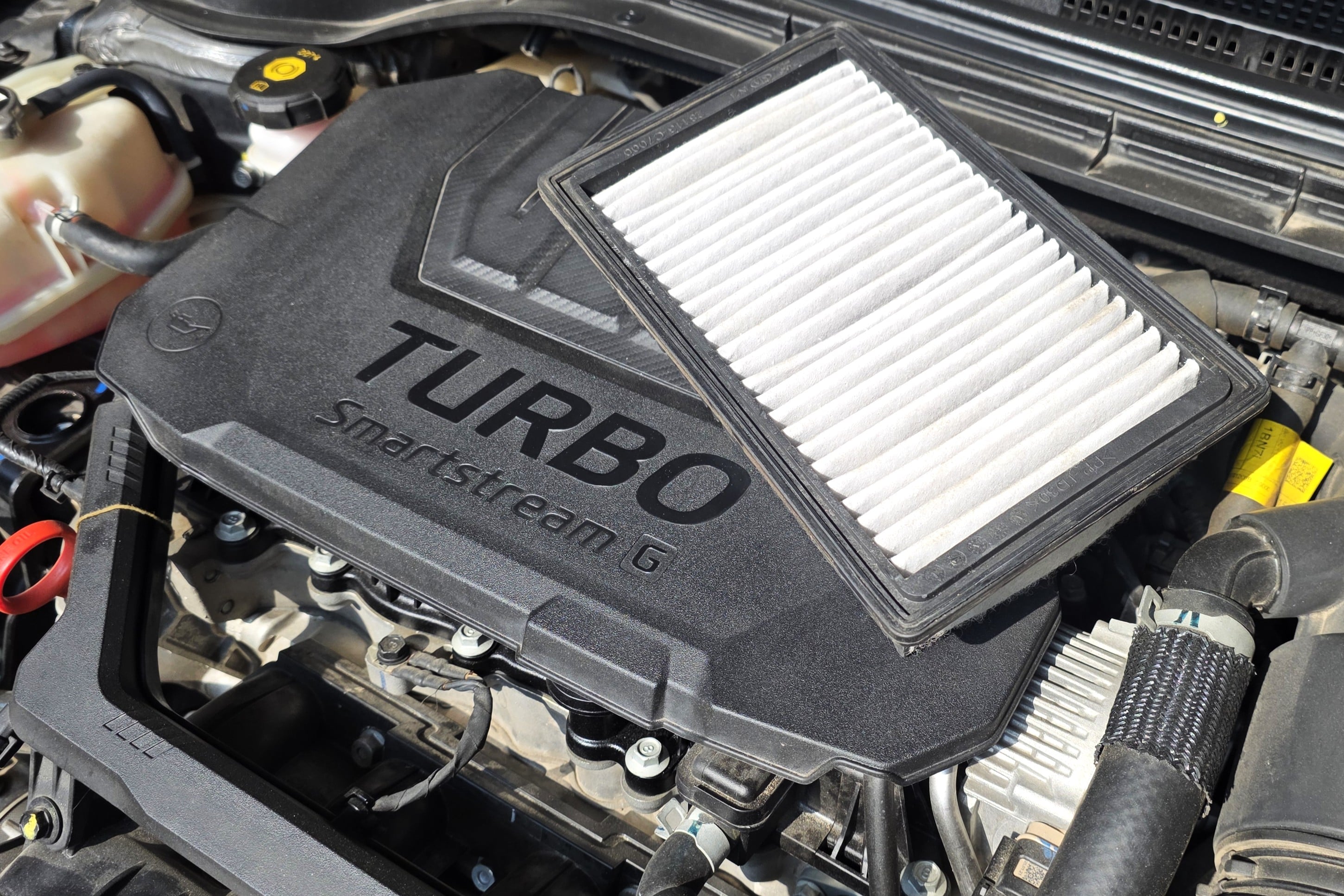
Since the turbocharger draws in and compresses air before sending it into the engine, dust and other abrasive particles entering through a dirty or poorly maintained air filter can damage the turbo’s components. Indian roads and weather conditions particularly expose cars to a lot of dust, so make sure to inspect and clean the air filter at the recommended intervals in the owner’s manual. Check the air filter more frequently if your car regularly operates in dusty conditions, and replace it when required.
Avoid poor-quality petrol

Fuel quality affects a lot in your engine – in-cylinder combustion, engine performance and long-term reliability. Turbo-petrol engines especially operate under very high-pressure and high-temperature conditions, making them particularly sensitive to low-quality fuel. Therefore, use fuel that meets the manufacturer’s minimum octane requirement and refuel at reputable outlets – it’s worth noting that not every turbocharged car requires premium fuel, so it’s best to follow the grade specified in the owner’s manual.
India’s blanket transition to E20 petrol in recent years is a pertinent point here, as a lot of turbocharged cars on the road are not designed for blends beyond E10. Regular running with E20 is not expected to throw up major issues in E10-compliant turbo-petrol cars – expect fuel efficiency to drop, though. Still, if you’d prefer to stick to the specified ethanol blend for your car, you can opt for a 50/50 blend of E20 and 100-octane ethanol-free premium petrol (XP100, Power100 and Speed100). However, expect to pay considerably more every time you refuel.
Maintenance for MPFI and direct-injection turbo engines
MPFI turbo engines are easier to maintain as the passing fuel can help reduce carbon deposits on the backs of the valves, though it does not eliminate all intake-system contamination. Injectors, spark plugs, the throttle body and the air filter still require appropriate inspection and maintenance.
Coming to direct-injection turbo engines, since petrol doesn’t wash over the backs of the intake valves, carbon deposits are very likely to accumulate there over time. Depending on the engine design and driving conditions, these carbon deposits can contribute to rough idling, hesitation, reduced performance or misfires.
Don’t neglect warning signs and maintenance
A turbo engine can develop problems that initially seem minor but become expensive if left unattended. Always be wary of a persistent loss of power, unusual whining or scraping noises, excessive exhaust smoke, unexplained oil consumption, rough idling or a sudden drop in fuel efficiency.
To sum up, then, maintaining a turbo engine is less about following elaborate rituals and more about preventing avoidable wear. Using the correct engine oil and fuel, maintaining the air-filter system, going easy on a cold engine and following the prescribed service schedule goes a long way towards keeping your turbo engine healthy throughout its life.

 Uday Singh


 Dipan Sur



 Glenn Noronha