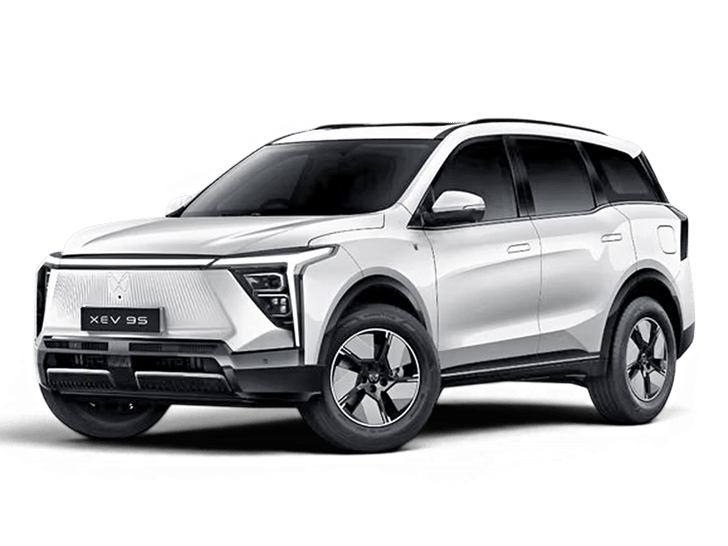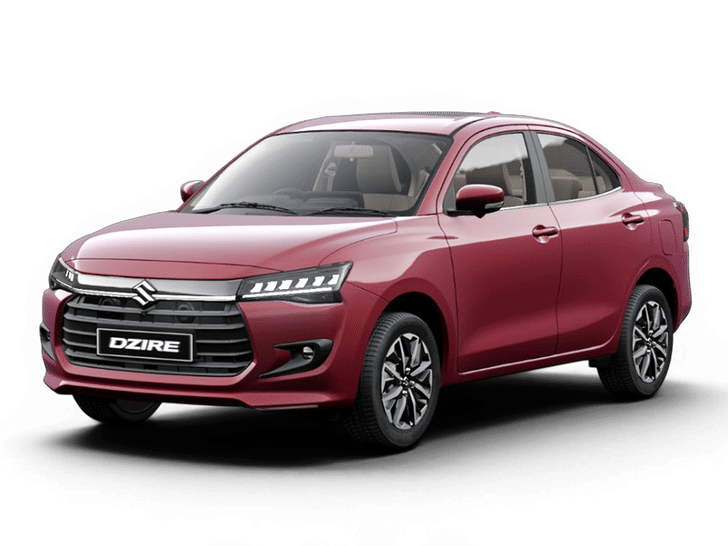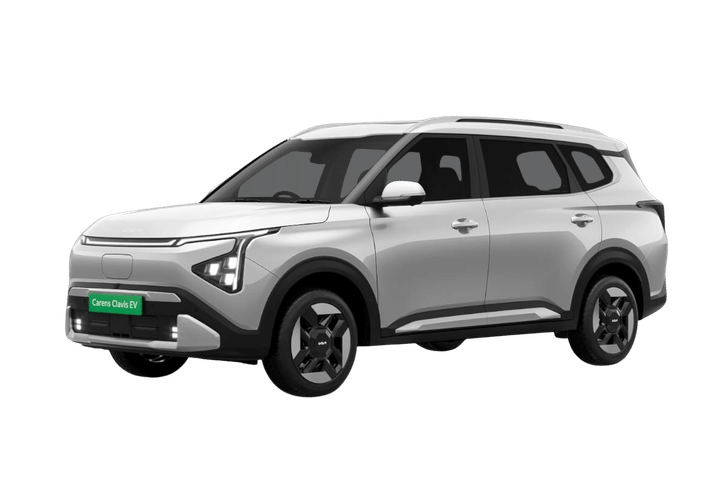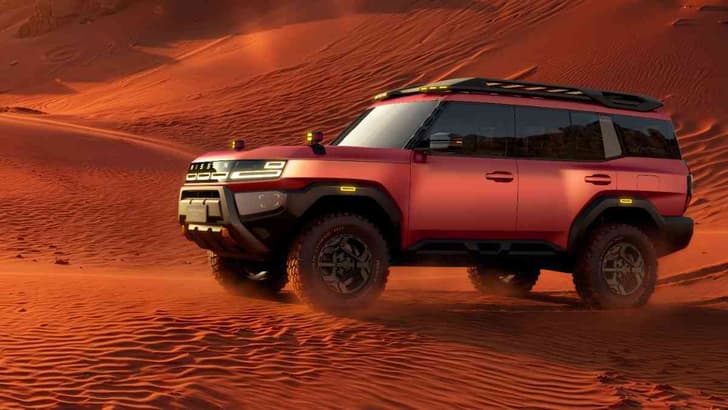



Since the engine and its associated hardware is among the heaviest items in a car’s chassis, its placement shapes almost everything about the car, from interior roominess to driving characteristics. Broadly, an engine can be placed either ahead of the front axle, between the axles, or behind the rear axles. It can also be placed transversely (along the width of the car) or longitudinally (along the length of the car), and different drive layouts like front-wheel drive (FWD), rear-wheel drive (RWD), and all-wheel drive (AWD) make a big difference as well. Below, we’ll break down everything you need to know about the various engine layouts in cars, and how they affect everything around them.
Front-engine layout
Front-engine, FWD (FF)

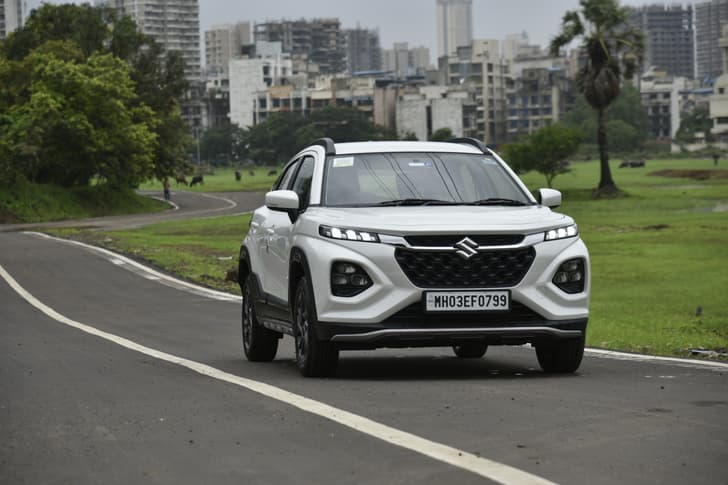
Front-engine is the most common layout in cars by far, particularly with FWD – often abbreviated ‘FF’. In an FF car, the engine sits ahead of the front axle and powers the front wheels through the transmission and front axle. Since no driveshaft runs to the rear wheels, the floor doesn't need a central tunnel and the engine's weight sits over the wheels that pull the car along, which helps traction. The engine is usually laid out transversely in FF cars, which makes for a significantly more compact package than a front-engine, rear-drive (FR) setup and leaves more room for passengers and cargo.
The trade-offs with FF cars is handling, as they carry a lot of weight over the nose, which makes them prone to understeer, particularly with a powerful engine. Sending power through the same wheels that steer can also cause torque steer – a tug at the steering wheel under hard acceleration.
Front-engine, RWD (FR)
FR, on the other hand, was the traditional automobile layout for most of the 20th century and remains the most common arrangement for RWD vehicles, and is also used in trucks, pickup trucks, and buses. The engine usually sits longitudinally, with a driveshaft carrying power back to a differential at the rear axle.
This setup is heavier than an FF layout, and the driveshaft tunnel takes up room in the cabin, but it leaves space for larger engines and produces a more even weight balance between the front and rear axles. Splitting the work also changes how the car feels, since the front wheels only steer while the rear wheels do the pushing. This results in more balanced handling, which is why FR is preferred by enthusiasts.
Mid-engine layout

A mid-engined car puts the engine between the front and rear axles, and when we usually think of such a car, we picture the engine behind the passenger compartment and ahead of the rear axle, like in a Lamborghini Temerario. That's a rear-mid-engined layout, but some cars also place the engine behind the front axle and ahead of the passenger compartment, like the Aston Martin DB12. Both aim for balance – the heavy engine is near the centre of the car, so weight is spread more evenly, giving the front and rear tyres balanced traction. The cost is space and access, since the engine takes up room in the cabin area and is harder to work on.

For rear-mid-engined cars, longitudinal engine mounting is favoured, while transverse mounting shows up in some compact sports cars because it saves space. The 1966 Lamborghini Miura, the first high-performance mid-engine road car, used a transverse V12. Some supercars, such as the Audi R8, add front drive for extra traction. Meanwhile, front-mid-engined cars send power to the rear wheels via a driveshaft, so a longitudinal layout is preferred to align the crankshaft with it.
Rear-engine layout

A rear-engine car puts the engine behind the rear axle, almost always driving the rear wheels (the 911 Turbo is one of the best-known examples of a rear-engined AWD car). This layout produced some of the best-known cars of the 20th century, including the Volkswagen Beetle, Porsche 356, and Porsche 911. The 911 is the torchbearer of the rear-engine layout to this day. Rear-engined cars have no transmission tunnel, so the floor can be flat and the engine's weight over the driven wheels gives strong rear traction, which helps on dirt and snow.
The drawback is handling, at least theoretically. With a lot of weight hanging over the rear wheel, rear-engined cars are prone to oversteer, and sometimes a sudden snap oversteer that can spin the car. The 930-gen Porsche 911 Turbo was infamously known as the ‘Widowmaker’ because of numerous crashes linked to this handling characteristic. Porsche has refined the 911’s handling over the decades, and today, it offers one of the sharpest driving experiences out there.
Transverse vs longitudinal engine layouts
Engine orientation cuts across every layout. A transverse engine mounts its crankshaft across the car, and a longitudinal engine mounts it lengthwise. Most modern cars are transverse, as the benefits are greater cabin space, lower cost, and good compatibility with front-drive transaxles (a setup combining a transmission, differential, and axle). The downsides are limits on engine size and, in FWD cars, the potential for torque steer.
Longitudinal engines allow larger displacement and a better front-to-rear weight balance, but they use space less efficiently and intrude on the cabin. Transverse V8s exist but are rare, and engines with more than eight cylinders are often longitudinal. Mid- and rear-engine cars generally use longitudinal engines too, though some small cars mount theirs sideways behind the passengers.

 Uday Singh
 Suraj Viswanathan
 Dipan Sur