Carmakers list out plenty of dos and don’ts in an owner’s manual, including some for the engine. One of them covers whether you need to warm up this vital component before setting off. Whether the engine be petrol-, diesel- or CNG-fuelled, here’s some clarity based on what the manufacturer recommends.
Why did older cars need a long warm-up?
Older cars with carburettors required a longer idle time after a cold start because the carburettor couldn't get the air-fuel mixture right initially. This meant that the engine would run rough till it had enough time to warm up. The introduction of fuel injection solved this problem, which is why modern cars don't need a long warm-up.
Recommendations for petrol and diesel engines
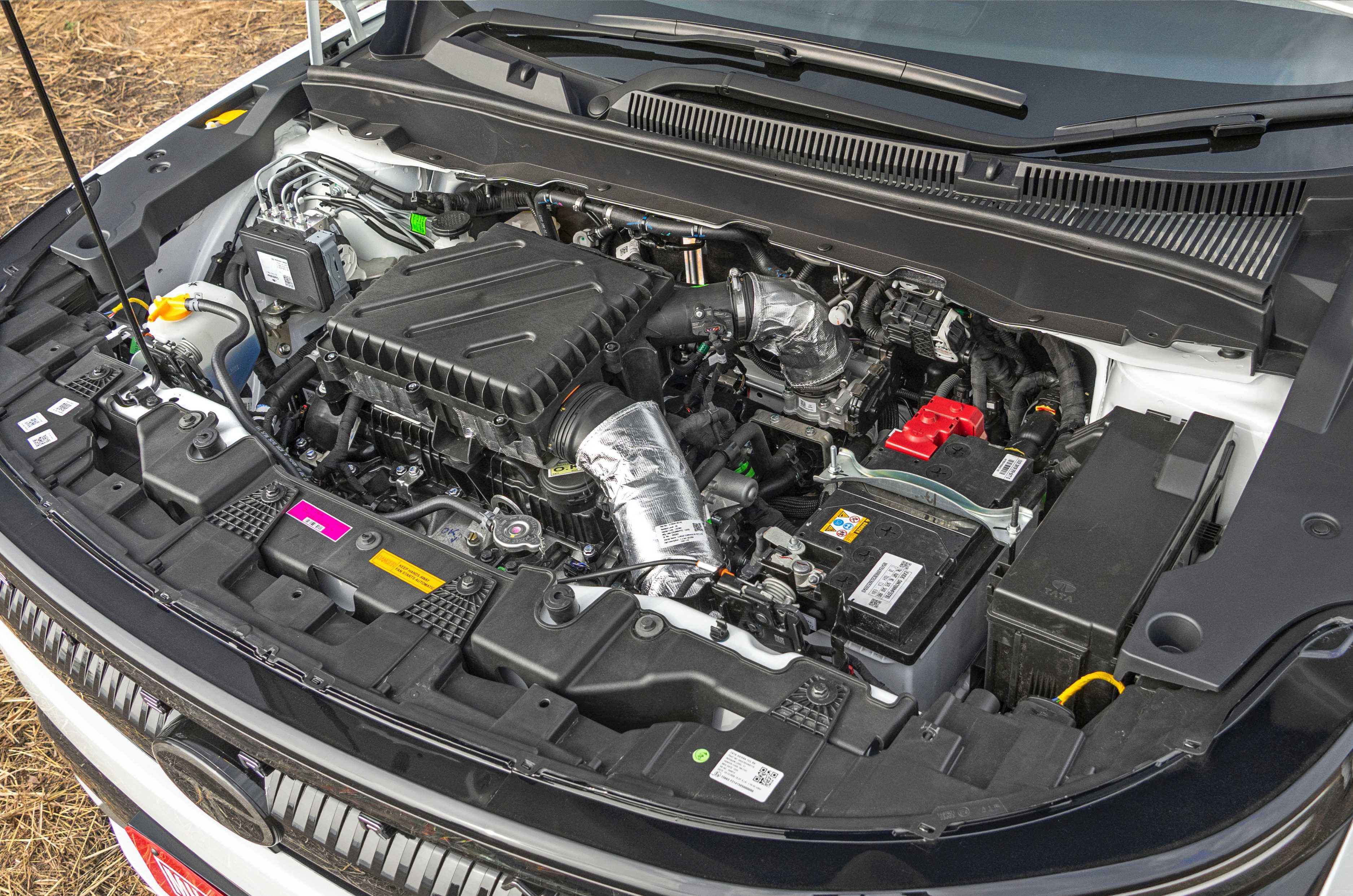
When a car is parked for a long enough time, oil drains down to the bottom of the engine. Upon starting the engine, a pump sends this oil back to the moving parts of the engine, usually within 30 seconds or so. The engine’s idle speed is also higher when it’s cold to help it warm up, dropping to a lower RPM once it has.
For petrol engines, owner’s manuals advise against waiting for the engine to warm up while the car is standing still. A few seconds of idling is all they ask for before you start driving. After that, manufacturers recommend driving at moderate speeds to allow the engine to warm up gradually.

Diesel engines use glow plugs, especially when it's cold, to pre-heat before starting. When you turn the ignition on, a ‘glow plug’ indicator comes on in the instrument cluster. Manufacturers recommend waiting till this light goes off before cranking the engine. What happens next varies from brand to brand. Some recommend warming up a cold diesel engine before driving off, especially in winter, while others have no such recommendations.
Extra precautions for turbocharged engines
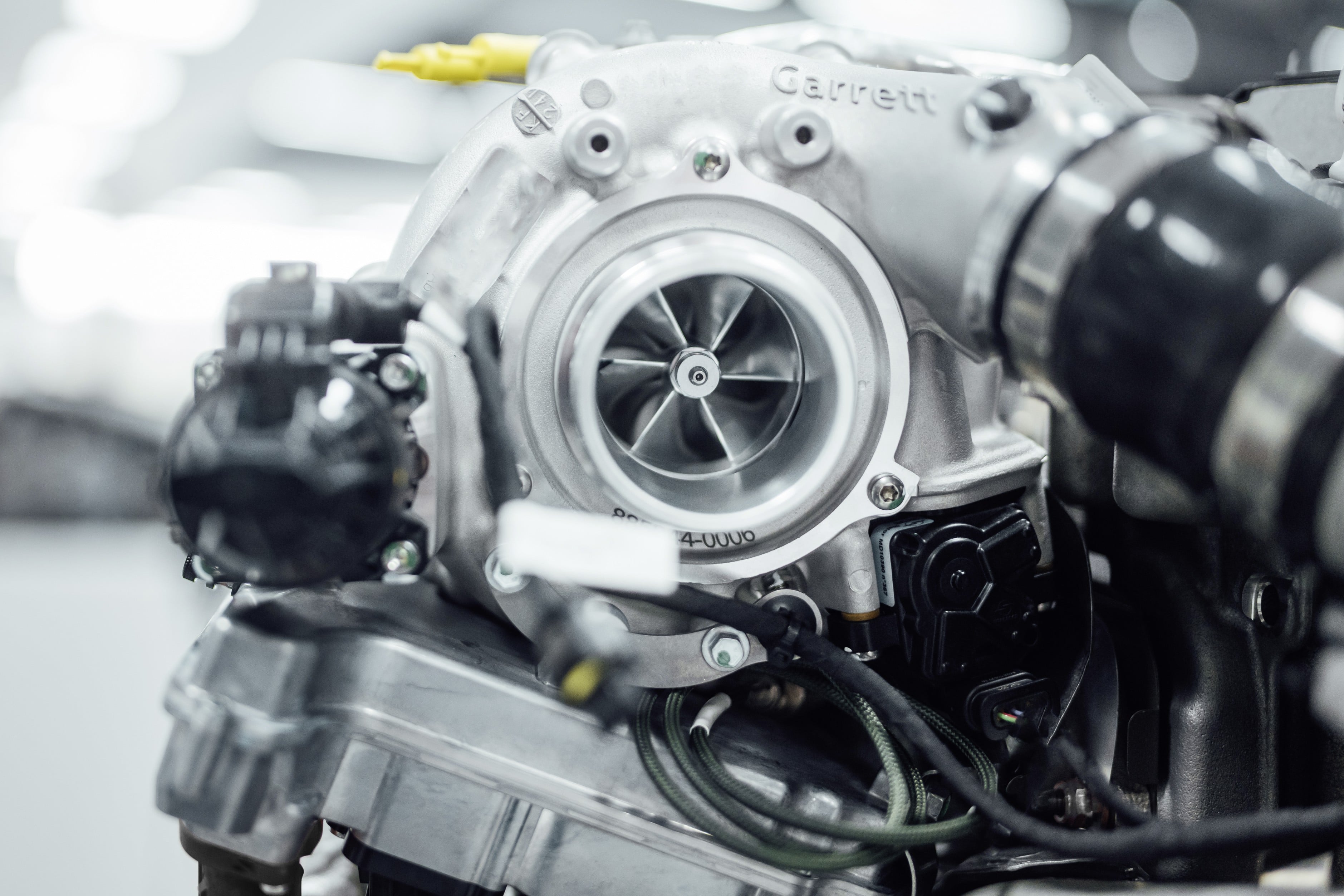
Turbocharged engines, whether petrol or diesel, need a few extra precautions. Since turbochargers rely on engine oil for lubrication, owner’s manuals recommend that drivers wait a short while before setting off, especially after a cold start. Depending on the car, the wait time can be about 30 seconds.
The turbocharger also needs time to cool down before you switch the engine off, even more so after a high-speed run or hard throttle inputs. Manufacturers recommend letting the engine idle for the time specified in the owner’s manual before turning it off. Depending on the type of car, this can range from a few seconds to about a minute. Switching the engine off immediately after it has been under heavy load may damage the turbocharger.
Engines running on CNG
Some factory-fitted CNG cars start on petrol and switch to CNG automatically once the engine has warmed up. However, some models can start directly on CNG, but will use petrol instead if certain conditions aren’t met. This is one of the reasons why owner’s manuals recommend having enough petrol in the tank. In case of sub-zero ambient temperatures, the engine may not switch to CNG at all. If this happens, owner’s manuals recommend running the engine purely on petrol until it warms up.
Don't rev a cold engine
An owner's manual will also tell you not to rev the engine right after starting it and while it's warming up. Drivers should avoid wide-open throttle applications and hard accelerations until the engine has reached its normal operating-temperature range.

 Uday Singh


 Dipan Sur