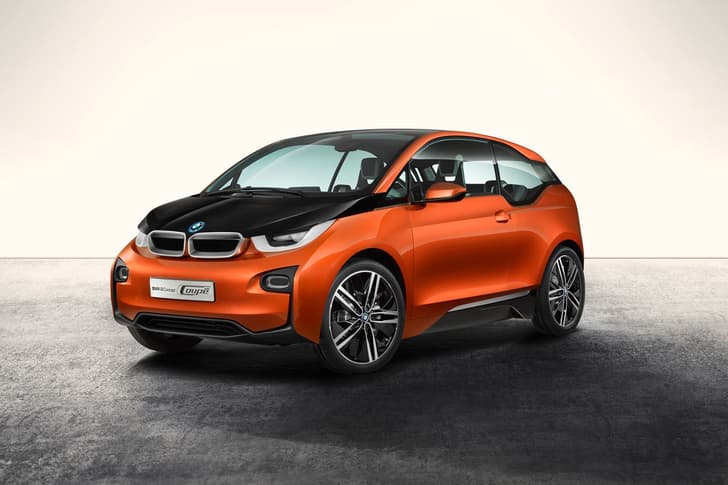
The latest carbonfibre technology is essential to the first two models in BMW’s i-series, which go on sale at the end of this year. Extensive use of the lightweight material in the range-extended, hybrid and electric models is needed for BMW to hit its CO2 targets. But without addressing its high production costs, it can’t build the cars profitably.
There are many benefits of carbonfibre, once the problems of its mass production have been overcome. The key issue is obtaining a consistent weave to ensure consistent strength, which makes it extremely durable. It is half the density of aluminium and 30 percent lighter, it can absorb high levels of energy in a crash and is resistant to corrosion, acids and solvents. It could even be possible to strip away worn components and build a ‘new’ car around the i3’s carbonfibre frame at the end of the vehicle’s life.
Nevertheless, carbonfibre remains a niche product for niche applications. In 2011, just 40,000 tonnes of it were produced, compared with four billion tonnes of steel and 1.5 billion tonnes of aluminium.
When BMW and carbonfibre specialist SGL announced a joint venture in 2010, it was the final piece in a plan to enable BMW to produce lightweight zero or low-emissions models.
BMW says the deal brings “lightweight competence to the BMW Group”. The factory in Moses Lake, Washington state, is a part of the chain that connects production and development from Japan to the US and on to Germany, and it has the benefit of using cheap, naturally sourced power.
The Moses Lake plant has the capacity to produce 3000 tonnes of carbonfibre per year — about 7.5 percent of global production. If the i project is a success, SGL says it can expand the site six-fold.
The BMW/SGL site is powered by electricity generated from the Wanapum Dam on the Colorado River. Electricity is the biggest cost in carbonfibre production. The cost of sourcing electricity at Wanapum is one-third that in Germany.
The BMW/SGL joint venture claims to be at the forefront of changing the approach to carbonfibre production. The process creates a smoother finish and is estimated to cost around one-third that of traditional carbonfibre production methods.
SGL is also working on deals with other carmakers, and in 2011, Volkswagen purchased an eight percent stake in the company. Long term, chances are that BMW’s i3 and i8 will be seen as carbonfibre pioneers. And as use rises and prices drop, many of us will be driving cars using the material.

 Uday Singh

 Glenn Noronha
 Dipan Sur