


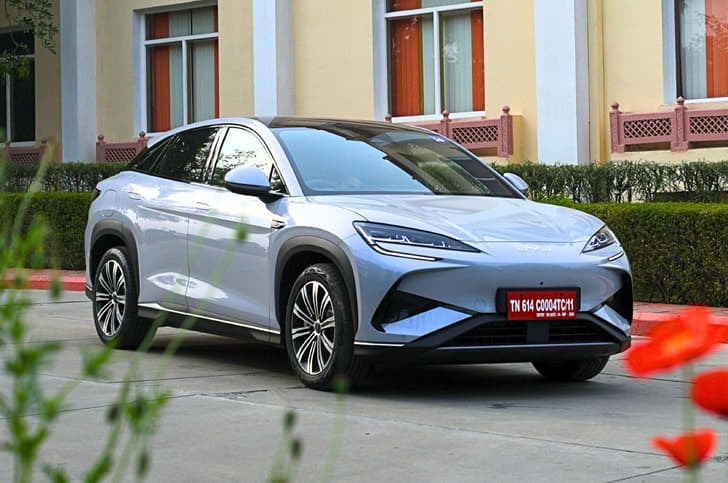
The BYD Sealion 7 is the crossover counterpart to the Seal sedan and is positioned as a premium electric SUV in BYD's India lineup. It is offered with two battery pack options – a 71.8kWh unit and an 82.56kWh unit – with rear-wheel-drive and all-wheel-drive configurations available depending on the variant. Prices range from Rs 41.90 lakh to Rs 55.90 lakh (ex-showroom). While the SUV shares its underpinnings and design cues with the Seal, it has a taller body and more ground clearance. Here are two reasons to consider it and two reasons to look elsewhere.
Reasons to buy
Modern, well-finished and practical cabin
A spacious interior with plenty of tech and comfort features
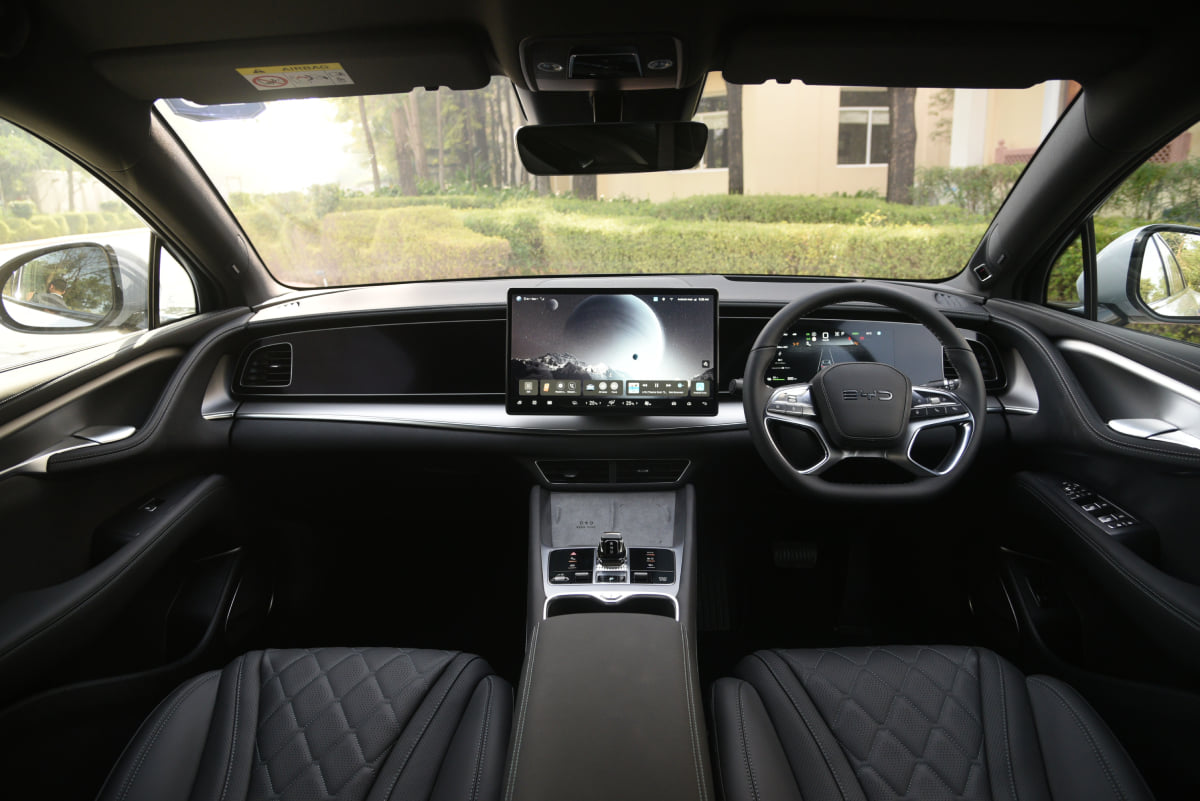
The Sealion 7’s cabin combines a clean, modern design with a high-quality finish. The dashboard and centre console have a conventional layout, while ambient lighting adds some visual interest. Soft-touch materials and tight panel fit give the interior a well-put-together feel, and the equipment list includes a large touchscreen, powered and ventilated front seats and a 12-speaker Dynaudio sound system.
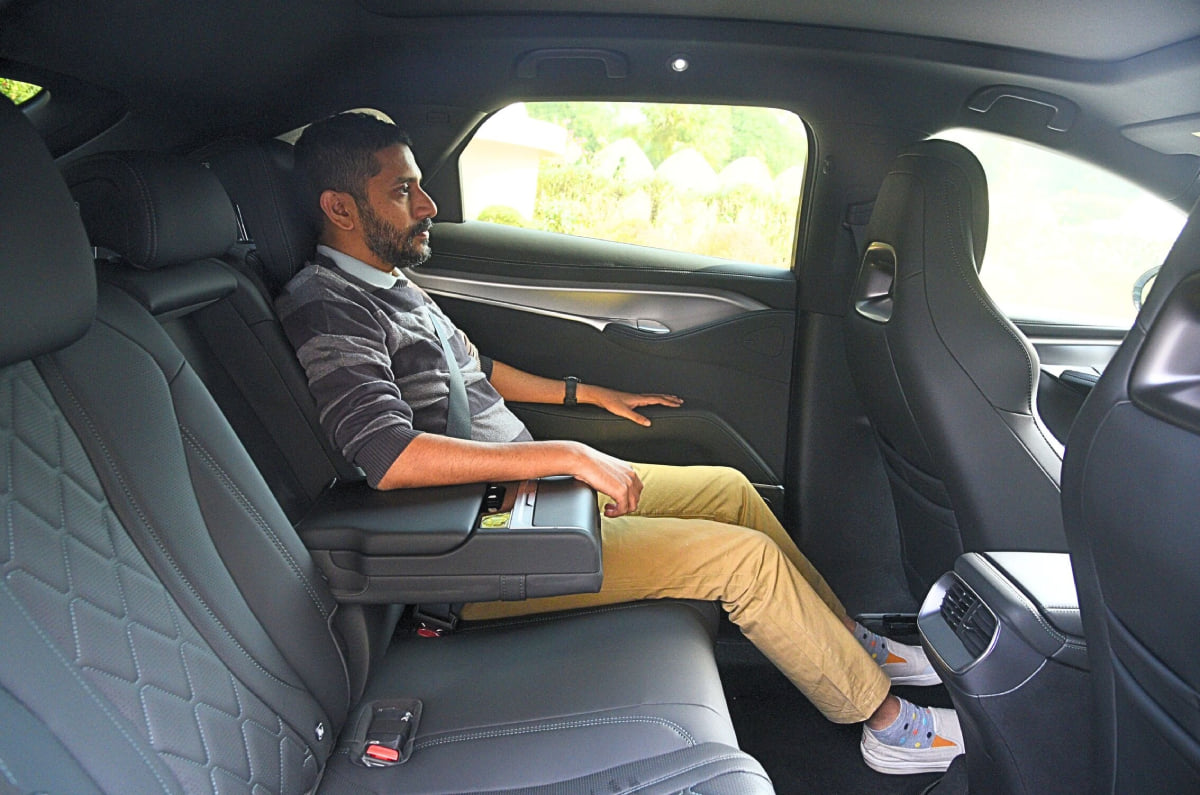
There is also plenty of space for rear passengers, particularly legroom, thanks to the 2,930mm wheelbase. The rear seats are well-cushioned and offer significant recline adjustment, while the large glass roof, paired with a powered roller blind, adds to the airy feel of the cabin. Manual AC vents are another practical touch, replacing the electronically controlled units in the Seal sedan.
Strong performance
The AWD version produces 530hp and does 0-100kph in 4.5 seconds
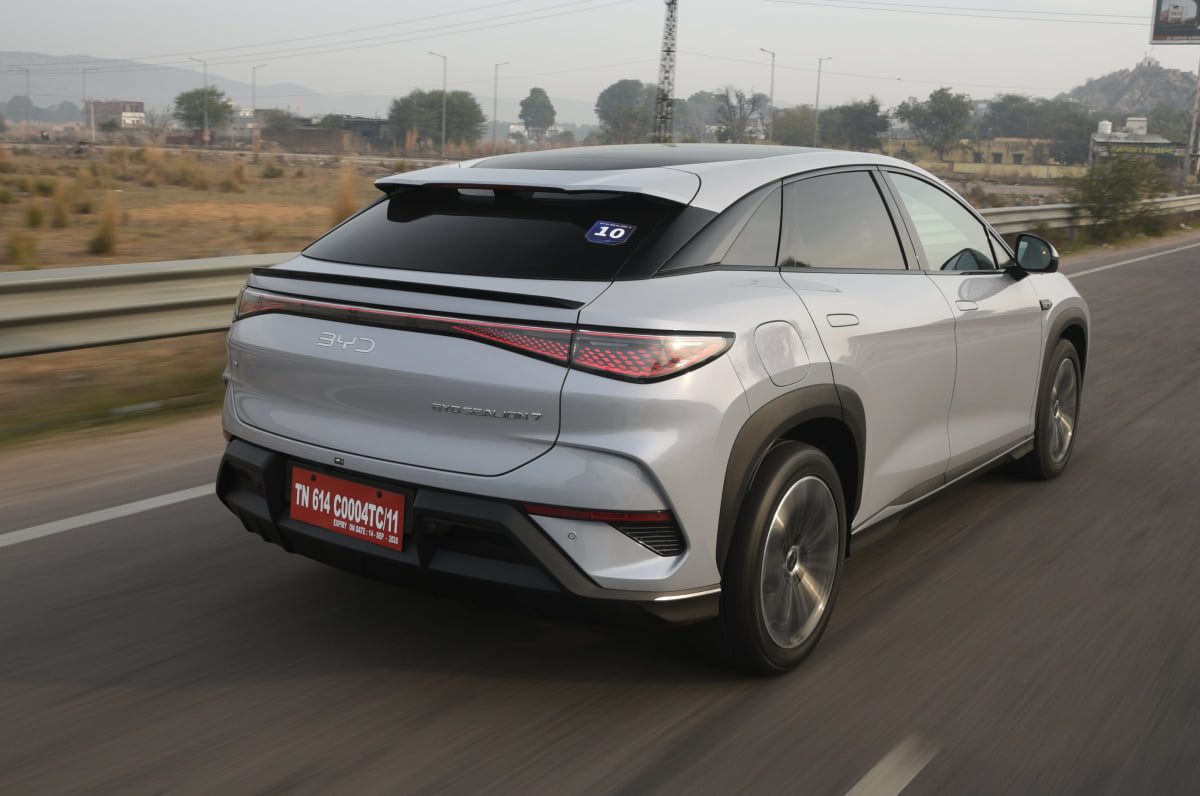
The Sealion 7 is offered in three variants, each with a different power output. The entry-level Dynamic gets a 71.8kWh battery and a rear-mounted motor producing 231hp and 380Nm. The Premium uses a larger 82.56kWh battery, with its rear motor producing 313hp and 380Nm. The range-topping Performance also gets the larger battery, but adds a front motor for all-wheel drive, taking combined output to 530hp and 690Nm. It is also the quickest of the three, with a claimed 0-100kph time of 4.5 seconds. The Premium and Dynamic take 6.7 and 7.3 seconds, respectively. Power delivery is smooth and progressive, particularly at low and medium speeds in the Performance version, while the rear-wheel-drive versions offer enough performance for everyday driving.
Reasons to skip
Driver displays and touchscreen can be distracting
Too much information on the screens and several functions buried in menus
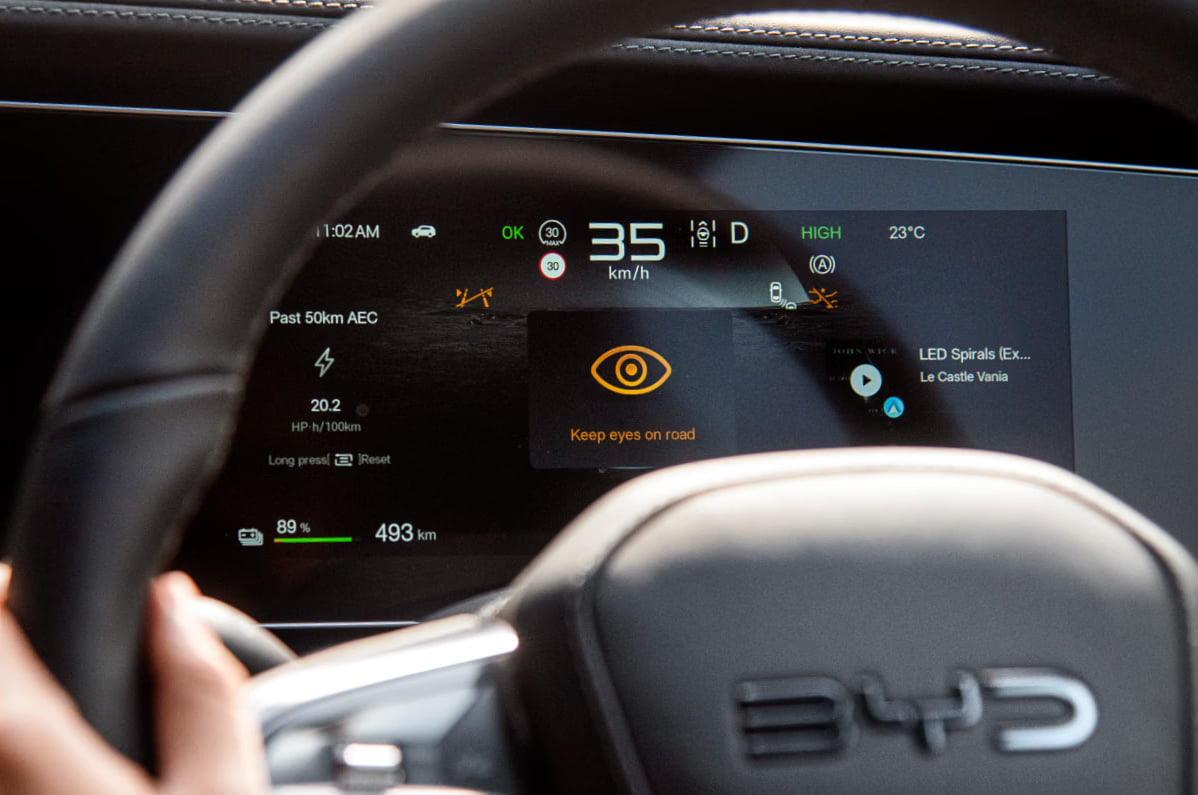
The digital driver's display packs in a lot of information, making it difficult to read at a glance. The head-up display has a similar issue, placing too much data in the driver's field of view. The touchscreen also houses several basic functions that would be easier to access through physical controls. The driver attention monitor is particularly sensitive, which can be frustrating given the number of distractions already created by the screens.
Road and wind noise at speed
Rear passengers hear more outside noise
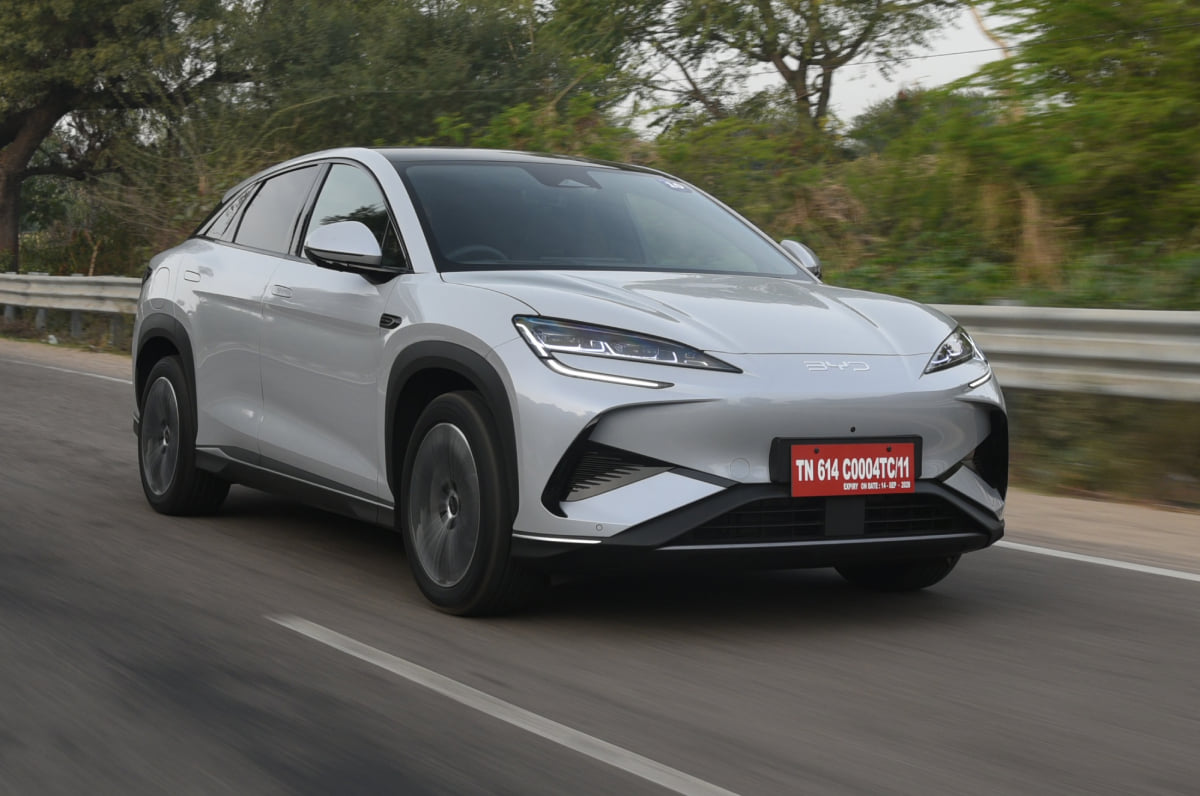
While the electric powertrain is quiet, road and wind noise become noticeable at higher speeds, particularly around the rear of the cabin. The front windows are double-glazed for better insulation, but the rear windows are not, allowing more outside noise to filter in. This takes away from the otherwise quiet cabin experience.
All prices are ex-showroom, India

 Uday Singh


 Saptarshi Mondal
 Suraj Viswanathan
 Dipan Sur

 Viraaj Bhatnagar