Autocar India
13h

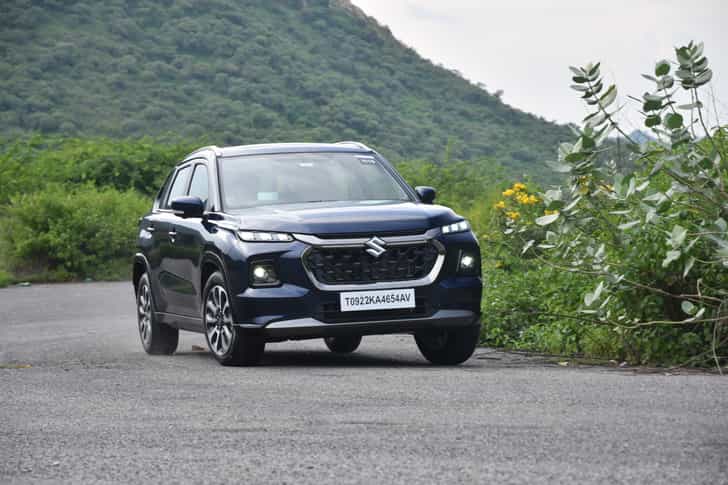
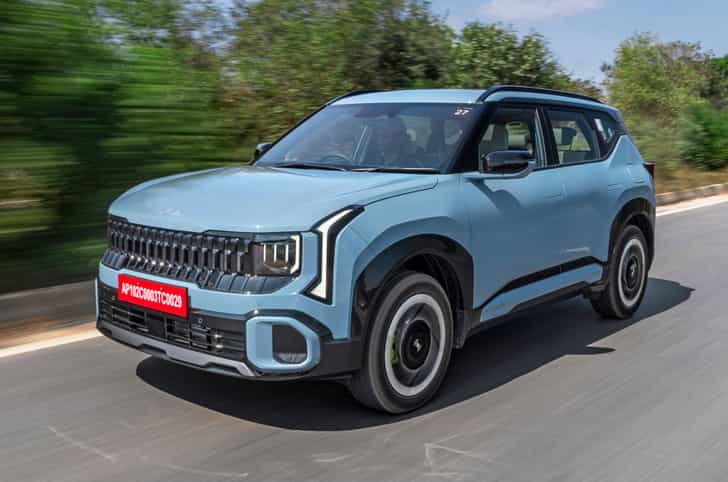
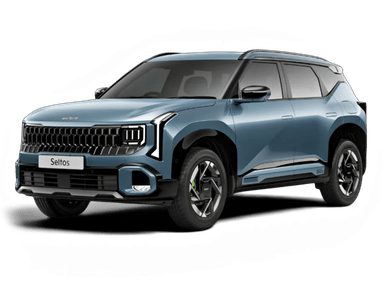
I am looking to buy a petrol automatic SUV primarily for city use, with occasional highway trips. I have shortlisted the Maruti Suzuki Grand Vitara Zeta AT mild-hybrid and Kia Seltos HTK(O). My priorities are real-world city and highway mileage, reliability, maintenance costs, long-term ownership (8-10+ years), comfort, and overall value for money. I would appreciate advice from owners/users, especially regarding actual mileage in heavy city traffic, maintenance costs, and any issues they have faced over the years.

Verified
4m

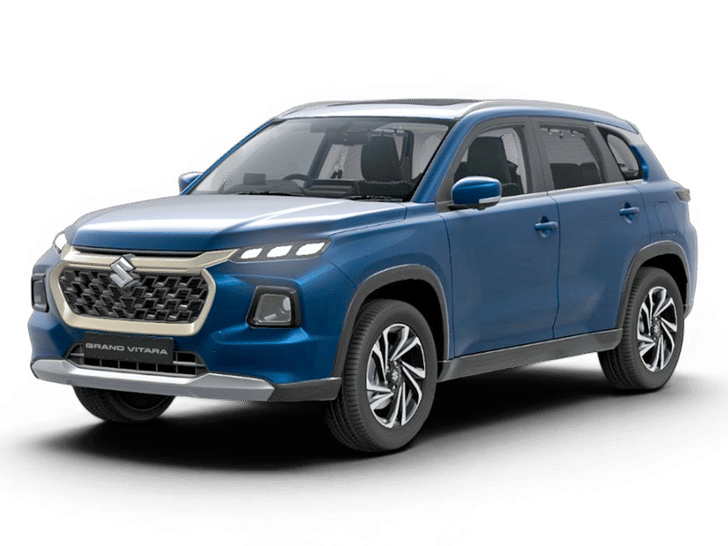
Go for the Maruti Suzuki Grand Vitara Zeta mild hybrid AT. For your priorities of mileage, reliability, low maintenance and long-term ownership, it is the safer and more sensible choice. The mild hybrid system helps with efficiency in stop-start city traffic, and Maruti’s service network and ownership costs are among the best in the business. 

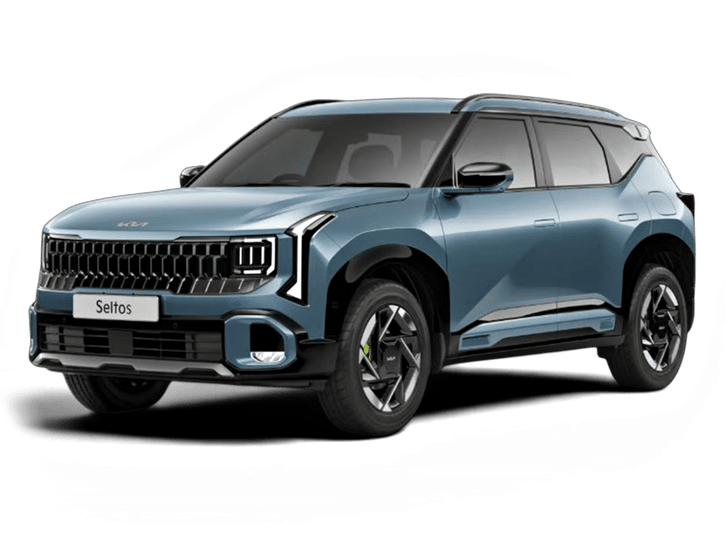
The Kia Seltos HTK (O) is a good car, but the Grand Vitara’s mild hybrid system gives it a clear advantage in city efficiency, and Maruti’s ownership experience is hard to beat. This Kia car does feel more premium inside, but for your requirements, that is less important than reliability and running costs.

In heavy city traffic, owners typically see around 11-13 km/l in the Grand Vitara mild hybrid AT, with highway figures in the 16-18 km/l range. Maintenance costs are reasonable, and Maruti’s service reach is a big advantage over a long ownership period. The Seltos petrol automatic is also reliable, but real-world city mileage is usually a bit lower, and Kia’s service network is not as extensive.

Overall, the Grand Vitara is the better fit for your requirements.
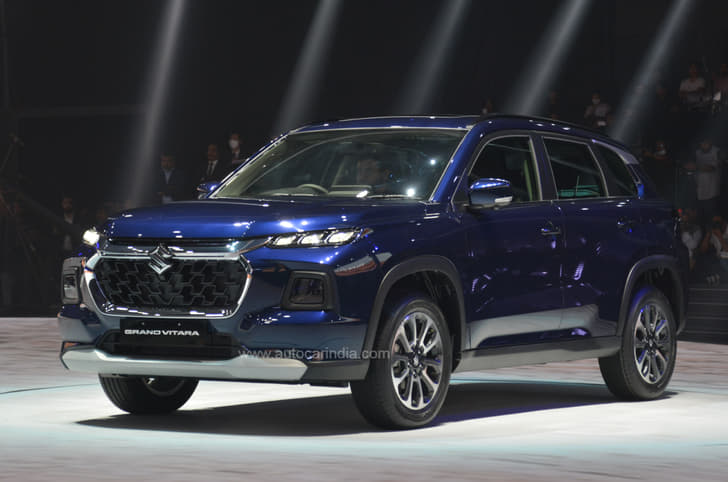
Maruti Suzuki Grand Vitara

Maruti Suzuki Grand Vitara

More posts on similar cars

2d

Which of the three would be most suitable for cross-country trips involving a mix of smooth, average and bad roads: the Honda Elevate CVT, Maruti Grand Vitara Smart Hybrid AT, or Volkswagen Taigun 1.0 AT? My key criteria are reliability and safety, ride quality, and fatigue-free driving. I am also considering a few potential downsides: the NVH levels of the Elevate, the long-term reliability of the Smart Hybrid battery in the Grand Vitara, although this is not a deal-breaker, and the possibility of EPC-related faults in the Taigun. I would appreciate some expert advice on which of these three would be the best overall choice for my requirements.

Verified
1d

For your requirements, the Honda Elevate CVT is the most balanced choice. It is a simple, robust and reliable package with a proven naturally aspirated petrol engine and a smooth CVT gearbox, which makes it well suited for long-distance touring. The Elevate also offers a comfortable ride, good ground clearance and a suspension setup that can handle a mix of road conditions, including bad patches, without feeling fragile. Honda’s long-term reliability track record is strong, and the car’s simplicity is actually an advantage for ownership over 5-10 years.The Maruti Suzuki Grand Vitara Smart Hybrid AT is also a good option, but the hybrid system adds complexity without a significant advantage on long highway runs, where the fuel savings are less pronounced. The battery is not a major reliability concern, but it is still an additional component to consider over long-term ownership.The Volkswagen Taigun 1.0 TSI AT is the enthusiast’s choice with a more engaging driving experience and strong performance, but your concerns about EPC-related faults are not unfounded. While Volkswagen has improved reliability, the ownership experience is still not as hassle-free as Honda or Maruti.

VehicleHonda Elevate
VehicleMaruti Suzuki Grand Vitara
VehicleVolkswagen Taigun
2d

I am planning to buy a sub-4m SUV and have shortlisted the Skoda Kylaq Signature Plus Automatic and Hyundai Venue HX5 Diesel Automatic. My annual running is expected to be around 16,000 to 18,000 km, including approximately 12,000 km of highway driving. From an economic point of view, I am slightly concerned about the Kylaq’s real-world petrol mileage, especially given the high amount of highway running. I am also concerned about the long-term implications of E20 petrol and whether it could lead to any issues in the future. On the other hand, I have concerns about buying a diesel due to the possibility of future government restrictions and the uncertainty around long-term diesel ownership. Considering these factors, I would appreciate your advice on which of the two would be the better choice for at least eight years of ownership.

Verified
1d

Go for the Hyundai Venue Diesel Automatic. With your annual running of 16,000-18,000 km and a strong highway component, the diesel makes clear financial sense. The Venue’s diesel is refined and well suited to long-distance driving, and the 6-speed torque converter automatic is smooth and reliable. Hyundai’s service network and ownership experience are also strong, which matters over an 8-year horizon.The Skoda Kylaq Signature Plus Automatic is the better driver’s car, but the 1.0 TSI petrol will not match the diesel’s efficiency at your running, and the E20 concern is largely overstated – modern engines are engineered for it, and there is no official roadmap beyond E20. On the diesel side, the government has not announced any blanket restrictions on private diesel cars, and with Bharat Stage 6 and DPF technology in place, long-term ownership is not a major concern.The Venue is the more sensible and cost-effective choice for your usage pattern. If you want a more premium and spacious diesel SUV, the Kia Seltos Diesel Automatic is worth stretching for, but within your shortlist, the Venue is the right call.

VehicleHyundai Venue
VehicleKia Seltos
VehicleSkoda Kylaq

Popular discussions right now

Posted on: 15 Sept 2026