Autocar India
•6w

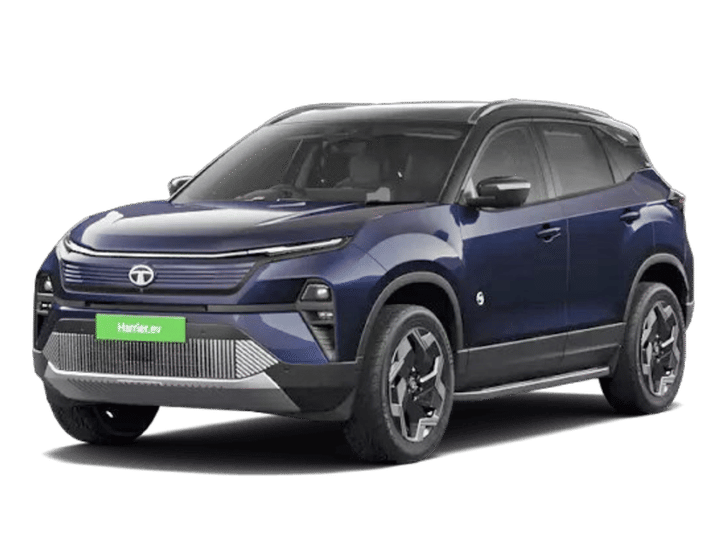
Hello, I am interested in buying an SUV EV and am leaning towards the Tata Harrier EV top-spec Empowered 75 ACFC. My main running is a mix of highway and city driving, but I am confused about the calculation, as everyone is saying EVs don't have any resale value. My question is: why are people buying EVs, and what is the maths? I am not able to understand it. I am going to use the EV for the next six years with an extended warranty. I hope in six years I will be able to get value from a Rs 30 lakh EV.

Verified
•6w
The Tata Harrier EV Empowered 75 ACFC is a strong product, but your question is the right one: what is the maths behind buying an EV, and does it make sense over six years?
The simple answer is that electric cars make the most sense when you have predictable running, a mix of city and highway use, and a clear ownership horizon. Over six years, the biggest advantage is the running cost. Electricity is significantly cheaper than petrol or diesel, especially when you charge at home, and maintenance costs are lower because there are fewer moving parts and no engine oil changes. With an extended warranty, you are also protected against the biggest unknown, which is battery health.
The resale value question is more difficult to answer.  EVs do depreciate much faster than  ICE cars today, largely because the technology is evolving quickly and buyers are still learning how to value a used EV. But that does not mean they have no resale value. The key is to look at total cost of ownership. If you save Rs 1.5-2 lakh a year on fuel and maintenance over six years, that is Rs 9-12 lakh saved. Even if the resale value is lower than a comparable diesel SUV, the running cost savings can more than offset that.
The Tata Harrier EV itself is a good fit for your usage. It is a large, comfortable SUV with a strong feature set, and the 75 kWh battery gives it enough range for highway use without range anxiety. The ACFC (Active Cooling Fast Charging) system also helps with battery longevity and faster charging on long trips.
The reason people are buying EVs is not just resale value. It is the combination of lower running costs, a smoother and quieter driving experience, and the convenience of home charging. Over six years, you will absolutely be able to squeeze value out of a Rs 30 lakh EV if you are doing a mix of city and highway driving and keeping the car for the full ownership period.
The maths works when you look at the whole picture, not just the resale value. If you are comfortable with the technology and have a clear six-year plan, the Tata electric car mentioned above is a sensible choice.
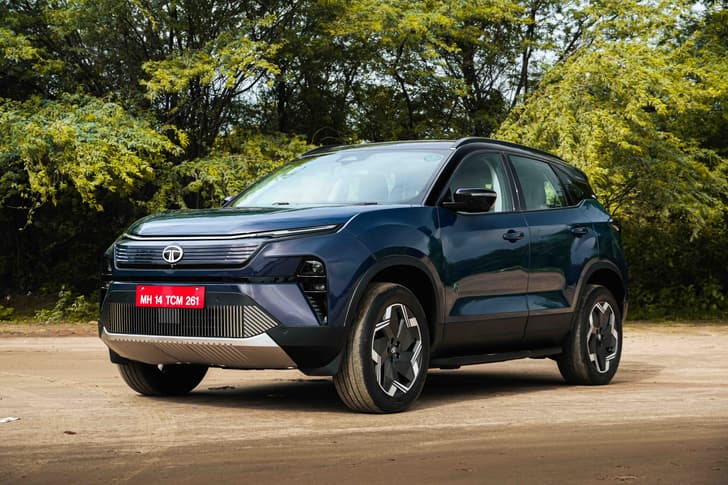
Tata Harrier EV

Tata Harrier EV

Explore cars mentioned
More posts on similar cars

•17h

I am looking for a fun-to-drive manual car around the Rs 15 lakh budget. I live in a city with very little traffic and already have two sensible cars, so I now want something small, manual and fun to drive. Automatic transmission and mileage are not priorities. I am also an enthusiastic driver and enjoy revving the engine to extract performance. I am currently considering the Kylaq Sportline, which I can get for around Rs 13 lakh. Would the XUV 3XO or lower variants of the 1.3-litre Duster be better choices? I am also open to sedans such as the Honda City and Hyundai Verna, but I may not always be able to avoid bumps and broken roads when driving fast, so I would prefer something with more ground clearance. I also find them relatively large compared with what I am looking for.

Verified
•5h

Given your requirements, the Kylaq Sportline is a good fit. The 1.0 TSI is a genuinely punchy engine that loves to be revved; the manual gearbox is slick, and the car has a great ride and handling balance. The Skoda Kylaq is also compact enough to be genuinely fun on tighter roads, and the ride is well sorted for broken patches, which addresses your concern about sedans.The Mahindra XUV 3XO is a good car and has a more powerful engine, but it is not as driver-focused as the Kylaq. The Renault Duster 1.3 Turbo is a strong alternative if you want more outright performance, but it is a bigger car and does not feel as nimble as the Kylaq. The Kylaq is the right size, has the right engine and gearbox combination, and is genuinely fun to drive. At Rs 13 lakh, the Kylaq Sportline is also great value.

VehicleSkoda Kylaq
VehicleMahindra XUV 3XO
VehicleRenault Duster

Popular discussions right now

•6d

Hi, I want to buy my last car as I am 66 years old. I have been driving a Honda City for the last 12 years without any major hiccup. The Honda City engine and its reliability is excellent although its ground clearance is an issue. I have looked at Elevate and given its ground clearance as an SUV, I am impressed although the issues on E20 and abrupt blending issues are surely technical issues. Windsor EV was a great test drive but all controls on screen could be a bottleneck for me at my age and am planning to move to an automatic. Please recommend as experts. My monthly running will not be more than 500 km. Should I also look at Seltos. I will appreciate a feedback from experts. I want a reliable, easy to drive car with low maintenance cost and good family value with. There won't be any great pick ups or many highway drives will not be there.

Verified
•5d

Given your 12 years of trouble free City ownership, the Elevate is the most natural replacement. It retains Honda’s simple 1.5-litre naturally aspirated petrol engine, adds substantially better ground clearance and gives you the easier ingress and SUV driving position you liked. The CVT is also very well suited to your low speed, low running usage and should make the transition to an automatic easy.On your E20 concern, we would not treat it as a reason to avoid the Elevate. Honda says all its cars manufactured in India since January 2009 are E20 material compatible, and the current Elevate is officially certified for E20. Honda also says E20 should not cause durability concerns or require any component changes. There can be a marginal reduction in fuel economy because ethanol contains less energy than petrol, but with your 500km monthly running, that is unlikely to be significant.The Seltos is worth a look, particularly if you want a more feature rich and premium cabin, but given your priorities of reliability, easy driving, low maintenance and long term ownership, the Elevate fits your requirements more naturally. The Windsor EV is also an interesting option, but at just 500km a month, there is little financial reason to move to an EV, especially when you have concerns about its touchscreen heavy interface.

VehicleHonda City
VehicleHonda Elevate
VehicleMG Windsor
VehicleKia Seltos

Upcoming launch buzz

Community discussions on upcoming launches

Expert reviews worth reading

Posted on: 18 Aug 2026