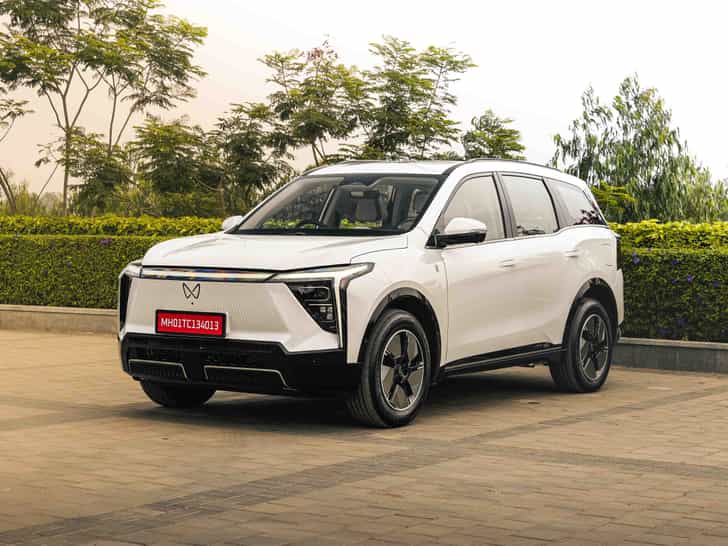
I bought a used 2015 Maruti Swift last year when it had completed 1.7 lakh km. I purchased it and spent a total of Rs 4.2 lakh on it. I have driven another 10,000km in one year. Everything is fine, but I feel the car may become a scrap candidate if I use it for another one or two years. I can get around Rs 2 lakh if I sell it now. Please suggest the best car for a 20km daily commute and a 500km trip every one or two months. I need good boot space and cabin space.

 Maruti Suzuki FronxHyundai i20
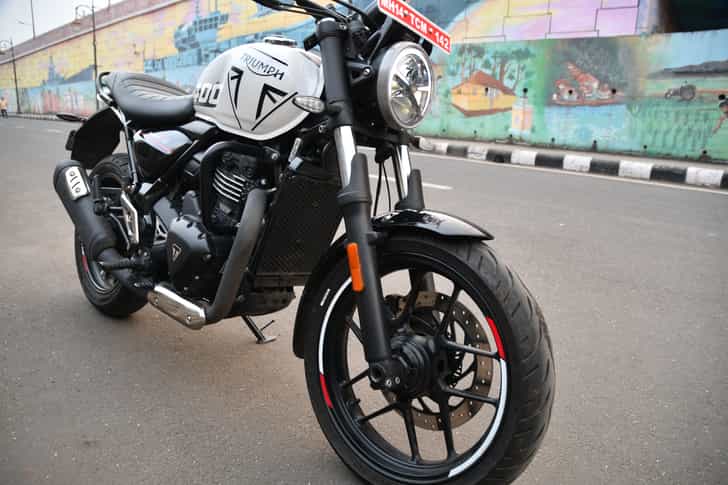
About a year back, Autocar compared the Triumph T4 and the Royal Enfield Hunter 350. Now the price difference is around Rs 40,000 (Hunter mid variant at Rs 1.7 lakh vs Triumph T4 at Rs 2.1 lakh ex-showroom in Bhopal, MP, as of July 2026). Is the T4 still the better overall bike in August 2026?
I currently own a 2020 Hyundai Creta SX Facelift, and I'm planning to upgrade by selling it. I'm looking for a bigger vehicle that will primarily be our family car for four members. It should be comfortable for long highway drives, capable of handling occasional off-roading, and, most importantly, offer an exciting and engaging driving experience. I have shortlisted three options: Mahindra Thar Roxx, Mahindra Scorpio Classic, and Mahindra Scorpio N. Which one would you recommend considering my requirements? I’m looking for the best balance of family comfort, long-distance touring ability, off-road capability, and driving thrill. I would also appreciate your opinion on which of these offers the best overall value for money.
Mahindra Scorpio NMahindra Thar RoxxHi Autocar! I am planning to buy the Creta EV. The showroom is providing a 7.5kW charger at a cost of almost Rs 75,000. When I search online, I can find options starting from around Rs 25,000 for the same-capacity charger. Does it make sense to go for such a charger, or is it better to stick with the Hyundai charger? Can you also provide some recommendations for safe, reliable chargers available in the market?
Hyundai Creta Electric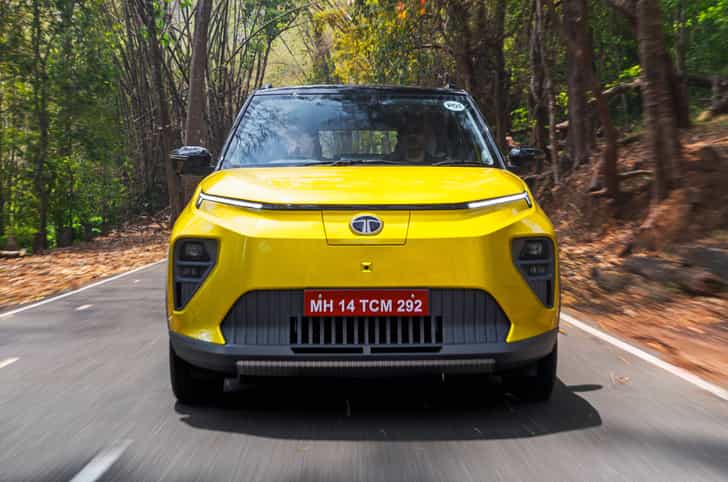
Hello, I own a 9 years old Ford Figo S TDCi (manual, diesel) that has covered more than 1.3 lakh km. I’m still proud of this car for its torquey engine, handling, and the way it drives. But lately, its hard clutch in city traffic is causing knee pain, and I am confused whether to keep it or exchange it. Does it make sense to replace my Figo now, and what resale value should I expect? Which current manual fun‑to‑drive hatchbacks come closest to the driving feel and character of the Figo S TDCi? I have considered the SKODA KYLAQ, but it is beyond my current budget. Since SKODA has just opened a showroom in Shillong, does it make sense to stretch for it, or should I stick to a hatchback I don’t want to face problems that I had faced with Ford again. If I decide to keep the Figo, will I face issues related to the parts availability in the coming years? I would love to keep it for as long as possible, but I’m also considering adding a second car like the Alto for city commuting. I am quite confused, so I would really appreciate your valuable suggestion.
Skoda KylaqMaruti Suzuki SwiftHyundai i20I own a Tata Nexon AMT 2024 Pure S variant. My mother and I are the ones who drive the car. I like to take it on the highways and hills; my mother uses it for short distances: 80 city, 20 highways But the jerky shifts annoy me, and the visibility annoys my mother; lack of a 360 camera and seat height adjustment further adds to the stress for her Will the Amaze CVT VX variant be a good choice? For both of us, or which compact SUV with automatic transmission is a good choice with visibility and efficiency as well for city drives
Honda AmazeTata NexonMaruti Suzuki BrezzaHi Autocar Team, I wanted your guidance on whether I should buy the new Lexus ES 350h Hybrid or wait for the upcoming BMW i5 LWB. My concern with the BMW i5 LWB is that it is likely to be one of the last models based on BMW's current platform, with the Neue Klasse-based i5 expected to arrive in the near future. Given how quickly EV technology is evolving, I am worried that it could become outdated relatively soon. On the other hand, the Lexus ES 350h is based on Toyota's sixth-generation hybrid technology, which makes me feel it may remain relevant for longer within its segment. That said, the idea of switching to an EV is also very exciting, so I am finding it difficult to decide. Which one would you recommend?
BMW i7BMW i5 LWBLexus ES Electric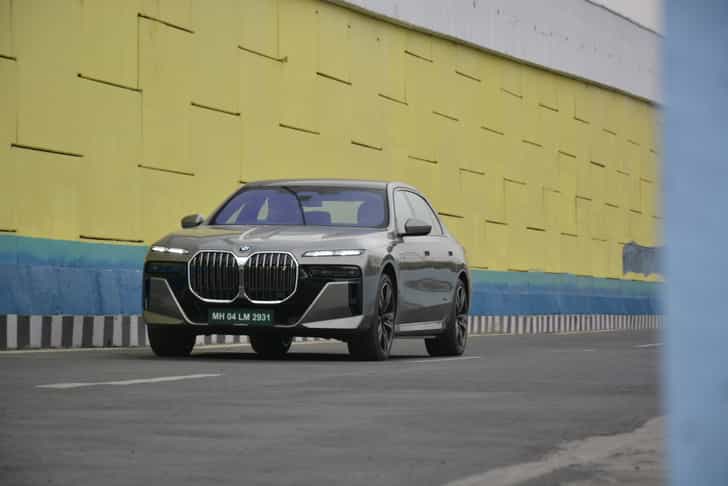
Comparing VW Virtus Highline Plus 1.0 TSI Automatic with the Tata Safari Pure X turbo petrol manual. I understand segments are different. I am not confused about which car to buy. I need advice about "Should I push for the Tata Safari as I'll get a big SUV with just 2 lakhs extra" User case: I have a Tata Tiago, which I'm going to keep as 2nd car. Daily running is 15km with moderate traffic (Manual is not a problem) and monthly 1 highway trip of 200-300 kms. Family of 4 adults and a kid. Looking for best value proposition, longterm ownership, Family comfort with driving pleasure.
Volkswagen VirtusTata Safari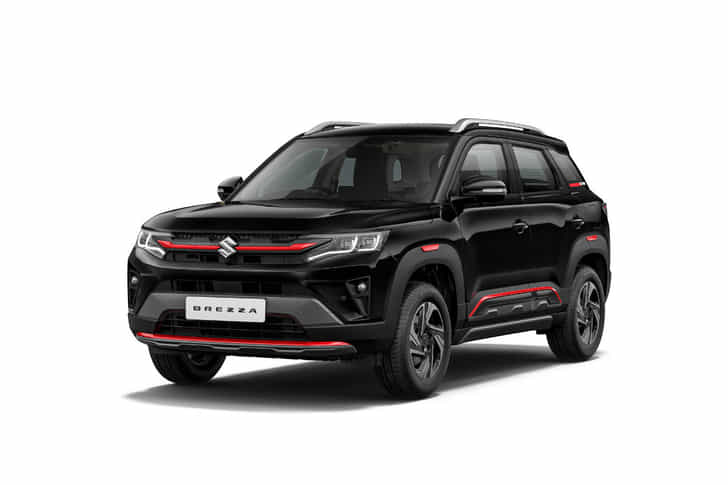
Following my previous question about replacing my Tata Hexa, which has covered 1.25 lakh km, with a new SUV or MPV within a budget of Rs. 35 lakh and for a daily commute of around 85 km, I test-drove both the Tata Safari and the Toyota Hycross. However, I found both to be lacking in power. Could you suggest some other suitable options? I am also open to considering 5-seater SUVs, although a diesel remains my preference. Additionally, would the Mahindra XUV 7XO Diesel be a good choice for my requirements? If so, which variant would you recommend?
Mahindra XUV 7XOToyota Innova HyCrossTata SafariI’m confused between the Mahindra BE 6, Tata Harrier EV, and, if not an EV, the Kia Seltos Diesel AT for my first car. I’m 27 years old, and my annual running is only around 7,000-8,000 km, with a daily commute of 15-20 km. My budget is Rs 21-22 lakh. I have access to home charging in my apartment society at Rs 10.5/kWh and workplace charging at Rs 22/kWh. If I buy the Mahindra BE 6, I plan to keep it for at least 8-10 years. If I choose the Kia Seltos Diesel AT instead, I’ll likely sell it after 4-5 years and switch to an EV once the market matures further. Considering my low annual running, long-term ownership plans, reliability, resale value, and overall ownership costs, which would you recommend: the Mahindra BE 6, Tata Harrier EV, or the Kia Seltos Diesel AT? The car will primarily be used by two people, although my parents may also start using it for regular city driving in the next 4-5 years.
Mahindra BE 6Kia SeltosTata Harrier EVTata Sierra EVMahindra XEV 9e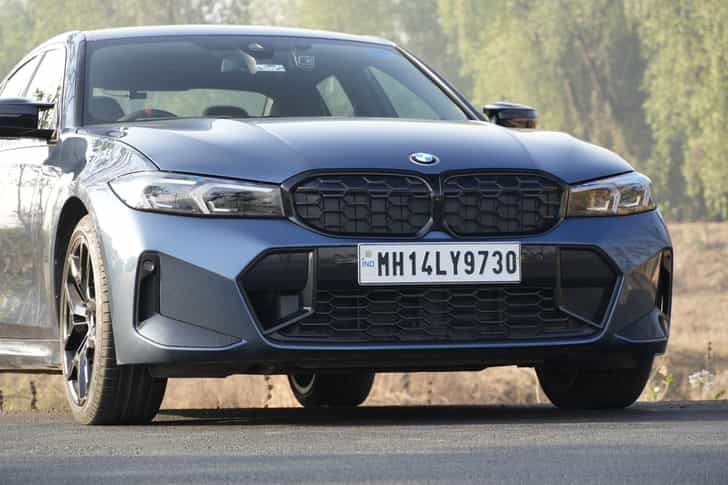
I want to buy a car in the Rs. 60 lakh to Rs. 70 lakh range. An SUV seems like the more practical choice, but there aren't many exciting options from BMW or Mercedes-Benz in this budget. Sedans like the BMW 3 Series are available, but I am concerned about their low ground clearance, especially since the roads in my area are not in great condition and waterlogging is a common issue. Toyota appeals because of its reliability, but I don't find the interiors very appealing. As for Skoda and Volkswagen, I am not very confident about their after-sales service. Would the BMW 3 Series still be comfortable and practical to own on bad roads and during waterlogged conditions? Above all, I want complete peace of mind after the purchase.
BMW 3 SeriesBMW 3 Series LWBAudi Q3Audi Q3 SportbackMercedes-Benz GLC