Autocar India
4d

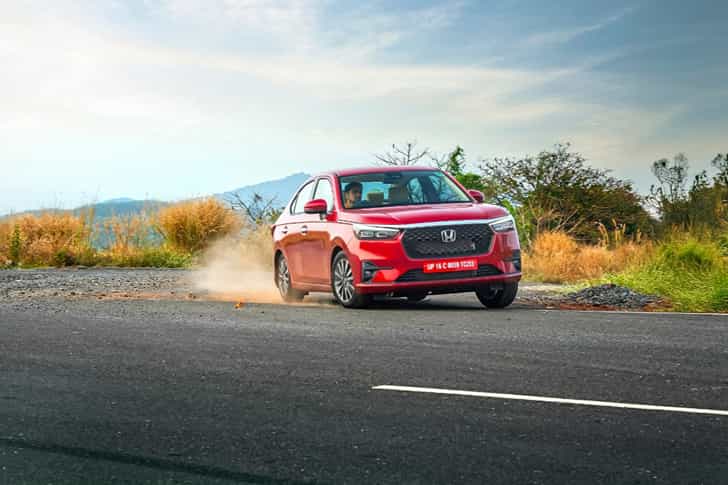
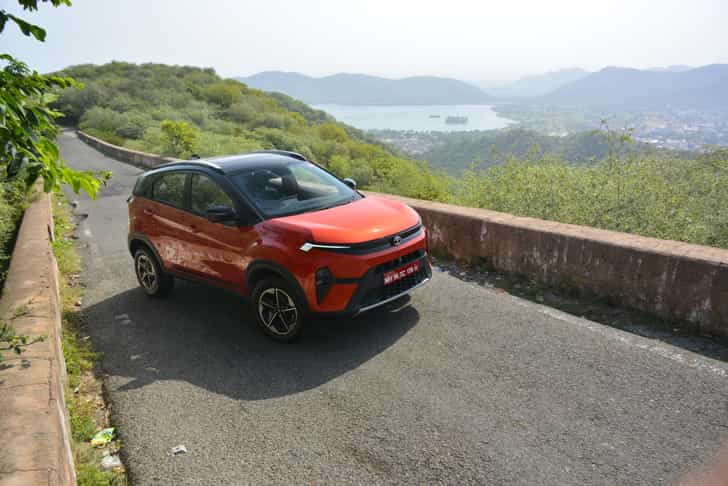
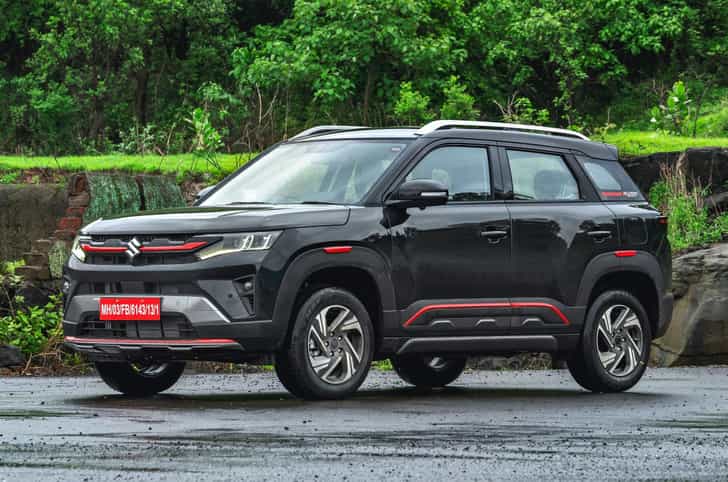
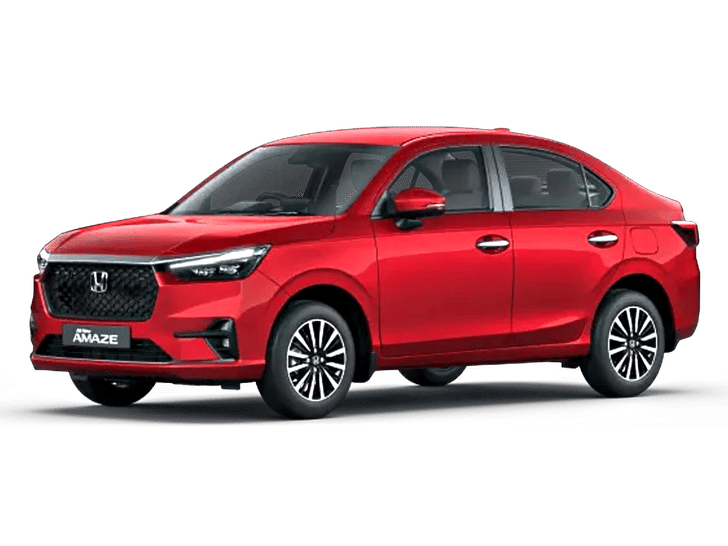
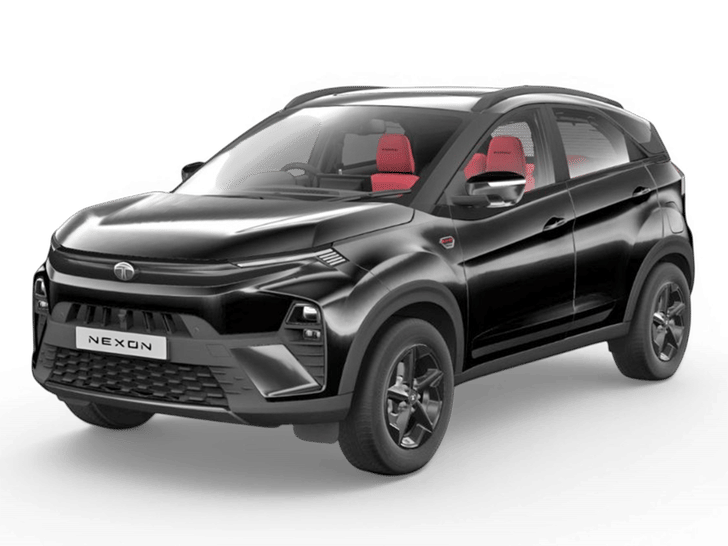
I own a Tata Nexon AMT 2024 Pure S variant. My mother and I are the ones who drive the car. I like to take it on the highways and hills; my mother uses it for short distances: 80 city, 20 highways But the jerky shifts annoy me, and the visibility annoys my mother; lack of a 360 camera and seat height adjustment further adds to the stress for her Will the Amaze CVT VX variant be a good choice? For both of us, or which compact SUV with automatic transmission is a good choice with visibility and efficiency as well for city drives

Verified
1h

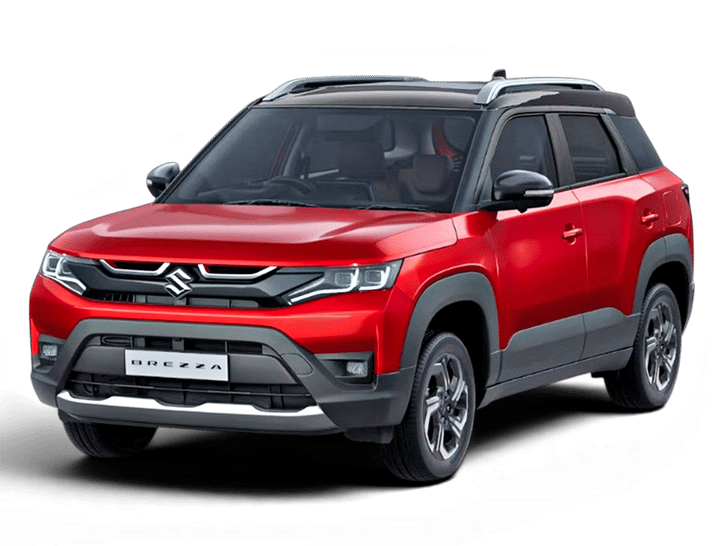
The Honda Amaze CVT VX is a very sensible upgrade from the Nexon AMT. The CVT gearbox is far smoother than the AMT, which will make both city driving and hill climbs much more pleasant. The Amaze also offers excellent visibility, a comfortable driving position and a reliable ownership experience. However, it is a sedan, so you will lose the higher seating position and ground clearance of an SUV, which can be useful on highways and rough roads.Given your usage, a compact SUV with a proper automatic gearbox is a better fit. The Maruti Suzuki Brezza automatic is a strong recommendation here. It uses a 6-speed torque converter automatic, which is much smoother than the Nexon AMT, and it offers excellent visibility, a comfortable driving position and low running costs. But it is on the pricier side.Overall, the Amaze CVT is a good alternative if you are happy to move to a sedan, but if budget permits, the Brezza is the more versatile choice.
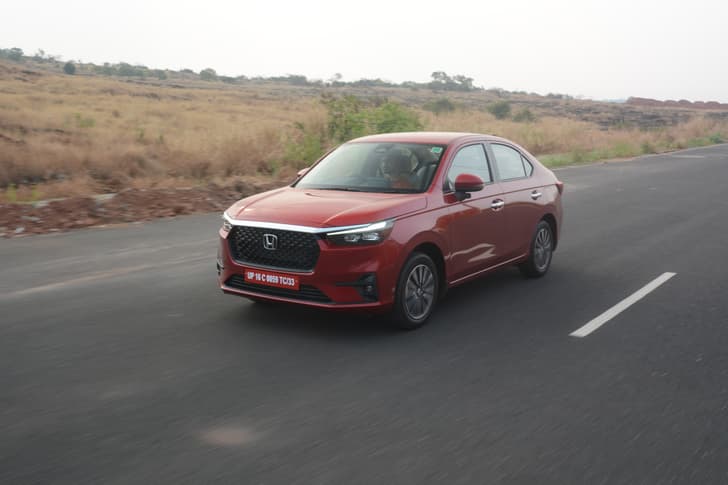
VehicleHonda Amaze
VehicleTata Nexon
VehicleMaruti Suzuki Brezza
4d

Hi Autocar Team, I wanted your guidance on whether I should buy the new Lexus ES 350h Hybrid or wait for the upcoming BMW i5 LWB. My concern with the BMW i5 LWB is that it is likely to be one of the last models based on BMW's current platform, with the Neue Klasse-based i5 expected to arrive in the near future. Given how quickly EV technology is evolving, I am worried that it could become outdated relatively soon. On the other hand, the Lexus ES 350h is based on Toyota's sixth-generation hybrid technology, which makes me feel it may remain relevant for longer within its segment. That said, the idea of switching to an EV is also very exciting, so I am finding it difficult to decide. Which one would you recommend?

Verified
2h

The new i5 LWB is expected to be a thorough revision of the current model based on the CLAR platform, with Neue Klasse-inspired styling and perhaps battery and motor updates, rather than an outright shift to the Neue Klasse platform of the i3. This is similar to what was done with the BMW i7, which also shares the CLAR platform, as both are only halfway through their life cycles. Besides, that is still some time away, and the only i5 you can buy now is the sporty (and low-slung) M60. You're right about rapidly advancing EV tech, but whether you choose today's i5 or the incoming LCI or LWB, you'll still have a luxurious, comfortable, refined and powerful EV.As for the Lexus, if you're choosing the hybrid, know that it is about half the price of what the i5 LWB will likely cost. There is also the ES Electric, which is closer in price and concept to the i5. Either way, the ES seems like the better choice for you if you plan to purchase today, since as you mentioned, it is presently the more contemporary option. That said, depending on which camp you fall into, a hybrid may already be behind in terms of relevance compared to any EV, so it really comes down to the nature of your usage. For now, in India, pound for pound, a hybrid makes more sense than an EV, so if you're keen on the new ES hybrid, you should go for it.

VehicleBMW i7
VehicleBMW i5 LWB
VehicleLexus ES Electric
5d

Comparing VW Virtus Highline Plus 1.0 TSI Automatic with the Tata Safari Pure X turbo petrol manual. I understand segments are different. I am not confused about which car to buy. I need advice about "Should I push for the Tata Safari as I'll get a big SUV with just 2 lakhs extra" User case: I have a Tata Tiago, which I'm going to keep as 2nd car. Daily running is 15km with moderate traffic (Manual is not a problem) and monthly 1 highway trip of 200-300 kms. Family of 4 adults and a kid. Looking for best value proposition, longterm ownership, Family comfort with driving pleasure.

Verified
3h

Given your usage and priorities, the Volkswagen Virtus Highline Plus 1.0 TSI automatic is the better fit. Your daily running is low, and the occasional highway trips do not justify the additional size and complexity of the Tata Safari. The Virtus offers a more refined driving experience, better fuel efficiency and a more manageable ownership proposition over the long term. It is also a more comfortable car for a family of four plus a child, with a spacious rear seat and a large boot. The Safari Pure X turbo petrol manual is a good value proposition for those who need the extra space and road presence, but it is not the best choice for your usage pattern. The manual gearbox will become tiresome in traffic, and the larger size will make it less convenient to live with on a daily basis. The Virtus is the more sensible and enjoyable choice for your needs.

VehicleVolkswagen Virtus
VehicleTata Safari
6d

I’m confused between the Mahindra BE 6, Tata Harrier EV, and, if not an EV, the Kia Seltos Diesel AT for my first car. I’m 27 years old, and my annual running is only around 7,000-8,000 km, with a daily commute of 15-20 km. My budget is Rs 21-22 lakh. I have access to home charging in my apartment society at Rs 10.5/kWh and workplace charging at Rs 22/kWh. If I buy the Mahindra BE 6, I plan to keep it for at least 8-10 years. If I choose the Kia Seltos Diesel AT instead, I’ll likely sell it after 4-5 years and switch to an EV once the market matures further. Considering my low annual running, long-term ownership plans, reliability, resale value, and overall ownership costs, which would you recommend: the Mahindra BE 6, Tata Harrier EV, or the Kia Seltos Diesel AT? The car will primarily be used by two people, although my parents may also start using it for regular city driving in the next 4-5 years.

Verified
6h

The Kia Seltos Diesel AT is a great car, but with an annual running of just 7,000-8,000 km, the diesel premium is difficult to justify, especially when you already plan to sell it after 4-5 years. Given your low annual running, home charging cost of Rs 10.5/kWh, and planned ownership of 8-10 years, the Mahindra BE 6 makes the most sense. Your usage pattern is ideal for an EV, and over a long ownership period, the lower running costs will more than offset the higher upfront price.Your budget also suits the BE 6 well, as the Pack One Above variant fits comfortably within it. The Tata Harrier EV and even the Mahindra XEV 9e are more premium offerings, but both would require you to stretch your budget.That said, if comfort and practicality are your priorities, the BE 6 may not be the best choice. The Tata Sierra EV is a better alternative. It comes with a slightly larger battery pack than the BE 6, fits within your budget, and offers an excellent ride along with a more spacious cabin. The Adventure 63 variant is the one to consider. It is worth test-driving both the BE 6 and the Sierra EV back-to-back, as that will give you a much clearer idea of which one better suits your needs.

VehicleMahindra BE 6
VehicleKia Seltos
VehicleTata Harrier EV
VehicleTata Sierra EV
VehicleMahindra XEV 9e
7w

I want to buy a car in the Rs. 60 lakh to Rs. 70 lakh range. An SUV seems like the more practical choice, but there aren't many exciting options from BMW or Mercedes-Benz in this budget. Sedans like the BMW 3 Series are available, but I am concerned about their low ground clearance, especially since the roads in my area are not in great condition and waterlogging is a common issue. Toyota appeals because of its reliability, but I don't find the interiors very appealing. As for Skoda and Volkswagen, I am not very confident about their after-sales service. Would the BMW 3 Series still be comfortable and practical to own on bad roads and during waterlogged conditions? Above all, I want complete peace of mind after the purchase.

Verified
8h

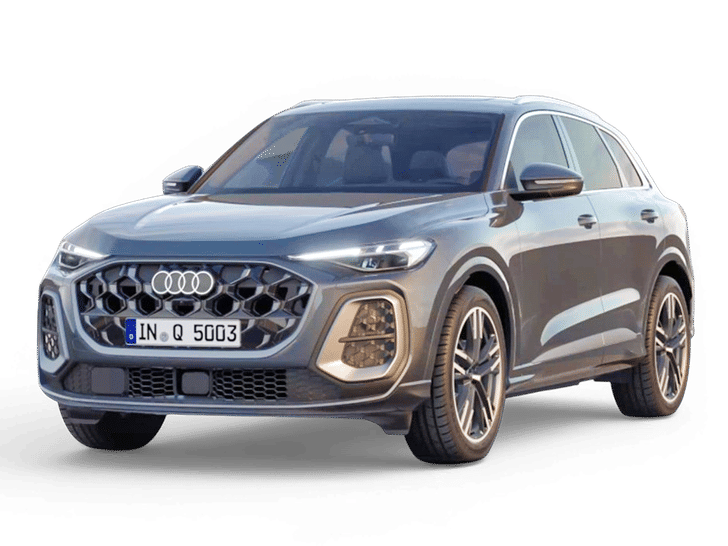
Within a budget of Rs. 70 lakh, the BMW 3 Series is one of the best choices. However, if ground clearance is a concern, an SUV would be the more practical option. Equivalent SUVs such as the BMW X3 and the Mercedes-Benz GLC will require stretching the budget by another Rs. 10-15 lakh. Otherwise, the alternatives will have to come from a segment below.Since comfort is a priority, it would be worth waiting for the upcoming BMW X1 Long Wheelbase, which is set to launch on 21 August. As it will be assembled in India, pricing is expected to remain competitive and within your budget.The Audi Q3 and Q3 Sportback are also worth considering. They offer a refined petrol engine, smooth performance, and a high-quality cabin. Their only drawback is that they are not the most modern in terms of features. With the new-generation Q3 expected to arrive soon, attractive discounts on the current models are also likely.

VehicleBMW 3 Series
VehicleBMW 3 Series LWB
VehicleAudi Q3
VehicleAudi Q3 Sportback
VehicleMercedes-Benz GLC
BMW 3 Series
BMW 3 Series
3d

Hi, I'm planning to buy a new petrol car. I recently learned to drive and have never owned or regularly driven a car before. My budget is around Rs. 12.5 lakh. I've shortlisted the Hyundai Venue HX5 Petrol DCT, but I also checked out the Kia Seltos HTE Petrol Manual and really liked its interior. Now I'm really confused about which one to buy, especially since I've heard that DCT gearboxes can have issues in heavy traffic. At the moment, my driving will mostly be on highways, with a 70:30 highway-to-city split. However, my city usage could increase in the future. One more thing I noticed during the test drives is that the Venue's manual clutch felt extremely light. The Seltos also has a light clutch, but it isn't as effortless as the Venue's. Please help me decide which one would be the better choice.

Verified
9h

Go for the Hyundai Venue HX5 Turbo Petrol DCT. It's the best choice among your shortlisted options. Since you're a new driver, its compact dimensions will be easier to get used to, and as you mentioned, the lighter controls are a big advantage.With 70% of your driving on highways, the manual gearbox is a straightforward and dependable choice. At the same time, the clutch is light enough to remain comfortable in city traffic. Sticking with the manual also allows you to move up to the better-equipped Hyundai Venue N Line N6 Petrol MT variant within your budget.It's not that the Venue's DCT has inherent issues in traffic. Rather, it can feel jerky at crawling speeds, and it requires slightly more careful use, such as shifting to Neutral or Park when stopped for longer at traffic lights, to minimise premature wear.The Kia Seltos HTE Petrol MT gives you a larger car and a bigger engine, but being the base-spec variant, it misses out on several features. As a first-time buyer, the size may be more of a hindrance than a benefit.

VehicleHyundai Venue
VehicleKia Seltos
4d

I’m planning to buy a premium SUV. Most of my driving will be in Bangalore city traffic, with occasional highway trips, around twice a month. I’m currently considering the Mahindra XUV 7XO top-end petrol automatic and the Skoda Kodiaq L&K. I understand there’s a significant price difference between the two, but my budget allows for either. I enjoy driving and won’t be hiring a chauffeur, so the driving experience is important to me. While both SUVs offer similar power on paper, does the Kodiaq provide a noticeably better sense of quality, cabin feel, driving pleasure, and after-sales service that justifies its higher price? I’m also open to suggestions from other brands that fit my requirements, such as entry-level Audi or BMW models, except Tata vehicles. Your expert advice would be a great help. Thank you.

Verified
10h

Go for the Skoda Kodiaq Selection L&K. The Mahindra XUV 7XO is a genuinely impressive SUV with strong performance, a feature-rich cabin, and excellent value for money, but the Kodiaq is on a different level. The quality of the materials, the solidity of the build, the refinement, and the overall sense of premium engineering are immediately apparent. Its 2.0-litre TSI petrol engine is also an excellent unit, delivering strong performance and a genuinely enjoyable driving experience. The XUV 7XO is a very good SUV and offers outstanding value for money. However, the Kodiaq feels like a truly premium product, and if budget is not a concern, it is the one to choose.As for after-sales service, Skoda cars network is not as extensive as Mahindra cars, but it has improved significantly in recent years, and ownership experiences are generally positive. If you're open to other brands, the BMW X1 is also worth considering. It is smaller than the Kodiaq, but it is rewarding to drive and offers a genuinely premium experience. Overall, if you can comfortably afford the Kodiaq, it is the SUV that is most likely to keep you satisfied in the long run.

VehicleSkoda Kodiaq
VehicleBMW X1
VehicleMahindra XUV 7XO
6d

I am confused between the Hyundai Grand i10 Nios Sportz AMT, Maruti Suzuki Swift AMT, and Tata Tiago Pure+ AMT. My usage will be low to moderate, including city driving as well as occasional highway drives, and I am a first-time car buyer and driver. Based on my driving requirements, should I consider a CNG variant or stick to my original plan of buying a petrol car? Please help me choose the best car in this price range and also suggest any other suitable alternatives available.

Verified
23h

For a first-time buyer with low to moderate city and highway use, stick to a petrol car. Our recommendation will be the Maruti Swift AMT over the Hyundai Grand i10 Nios AMT. Your running does not justify the added cost and compromises of a CNG car, and the Maruti Swift strikes the best balance for your needs. This Maruti Suzuki car is easy to drive, has a smooth and refined petrol engine, a comfortable ride and a well-built, practical cabin. The AMT is one of the smoother units in the segment, making it a confidence-inspiring choice for a new driver. This Hyundai car isn't as good as the Swift when it comes to ride comfort and even rear seat space. The Tata Tiago AMT is the value pick, but the cabin and overall refinement are not at the same level. That said, if you want a slightly larger and more premium feeling car, the Maruti Suzuki Baleno AMT is also worth considering, but it will stretch the budget. If you don't want to stretch the Swift is the most well-rounded and easiest car to live with in this range.

VehicleMaruti Suzuki Swift
VehicleHyundai Grand i10 Nios
VehicleTata Tiago
VehicleMaruti Suzuki Baleno
6d

I've been driving a Maruti Ritz Diesel (190 Nm) for the last 5 years and am looking for an upgrade. My usage is 70% highway and 30% city, with a monthly running of only 500-750 km. I live in Bangalore and primarily use the car for weekend drives and highway trips. Cars tested: Honda Elevate MT/CVT: Reliable and comfortable, but the CVT felt dull, and I feel the naturally aspirated engine may not be exciting enough for highway driving. Kia Seltos Turbo DCT & Diesel AT: Feature-loaded, spacious, and family-friendly. The turbo-petrol feels quick, while the diesel AT feels effortless, but I am concerned about long-term DCT reliability and diesel DPF issues. Volkswagen Taigun/Skoda Kushaq 1.0 TSI AT: I loved the driving experience, stability, and engine performance. However, the cabin feels smaller compared to the Seltos. Volkswagen Taigun 1.5 DSG: I could not properly test its performance due to heavy city traffic. Volkswagen Virtus 1.0 TSI: This was the most confidence-inspiring car I drove, but my family is not keen on buying a sedan. Current concerns: My low annual running makes me question whether a diesel is the right choice due to DPF-related concerns. I am worried about the long-term reliability of turbo-petrol engines, DSG/DCT gearboxes, ethanol-blended fuel compatibility, and fuel economy. Naturally aspirated petrol engines seem more reliable, but I am concerned they may feel underpowered after driving a torquey diesel for years. Budget: Rs. 15-22 lakh on-road (Bangalore). The car will be purchased through my company lease program, so tax benefits will apply. Currently, my shortlist includes: Kia Seltos Turbo Petrol / Diesel AT Volkswagen Taigun 1.0 TSI AT (Highline or Topline) Considering my usage pattern and long-term ownership plans, which engine and powertrain would you recommend for the least-regret ownership experience?

Verified
1d

Given your usage and concerns, the Kia Seltos turbo-petrol DCT is the most sensible recommendation. Your 70% highway usage and weekend trips make diesel a good fit, and thIS Seltos diesel is a proven, reliable powertrain but the relatively short distance you cover over a month does not justify the premium you would pay for the diesel variant. The turbo-petrol has good punchy performance and is smooth to drive even in the city. Unlike the NA engine that is linear and laid back, the turbo-petrol feels lively and effortless. Yes, the efficiency won't be as good as diesel, but it is the nicer car to drive in comparison to others and with the uncertainty of diesel, it is the safer bet over a long term. Moreover, the cabin is refined, this Kia car offers good space and practicality and a more premium ownership experience than some of its rivals. The HTX trim will fit in your budget and gets a good amount of kit on offer.

VehicleKia Seltos
Kia Seltos
Kia Seltos
4d

I have waited more than six months for the Brezza facelift/update, and now I’m a bit confused between the engine options. Initially, I was leaning towards the 1.5-litre naturally aspirated (NA) engine, but the 1.0-litre Boosterjet now seems like the better value-for-money option. I don’t want to retrofit any accessories from the aftermarket. The Brezza VXI 1.0-litre Boosterjet has all the features I need except the 60:40 split-folding rear seats. On the other hand, the Brezza ZXI 1.5-litre NA has all the features I want, but it also comes with a sunroof, which I don’t really need. In my city, the on-road price difference between the Brezza VXI Turbo and the Brezza ZXI NA is Rs. 2,29,000. My biggest concerns are: Long-term reliability, Maintenance costs, Compatibility with future ethanol fuel blends, and Carbon buildup on the intake valves. If it occurs, what would be the repair or cleaning cost? Will the 1.0-litre Boosterjet continue to perform as well as the 1.5-litre naturally aspirated engine if higher ethanol fuel blends become common in the future? Is there any reason to believe I might regret choosing the 1.0-litre Boosterjet over the 1.5-litre NA in the long run? Budget: Maximum ₹10.6 lakh (ex-showroom) Models under consideration: Brezza VXI Turbo (1.0-litre Boosterjet) and Brezza ZXI NA (1.5-litre) Primary usage: Less than 850 km per month, school commute: 25 km round trip per day (~650 km/month), weekend family drives (3–5 members): ~200 km/month, driving pattern: 50% city (Tier-3 city) and 50% village roads and highways, one or two annual hill-station trips, each approximately 800 km round trip, and First-time car buyer.

Verified
1d

Go for the Maruti Suzuki Brezza VXI Turbo 1.0 Boosterjet. At under 850 km a month, the 1.0 turbo makes more sense than the 1.5 naturally aspirated engine. It is more fuel efficient in real-world conditions, especially on your mix of city, village roads and highways, and the Rs 2.3 lakh price difference to the ZXI NA is simply not justified for your usage. The Boosterjet is a proven engine with a good reliability record, and Maruti’s service network and low maintenance costs remain a key strength. On ethanol, both engines are E20-compliant, and there is no official roadmap beyond E20, so there is no reason to expect the 1.0 turbo to be disadvantaged versus the 1.5 NA. Carbon build-up is not a major concern on modern turbo petrol with regular maintenance, and Maruti’s service costs for such issues are generally reasonable. The only real drawback this Maruti Suzuki car has is the lack of a 60:40 split rear seat, but that is a minor compromise given the overall value. The 1.5 NA is a smooth and reliable engine, but at your running and budget, the 1.0 turbo is the smarter choice. You will not regret it in the long run.

VehicleMaruti Suzuki Brezza
4d

I am considering the Hyundai Venue petrol automatic. I drove the naturally aspirated (NA) petrol version, but found it underpowered. I want a punchier engine, so I am thinking of choosing the turbo-petrol variant. Which transmission should I consider, automatic or manual? I have heard that automatic transmissions can develop issues after a few years. Is it safe to take the automatic variant to hilly areas? Also, does it face any issues while overtaking on highways? Since I have no budget constraints, which variant would be the best suited for me?

Verified
1d

Go for the Hyundai Venue turbo petrol automatic. The naturally aspirated petrol does feel underpowered, so the turbo petrol is the right choice if you want a punchier driving experience. The automatic gearbox is a 7-speed dual-clutch unit, and while there have been some concerns about dual-clutch reliability in the past, Hyundai’s implementation is generally well sorted. This Hyundai car is a relatively light car, and the gearbox is not heavily stressed in everyday use. It is perfectly safe to take to the hills, and the gearbox has a manual mode that allows you to hold gears on descents and for overtakes. Overtaking on highways is not an issue either, as the turbo petrol has strong mid-range performance. Since budget is not a constraint, go for the top variant. It gets all the features, including the full ADAS suite, which adds an extra layer of safety on highways. The only thing to keep in mind is that dual-clutch gearboxes can feel a bit jerky at very low speeds in stop-start traffic, but overall the Venue turbo petrol automatic is a strong package and the right choice for your requirements.

VehicleHyundai Venue