Autocar India
6w

Hi Autocar Team, I wanted your guidance on whether I should buy the new Lexus ES 350h Hybrid or wait for the upcoming BMW i5 LWB. My concern with the BMW i5 LWB is that it is likely to be one of the last models based on BMW's current platform, with the Neue Klasse-based i5 expected to arrive in the near future. Given how quickly EV technology is evolving, I am worried that it could become outdated relatively soon. On the other hand, the Lexus ES 350h is based on Toyota's sixth-generation hybrid technology, which makes me feel it may remain relevant for longer within its segment. That said, the idea of switching to an EV is also very exciting, so I am finding it difficult to decide. Which one would you recommend?

Verified
5w

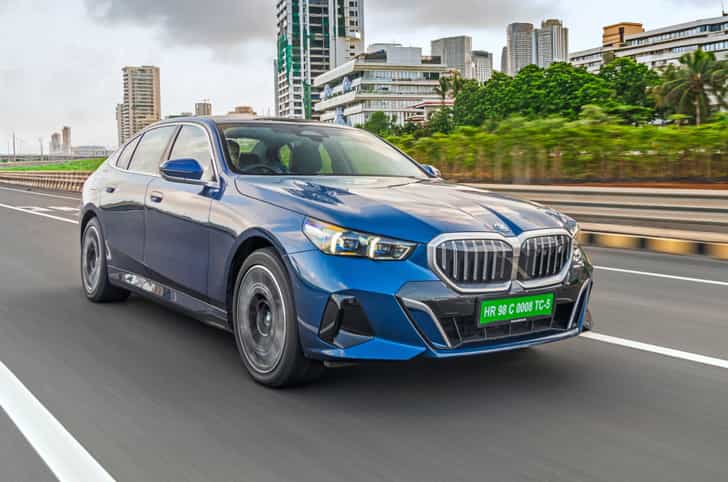
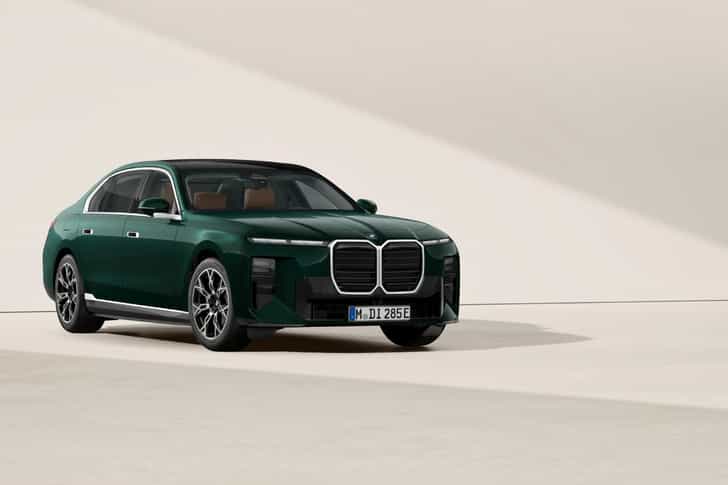
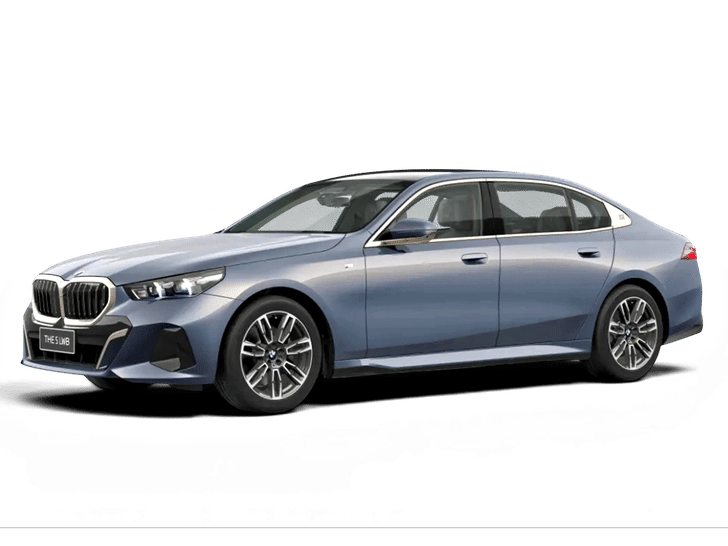
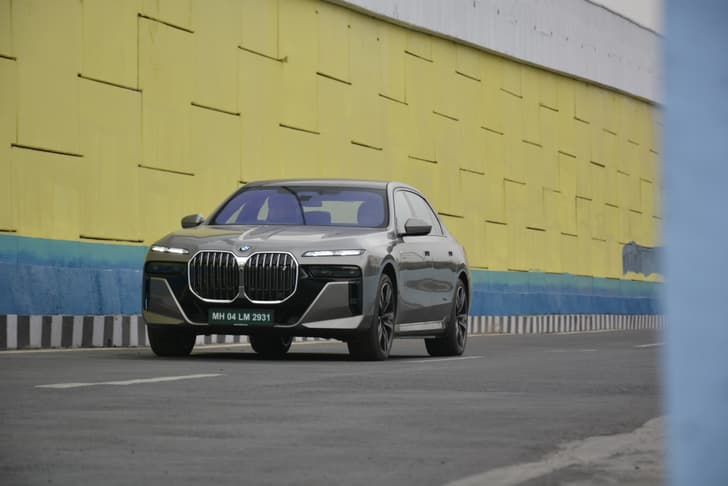
The new i5 LWB is expected to be a thorough revision of the current model based on the CLAR platform, with Neue Klasse-inspired styling and perhaps battery and motor updates, rather than an outright shift to the Neue Klasse platform of the i3. This is similar to what was done with the BMW i7, which also shares the CLAR platform, as both are only halfway through their life cycles. Besides, that is still some time away, and the only i5 you can buy now is the sporty (and low-slung) M60. You're right about rapidly advancing EV tech, but whether you choose today's i5 or the incoming LCI or LWB, you'll still have a luxurious, comfortable, refined and powerful EV.

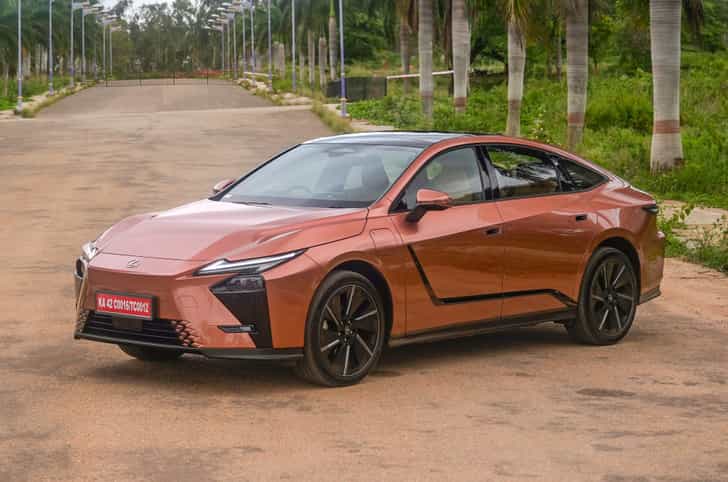
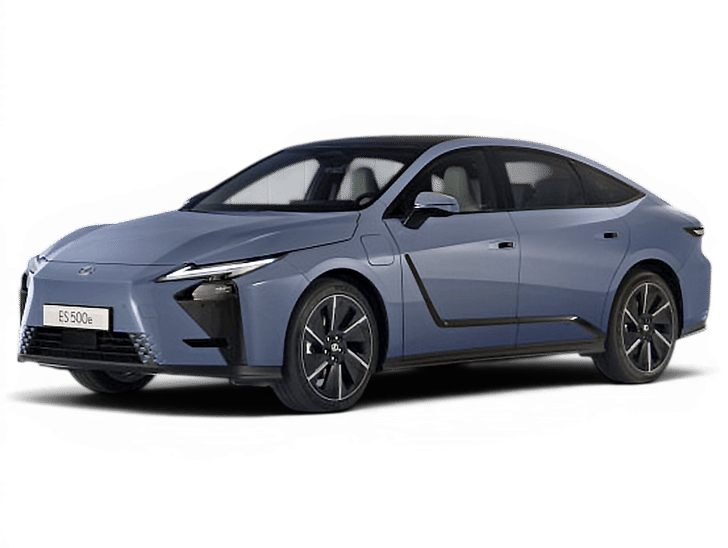
As for the Lexus, if you're choosing the hybrid, know that it is about half the price of what the i5 LWB will likely cost. There is also the ES Electric, which is closer in price and concept to the i5. Either way, the ES seems like the better choice for you if you plan to purchase today, since as you mentioned, it is presently the more contemporary option. That said, depending on which camp you fall into, a hybrid may already be behind in terms of relevance compared to any EV, so it really comes down to the nature of your usage. For now, in India, pound for pound, a hybrid makes more sense than an EV, so if you're keen on the new ES hybrid, you should go for it.
BMW i7

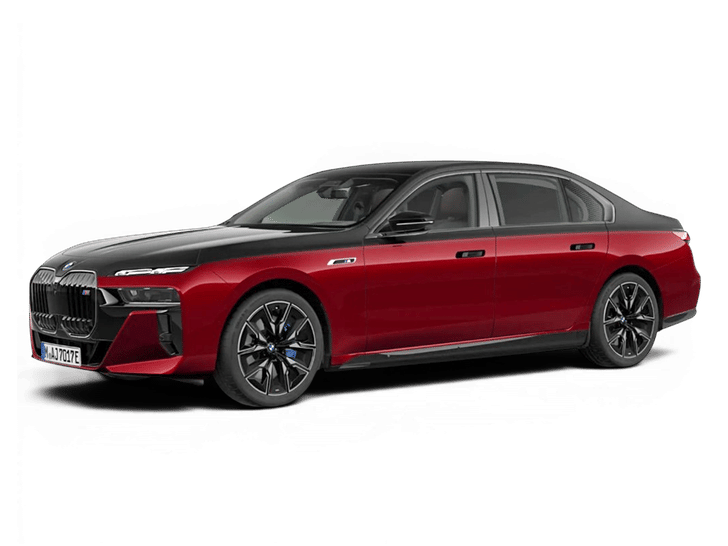
BMW i7

4m

@krishna.50 Go with BMW i5 LWB 👍

More posts on similar cars

22h

I am looking to buy a petrol automatic SUV primarily for city use, with occasional highway trips. I have shortlisted the Maruti Suzuki Grand Vitara Zeta AT mild-hybrid and Kia Seltos HTK(O). My priorities are real-world city and highway mileage, reliability, maintenance costs, long-term ownership (8-10+ years), comfort, and overall value for money. I would appreciate advice from owners/users, especially regarding actual mileage in heavy city traffic, maintenance costs, and any issues they have faced over the years.

Verified
9h

Go for the Maruti Suzuki Grand Vitara Zeta mild hybrid AT. For your priorities of mileage, reliability, low maintenance and long-term ownership, it is the safer and more sensible choice. The mild hybrid system helps with efficiency in stop-start city traffic, and Maruti’s service network and ownership costs are among the best in the business. The Kia Seltos HTK (O) is a good car, but the Grand Vitara’s mild hybrid system gives it a clear advantage in city efficiency, and Maruti’s ownership experience is hard to beat. This Kia car does feel more premium inside, but for your requirements, that is less important than reliability and running costs.In heavy city traffic, owners typically see around 11-13 km/l in the Grand Vitara mild hybrid AT, with highway figures in the 16-18 km/l range. Maintenance costs are reasonable, and Maruti’s service reach is a big advantage over a long ownership period. The Seltos petrol automatic is also reliable, but real-world city mileage is usually a bit lower, and Kia’s service network is not as extensive.Overall, the Grand Vitara is the better fit for your requirements.

VehicleMaruti Suzuki Grand Vitara
VehicleKia Seltos
2d

Hi Team, I am confused between the Mahindra XUV 7XO diesel AX7T and Tata Harrier EV Fearless Plus. My concern is that diesel vehicles may be phased out sooner, which could affect diesel engines in general. Since there is no proper hybrid vehicle in this segment and reliability concerns around EVs in India are causing some uncertainty, I am a bit unsure. Any advice would be appreciated.

Verified
10h

First, a quick clarification: diesels are unlikely to be phased out anytime soon. There are tighter emissions norms and some city-specific restrictions to keep an eye on, but there is no immediate reason to avoid a modern BS6 diesel purely on the assumption that it will soon become unusable. Mahindra, in particular, is likely to continue offering diesel SUVs for as long as there is meaningful demand. The XUV 7XO AX7T’s 2.2-litre diesel remains a strong fit for frequent highway use, long-distance touring, heavy loads and buyers who value effortless torque and quick refuelling.Your EV reliability concern is understandable, but it should not be a deciding negative by itself. An electric car has fewer mechanical moving parts than an ICE vehicle, which can reduce routine powertrain maintenance requirements. The more relevant question is whether your charging situation and typical driving pattern suit one. If you have dependable home or workplace charging, the Harrier EV makes a compelling case with its quieter, smoother driving experience and substantially lower running costs. The Fearless+ gets a 65kWh battery with a claimed 538km range, while 75kWh versions claim up to 627km, though real-world range will naturally be lower and depend on speed, weather and driving style.If you do regular intercity runs, especially in areas where charging stops may be inconvenient, the Mahindra XUV 7XO diesel is still the easier all-round ownership proposition. It is also likely to be the better choice if you plan to keep the car for a long time without changing your travel routine.If a hybrid is what you are after, there are now two relevant options. The MG Hector Tomahawk PHEV offers a useful EV-only range of around 100km, backed by a 1.5-litre petrol engine. However, a plug-in hybrid only makes sense if you can charge it regularly. The Kia Sorento is a conventional strong hybrid, so it does not need external charging and should offer better refinement and economy than a regular petrol SUV. It is, however, considerably more expensive than the XUV 7XOOur advice: Choose the Harrier EV if you have home charging and most of your running is urban or predictable. Choose the XUV 7XO diesel if long highway trips and maximum convenience matter more.

VehicleMahindra XUV 7XO
VehicleKia Sorento
VehicleMG Hector Tomahawk PHEV
VehicleTata Harrier EV

Expert reviews worth reading

Popular discussions right now

Posted on: 9 Aug 2026