
Autocar India
4w

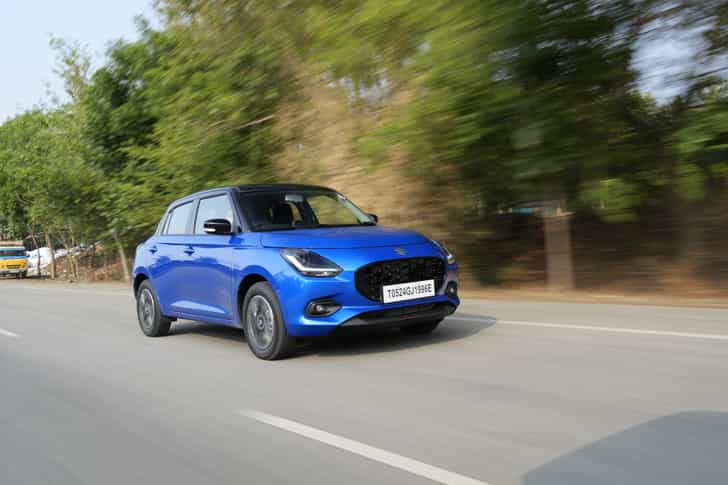
I am planning to upgrade the Swift Car 2016 petrol variant to a Hyundai Creta and need advice based on my usage. My daily commute is 10 - 15 km within the city, with occasional outstation trips totalling about 600 - 800 km per quarter. Low maintenance and generous boot space are my top priorities. Given this driving pattern, which engine and variant would you recommend? Should we go for a hybrid car or a petrol one?

Verified
4w

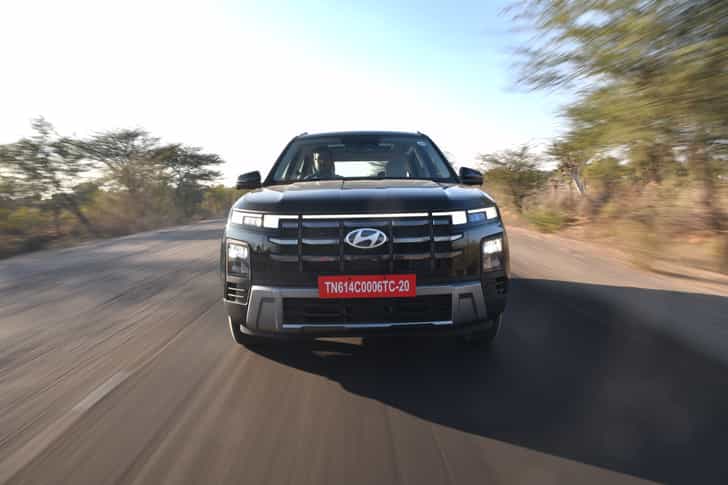
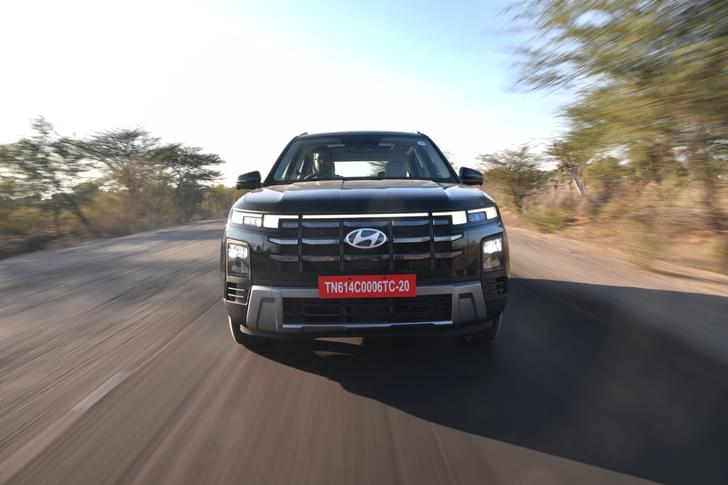
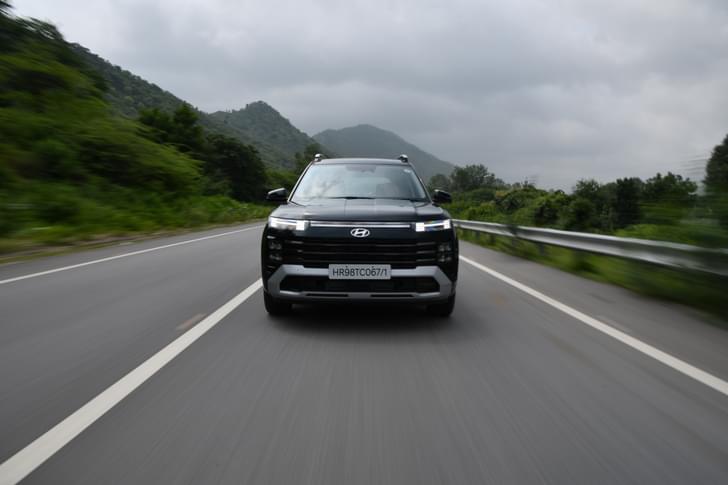
Based on your usage, the Hyundai Creta petrol IVT is the most sensible upgrade from your Swift. Your daily running is low, and your highway trips are occasional, so a petrol engine is the most cost-effective and hassle-free option. The IVT automatic is smooth in city traffic and reliable over the long term, which aligns well with your low-maintenance priority. The Creta also offers a generous boot, making it a practical choice for your outstation trips.

A hybrid car does not make financial sense in your case. Your running is not high enough to justify the additional cost, and the fuel savings would take a long time to recover. The Creta petrol IVT strikes the right balance between comfort, practicality and ownership costs, making it the best fit for your requirements.
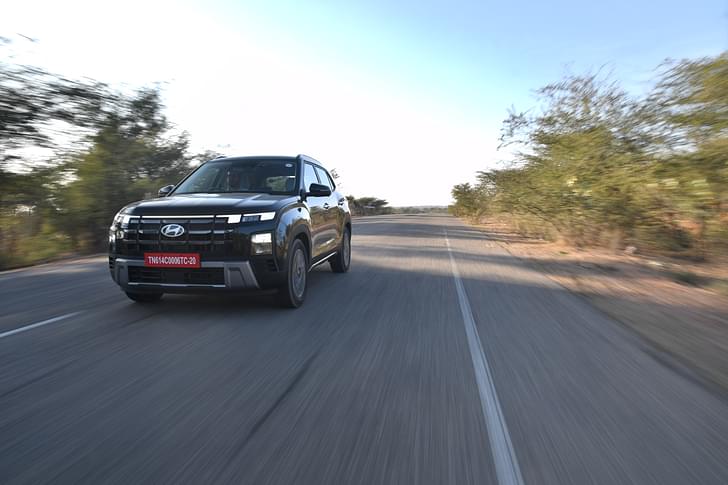
Hyundai Creta

Hyundai Creta

4w

@autocar.india Can you please suggest which variant is creta is best and budget friendly with loaded features

3w

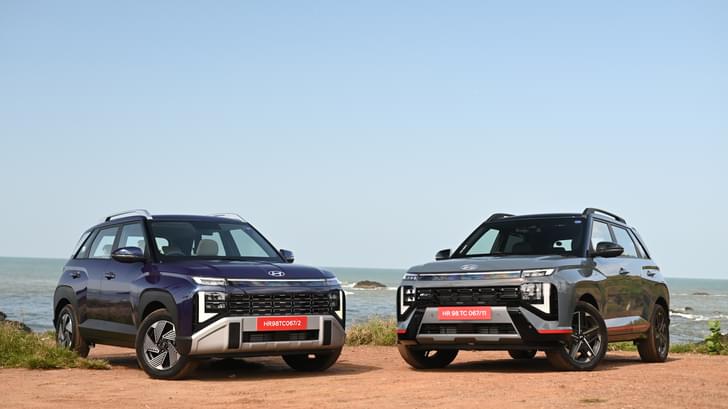
@sort For your usage, Creta S Petrol should be your pick, it gives you all the essentials like touchscreen, wireless connectivity, alloy wheels and good comfort without stretching your budget. If you want a bit more premium feel (sunroof, push start), stretch to the Hyundai Creta SX Petrol. Avoid base E/EX, as they feel too bare for the price, especially for daily comfort.

Want to sell your car?

Sell your car at the right price, without the stress.

More posts on similar cars

16h

I am currently confused between the Hyundai Creta King Diesel AT and the new Kia Seltos Diesel AT. After discounts, the Creta King Diesel AT costs around Rs. 21.6 lakh, while a similarly specced Seltos Diesel AT is around Rs. 25 lakh. I may also be able to negotiate a further discount on the Creta, whereas Kia is not offering any discount as the Seltos has been newly launched. The Seltos is based on the K3 platform and has a 5-star safety rating, while I am not clear about where the current Creta stands from a global safety perspective. I have also heard that a new Creta based on the same K3 platform as the Seltos could arrive within the next 12 months. I am unsure how that might affect its pricing, features, and discounts. Considering the Rs. 3.4 lakh price difference, safety, long-term ownership, resale value, and the possibility of a new Creta arriving soon, which one would make more sense? I am confused about whether I should take the heavily discounted Creta now or spend more on the newer Seltos.

Verified
6h

Go for the Hyundai Creta Diesel AT at Rs 21.6 lakh - and potentially less after further discounts. The Kia Seltos Diesel AT at Rs 25 lakh is simply too much more expensive for what is essentially a very similar car underneath. Both cars use the same diesel engine and the same 6-speed torque converter automatic gearbox. The new-gen Seltos does have a 5-star Bharat NCAP rating, while the outgoing-gen Creta has not been tested by BNCAP yet, but is not an unsafe car by any means. Hyundai has a strong global safety record, and the Creta is a well-engineered product. The next-gen Creta, built on the same K3 platform as the Seltos, is at least a year away from going on sale, and will see a similar - if not greater - price jump as seen on the Seltos. Similarly, these discounts you're getting on the current model will disappear, and frankly the benefits you're getting today are too good to ignore. If you simply must have the latest tech and a bit more space, get the Seltos, but the Creta with the same features at a far discounted price gives you far more bang for your buck.

VehicleHyundai Creta
VehicleKia Seltos
1w

I own a 2021 Maruti Brezza (petrol), which is not E20 compatible, and I am getting low mileage. Now I'm looking for a new car and am confused between the following options: Kia Seltos HTE(O) IVT, Hyundai Creta EX CVT, Maruti Suzuki Grand Vitara Zeta(O), and Skoda Kushaq (TC) I have seen a few posts and videos suggesting that the new Creta and Grand Vitara will be launched in the coming months. Should I wait for the new launches to get the best car? Kindly suggest, as having multiple options is creating a lot of confusion.

Verified
2d

While your concerns are valid, do note that all cars will see a mileage drop running on E20 petrol; it's just that E10 compliant cars like your 2021 Maruti Suzuki Brezza will see a relatively higher impact due to the engine not being calibrated for the fuel. As for which car to pick, since mileage is your maximum priority, we recommend the Maruti Suzuki Grand Vitara Zeta (O). It remains the mileage king in its segment, and even when you factor in the efficiency drop, it will do better than the others you have shortlisted. Bear in mind, however, that it uses the same 1.5-litre petrol engine as your Brezza, so in terms of powertrain, it won't feel like much of an upgrade on that front. As for the new launches, the Grand Vitara may get a minor facelift later this year, but it will not really impact the overall ownership experience (or mileage), so we recommend going ahead and buying it now. The next-gen Hyundai Creta is not due until sometime in 2027.

VehicleMaruti Suzuki Grand Vitara
VehicleMaruti Suzuki Brezza
VehicleHyundai Creta
4d

Hello, I own a 9 years old Ford Figo S TDCi (manual, diesel) that has covered more than 1.3 lakh km. I’m still proud of this car for its torquey engine, handling, and the way it drives. But lately, its hard clutch in city traffic is causing knee pain, and I am confused whether to keep it or exchange it. Does it make sense to replace my Figo now, and what resale value should I expect? Which current manual fun‑to‑drive hatchbacks come closest to the driving feel and character of the Figo S TDCi? I have considered the SKODA KYLAQ, but it is beyond my current budget. Since SKODA has just opened a showroom in Shillong, does it make sense to stretch for it, or should I stick to a hatchback I don’t want to face problems that I had faced with Ford again. If I decide to keep the Figo, will I face issues related to the parts availability in the coming years? I would love to keep it for as long as possible, but I’m also considering adding a second car like the Alto for city commuting. I am quite confused, so I would really appreciate your valuable suggestion.

Verified
1d

You are clearly an enthusiast who values a strong diesel punch and sharp handling, and the Figo S TDCi was one of the best cars in that space. At 9 years and 1.3 lakh km, the car has served you well, but the hard clutch and knee pain are a clear signal that it is time to move on. Resale value will be modest given the age and Ford’s exit, so the decision should be driven by your usage and comfort rather than the resale number.On the replacement, there is no direct hatchback equivalent today. The Skoda Kylaq is the closest in spirit, with a strong turbo petrol engine and a genuinely engaging driving experience. The automatic is also a big plus if you want to avoid clutch fatigue in traffic. The fact that Skoda has opened a showroom in Shillong is a significant positive, and Skoda is a far more stable brand in India today than Ford was at the time of its exit. If you can stretch the budget, the Kylaq is the right move. The Skoda Kylaq price range extends from Rs 7.59 lakh to Rs 12.99 lakh (ex-showroom, Delhi).If the budget is tight, the Maruti Suzuki Swift is the best hatchback alternative. It is not as powerful or as sharp as the Figo S, but it is light, nimble and fun to drive in its own way. The Hyundai i20 N Line is another hatchback option that is quite fun to drive and looks nice and sporty too but its costlier than the Swift. In summary, replace the Figo now and stretch for the Kylaq if you can. It is the closest modern equivalent to what you love about the Figo S TDCi. If the budget does not allow, go for the Swift. Do not hold on to the Figo purely for sentimental reasons, and do not worry too much about resale value at this stage. The decision should be about comfort and driving enjoyment for the next 5-10 years.

VehicleSkoda Kylaq
VehicleMaruti Suzuki Swift
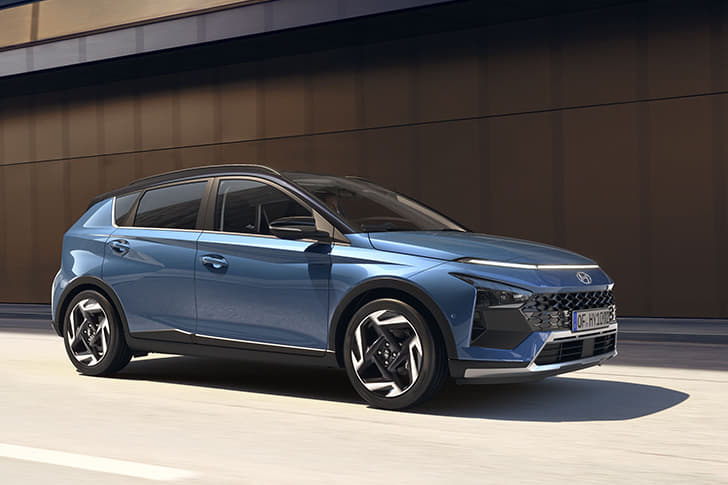
VehicleHyundai i20

Popular discussions right now

2d

Hey, We are planning to buy a sub-4-metre SUV, and our main requirement is good suspension for Bengaluru’s pothole-filled roads, especially as my wife is pregnant. We have shortlisted the Maruti Suzuki Brezza, Mahindra XUV 3XO, and Tata Nexon. Which one would you recommend for our requirements? I was also considering a larger SUV like the Honda Elevate, but a well-equipped variant costs around Rs. 18 lakh on-road, which is beyond my budget. Could you suggest some good options in both categories? I can stretch my budget up to around Rs. 15 lakh on-road if required.

Verified
5h

Given your priorities, the Mahindra XUV 3XO is the best fit. It has the most comfortable ride in the segment, with a suspension that deals with broken roads and potholes better than the Brezza or Nexon. The wide rear seat and good cabin space will also make a difference for your wife and family. The Brezza is the more reliable long-term ownership proposition, but its ride is not as plush as the 3XO. The Nexon is a good all-rounder, but the 3XO has the edge on ride comfort and rear seat space.On the Honda Elevate, it is a solid, reliable SUV with a comfortable ride, but at Rs 18 lakh on-road for the well-equipped variants, it is not worth stretching your budget for. The 3XO gives you a better ride and more features for less money.Overall, the 3XO is the best balance of ride comfort, space and value for your requirements. Go for the petrol automatic variant for the smoothest city driving experience.

VehicleMahindra XUV 3XO
VehicleMaruti Suzuki Brezza
VehicleTata Nexon
VehicleHonda Elevate

Posted on: 13 Jul 2026